Da Benito e Gilberto sits on Via del Falco in the Borgo district, steps from the Vatican walls, where Rome's seafood tradition runs deep in a neighbourhood otherwise dominated by tourist-facing trattorias. The restaurant has built a quiet but durable reputation among Roman seafood diners over decades, placing it in a different register from the contemporary fine-dining circuit. For fish done with classical restraint in an area that rarely rewards serious eating, it remains a genuine reference point.
Pearl is the En Primeur Club membership app — saves, bookings, and concierge access live there. Same editors, same standards.
- Address
- Via del Falco, 19, 00193 Roma RM, Italy
- Phone
- +393966867769
- Website
- benitoegilberto.it
- Directions
- Get directions
 Saves & bookings on Pearl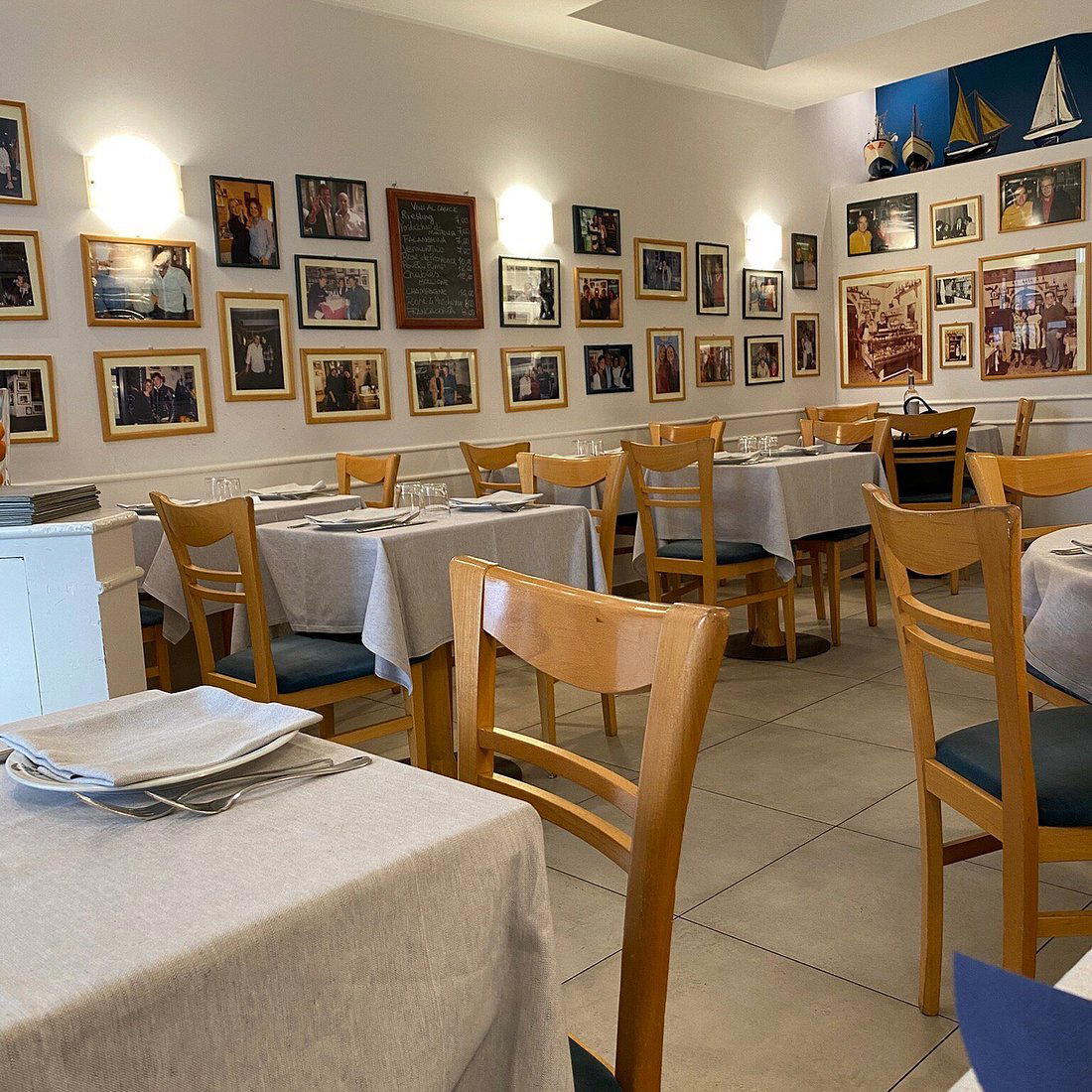
A Street Where Serious Eating Survives
The Borgo district, the dense medieval grid pressed against the eastern flank of Castel Sant'Angelo, is not where most visitors expect to find a restaurant with staying power. The streets radiating outward from St. Peter's Square carry the familiar weight of high-volume tourism: laminated menus in six languages, aggressive doormen, and fish that has rarely met the sea recently. Via del Falco cuts through this without much fanfare. Da Benito e Gilberto is a restaurant in Rome's Borgo district, serving Italian seafood at a mid-range price tier. It occupies a narrow frontage here, the kind of address that reads as deliberately understated, no theatrical signage, no pavement theatre. The restraint is a signal. In a city where Romans have learned to avoid certain postcodes entirely when eating seriously, this corner of the Borgo has produced one of the capital's more durable seafood addresses.
The Sensory Register of a Roman Seafood Room
Roman seafood dining at this level operates through a particular set of cues that distinguish it from the theatrical fish presentations found in the contemporary creative circuit. The cooking stays close to the ingredient: classical preparation, the emphasis on freshness over transformation, the room itself typically small enough that you are aware of the kitchen without being in it. At Da Benito e Gilberto, the physical environment reinforces this. The dining room is compact, the décor modest in the way that long-established Roman restaurants tend to be, accumulated rather than designed. There is no audio architecture to manage, no curated playlist. The sounds are conversation and service. The light is warm without being atmospheric in a manufactured sense. These are the conditions in which the food is meant to do the work, and in Roman seafood tradition, that is the correct hierarchy.
The smell that drifts from a kitchen focused on fish, olive oil, garlic, and herbs rather than reduction and technique carries a different register from contemporary fine-dining kitchens. It is recognisably Italian and specifically coastal, the kind of sensory context that places you in a tradition rather than in a concept. That distinction matters in Rome, where the gap between restaurants that position themselves as experiences and restaurants that simply cook well has widened considerably over the past decade.
Where This Sits in the Roman Dining Order
Rome's seafood-specialist category sits in an interesting position relative to the city's broader high-end market. The creative fine-dining tier, Il Pagliaccio, Enoteca La Torre, Acquolina, pursues Michelin validation through a framework of contemporary technique and tasting-menu architecture. La Pergola operates at the apex of the formal category. Achilli al Parlamento occupies the wine-centric creative bracket near Montecitorio. Da Benito e Gilberto belongs to a different tier: the classical specialist, where the competitive set is not other tasting-menu restaurants but other serious seafood rooms, and where credibility is built over time through consistency rather than through award cycles.
That distinction has implications for what you should expect. This is not a kitchen pushing against the boundaries of Italian seafood cookery in the manner of Uliassi in Senigallia or Quattro Passi in Marina del Cantone. The reference points are closer to the classical Italian tradition embodied by places like Dal Pescatore in Runate, where technique is deployed in service of clarity rather than novelty. In the wider Italian context, the creative and avant-garde registers are well represented by Osteria Francescana in Modena, Le Calandre in Rubano, Piazza Duomo in Alba, Reale in Castel di Sangro, and Enoteca Pinchiorri in Florence. The restaurant does not compete in that register and does not need to. The Rome dining public that returns here repeatedly is looking for something those restaurants are not offering: a direct line to classical Roman seafood craft in a room without pretension.
The Weight of Longevity in a Fickle Market
Restaurant longevity in a tourist-adjacent Roman neighbourhood is harder to achieve than it appears. The economics press toward simplification: reduce the ingredient cost, broaden the menu, accept the passing trade. The restaurants that resist this pressure over decades tend to do so through a combination of local clientele loyalty and the discipline to hold a standard even when the surrounding streets are serving something far easier. The fact that restaurant remains in active reference among Romans rather than being ceded entirely to visitors is itself a form of trust signal in a city where word spreads efficiently between those who eat carefully.
Italy's serious seafood restaurants that hold this position, cooking classically, maintaining a local following, operating in the shadow of more decorated neighbours, are a smaller group than they once were. The pressures of the last decade, including rising ingredient costs and the dominance of the Michelin-facing creative tier in editorial coverage, have thinned the category. Internationally, the classical seafood reference point familiar to diners might be Le Bernardin in New York City, though the register there is more formally luxurious; or the focused regional ambition of Atelier Moessmer Norbert Niederkofler in Brunico in a different Italian tradition. The restaurant belongs to none of those frameworks. It is specifically Roman, specifically seafood-focused, and specifically committed to a format that makes no argument for itself beyond the quality of what arrives at the table.
Planning Your Visit
Know Before You Go
- Address: Via del Falco, 19, 00193 Roma RM, Italy
- Neighbourhood: Borgo, immediately west of Castel Sant'Angelo
- Cuisine focus: Classical Roman seafood
- Booking: Recommended
- Timing: Mon: Closed; Tue: 12–3 PM, 7–11 PM; Wed: 12–3 PM, 7–11 PM; Thu: 12–3 PM, 7–11 PM; Fri: 12–3 PM, 7–11 PM; Sat: 12–3 PM, 7–11 PM; Sun: Closed
- Getting there: Walking distance from Castel Sant'Angelo; nearest metro is Lepanto (Line A), approximately 10 to 12 minutes on foot
Cuisine and Recognition
Comparable venues nearby, for context on price, style, and recognition.
| Venue | Cuisine | Price | Notes |
|---|---|---|---|
| Da Benito e GilbertoThis venue — the venue you are viewing | Italian Seafood | $$ | Not listed |
| Borgo Nuovo | Roman Trattoria & Pizzeria | $$ | Borgo |
| Secondo Tradizione | Modern Roman Trattoria | $$ | Monte Mario |
| Nuraghe Sardo | Authentic Sardinian Seafood | $$ | Monte Mario |
| Ristorante Pancrazio | Traditional Roman Trattoria | $$ | Parione |
| Il Barroccio | Traditional Roman Osteria | $$ | Colonna |
Continue exploring
More in Rome
Restaurants in Rome
Browse all →
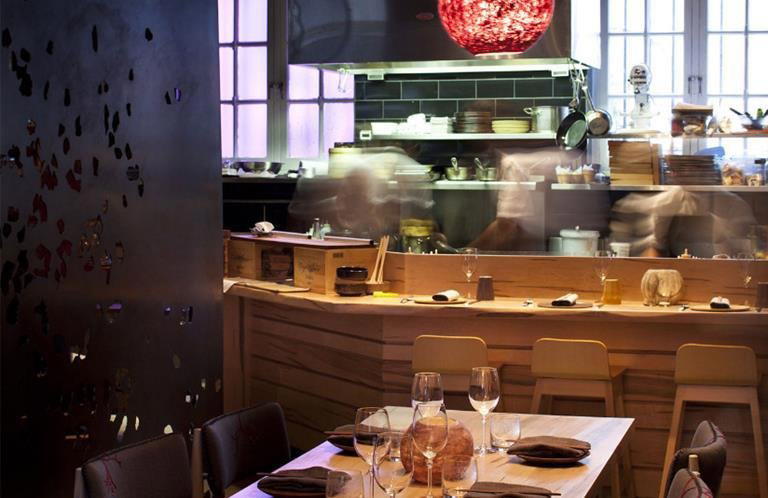
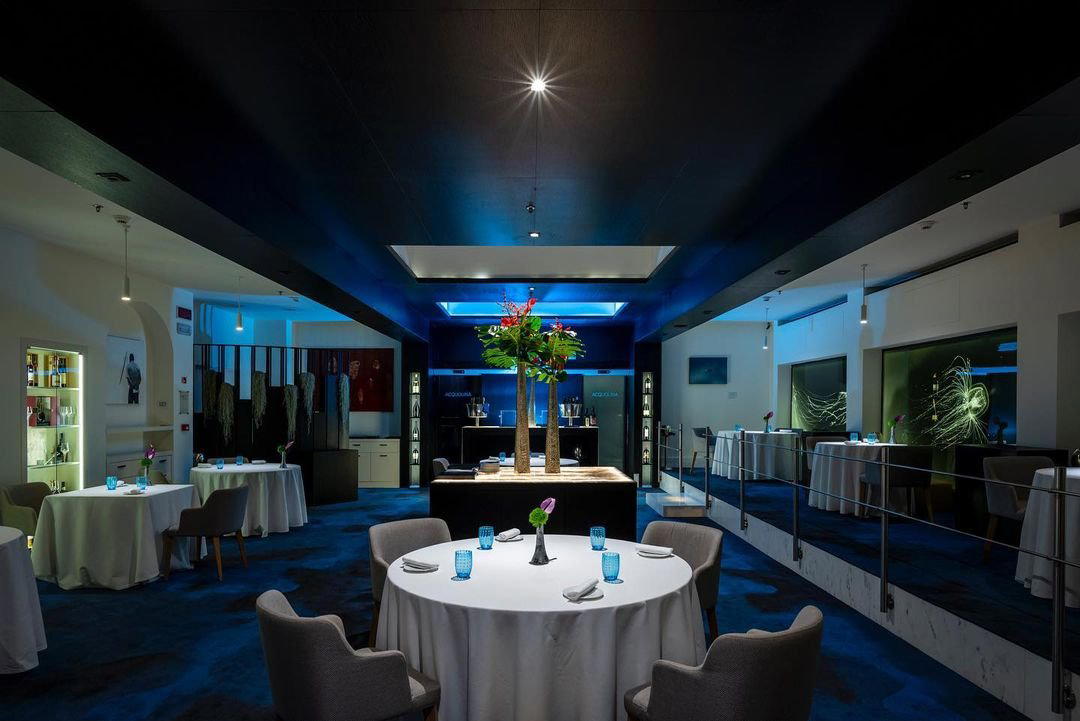
Bars in Rome
Browse all →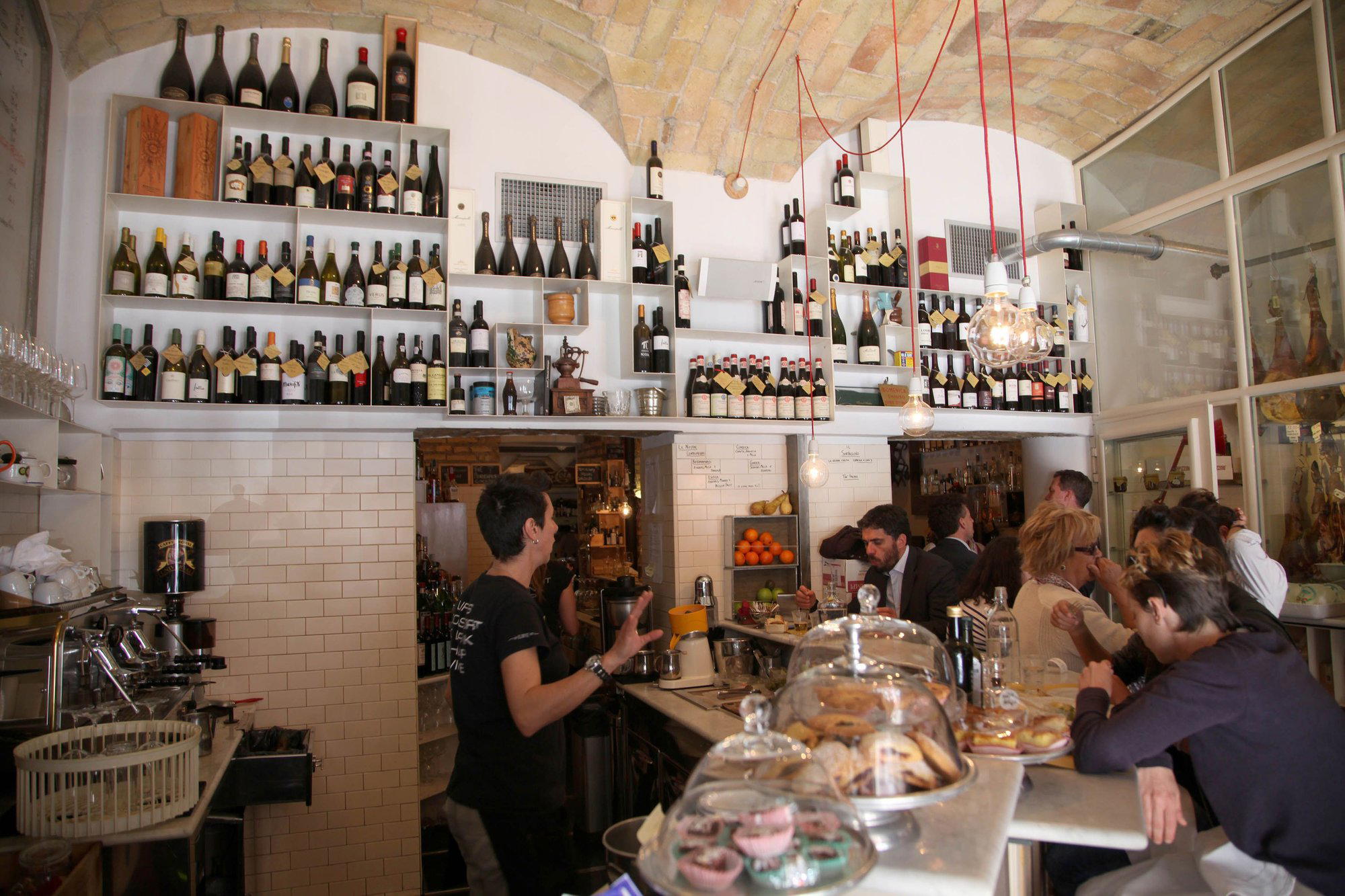
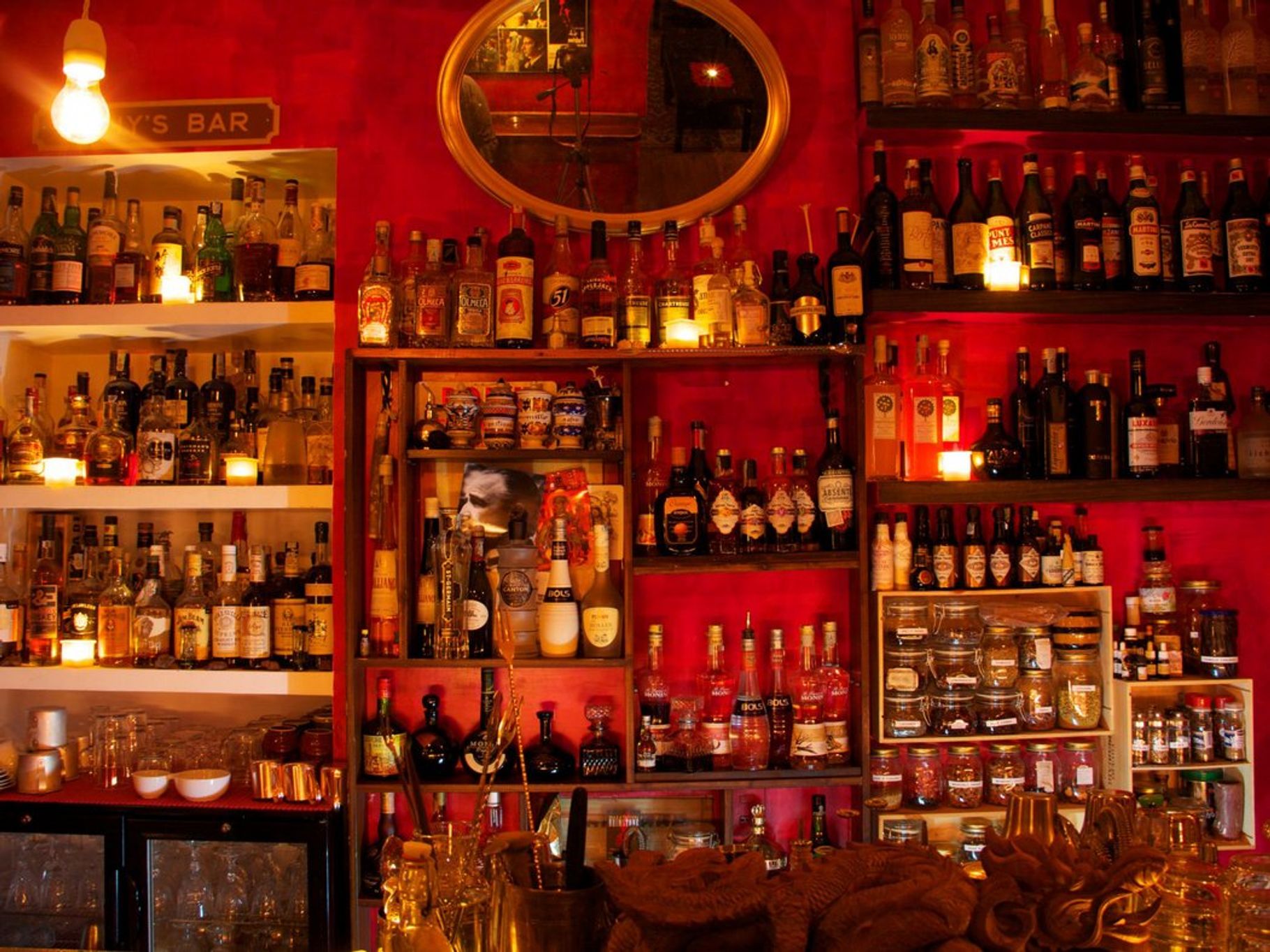
Hotels in Rome
Browse all →


At a Glance
- Romantic
- Cozy
- Intimate
- Classic
- Date Night
- Special Occasion
- Historic Building
Current opening hours
- Monday
- Closed
- Tuesday
- 12–3 PM, 7–11 PM
- Wednesday
- 12–3 PM, 7–11 PM
- Thursday
- 12–3 PM, 7–11 PM
- Friday
- 12–3 PM, 7–11 PM
- Saturday
- 12–3 PM, 7–11 PM
- Sunday
- Closed
Hours can change for holidays and private events. Last verified .
Cozy and nautically-themed with white tablecloths, candles, elegant stemware, and quiet atmosphere conducive to conversation.