
Black Pearl 1 Diamond
Our verdict
Located in Hangzhou's Binjiang District, Tung Fu Restaurant holds a Black Pearl 1 Diamond (2025), placing it among the city's recognised addresses for Chinese dining. For travellers seeking a credentialled table on the south bank of the Qiantang River, Tung Fu is a considered choice.

Pearl is the En Primeur Club membership app, where members save venues, book tables and use the concierge.
The menu
What to order
- Lobster Rice
- Tea-Smoked Duck
- Grouper Two Ways
Binjiang's Recognised Table: Where Hangzhou's Award Circuit Reaches the South Bank
Hangzhou's dining credibility has historically concentrated around West Lake, where addresses like Guiyu (Xihu) and Hangzhou House draw on scenic setting as much as kitchen output. The Binjiang District, by contrast, is a newer chapter in the city's food story. Positioned south of the Qiantang River, it developed as a technology and residential hub before its restaurant scene attracted serious critical attention. Tung Fu Restaurant, at Binkang Road 187-189, is part of the cohort that changed that perception, earning a Black Pearl 1 Diamond in 2025, a signal that the award circuit is tracking the south bank with more focus than it did a decade ago.
The Black Pearl Guide, operated by Meituan, functions as the most widely followed domestic Chinese restaurant award system, distinct from Michelin in its weighting of authenticity, cultural continuity, and local diner consensus. A 1 Diamond placement positions Tung Fu within a tier of restaurants that meet criteria for consistent quality and culinary identity without necessarily pursuing the international-facing polish of higher-tier entries. In Hangzhou, this is a competitive bracket: the city's Zhejiang cuisine tradition is deep, and the guide's local reviewers hold its practitioners to exacting standards around ingredient sourcing and technique.
A City Tradition Under Continuous Revision
Zhejiang cuisine, one of China's eight canonical culinary traditions, is built on restraint, light seasoning, fresh seasonal produce, and cooking methods that preserve rather than transform. Hangzhou sits at its centre, with dishes like West Lake fish in vinegar sauce and Dongpo pork forming the bedrock of the tradition. What has shifted in recent decades is the way that bedrock is interpreted. Restaurants across the city have moved through several phases: the banquet-hall model of the 1990s, the heritage-revival wave of the 2000s and 2010s, and now a more nuanced moment in which diners expect historical accuracy and contemporary precision to coexist in the same meal.
Tung Fu's Black Pearl recognition in 2025 places it within this current phase. The award is not a historical inheritance; it must be earned annually, which means the kitchen is being assessed against the standards of the present moment, not credited for past reputation. That temporal specificity matters when reading the city's restaurant scene: several of Hangzhou's most-discussed addresses hold awards that reflect a particular era's consensus, while newer recognitions like this one reflect where critic attention is pointing now. For a broader survey of where Hangzhou dining sits today, our full Hangzhou restaurants guide maps the city's current critical landscape.
Placing Tung Fu against its peer group requires mapping the Hangzhou Zhejiang cuisine tier with some precision. Ru Yuan occupies the leading price bracket (¥¥¥¥), positioning itself as the city's most formal interpreter of the tradition. Jie Xiang Lou and comparable addresses operate at mid-range, where the balance of heritage technique and accessibility is the primary offering. Ambré Ciel represents the innovative end of Hangzhou dining, French-inflected and aimed at a different diner altogether.
Tung Fu holds its own category: a Black Pearl-recognised address in a district that was, until recently, underrepresented in the city's critical conversation. That positioning is partly geographic, Binjiang diners have historically had fewer award-level options within the district itself, and partly a reflection of how the south bank's restaurant culture has matured. The parallel in East China's restaurant geography is worth noting: Taizhou cuisine's rise through venues like Xin Rong Ji (Xinyuan South Road) in Beijing and Xin Rong Ji in Chengdu demonstrated how regional Chinese culinary traditions gain national credibility through consistent award recognition, not just local reputation. Hangzhou's south bank is at an earlier stage of that trajectory.
The comparison also holds across a wider Chinese fine dining frame. Restaurants like 102 House in Shanghai, Chef Tam's Seasons in Macau, Imperial Treasure Fine Chinese Cuisine in Guangzhou, and Dai Yuet Heen in Nanjing illustrate how Chinese culinary institutions across different cities have built credibility through sustained award performance. Tung Fu's 2025 Black Pearl entry is the start of that record, not its culmination. The question for the next few years is whether the kitchen compounds that recognition or whether it remains a single-year marker.
For international diners accustomed to award-tracked restaurants in other contexts, the frame of reference is useful even if the specific system differs. Venues like Le Bernardin in New York City and Atomix in New York City demonstrate how sustained critical recognition across multiple guide systems builds a different kind of authority than a single-year placement. Tung Fu is at an earlier inflection point on that curve.
Planning Your Visit
Binjiang District sits on Hangzhou's south bank, accessible from the city centre via metro Line 1 (Binjiang direction) or Line 4. The address on Binkang Road is within the district's main commercial and residential corridor. Hangzhou's restaurant peak periods align with national holidays (Golden Week in early October and late January to February) and the spring season when West Lake draws visitors from across China. Booking during these windows requires more lead time than the off-peak calendar. For accommodation options near the south bank and across the city, the Hangzhou hotels guide provides current options. Those building a broader Hangzhou itinerary around food and drink will find the bars guide, wineries guide, and experiences guide useful alongside the restaurant listings.
Know Before You Go
- Address: Binkang Road 187-189, Binjiang District, Hangzhou, Zhejiang 310051
- Award: Black Pearl 1 Diamond (2025)
- District: Binjiang (south bank of the Qiantang River)
- Getting there: Metro Line 1 or Line 4 to Binjiang stations; taxi and ride-hail services widely available from city centre
- Peak booking periods: Golden Week (October), Spring Festival (late January to February), spring West Lake season (March to April)
- Phone/Website: Not publicly listed; confirm booking through local platforms (Meituan, Dianping) or on arrival
Frequently asked questions
What's TUNG FU RESTAURANT's location?
TUNG FU RESTAURANT is located at China, Zhejiang, Hangzhou, Binjiang District, Binkang Rd, 187号-189 邮政编码: 310051, Hangzhou.
What's TUNG FU RESTAURANT known for in terms of accolades?
TUNG FU RESTAURANT has received recognition including: Black Pearl 1 Diamond (2025).
What should I order at TUNG FU RESTAURANT?
Tung Fu holds a 2025 Black Pearl 1 Diamond award, which in the Hangzhou Zhejiang cuisine context typically signals a kitchen focused on seasonal produce and light, precise cooking rather than elaborate saucing. Zhejiang tradition favours freshwater fish, braised pork preparations, and vegetable-forward dishes that reflect the region's agricultural calendar.
Should I book TUNG FU RESTAURANT in advance?
Tung Fu's 2025 Black Pearl 1 Diamond recognition places it among Hangzhou's credentialled dining addresses, and award-listed restaurants in Chinese cities at this tier routinely fill on weekends and public holidays. Reservations are advisable, particularly for dinner sittings or larger groups.
What is TUNG FU RESTAURANT known for?
Tung Fu is recognised within Hangzhou's award circuit as a serious Zhejiang cuisine table on the city's south bank, in Binjiang District, a part of the city that sits outside the West Lake concentration of celebrated restaurants. Its 2025 Black Pearl 1 Diamond places it in a peer group that includes other credentialled Hangzhou addresses, though it operates from a less-trafficked residential and business district rather than a tourist-facing location.
Can TUNG FU RESTAURANT adjust for dietary needs?
Zhejiang cuisine is structurally more accommodating than many other Chinese regional traditions, given its emphasis on vegetables, tofu, and fresh fish alongside meat preparations. Contacting the restaurant directly before your visit, or arriving with a written note in Mandarin, is the most reliable approach.
Is Tung Fu Restaurant a good option for Hangzhou dining away from West Lake?
For visitors or residents who want a credentialled Zhejiang cuisine meal without the West Lake tourist concentration, Tung Fu in Binjiang District is one of the few Black Pearl-recognised addresses on Hangzhou's south bank as of 2025. Binjiang is accessible via metro Lines 1 and 4, making it a practical destination from the city centre. The 2025 Black Pearl 1 Diamond award gives it a verifiable standing in the Hangzhou dining tier rather than relying solely on location prestige.
Nearby-ish Comparables
Comparable venues nearby, for context on price, style, and recognition.
| Venue | Cuisine | Price | Awards | Notes |
|---|---|---|---|---|
| TUNG FU RESTAURANTThis venue (the venue you are viewing) | Modern Chaoshan Chinese | $20–30 | Black Pearl 1 Diamond | Not listed |
| Fuyuanju | Authentic Hangzhou Cuisine | $10–20 | Not listed | Hangzhoushi |
| Tianlunli | Hangzhou Crab Specialist | Not listed | Michelin Plate | Hangzhoushi |
| De Ming Fan Dian | Traditional Hangzhou Cuisine | Not listed | Michelin Plate | Xiaoshanshi |
| Fu Quan Shu Yuan | Zhejiang Vegetarian | Not listed | Michelin Plate | Yuhangxian |
| 荣鲜面馆 | Hangzhou Silver Carp Head Specialty | $30–50 | Not listed | West Lake |
Recognition history
Dated appearances from independent guides and award organizations, with the underlying list record or original source where available.
Black Pearl 1 Diamond
Black Pearl
Full recognition history (2 entries)
Black Pearl 1 Diamond
Black Pearl
Continue exploring
More in Hangzhou
Restaurants in Hangzhou
All restaurants in Hangzhou →
Bars in Hangzhou
All bars in Hangzhou →
Details
- Elegant
- Cozy
- Sophisticated
- Family
- Group Dining
- Business Dinner
- Special Occasion
- Open Kitchen
- Sake Program
- Local Sourcing
- A La Carte
- Tasting Menu
- Vegetarian Friendly
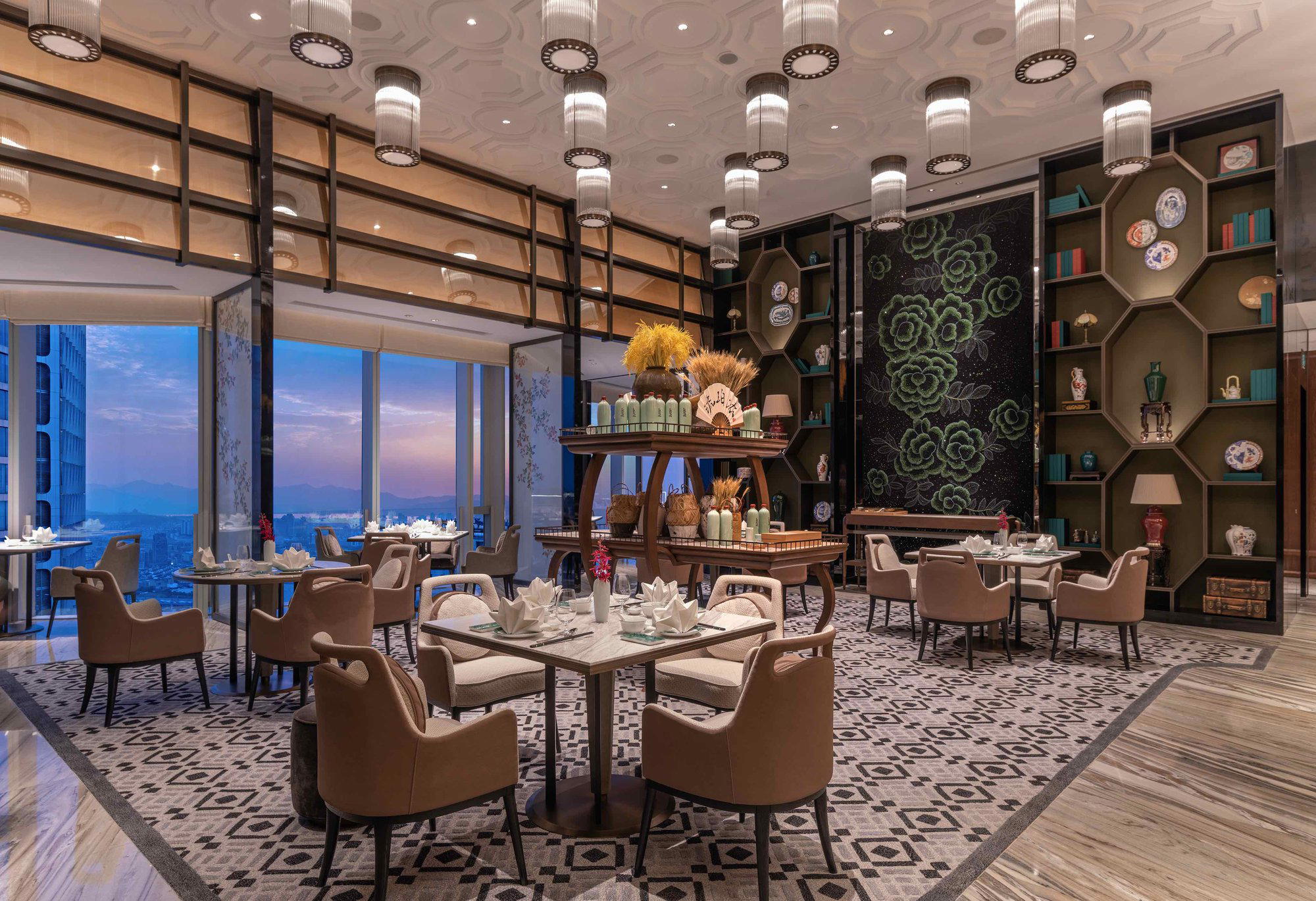
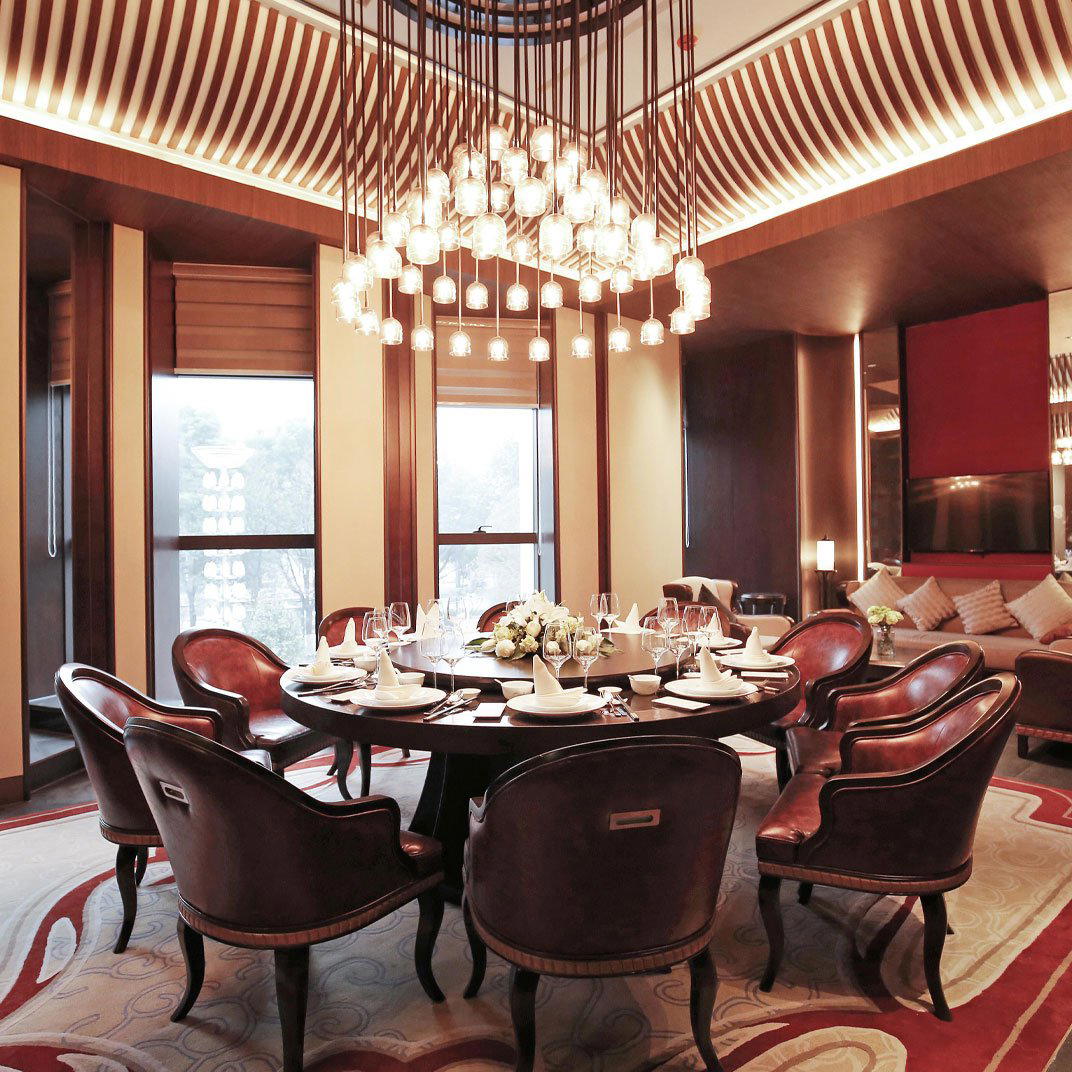
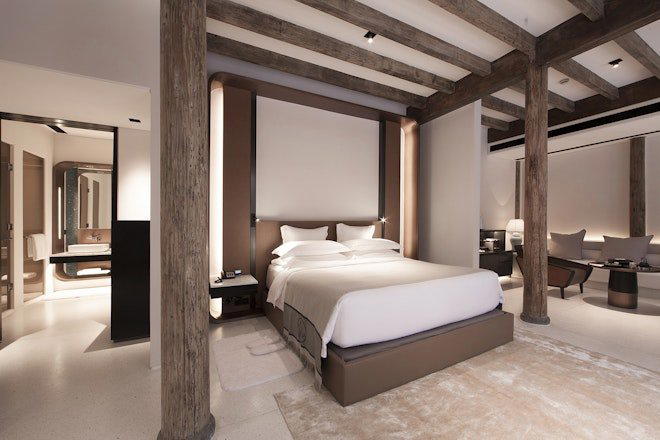
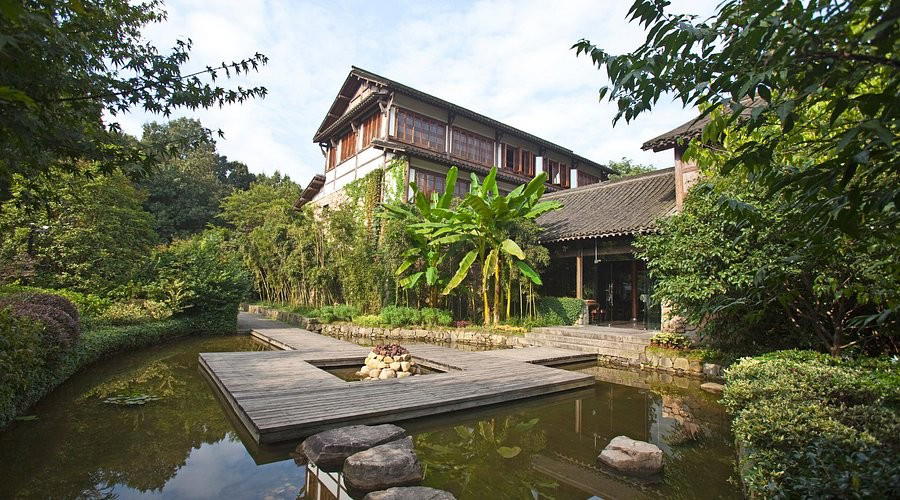
Warm woods, soft upholstery, muted palettes with flattering lighting that supports comfortable conversation; winter sun spills comfortably on window tables.