プレーガ トウキョウ occupies a prime position in Marunouchi's Nippon Life Garden Tower, placing it within one of Tokyo's most concentrated corridors of high-end dining. The wine-led format positions it in a tier where cellar depth and sommelier craft carry as much weight as the kitchen. For visitors calibrating Tokyo's premium restaurant scene, it sits in a compelling bracket alongside the city's European-influenced houses.
Pearl is the En Primeur Club membership app — saves, bookings, and concierge access live there. Same editors, same standards.
- Address
- Japan, 〒100-0005 Tokyo, Chiyoda City, Marunouchi, 1 Chome−1−3 日本生命丸の内ガーデンタワー M2F
- Phone
- +81332840030
- Website
- plaigatokyo.jp
- Directions
- Get directions
 Saves & bookings on Pearl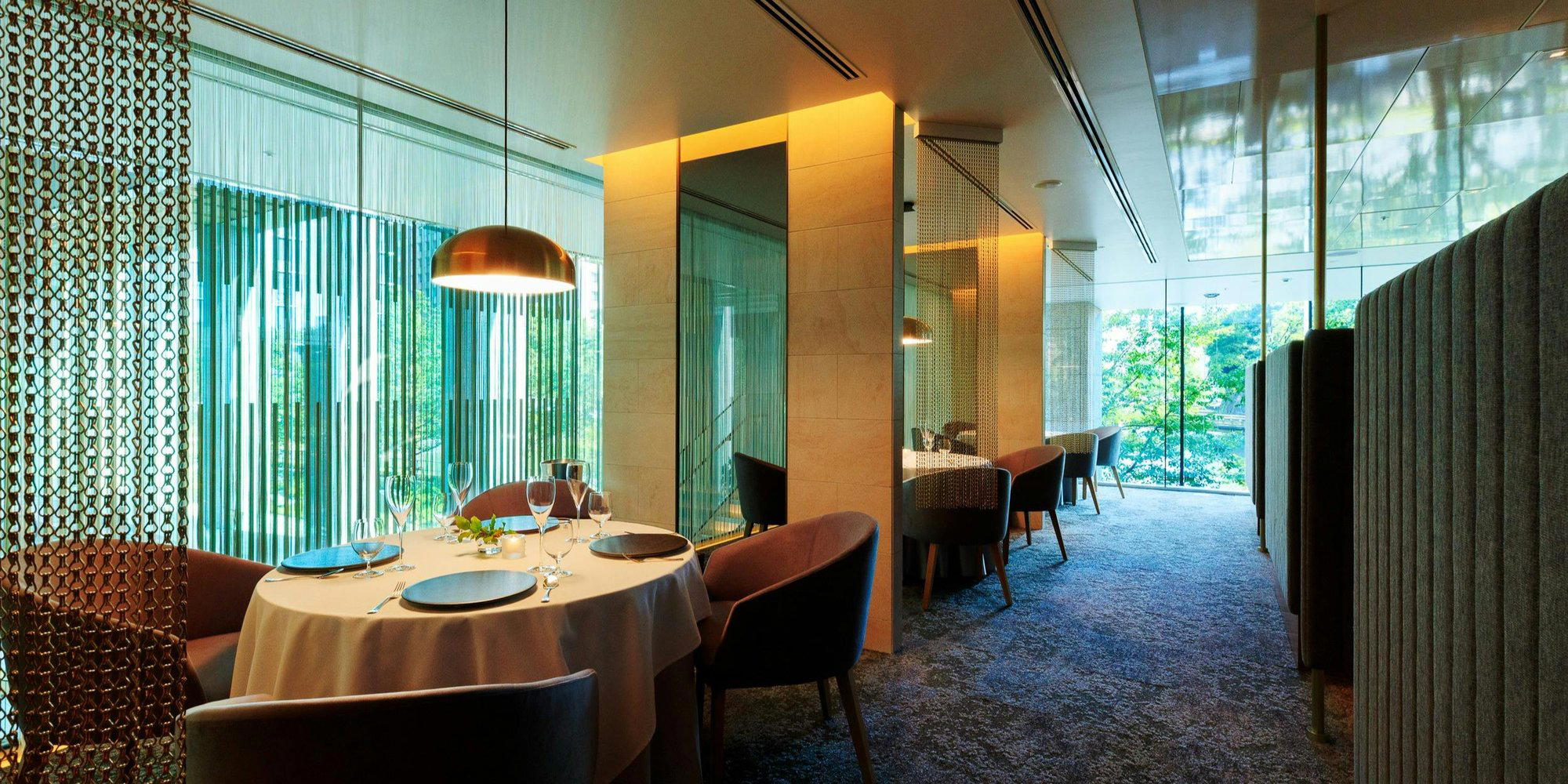
Marunouchi and the Architecture of Tokyo's Wine-Led Dining
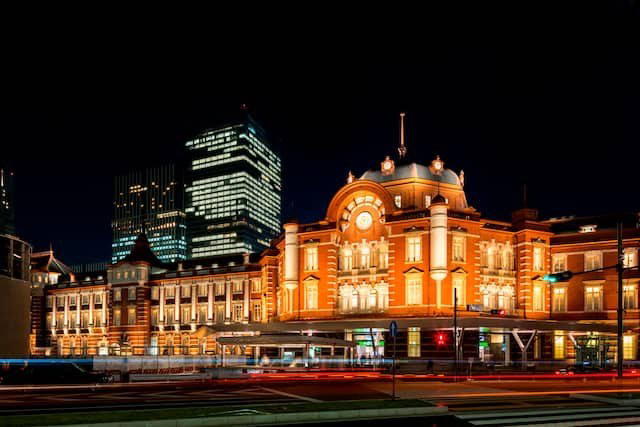
Tokyo's high-end dining corridor has never been a single neighbourhood story. While Ginza draws the headline omakase counters and Minami-Aoyama has accumulated its share of ambitious French houses, Marunouchi operates as a quieter but consequential node in the city's premium restaurant map. The district's identity is shaped by proximity to financial and corporate Tokyo, which creates a specific kind of diner: experienced, internationally travelled, and more likely to arrive with an opinion about a Burgundy vintage than about the latest trending concept. プレーガ トウキョウ, positioned at 1-1-3 Marunouchi within the Nippon Life Marunouchi Garden Tower (M2F), is placed precisely within that logic.
The building itself is a relatively recent addition to the Marunouchi skyline, part of the sustained commercial redevelopment that has repositioned the district as a destination rather than a thoroughfare. Restaurants that anchor this kind of development tend to serve a dual function: they need to perform at a level that satisfies expense-account dining while also justifying discovery from outside the immediate office geography. That is a harder brief than it sounds, and the wine programme is often the detail that tips a room from functional to worth seeking out.
The Wine-Led Model in Tokyo's European-Influenced Houses
Across Tokyo's premium tier, the relationship between kitchen ambition and cellar depth has become a meaningful differentiator. A decade ago, even well-regarded French and Italian houses in the city operated with comparatively thin wine programmes by international standards. That has shifted substantially. Properties like L'Effervescence and Sézanne have set a new benchmark for how cellars are curated at the ¥¥¥¥ tier in Tokyo, with both houses now carrying programmes deep enough to drive a pairing conversation over multiple visits. Crony represents a slightly younger cohort working in innovative French territory, where the wine list is often structured around natural and low-intervention producers rather than classic regional depth.
プレーガ トウキョウ sits within this broader movement, where the wine programme is not an afterthought appended to a kitchen-led menu but a structural part of the dining proposition. In the wine-led model, the sommelier's role shifts: pairings are not suggested as an upsell but presented as the primary lens through which the menu is intended to be read. This is a format that requires both depth of stock and depth of knowledge, and Tokyo's most serious wine houses have invested in both.
For context on how Tokyo compares to other Japanese cities with serious wine programmes, the picture is distinct. HAJIME in Osaka operates with a cellar calibrated to its three-Michelin-star French-Japanese kitchen, while Gion Sasaki in Kyoto leans more heavily into sake as the pairing vehicle. akordu in Nara has built an international reputation partly on a wine programme that prioritises Spanish producers, an unusual angle for Japan. These regional distinctions matter when calibrating what a Tokyo wine-led house is expected to deliver.
Marunouchi's comparable set and Where プレーガ トウキョウ Fits
Placing the restaurant within a competitive set requires acknowledging that the Marunouchi tier is not the same as the Ginza or Roppongi tier, even when price points converge. The Marunouchi diner tends to be a repeat visitor rather than a special-occasion arrival, which means a good wine programme carries disproportionate weight: it is what drives the third and fourth visit more reliably than a menu that rotates seasonally. Compare this to a destination counter like Harutaka, where the product itself is the draw and the beverage programme plays a supporting role, or to the kaiseki format at RyuGin, where sake integration is central to the seasonal narrative. The restaurant occupies a different axis entirely, one where European wine tradition is the primary reference point.
Internationally, the wine-led European restaurant in a major financial district has clear analogues. Le Bernardin in New York City built its reputation on fish cookery, but its cellar programme became a parallel source of authority. Atomix in New York City works in a different register entirely, using a tasting format to drive beverage pairing as both narrative and structure. These international references are useful calibration points for understanding what premium wine-led dining looks like at its most considered.
The Broader Tokyo Context: From Fukuoka to Sapporo
Tokyo's premium dining map is most usefully understood in relation to Japan's wider restaurant ecosystem. Goh in Fukuoka has drawn international attention to a city that operates at a different pace and price point than Tokyo, with a wine programme that punches above its regional standing. Further afield, restaurants like 一本杉 川嶋 in Nanao and 古仲山乃 in Sapporo represent the depth of serious dining outside the capital, while 湖畔荘 in Takashima, 羽黒屋 in Nishikawa Machi, Birdland in Sakai, and Bistro Ange in Toyohashi illustrate how distributed Japan's serious dining culture has become. For the visitor building a Japan itinerary around wine and food, Tokyo remains the anchor point, but these regional destinations are worth understanding as part of the same tradition.
Planning Your Visit
| Venue | District | Price Tier | Cuisine Type | Primary Draw |
|---|---|---|---|---|
| The restaurant | Marunouchi | ¥¥¥¥ | Modern French Seasonal Cuisine | Wine-led format, Nippon Life Tower location |
| L'Effervescence | Nishi-Azabu | ¥¥¥¥ | French | Natural wine programme, seasonal kitchen |
| Sézanne | Ginza | ¥¥¥¥ | French | Cellar depth, tasting menu format |
| Crony | Shibuya | ¥¥¥¥ | Innovative French | Low-intervention wine list, modern format |
| RyuGin | Roppongi | ¥¥¥¥ | Kaiseki | Seasonal kaiseki, sake integration |
Budget and Context
Comparable venues nearby, for context on price, style, and recognition.
| Venue | Cuisine | Price | Notes |
|---|---|---|---|
| プレーガ トウキョウThis venue — the venue you are viewing | Chiyoda, Modern French Seasonal Cuisine | $$$$ | Not listed |
| レテール | Not listed | $$$$ | Shinjuku, Modern French Seafood Counter Dining |
| ラチュレ | Not listed | $$$$ | Shibuya, Seasonal French with Japanese Game Meats |
| アピシウス | Chiyoda, Classic French Fine Dining | $$$$ | Not listed |
| カーエム | Chūō, Classic French Fine Dining | $$$$ | Not listed |
| ジランドール | Shinjuku, Modern French Brasserie | $$$$ | Not listed |


At a Glance
- Elegant
- Sophisticated
- Intimate
- Modern
- Scenic
- Date Night
- Business Dinner
- Special Occasion
- Celebration
- Private Dining
- Design Destination
- Panoramic View
- Sommelier Led
- Local Sourcing
- Sustainable
- Garden
Current opening hours
- Monday
- 11:30 AM–3 PM, 5:30–11 PM
- Tuesday
- Closed
- Wednesday
- Closed
- Thursday
- 11:30 AM–3 PM, 5:30–11 PM
- Friday
- 11:30 AM–3 PM, 5:30–11 PM
- Saturday
- 11:30 AM–3 PM, 5:30–11 PM
- Sunday
- 11:30 AM–3 PM, 5:30–11 PM
Hours can change for holidays and private events. Last verified .
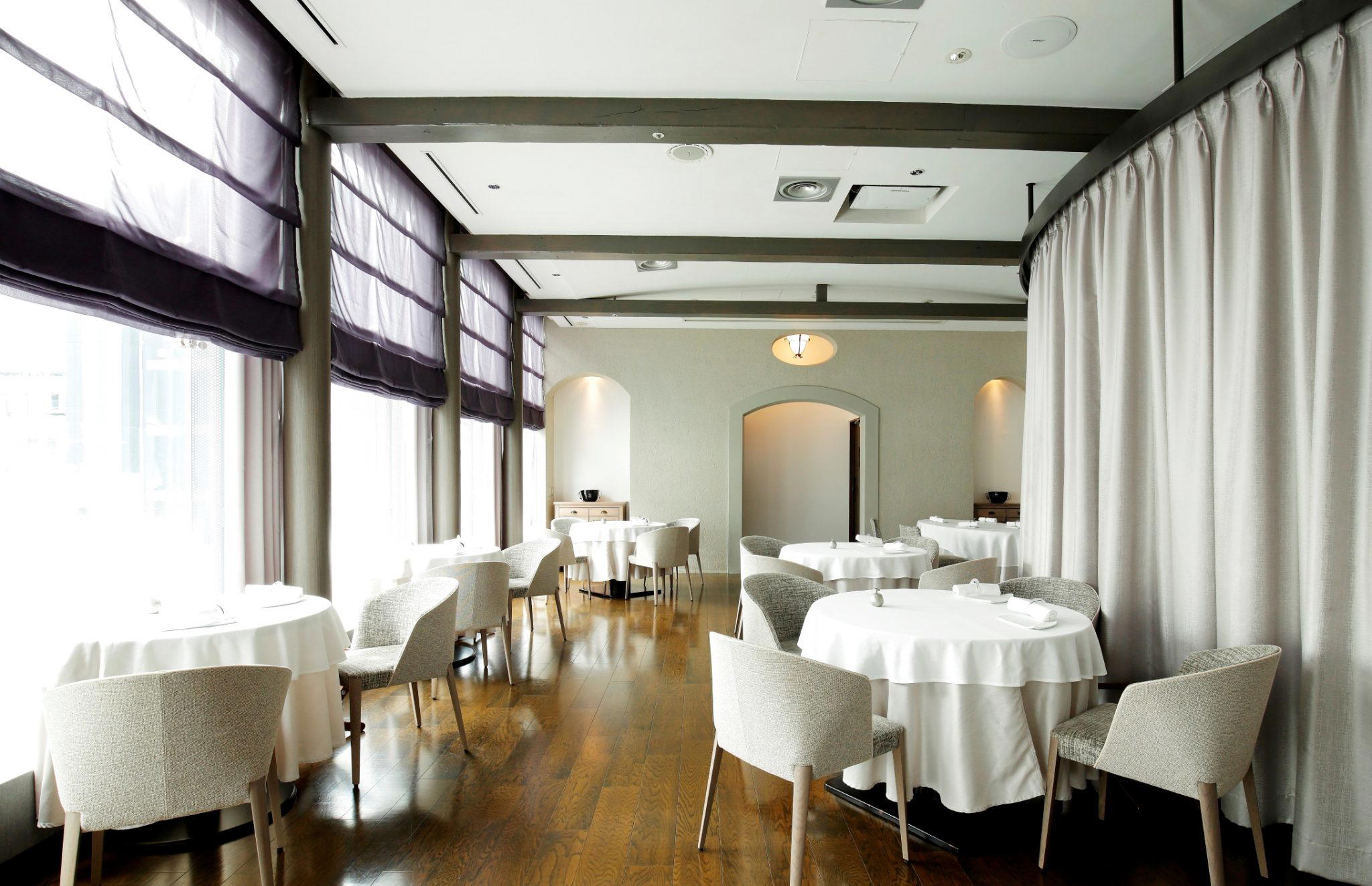
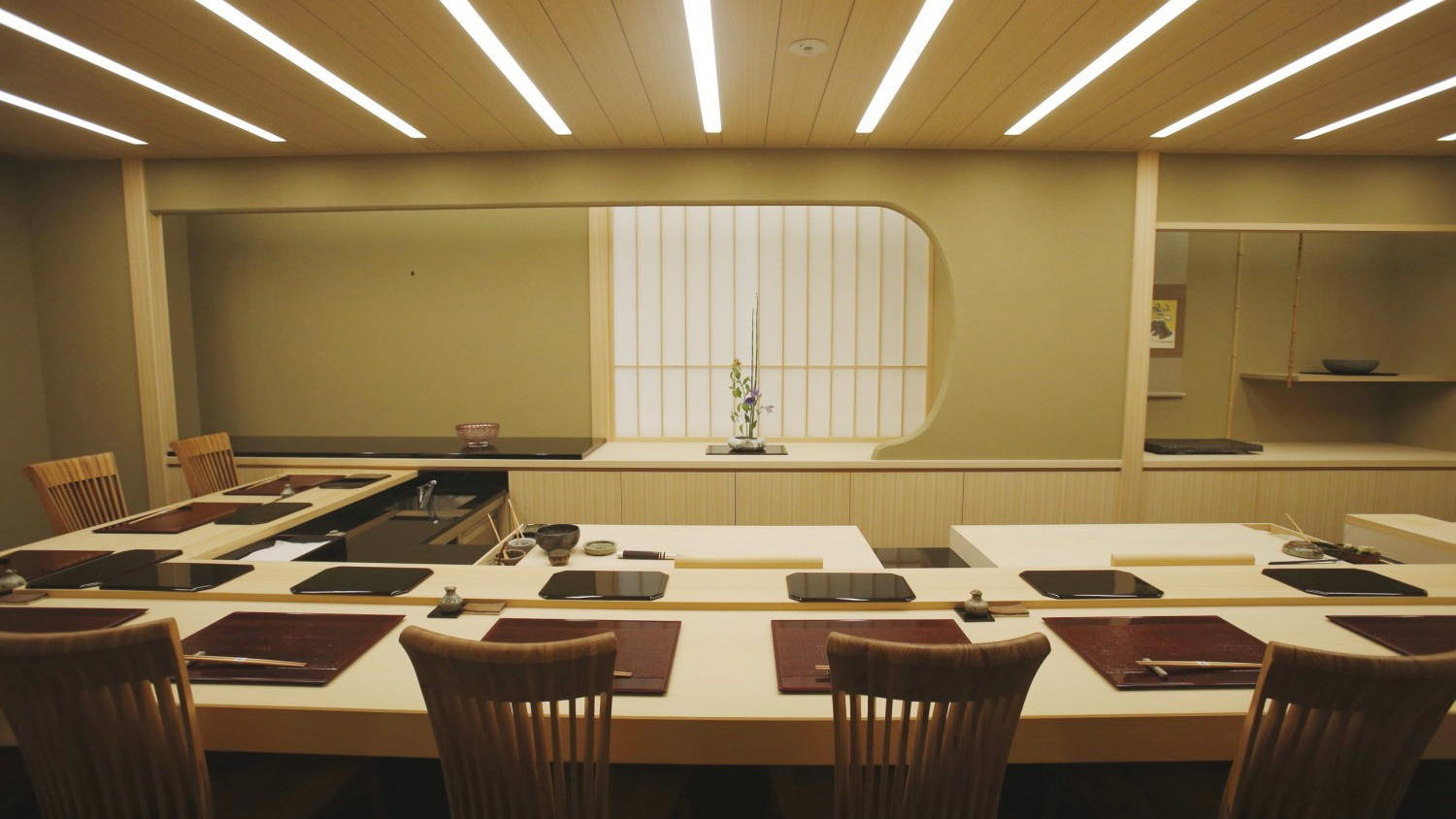
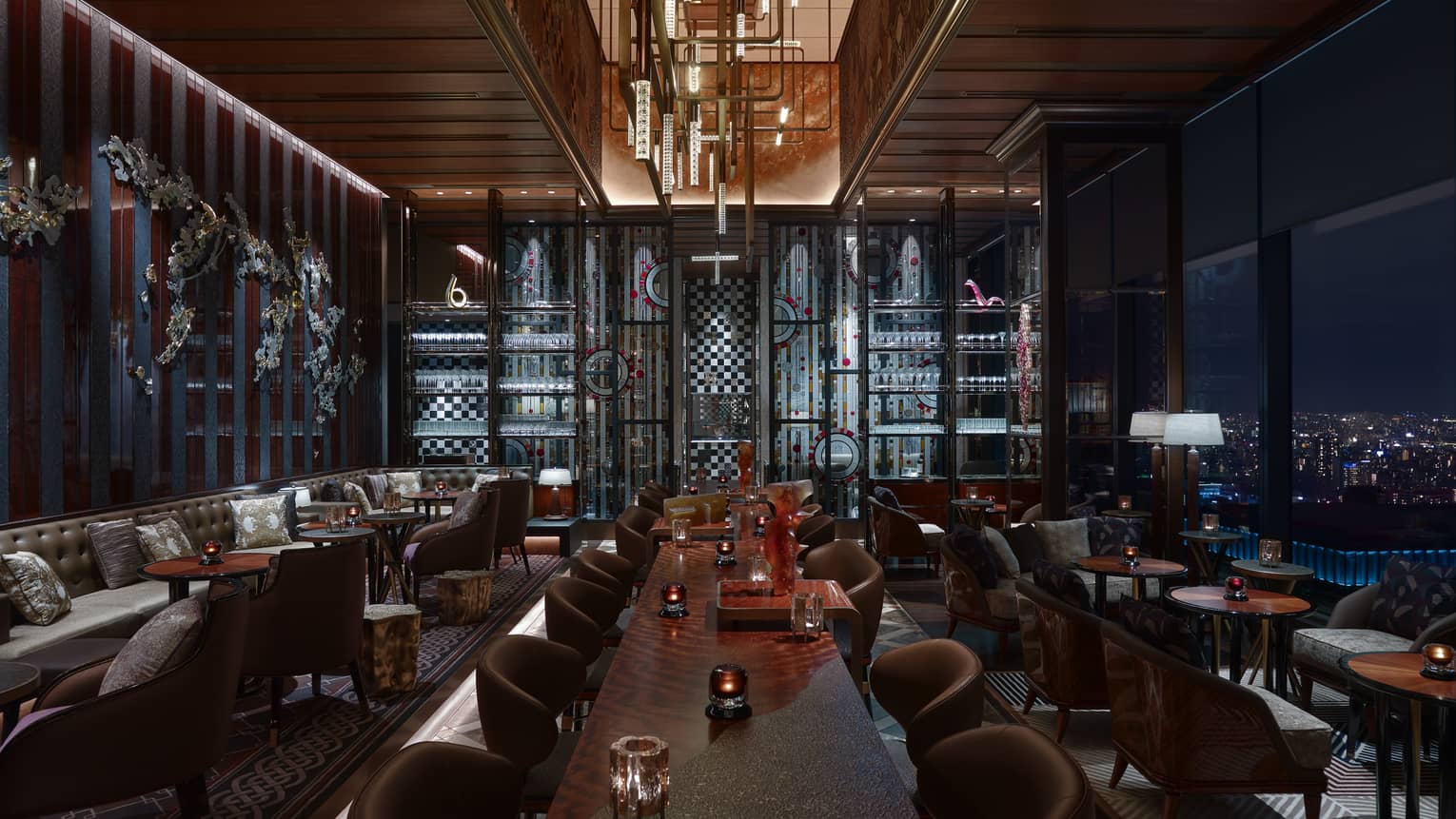
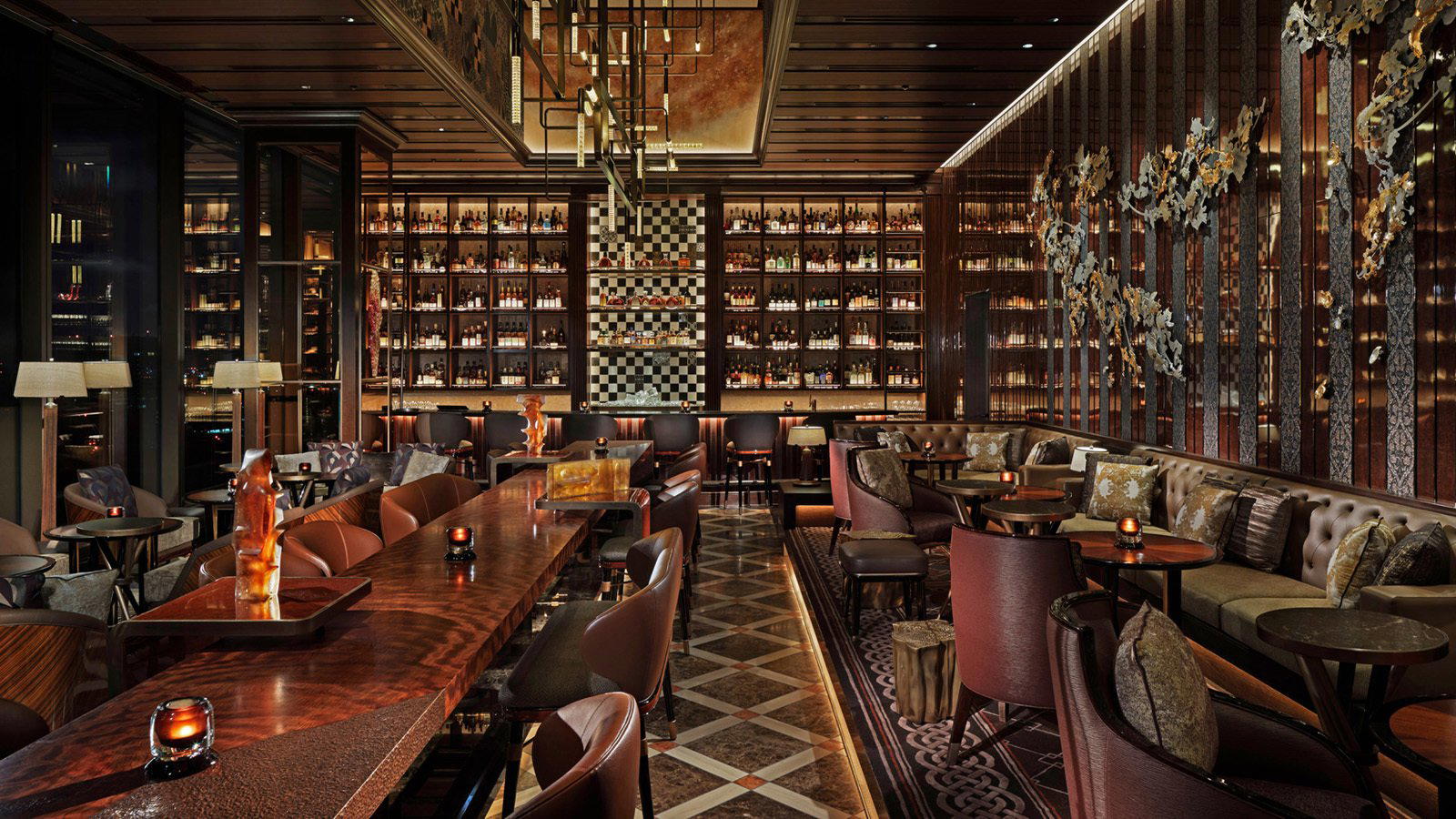
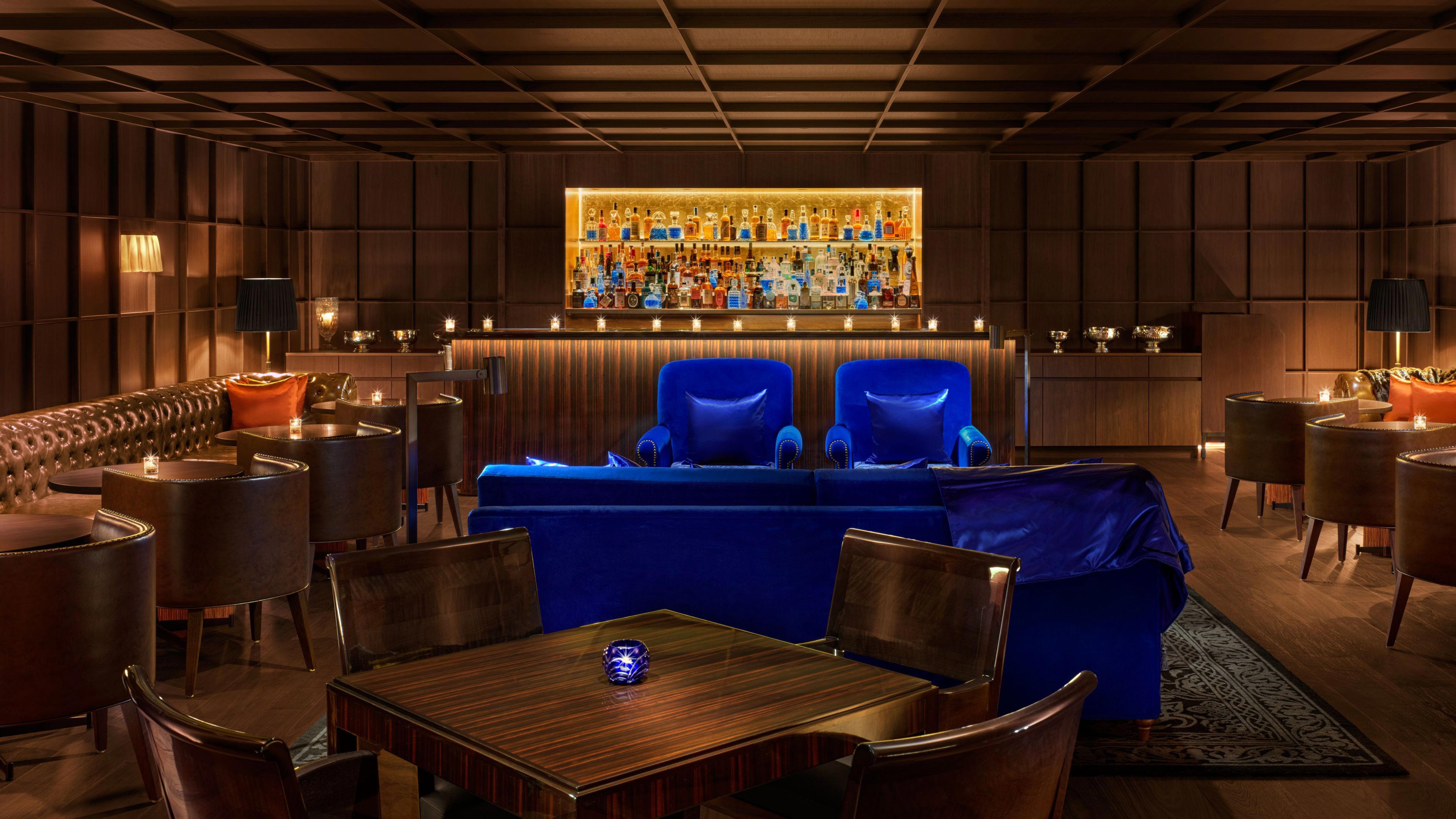
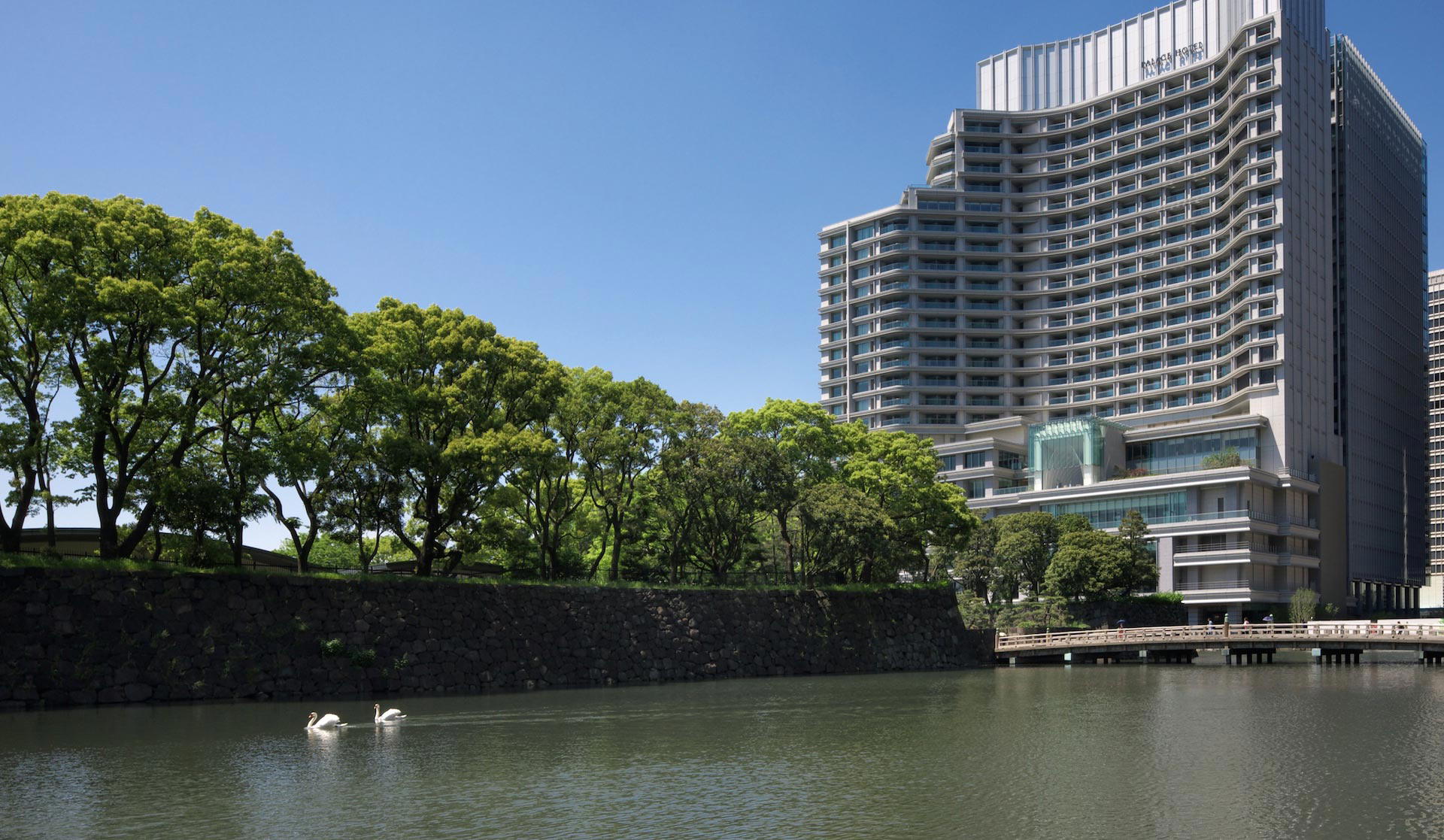
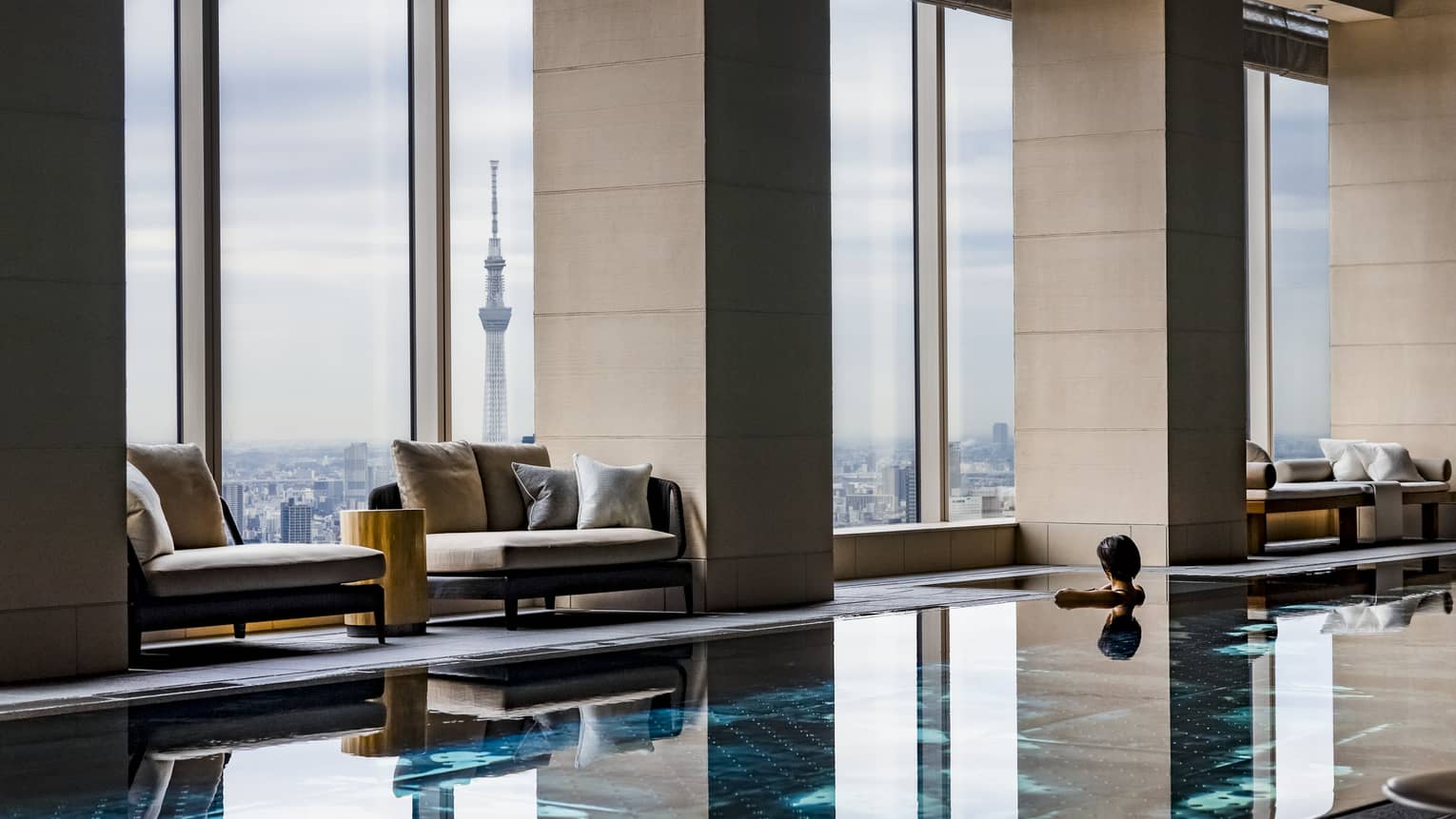
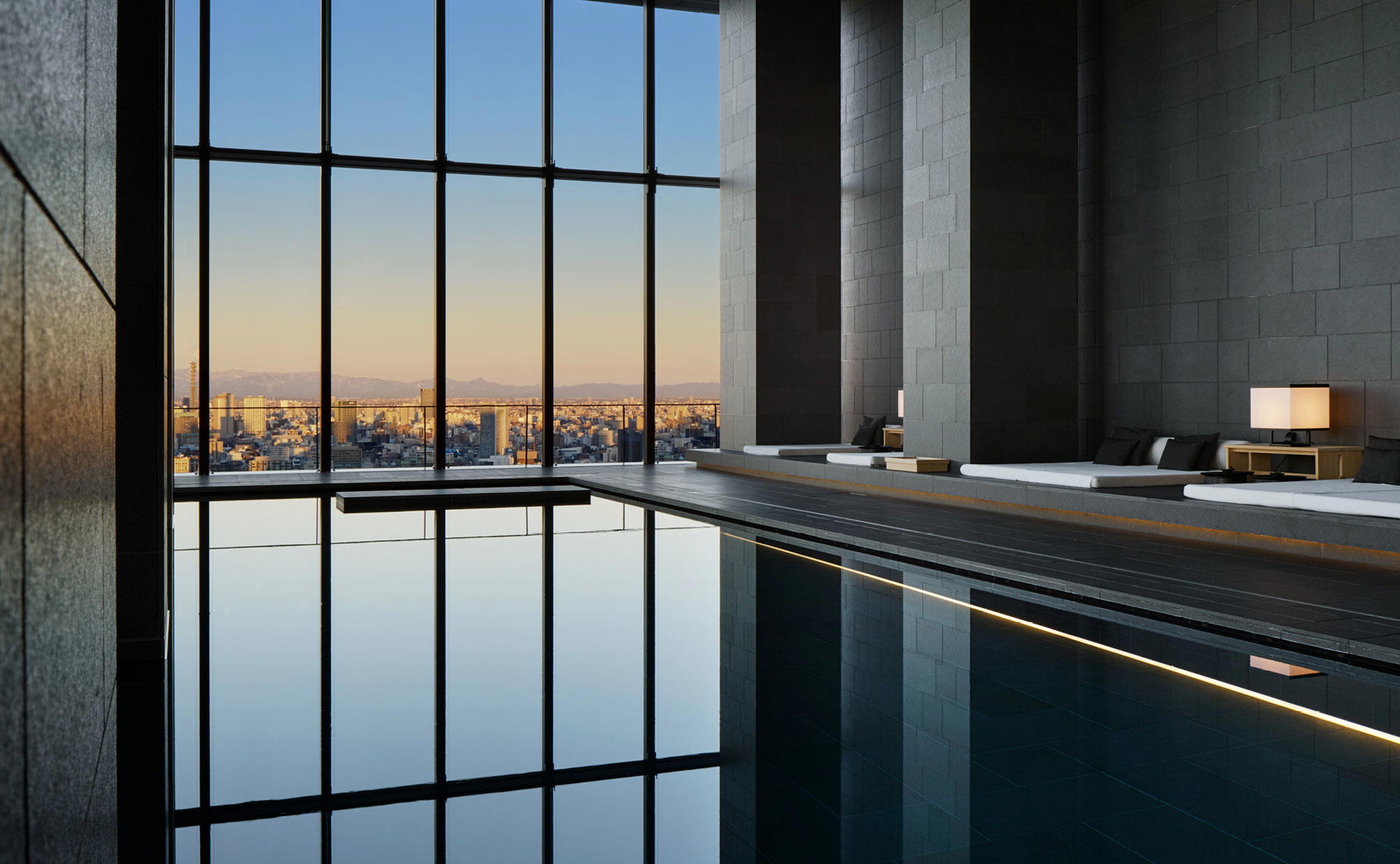
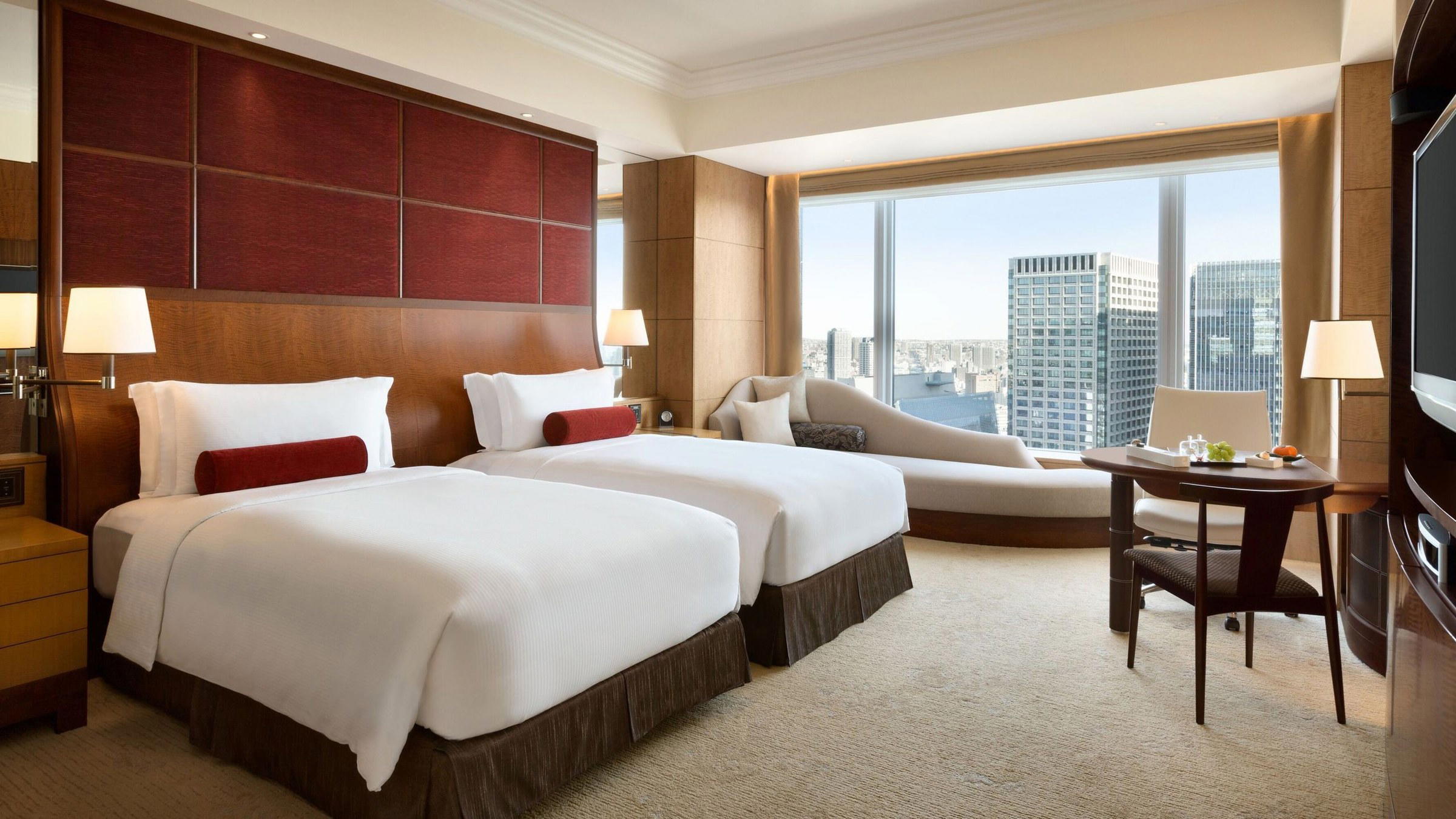
Glass-walled dining room with open, spacious atmosphere and views of the Palace Hotel and Imperial Palace gardens; minimalist, refined aesthetic with generous spacing between tables.