On a quiet Vračar street, Faro restoran sits within a Belgrade neighbourhood that has steadily attracted some of the city's more considered dining rooms. The address on Vojvode Dragomira places it away from the riverfront noise, in a residential pocket where local regulars and deliberate visitors tend to converge. For those working through Belgrade's restaurant scene beyond the obvious tourist circuit, Vračar remains a productive area to investigate.
Pearl is the En Primeur Club membership app — saves, bookings, and concierge access live there. Same editors, same standards.
- Address
- Vojvode Dragomira 4, Beograd 11000, Serbia
- Phone
- +38166218433
- Website
- faro.rs
- Directions
- Get directions
 Saves & bookings on Pearl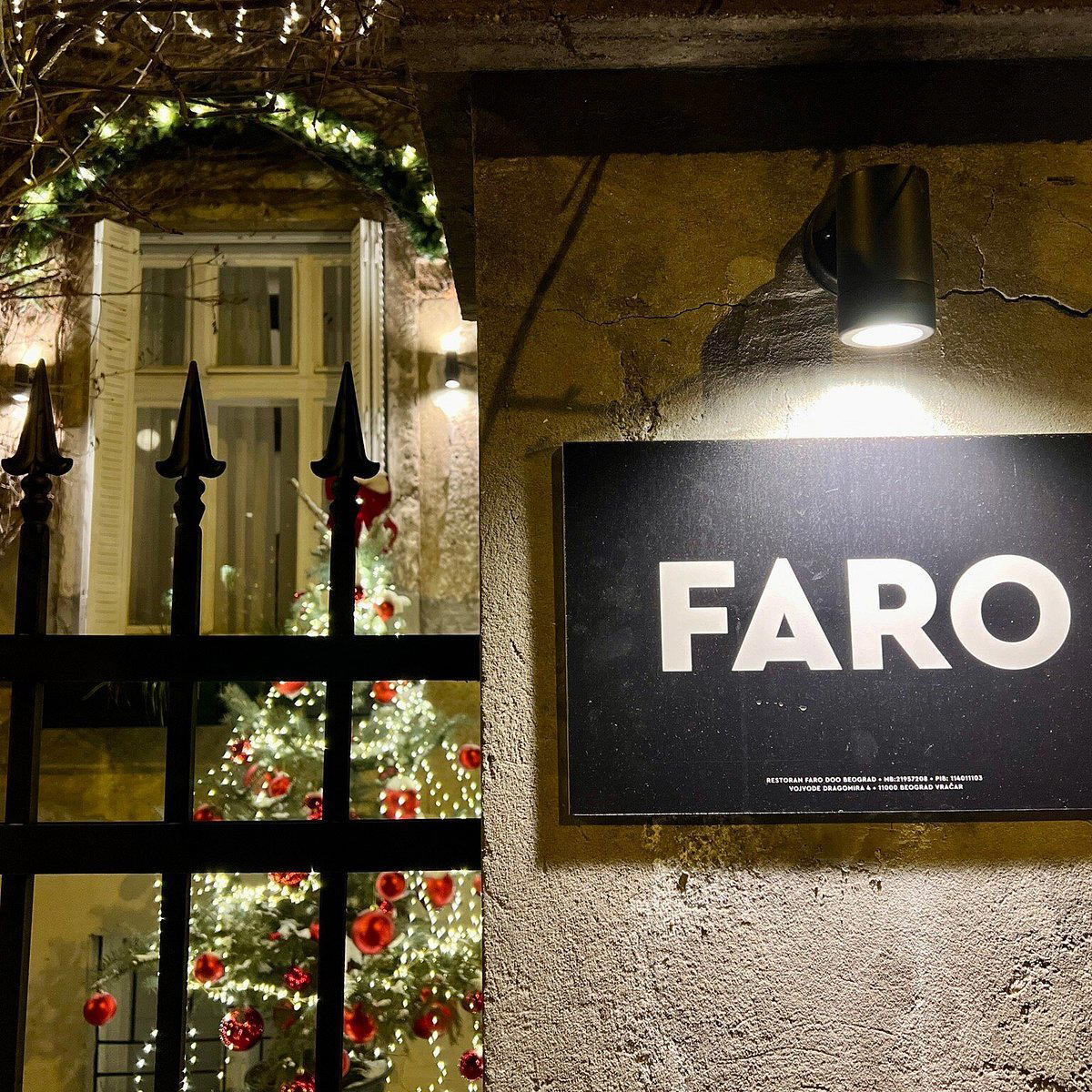
Vračar and the Quieter Side of Belgrade Dining
Belgrade's dining conversation tends to cluster around the riverfront, Savamala's converted warehouses, and the older Skadarlija bohemian quarter. Vračar operates differently. The neighbourhood sits on a plateau south of the old city core, dense with pre-war apartment buildings, neighbourhood kafanas, and a growing number of restaurants that draw on local custom rather than tourist throughput. Vojvode Dragomira 4, where Faro restoran operates, sits inside that residential fabric rather than adjacent to it. That positioning shapes the kind of room and the kind of service culture you encounter: less performative, more embedded in the rhythm of the street around it.
In Serbian cities, neighbourhood restaurants occupy a distinct role in the dining hierarchy. They are not destination restaurants in the way that Langouste or The Square function, where the menu is an explicit argument and the room is curated to enforce it. Neighbourhood rooms like Faro exist in a register where regularity of visit matters, where the front-of-house team carries institutional knowledge about what a given table orders, and where the relationship between kitchen and dining room accumulates over time rather than being staged anew for each service. That is not a lesser ambition; it is a different one.
The Collaboration at the Centre of the Room
What distinguishes better neighbourhood restaurants from merely convenient ones is almost always the coherence of their team. In Belgrade's Vračar specifically, the gap between restaurants that feel managed and those that feel inhabited is largely explained by how well the kitchen, the floor staff, and, where wine is taken seriously, a sommelier or informed server communicate with one another during service. The kitchen sets a direction; the front-of-house interprets and extends it toward the guest; the person guiding drinks closes the loop. When those three functions operate as a conversation rather than parallel monologues, the result is a dinner that feels considered without being effortful to sit through.
Belgrade's dining scene has developed this kind of internal team coherence more visibly at its upper tier, at rooms like Ambar and Avala, where a clearly articulated concept gives each department a shared reference point. The interesting question for neighbourhood restaurants is whether that coherence can exist without a high-concept framework around it. In Serbia, the answer often comes through food that references local tradition with enough specificity that the kitchen, the server describing it, and the drink pairing all have something to anchor to. Regional ingredients, seasonal availability, and Balkan culinary grammar provide that shared vocabulary even in rooms without a formal tasting menu structure.
Vračar in the Belgrade Context
For visitors approaching Belgrade's restaurant scene with some background, it helps to understand how the city's neighbourhoods divide. Savamala draws the creative-industrial crowd and restaurants built for visibility. Stari Grad contains both tourist-facing traditional rooms and some of the city's more serious contemporary addresses. Vračar is different: it functions as a residential area with genuine local patronage, and its restaurants reflect that. The competition set for a Vračar address is not the high-investment destination rooms downtown but rather the neighbourhood's own supply of kafanas, grills, and the newer generation of mid-register restaurants that have moved in as the area's demographic has shifted younger and more internationally oriented.
Within that neighbourhood set, a restaurant that approaches its work with care about sourcing, service rhythm, and drink selection occupies a distinct position. It is not competing with Barrel House for the same customer, nor with the riverfront kafanas. It is competing for the local who wants dinner to be a reliable pleasure rather than either a quick refuel or a significant occasion. That is a competitive space across Serbian cities, from Ananda in Novi Sad to Borkovac in Ruma, where restaurants with real kitchen commitment serve communities that might not generate the kind of media attention that puts a room on an international list.
Serbian Dining Tradition and the Neighbourhood Register
Serbia's restaurant culture carries a strong tradition of hospitality as extension of domestic warmth rather than professional performance. The distinction matters because it shapes what front-of-house service is expected to deliver. In a kafana, the host knows the guests; in a formal restaurant, the service is structured and procedural. Neighbourhood restaurants in places like Vračar tend to occupy the middle register: professional in execution but warm in manner, with servers who remember preferences and tables that do not feel anonymous. This tradition is visible across Serbian restaurant culture, from the fish-focused rooms along the Danube, like Čarda Zlatna Kruna in Apatin, to ethno-style rooms further south such as Etno Podrum Brka in Niš and Etno Restoran Fijaker in Sombor.
At the neighbourhood level, the front-of-house relationship with the guest is often more consequential than any individual dish. A server who can explain what arrived that morning, what the kitchen is doing well this week, and which local wine sits alongside it adds more value than a printed description ever could. In this respect, neighbourhood restaurants in Belgrade's residential zones are practising a form of hospitality intelligence that larger, more theatrical rooms sometimes sacrifice in the interest of consistency and scale. For a point of comparison at a different scale and formality, consider how the same underlying principle, informed servers bridging kitchen and guest, operates at rooms like Le Bernardin in New York City or Lazy Bear in San Francisco, where the team dynamic is a deliberate design choice rather than organic habit.
Planning a Visit
Faro restoran Vračar is located at Vojvode Dragomira 4 in Belgrade's Vračar municipality, a ten-to-fifteen minute walk or short taxi ride from the city centre. The neighbourhood is most comfortably approached on foot from the direction of Slavija Square, which also gives a sense of Vračar's residential scale before you arrive. Those interested in the wider Serbian dining picture will find useful context in regional addresses such as Fleur de Sel in Novi Slankamen, Aleksandar Gold in Uzice, Cafe Boem in Pirot, Etno Kuća Dinar in Vrsac, and Burrito Madre Big Pančevo in Pančevo. Faro restoran Vračar is recommended for reservations, and it is open Tuesday through Sunday from 12 PM to 12 AM, with Monday closed.
In Context: Similar Options
Comparable venues nearby, for context on price, style, and recognition.
| Venue | Cuisine | Price | Notes |
|---|---|---|---|
| Faro restoran VračarThis venue — the venue you are viewing | Modern Serbian | $$$ | Not listed |
| RESTORAN BABAROGA | Serbian Steakhouse | $$$ | Zvezdara |
| Restoran Muskat | Modern Serbian Cuisine | $$$ | Novi Belgrade |
| Srpska kafana | Authentic Serbian Kafana | $$ | Old Town |
| Klub Košutnjak | Serbian Game Meat | $$ | Košutnjak |
| Crna Ovca | Artisanal Ice Cream Shop | $$ | Stari Grad |
At a Glance
- Elegant
- Cozy
- Modern
- Intimate
- Date Night
- Special Occasion
- Family
- Business Dinner
- Garden
- Extensive Wine List
- Organic
- Garden
Current opening hours
- Monday
- Closed
- Tuesday
- 12 PM–12 AM
- Wednesday
- 12 PM–12 AM
- Thursday
- 12 PM–12 AM
- Friday
- 12 PM–12 AM
- Saturday
- 12 PM–12 AM
- Sunday
- 12 PM–12 AM
Hours can change for holidays and private events. Last verified .
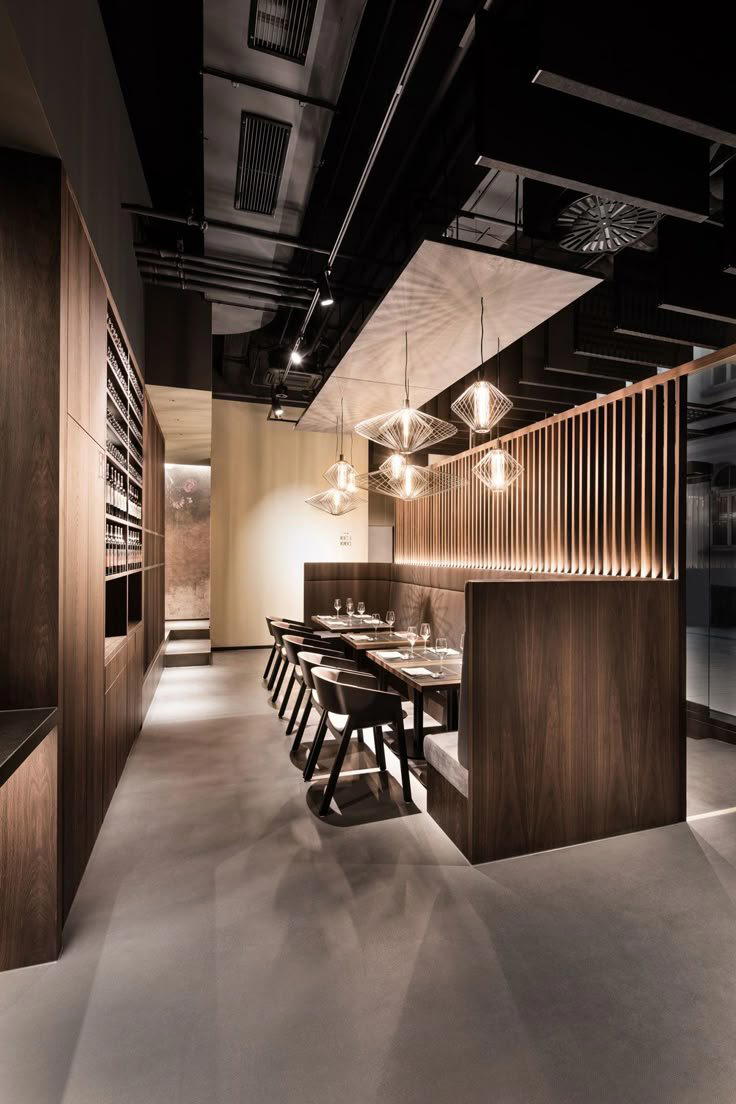
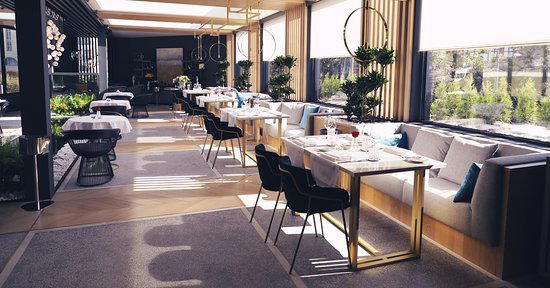
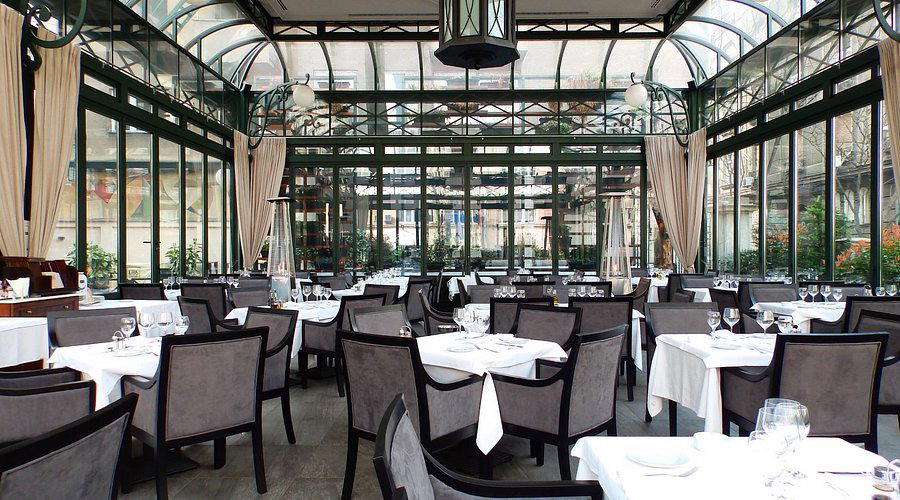
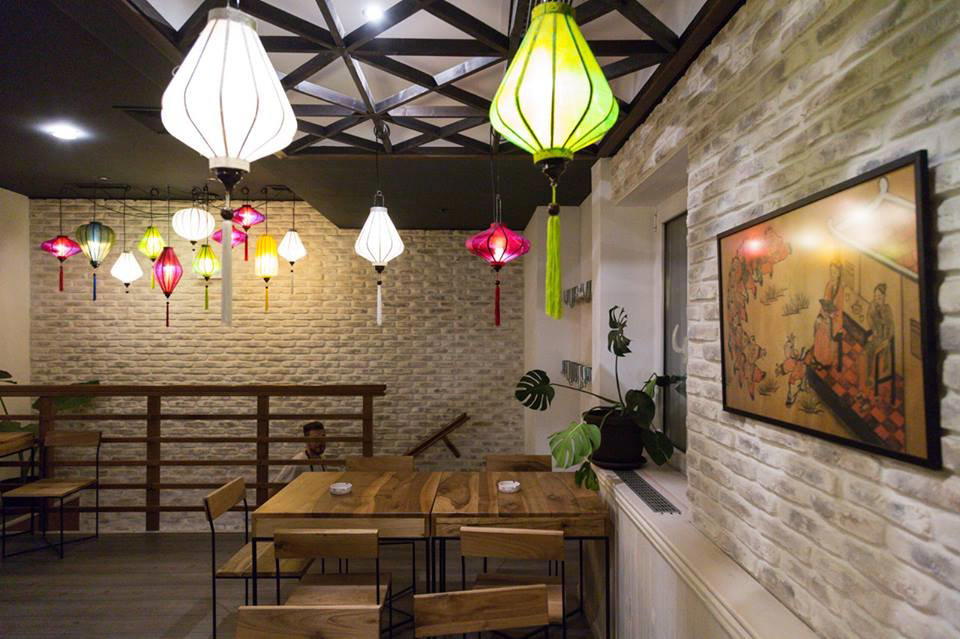
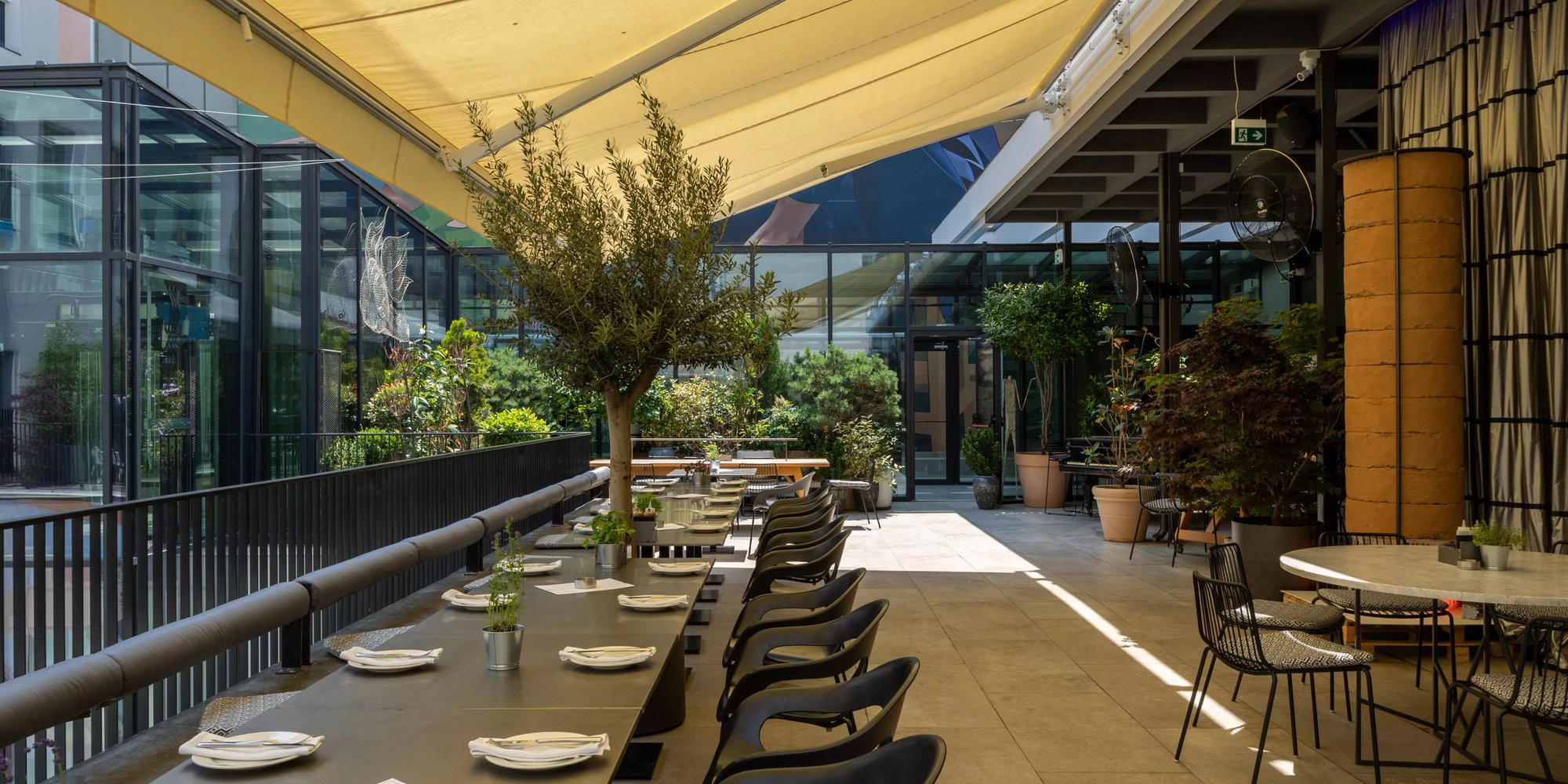
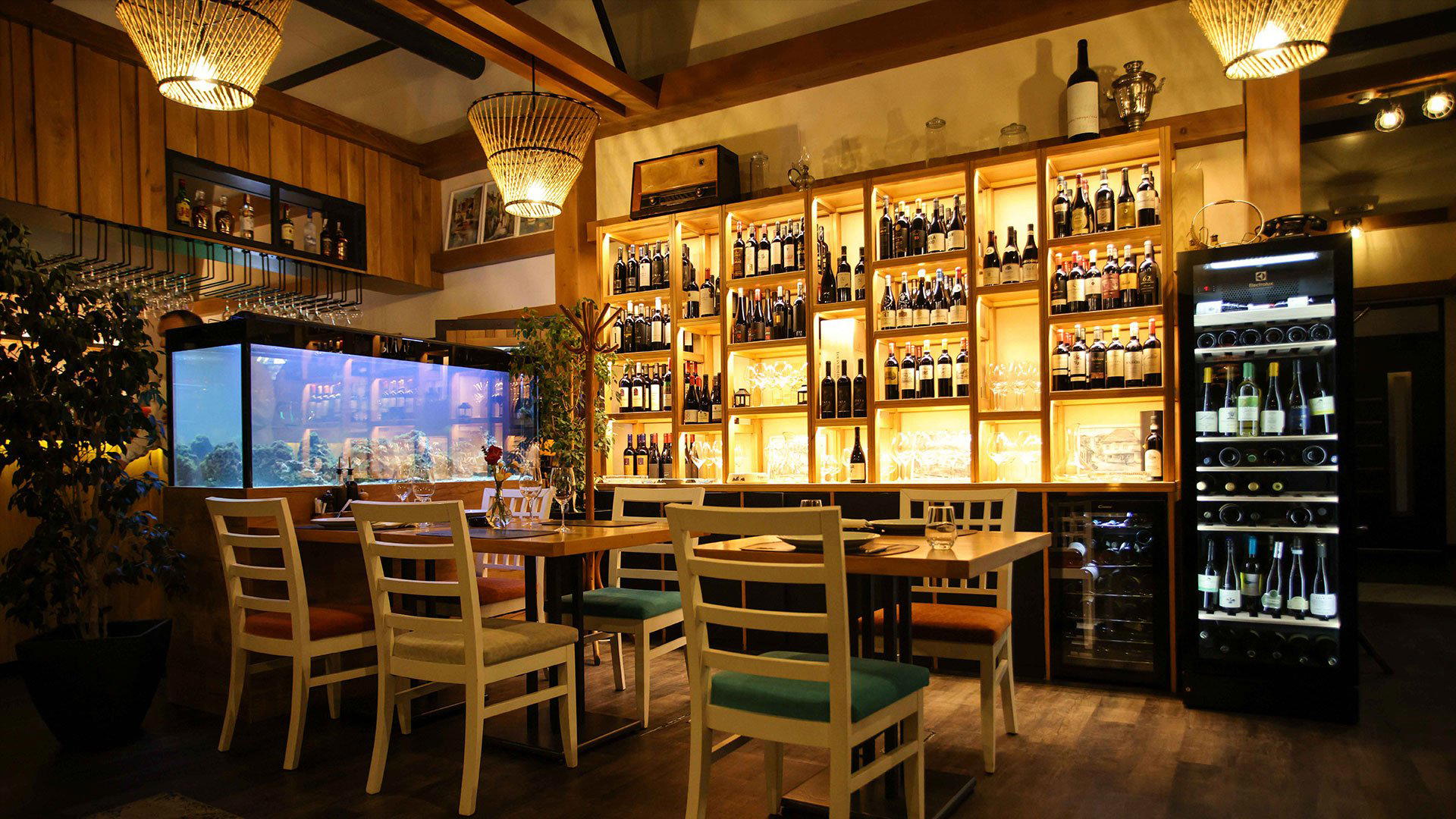
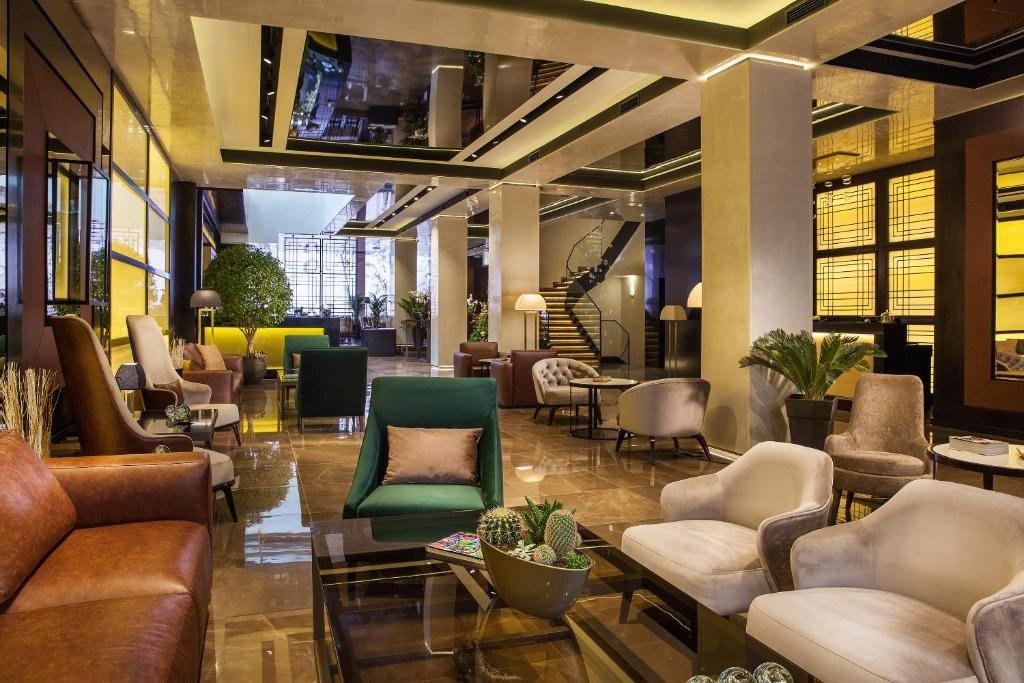
Elegant and inviting interior with artistic paintings and sculptures, complemented by a dramatic lush outdoor garden well-suited for romantic dinners or gatherings.