On Severni bulevar in northern Belgrade, Restoran Babaroga operates in a part of the city that rewards deliberate visitors over casual passers-by. The address places it outside the dense restaurant corridor of Stari Grad, in a residential stretch where longevity signals genuine local loyalty rather than tourist traffic. For Belgrade's growing circle of sustainability-aware diners, that positioning carries its own meaning.
Pearl is the En Primeur Club membership app — saves, bookings, and concierge access live there. Same editors, same standards.
- Address
- Severni bulevar 2, Beograd 11000, Serbia
- Phone
- +381112790538
- Website
- restoranbabaroga.com
- Directions
- Get directions
 Saves & bookings on Pearl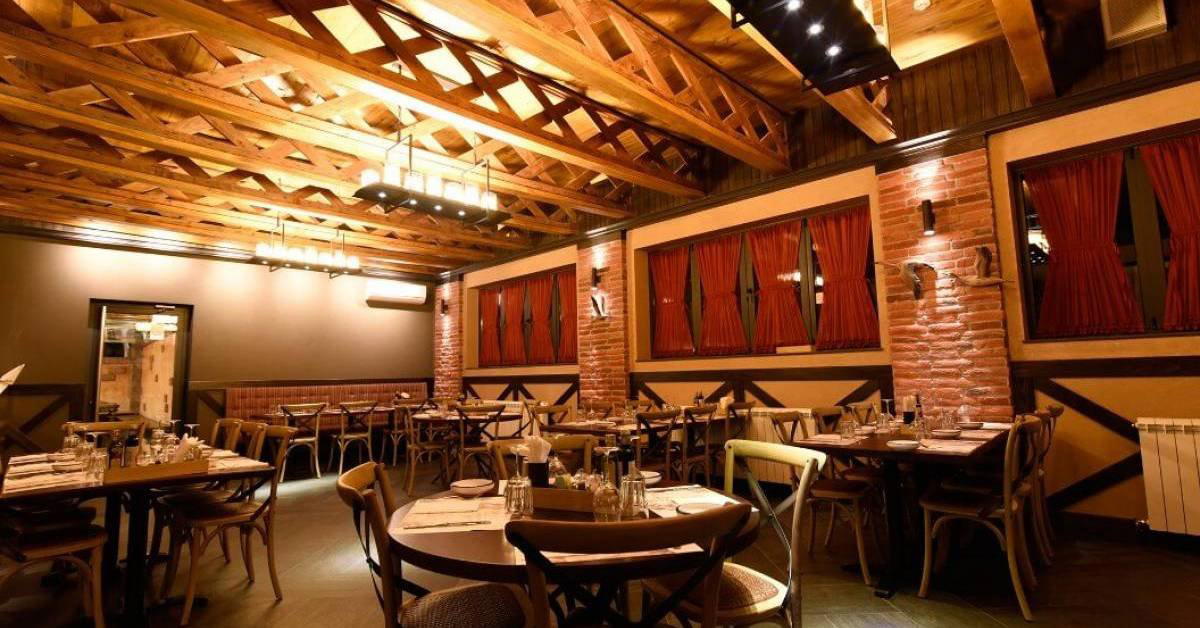
A Northern Belgrade Address That Asks Something of You
Severni bulevar, the address where Restoran Babaroga operates, runs through a residential stretch of northern Belgrade that sits at a remove from the high-turnover dining corridor around Skadarlija and the Stari Grad core. That friction, in dining terms, is often a reliable filter: the room fills with people who came specifically, and that specificity tends to shape what a kitchen feels licensed to cook.
Belgrade's restaurant scene has broadened considerably over the past decade. The city now holds a range of formats that would not have existed fifteen years ago, from the modern cuisine programs at Langouste and The Square to the Balkan sharing-format approach at Ambar. Within that spread, neighbourhood-rooted addresses outside the tourist circuit occupy a distinct position. They operate on local repeat custom rather than seasonal visitor traffic, which changes the calculus around sourcing, pricing, and menu consistency.
Sustainability as Practice, Not Positioning
Across European cities, the conversation around sustainable restaurant practice has fragmented into two observable camps. One camp treats sustainability as a marketing layer: seasonal language on menus, a few local producers named in the small print, and little structural change to how a kitchen actually operates. The other camp treats it as an operational discipline, building supplier relationships that prioritise provenance and waste reduction at the cost of some menu flexibility. Serbian restaurants, particularly those operating outside the high-visibility fine dining tier, have historically leaned toward the second model by necessity rather than philosophy, regional supply chains, direct farm relationships, and whole-animal or whole-vegetable cooking are embedded in the tradition of Serbian domestic food culture long before they became international talking points.
That tradition has a direct bearing on what a restaurant like Restoran Babaroga represents in the city's dining geography. Severni bulevar is residential Belgrade, the kind of neighbourhood where a restaurant's supply chain is often visible, where the same producers appear week after week, and where a kitchen's relationship to seasonal availability is shaped by practical logistics rather than menu theatre. Compared to the more internationally styled programs found in central Belgrade, addresses in this part of the city tend to work within tighter, more locally determined ingredient sets. The constraint produces a different kind of cooking.
Serbia's agricultural output gives Belgrade kitchens access to a serious range of domestic ingredients: Vojvodina grain and vegetables, Šumadija pork and lamb, Morava valley stone fruit, Danube river fish. The question for any restaurant is how deliberately it uses that access. Restaurants that build menus around what the domestic supply chain offers in a given week rather than what a standardised seasonal menu requires tend to produce food that shifts meaningfully across the year, a slower, less legible form of consistency, but one that rewards returning visitors more than first-timers looking for a fixed reference point.
Where Babaroga Sits in Belgrade's Wider Table
Mapping Restoran Babaroga against Belgrade's broader restaurant spread requires some triangulation. The city's dining scene divides roughly along two axes: price tier and format register. At the higher end, modern cuisine programs with wine programs and longer tasting formats operate in a different competitive set from mid-market neighbourhood restaurants. Avala and Barrel House represent other points on that map, each occupying a distinct register. A Severni bulevar address, removed from the central cluster, suggests a restaurant operating closer to the neighbourhood anchor model than the destination dining model.
That model has its own logic. Destination restaurants depend on a throughput of first-time visitors willing to travel for a single experience. Neighbourhood anchors depend on a smaller, more loyal base of regulars whose continued return validates the kitchen's direction. The two models produce different menus, different service registers, and different relationships to consistency. Neither is superior; they are different contracts with the diner.
For context across the wider Serbian dining geography, it is worth noting that the country holds a range of strongly regional restaurant traditions. Kod Brana in Cacak, Lovački dom in Valjevo, and Etno Kuća Dinar in Vrsac each reflect how Serbian cooking varies by region and how local sourcing practices shape what ends up on the plate. Belgrade absorbs and refracts all of those regional traditions, and restaurants outside the tourist centre tend to be more direct inheritors of them than those operating in the high-visibility zones.
Planning a Visit
The restaurant is located at Severni bulevar 2, in northern Belgrade, a tram or short taxi ride from the city centre, and an address that requires more intention than the walk-in traffic zones of Skadarlija or the Savamala district. The restaurant is open daily from 11 AM to 11 PM. The surrounding area is residential, which means parking is generally easier than in central Belgrade, and the approach on foot from a tram stop gives a sense of the neighbourhood that arriving by car does not.
Beyond the capital, Kafe Restoran Maša in Novi Sad, Windmill in Pancevo, and Čarda Zlatna Kruna in Apatin offer useful regional comparisons for understanding how Serbian restaurant culture operates outside the capital.
Cuisine Lens
Comparable venues nearby, for context on price, style, and recognition.
| Venue | Cuisine | Price | Notes |
|---|---|---|---|
| RESTORAN BABAROGAThis venue — the venue you are viewing | Serbian Steakhouse | $$$ | Not listed |
| Znak pitanja (?) | Traditional Serbian Kafana | $$ | Stari Grad |
| Restoran Kolo | Modern Serbian Balkan | $$ | Belgrade Waterfront |
| RESTORAN GRAFIČAR | Traditional Serbian Barbecue | $$ | Dedinje |
| RESTORAN OPERA | Serbian & International | $$ | Stari Grad |
| JB Pivnica | Traditional Serbian Family Restaurant | $$ | Belgrade |
At a Glance
- Cozy
- Rustic
- Elegant
- Group Dining
- Family
- Special Occasion
- Garden
- Terrace
- Extensive Wine List
- Garden
Current opening hours
- Monday
- 11 AM–11 PM
- Tuesday
- 11 AM–11 PM
- Wednesday
- 11 AM–11 PM
- Thursday
- 11 AM–11 PM
- Friday
- 11 AM–11 PM
- Saturday
- 11 AM–11 PM
- Sunday
- 11 AM–11 PM
Hours can change for holidays and private events. Last verified .
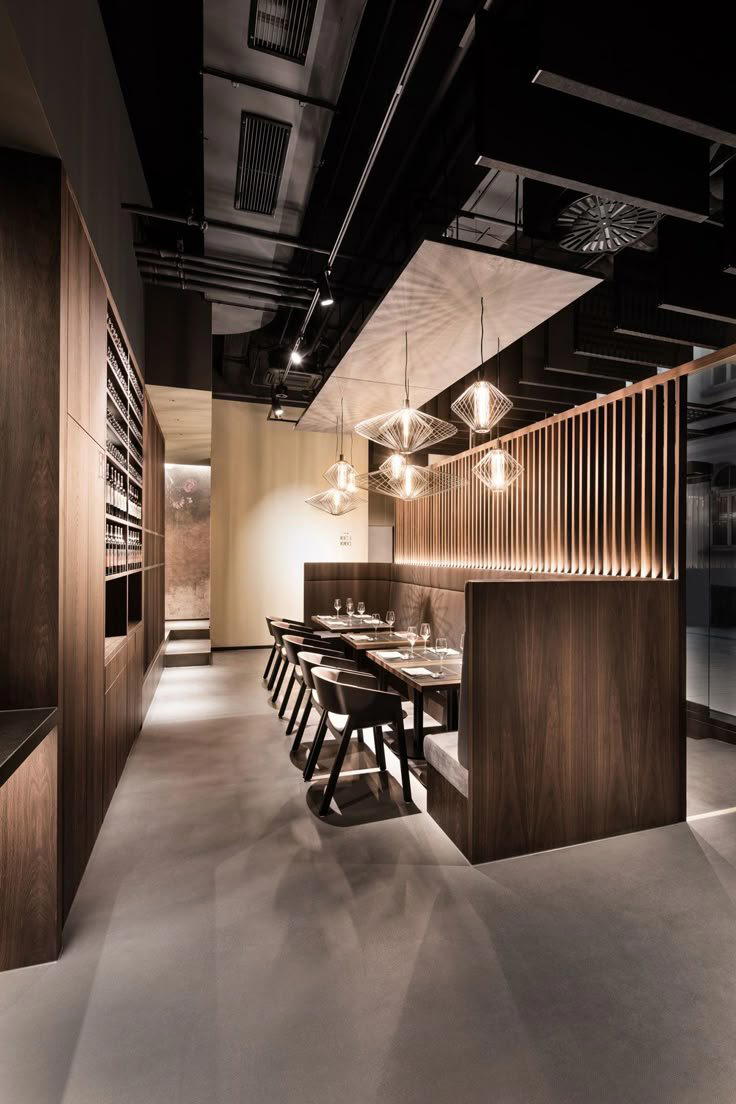
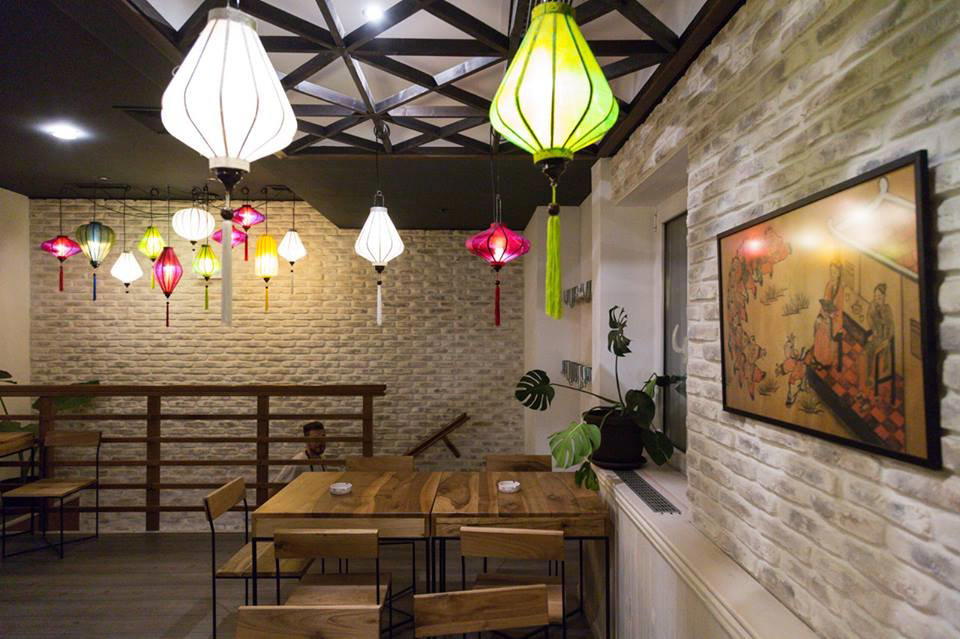
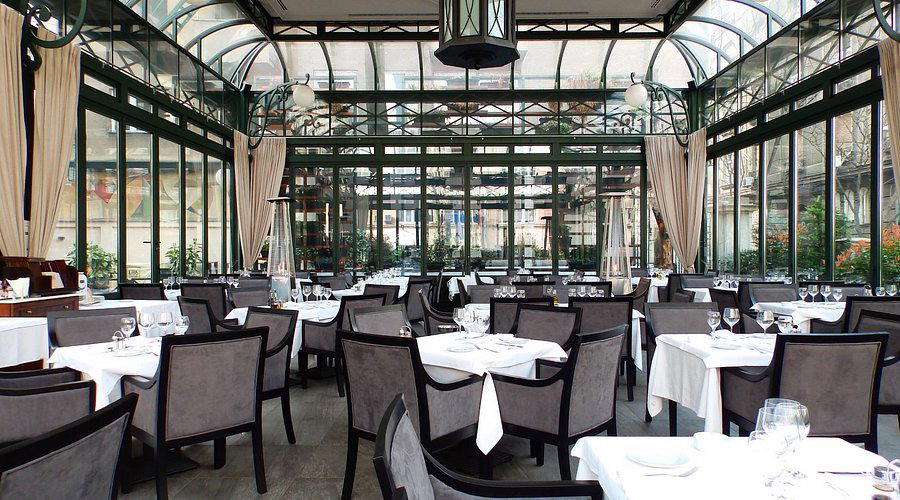
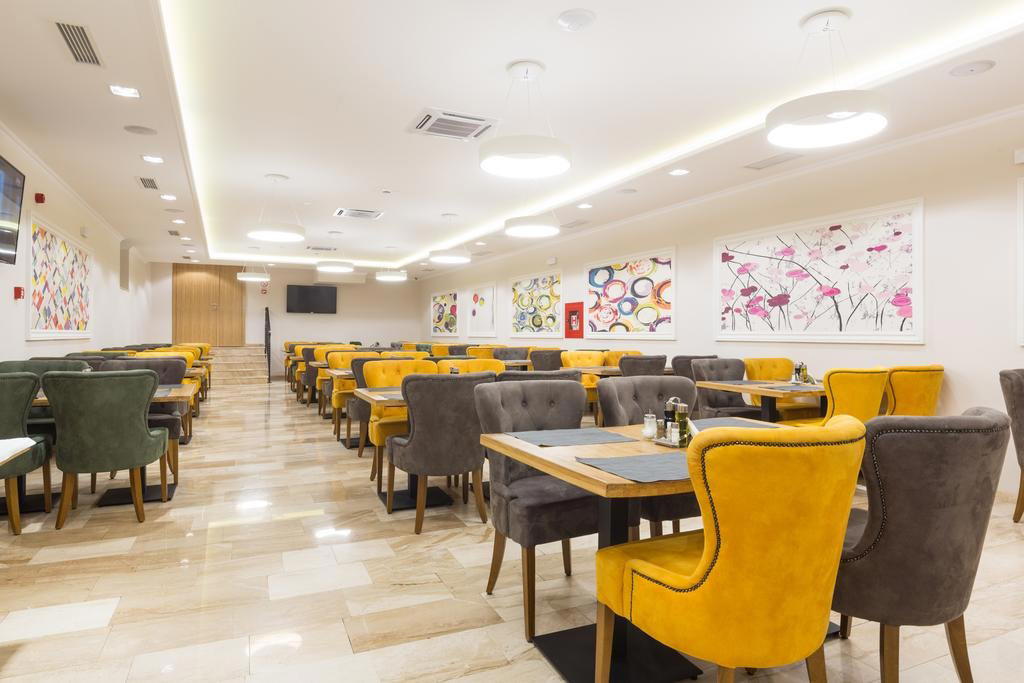
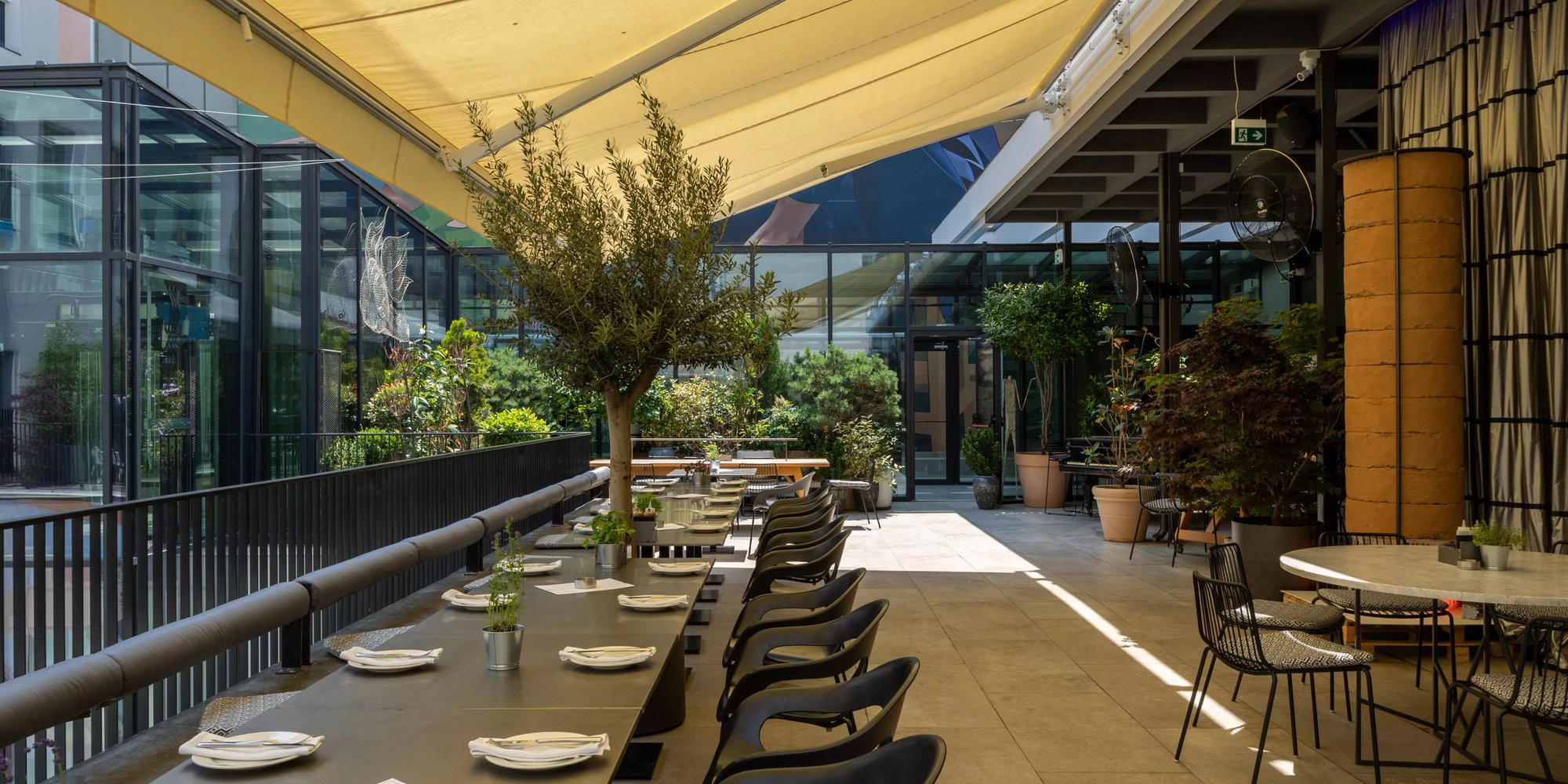
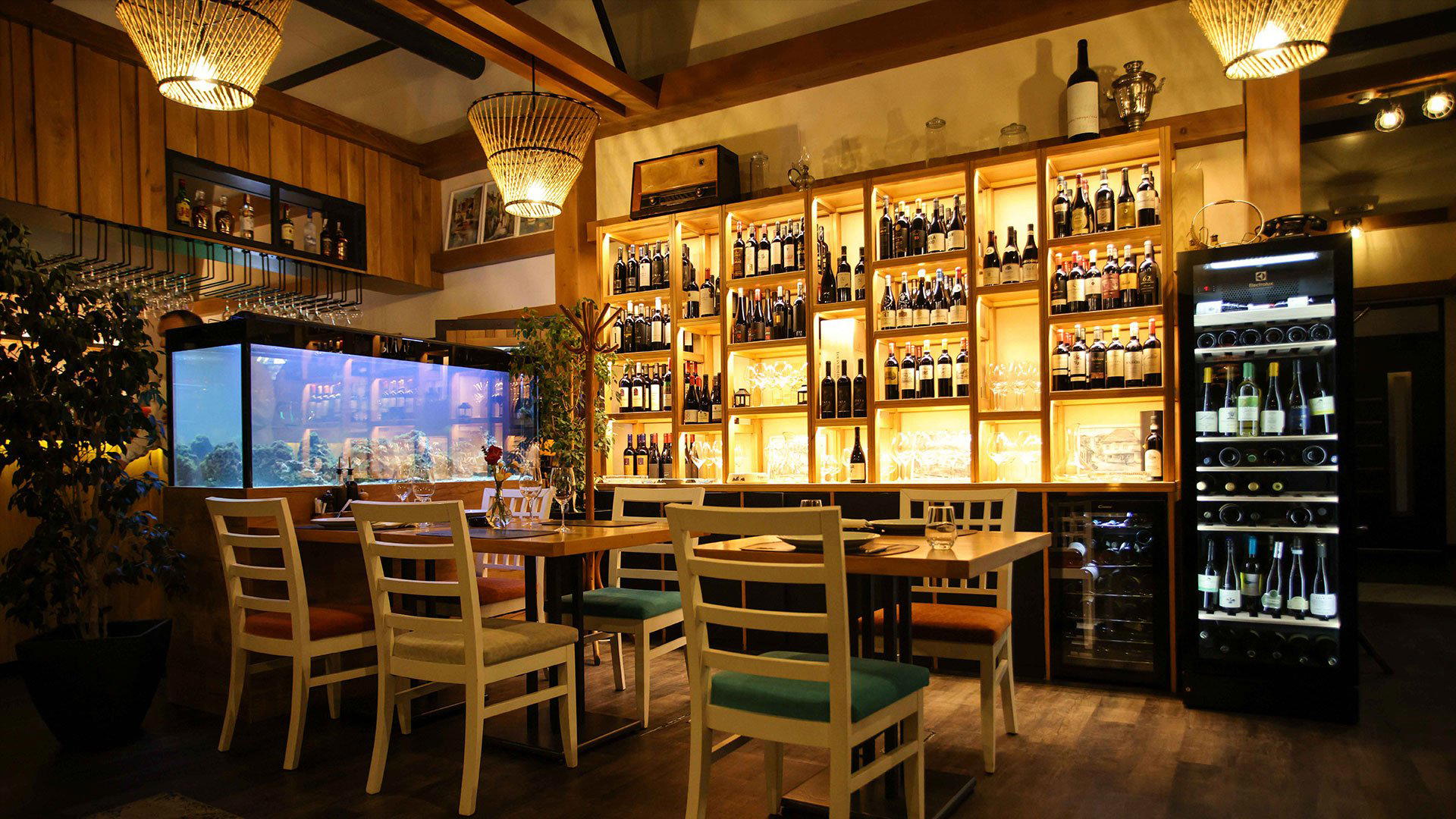
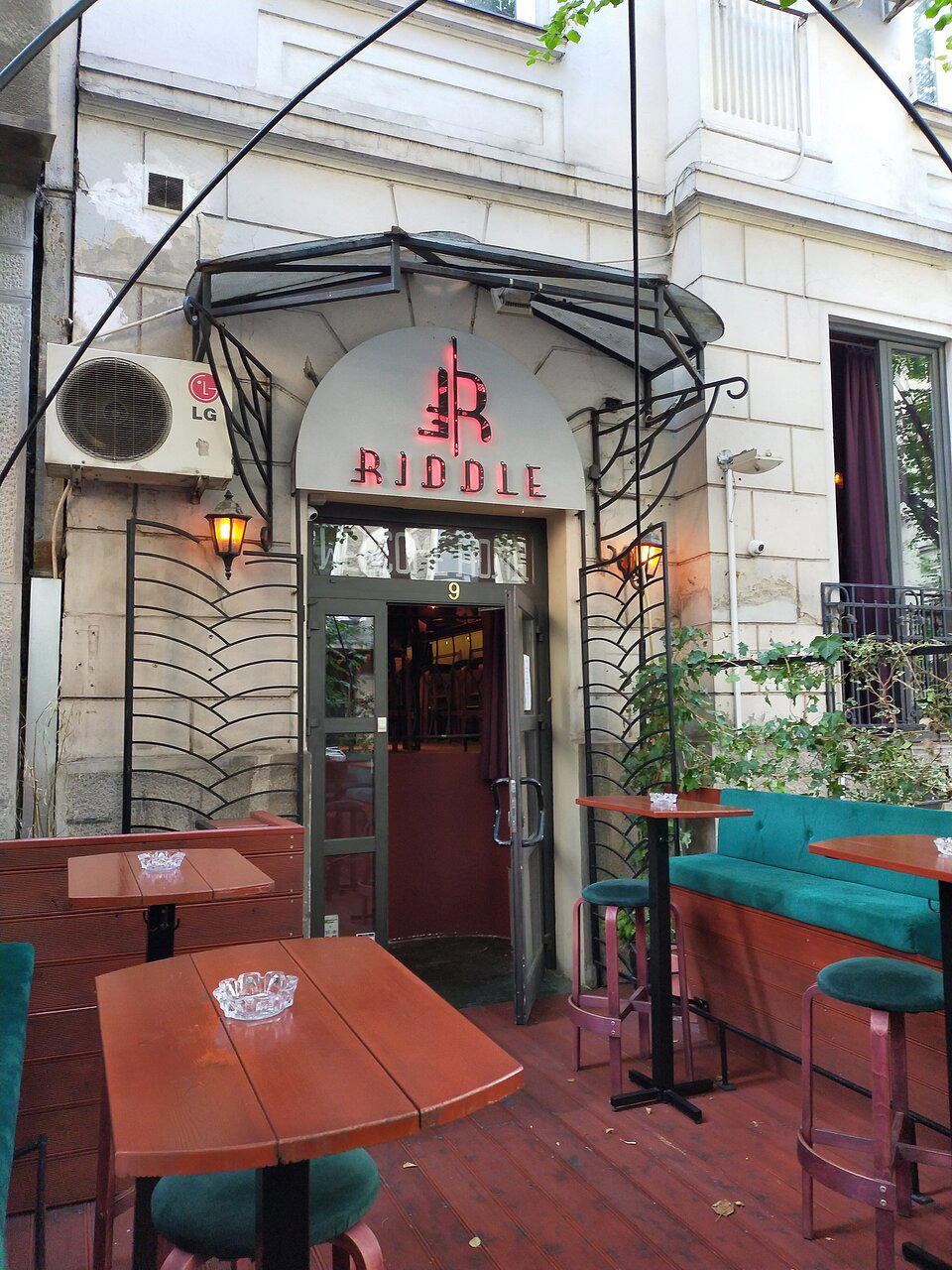
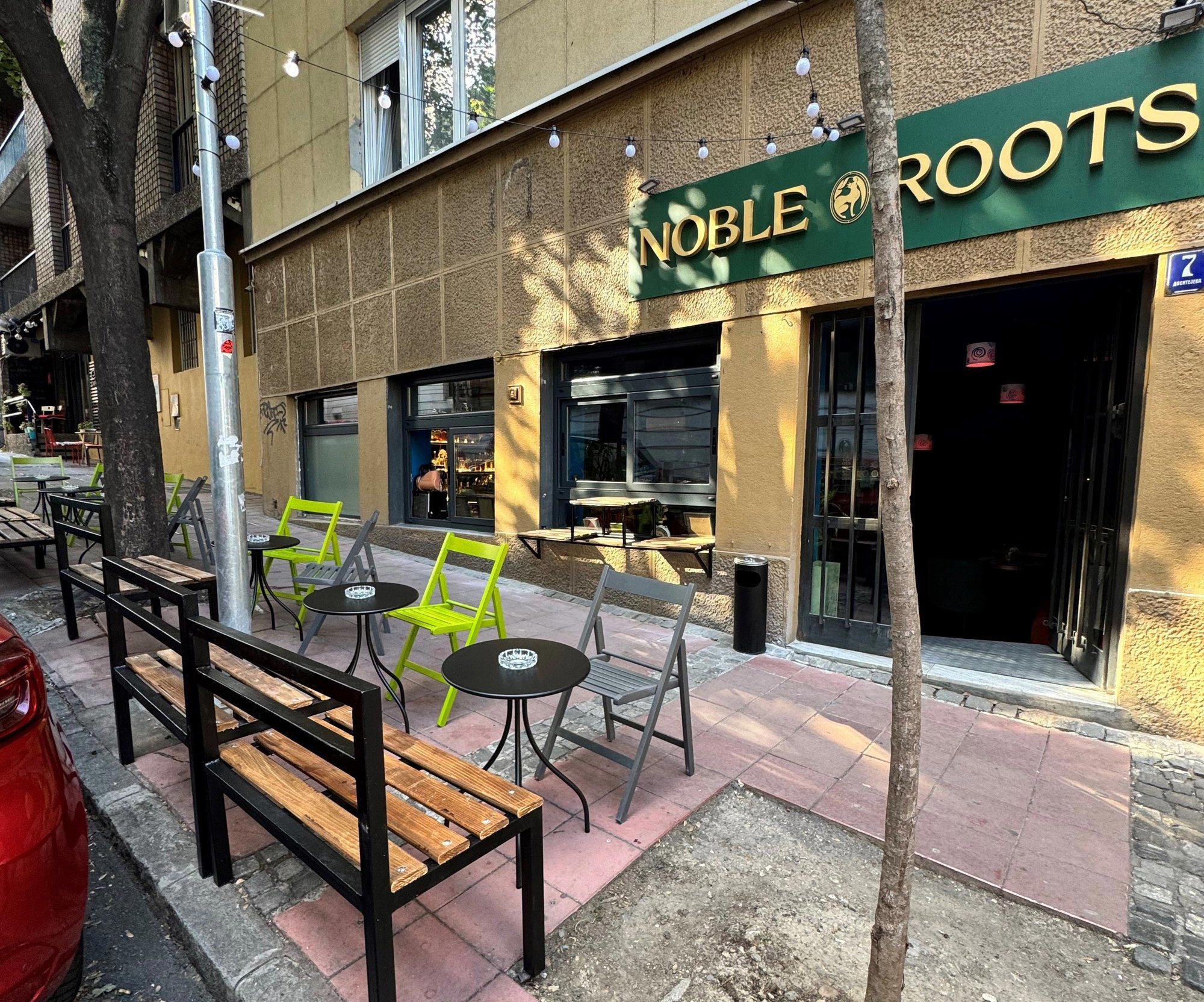
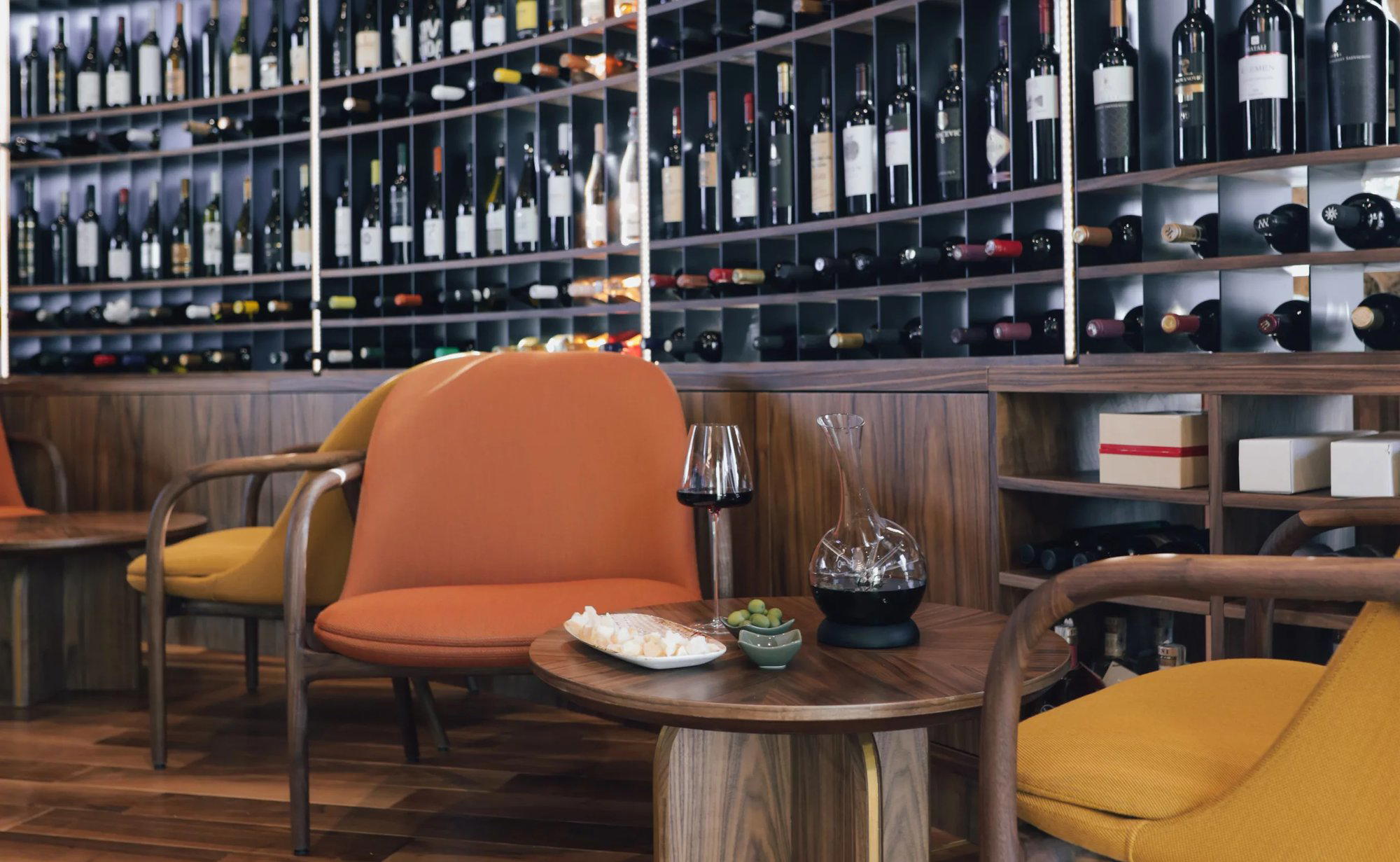
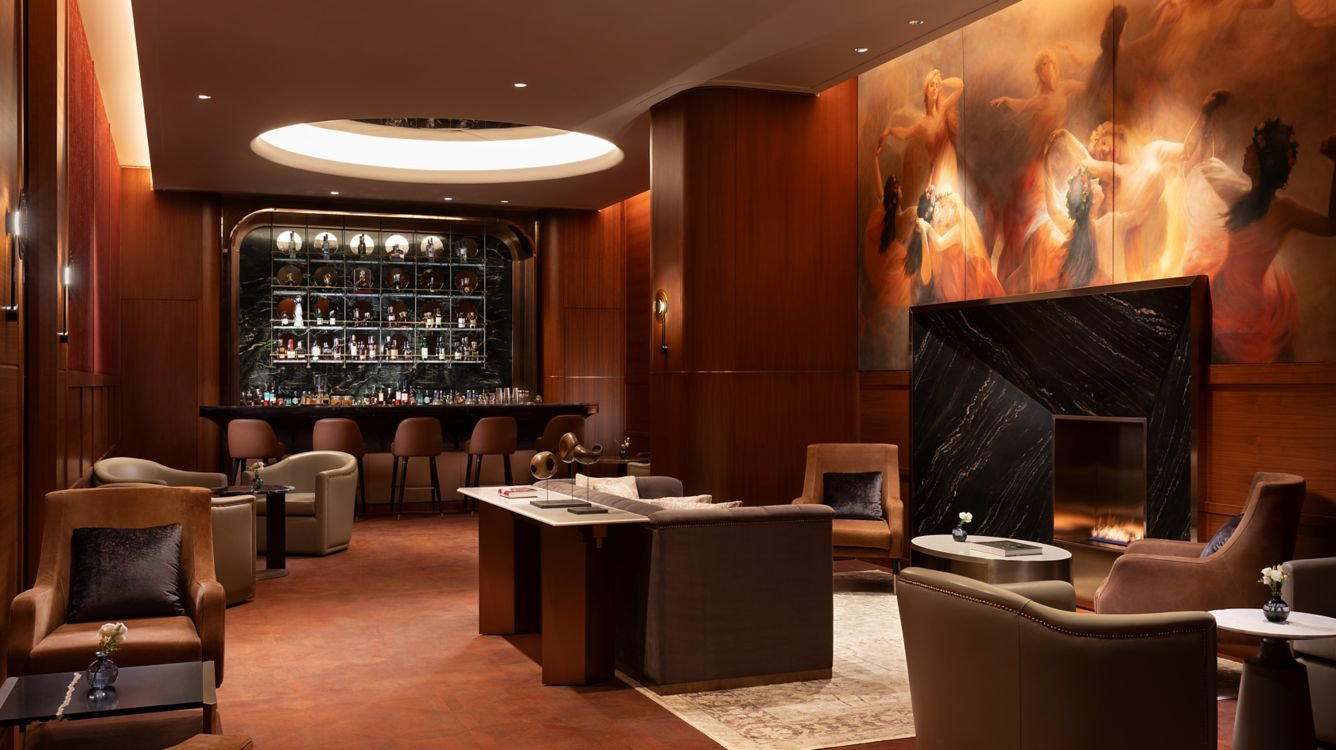
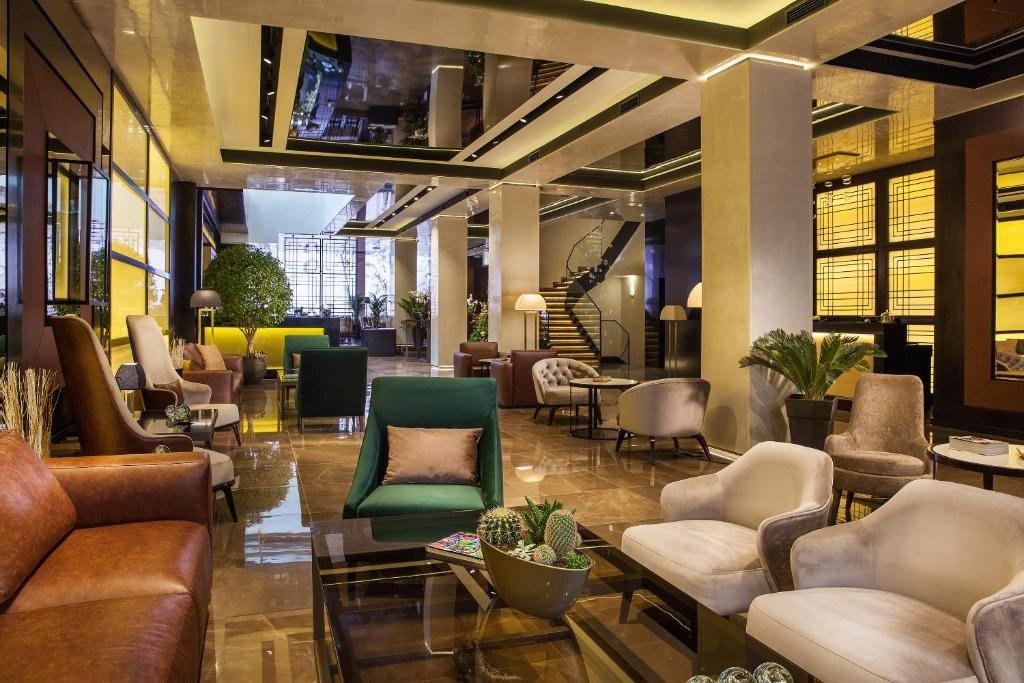
Cozy and inviting with modern-traditional decor featuring greenery-covered walls, warm lighting, and a relaxing atmosphere enhanced by a gorgeous garden for outdoor dining.