Our verdict
Restoran Muskat serves Modern Serbian Cuisine with house-made cappelletti and casarecce, an extensive wine list, and a conversational, smart-casual setting for lunch or dinner.

Pearl is the En Primeur Club membership app — saves, bookings, and concierge access live there. Same editors, same standards.
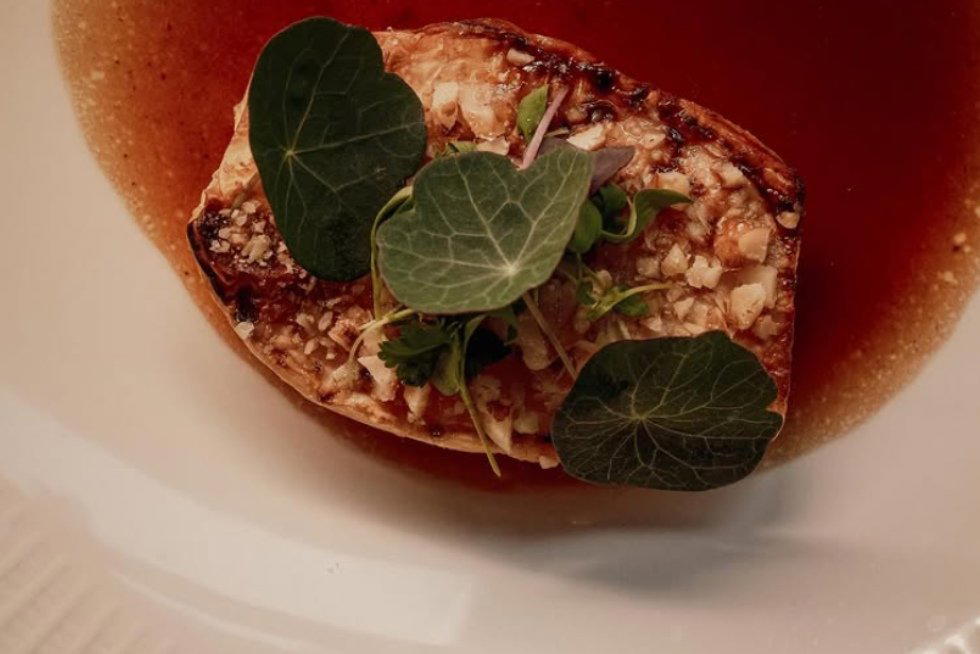
The menu
What to order
- Domaća pasta (Cappelletti) sa rikotom i spanaćem
- Domaća pasta (Casarecce) sa biftekom i crnim trufelima
A Street-Level Address in a City That Rewards Curiosity
Belgrade's dining scene has been quietly reorganising itself for years. The city that once sorted its restaurants into kafana tradition and Western-facing fine dining has developed a more complicated middle ground: a tier of neighbourhood addresses that draw serious local diners without courting international press attention. Restoran Muskat, on Čede Mijatovića 8 in Beograd, sits inside that quieter layer of the city's restaurant life, a category that often tells you more about how Belgrade actually eats than the rooms that land on regional lists.
The address places it away from the Skadarlija tourist corridor and the Savamala design-district crowd, in a part of the city where restaurants survive on returning locals rather than first-time visitors. That geographic positioning is itself a form of editorial context: Belgrade diners who know the city well enough to eat outside its two or three most photographed quarters tend to have stronger opinions and less tolerance for rooms that trade on atmosphere alone.
The Physical Container and What It Signals
In Serbian restaurant culture, the interior of a room carries meaning well beyond decoration. The distinction between a kafana — high ceilings, dark wood, the sound of conversation as ambient noise — and a newer format with hard lines and open kitchens tracks something real about what a restaurant intends to offer. Belgrade has been producing a hybrid tier: rooms that retain the warmth of the older tradition without the deliberate nostalgia that turns a dining space into a folkloric set. How a room is arranged tells you who it expects to serve. Counter-facing seats suggest a kitchen-forward program; clustered banquette arrangements suggest longer, more social meals; private booths or separated alcoves suggest that the operator understands discretion as a form of hospitality.
Restoran Muskat's position in Belgrade's neighbourhood tier aligns it with rooms designed for sustained dining rather than quick covers. The name itself, muskat referring to the muscat grape, a variety that appears across Serbian and wider Balkan winemaking, suggests at minimum an awareness of the region's wine tradition, even if the full scope of the beverage program requires a visit to confirm. In a city where the wine list often defaults to international names, a restaurant that signals local wine literacy through its identity is placing a specific bet on its clientele.
Belgrade's Neighbourhood Dining and Its Competitive Logic
To understand where Restoran Muskat sits, it helps to read the wider spread of Belgrade's restaurant options. At the upper end of the market, addresses like Langouste operate in the modern cuisine tier at €€€€ price points, running structured tasting formats and positioning against the city's most formal dining occasions. The Square works contemporary French and modern cuisine territory at a more accessible €€ price, occupying a different position in the market. Ambar leans into the Balkan sharing-plate format with a wider audience in mind. Avala and Barrel House extend the city's range in different directions.
For a fuller map of how these options connect, the EP Club Belgrade restaurants guide traces the competitive set across price tiers and format types. Restoran Muskat's available data doesn't slot it neatly into a single category, which is itself information: restaurants that resist easy classification in Belgrade's current market are usually operating either at the upper edge of the neighbourhood tier or somewhere in a format transition between kafana tradition and contemporary service. Neither positioning is a weakness, but they imply different things about what a visit will produce.
The Wider Serbian Context
Belgrade is not the only frame for understanding Serbian restaurant culture. The country's regional dining tradition runs deep, and addresses outside the capital often preserve techniques and ingredient relationships that Belgrade's more fashion-conscious rooms have moved away from. Kod Brana in Cacak and Lovački dom in Valjevo anchor the rural and hunting-lodge tradition. Etno Kuća Dinar in Vrsac and KAFANA DUKAT in Pirot extend the kafana format into smaller cities with their own regional characters. Windmill in Pancevo and ČARDA ZLATNA KRUNA in Apatin represent the riverside čarda tradition, where the relationship between water, season, and fish on the plate is direct and unglamourised.
In Novi Sad, Kafe Restoran Maša occupies a similar neighbourhood-restaurant position to what Muskat appears to hold in Belgrade. Further out, Kod poštara in Aran Elovac, Aleksandar Gold in Uzice, and Grand in Kopaonik show how Serbia's dining culture distributes itself across geography and season. Against all of this, a Belgrade neighbourhood address is a specific proposition: urban, year-round, competing for a repeat local clientele that can eat almost anywhere.
For International Visitors: Where Muskat Fits the Trip
Visitors arriving in Belgrade with a reference point like Le Bernardin in New York City or Atomix should expect a fundamentally different mode of dining. Those rooms operate within globally recognised award structures and deploy the kind of formal precision that comes with multi-decade reputations and deep-pocketed ownership. Belgrade's better neighbourhood restaurants, including addresses like Muskat, operate in a city where the dining culture values directness, hospitality expressed through portion and welcome rather than choreography, and a local wine and spirits program that doesn't announce itself with international credentials.
That is not a hierarchy, it is a different set of priorities. A well-run Belgrade neighbourhood restaurant can produce a meal that is more memorable precisely because it isn't performing for a global audience. The Čede Mijatovića address is practical to reach from central Belgrade; the city's compact core makes most addresses walkable or a short taxi ride from the main hotel districts. Booking in advance is advisable for weekend evenings, when Belgrade's dining rooms fill quickly with local tables running long into the night, a pattern consistent across the neighbourhood tier of the city's restaurant market.
Planning Your Visit
Restoran Muskat is located at Čede Mijatovića 8, Beograd 11000. For visitors cross-referencing the Belgrade dining scene more broadly, the EP Club guide covers the range from formal modern cuisine rooms to neighbourhood addresses across multiple price tiers, with enough comparative context to map a full itinerary against the city's actual shape.
Frequently asked questions
What is the vibe at Restoran Muskat?
Restoran Muskat fits the neighbourhood restaurant tier that Belgrade locals use for regular dining outside the tourist-facing districts. If you are looking for the structured ceremony of Belgrade's leading modern cuisine addresses, the comparison venues in the EP Club guide will serve better as a reference point.
What should I eat at Restoran Muskat?
EP Club does not have confirmed menu data for Restoran Muskat, and generating specific dish descriptions without a verified source would cross into fabrication. What the name signals, muskat referencing the muscat grape and its place in Balkan wine tradition, suggests at least some engagement with regional food and drink identity. For confirmed menu guidance, contact the restaurant directly or check its current online presence ahead of your visit.
How hard is it to get a table at Restoran Muskat?
As a general pattern across Belgrade's neighbourhood restaurant tier, weekend evenings fill faster than weekday service, and popular local addresses can become difficult to book without advance notice.
Is Restoran Muskat a good choice for wine-focused dining in Belgrade?
The name Muskat references the muscat grape, one of the oldest and most widely planted varieties in the Balkans, which suggests a degree of wine awareness in the restaurant's identity. Serbia has a growing number of producers working with both indigenous varieties and international grapes, and Belgrade's neighbourhood restaurants vary considerably in how seriously they engage with the local wine scene.
Budget Reality Check
Comparable venues nearby, for context on price, style, and recognition.
| Venue | Cuisine | Price | Awards | Notes |
|---|---|---|---|---|
| Restoran MuskatThis venue — the venue you are viewing | Modern Serbian Cuisine | Not listed | Not listed | Not listed |
| Durmitor | Traditional Serbian BBQ | $20–30 | Not listed | New Belgrade, Traditional Serbian BBQ |
| Petar at Tikas | Modern Serbian Cuisine | $20–30 | Not listed | Palilula, Modern Serbian Cuisine |
| Srpska kafana | Authentic Serbian Kafana | $10–20 | Not listed | Old Town, Authentic Serbian Kafana |
| Mala Kolubara na reci | Traditional Serbian Riverside | $20–30 | Not listed | New Belgrade, Traditional Serbian Riverside |
| RESTORAN JERRY | Modern Serbian Steakhouse | $30–50 | Star Wine List | Novi Beograd, Modern Serbian Steakhouse |
Continue exploring
More in Belgrade
Restaurants in Belgrade
All restaurants in Belgrade →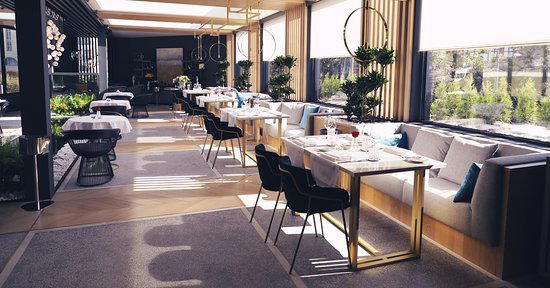

Bars in Belgrade
All bars in Belgrade →
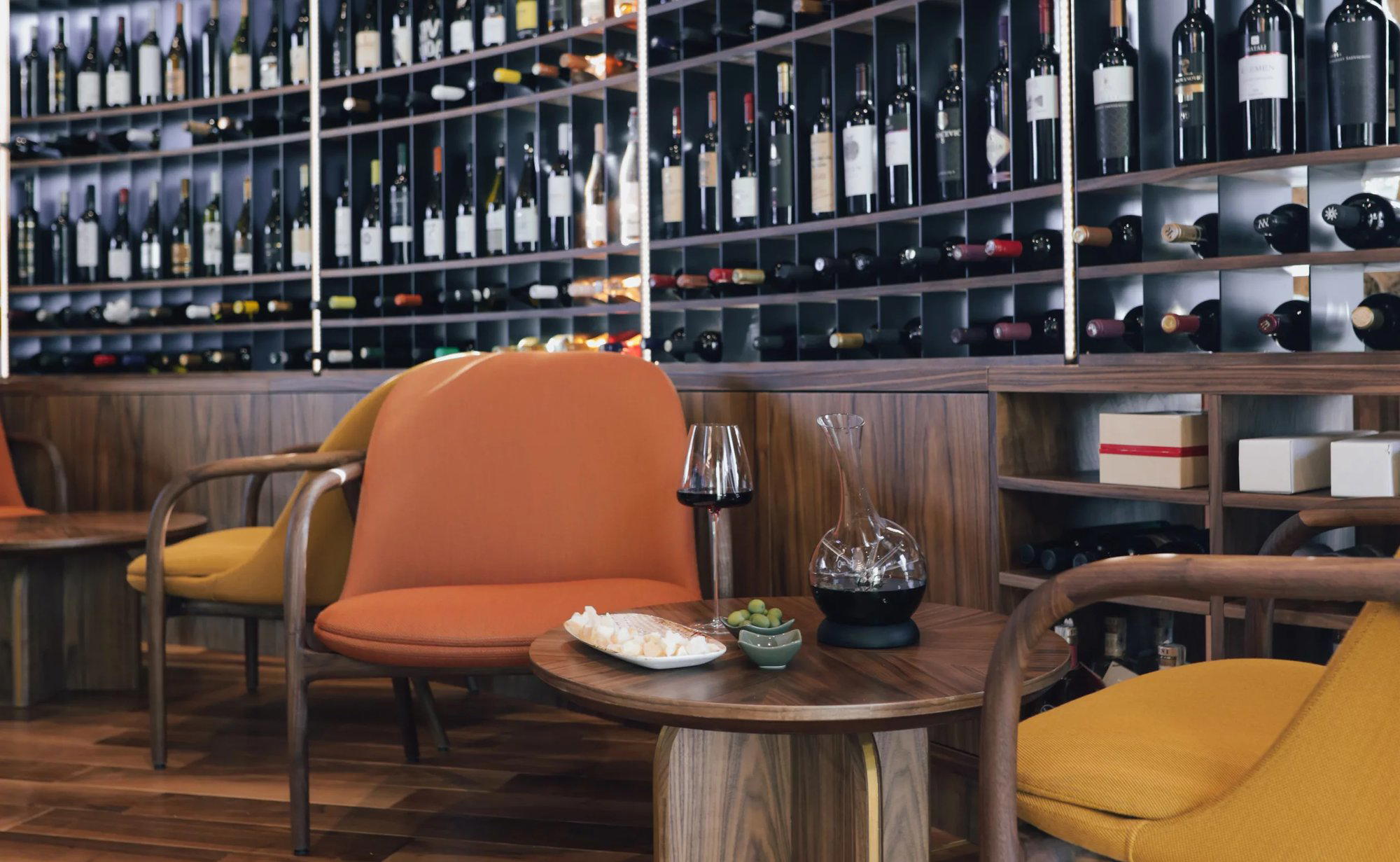
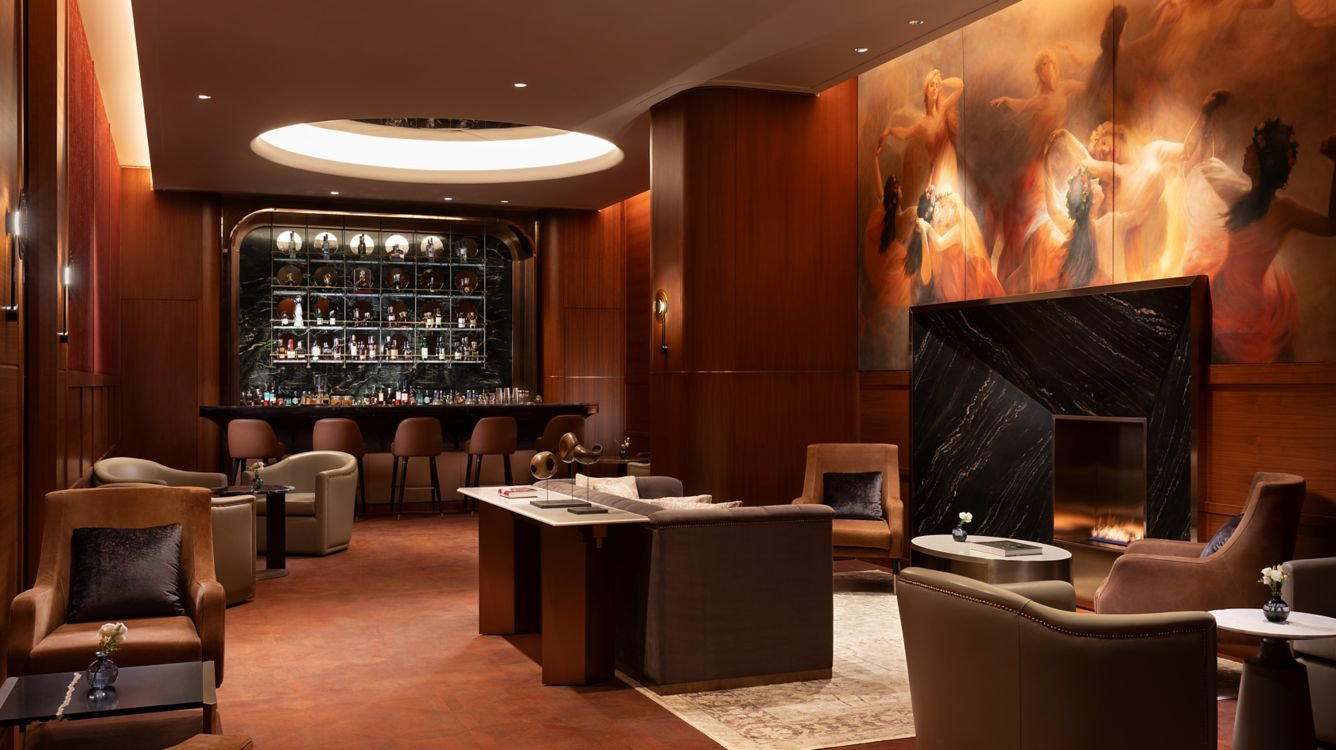
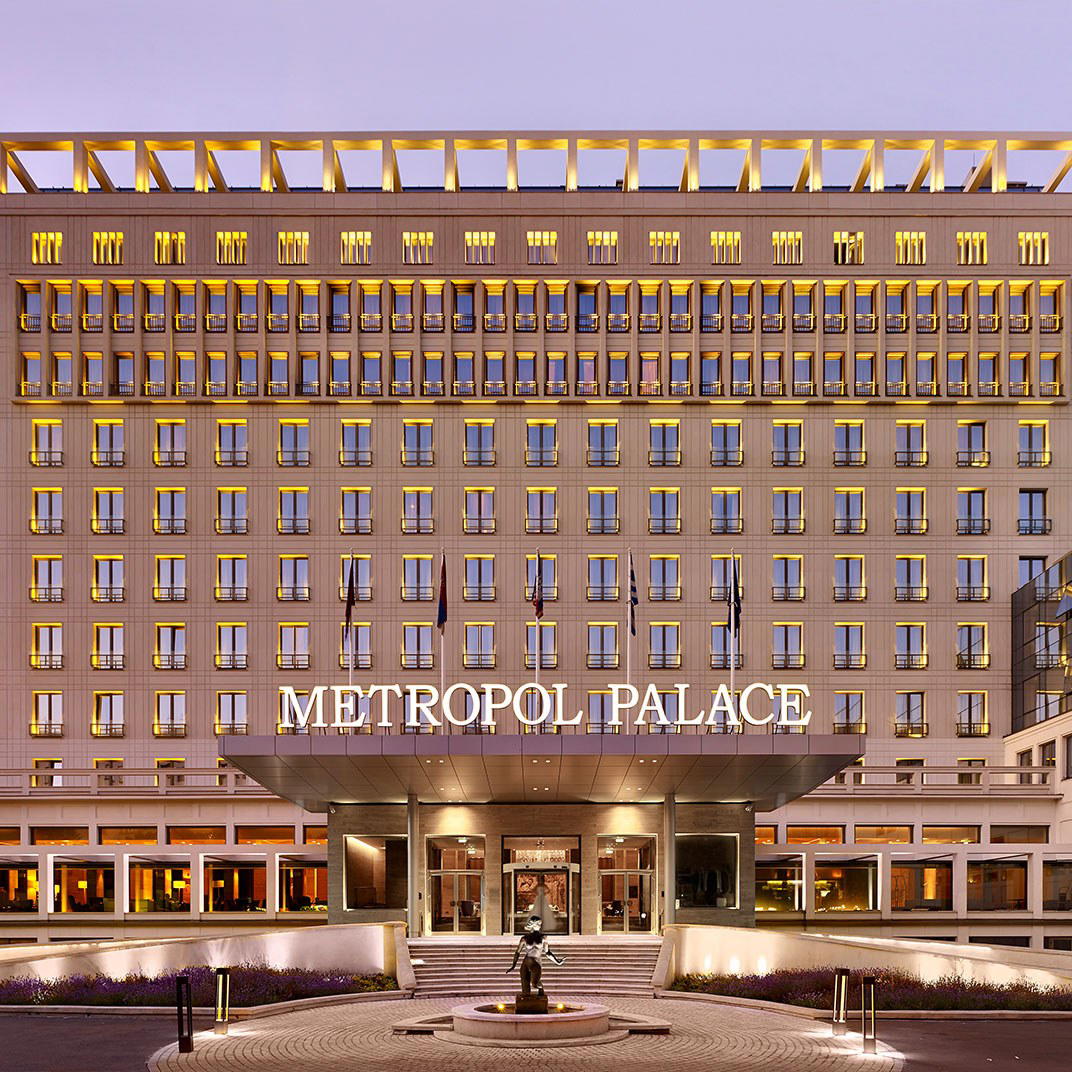
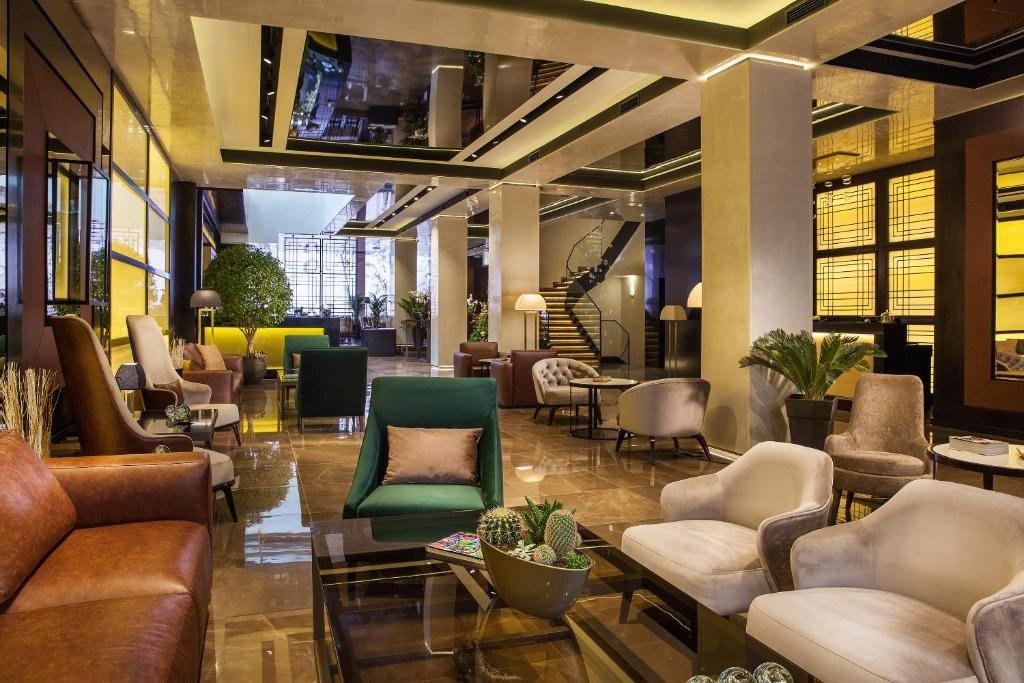
Restoran Muskat
The wine
- Wine program
- Curated wine list
- Extensive wine list
Details
- Cozy
- Elegant
- Date Night
- Extensive Wine List
- A La Carte
Current opening hours
- Monday
- Closed
- Tuesday
- 1–11 PM
- Wednesday
- 1–11 PM
- Thursday
- 1–11 PM
- Friday
- 1–11 PM
- Saturday
- 1–11 PM
- Sunday
- 1–11 PM
Hours can change for holidays and private events. Last verified .
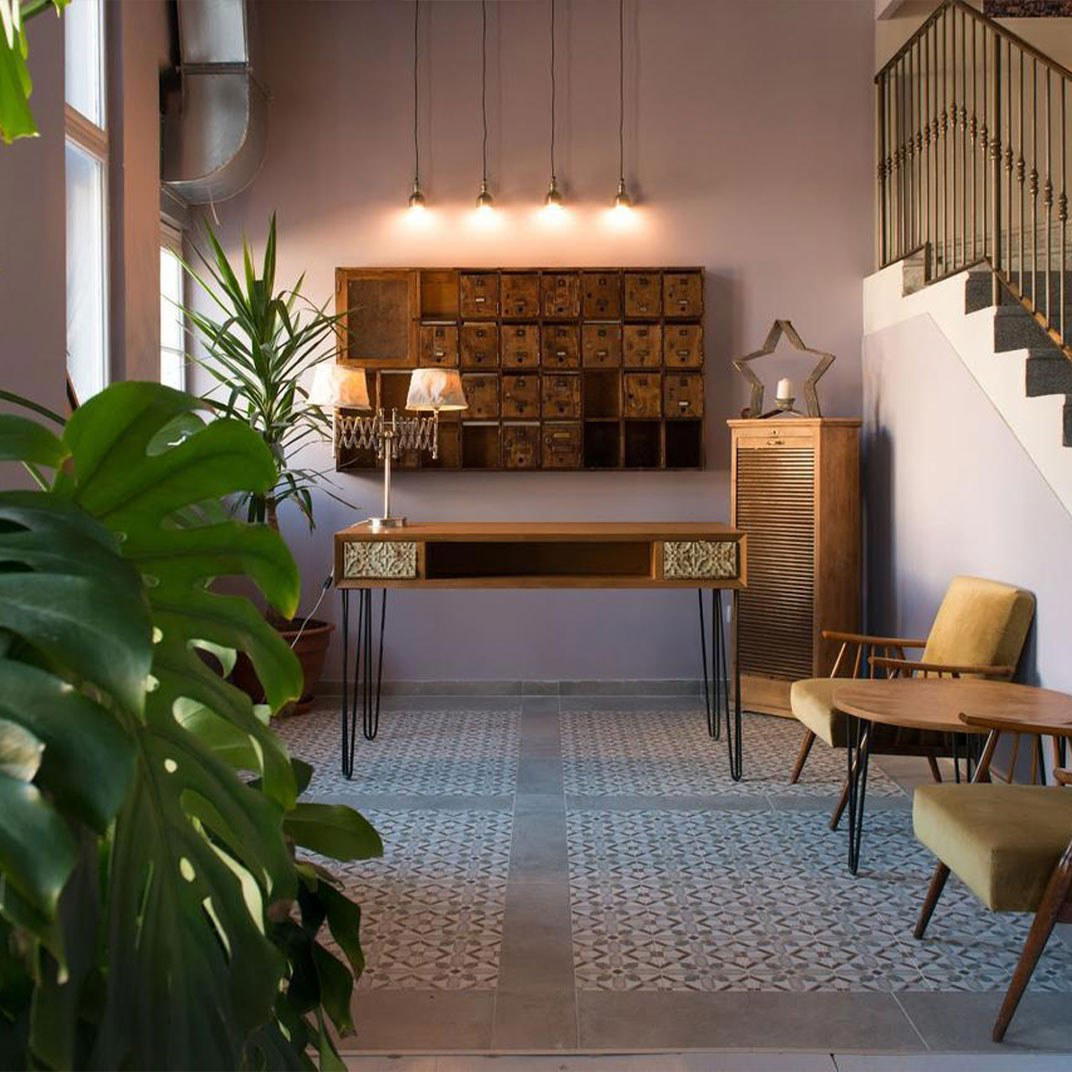
Cozy and inviting ambiance with warm hospitality.