
1 Michelin Star
Our verdict
Tokyo's Minami-Aoyama hosts one of Japan's few dedicated Austrian restaurants, where a Michelin Plate-recognised kitchen reframes Viennese tradition through Japanese craft. Foie gras terrines take structural cues from Sachertorte, Viennese china sets the formal tone, and classical music grounds the room in Central European ceremony. EWIG sits at the precise intersection of two serious culinary cultures, and that specificity is the point.

Pearl is the En Primeur Club membership app, where members save venues, book tables and use the concierge.
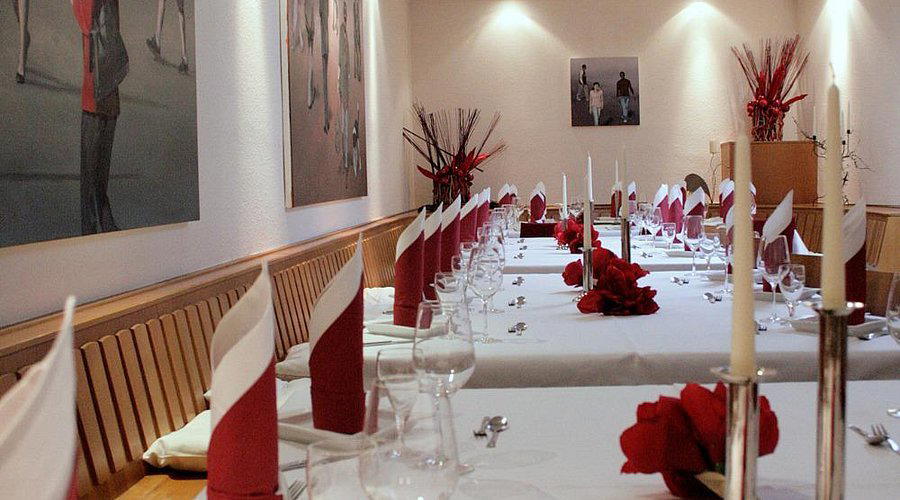
Central European Ceremony in Minami-Aoyama
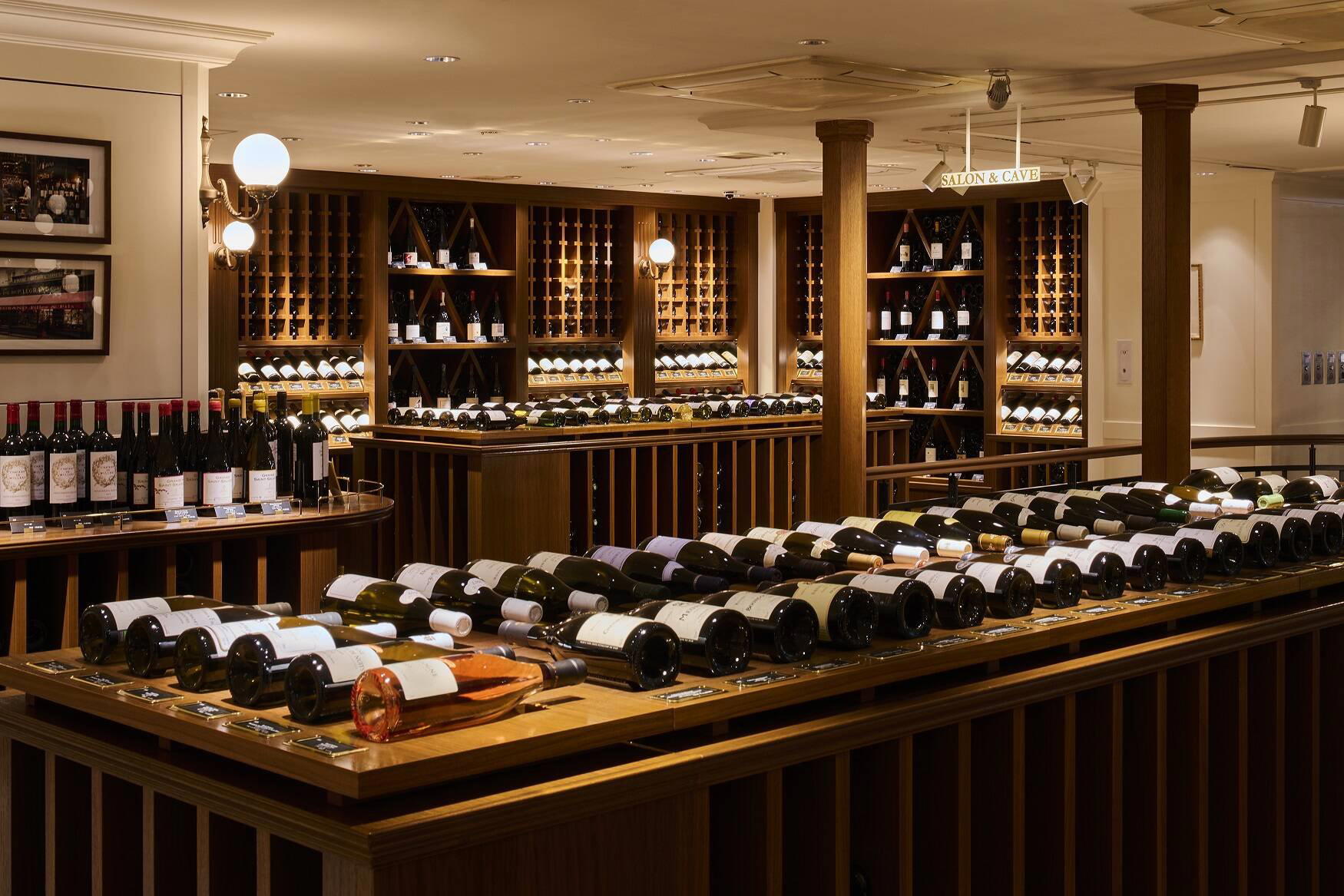
Classical music drifts through the dining room at EWIG, and the china on the table is Viennese. Before a dish arrives, the room itself makes its case: this is not a European-inflected Japanese kitchen, nor a fusion exercise, but a deliberate reconstruction of Austrian dining culture inside one of Tokyo's most composed residential and commercial neighbourhoods. Minami-Aoyama, on the edge of Omotesando, has long attracted specialist restaurants that operate outside the city's dominant idioms of sushi, kaiseki, and French haute cuisine. EWIG belongs to that pattern, occupying a second-floor address at 4 Chome-3-23 Minamiaoyama, Minato City.
Austrian cuisine is one of Europe's less-travelled culinary traditions in Asia. Where French cooking has deep institutional roots in Tokyo's restaurant culture, and Italian has found genuine local expression across the city, Central European food remains largely unfamiliar to Japanese diners. That unfamiliarity is part of what gives EWIG its particular position: it serves a cuisine rare enough in this geography that the kitchen is not competing against dozens of comparable options but rather defining the category for its audience. The 2025 Michelin Plate recognition confirms the kitchen meets the guide's threshold for quality, placing it in the tier of restaurants that reward attention without carrying the multi-course price architecture of Tokyo's starred rooms.
The Sachertorte Principle: Tradition as a Starting Point
Austrian cuisine's canon is built around a small number of deeply codified preparations, of which the Sachertorte is the most internationally recognised. The cake, which originated in Vienna, is so associated with its city of origin that its recipe has been the subject of legal dispute between two Viennese establishments. EWIG uses the Sachertorte not as a dessert but as a structural logic: its terrine of foie gras is paired with cacao and jam, drawing on the same flavour architecture that defines the cake. This kind of reference, where a dish cites a culinary tradition rather than copying it, reflects a contemporary approach to European cooking that is also present in leading kitchens elsewhere in Japan. At L'Effervescence (French) and Sézanne (French), French tradition is similarly treated as a foundation to be interrogated rather than a set of rules to be followed exactly. EWIG applies the same thinking to Austrian sources.
The concept described in the kitchen's own framing is traditional fare with a modern update, a description that understates the precision of the approach. Austrian cooking is rooted in techniques that predate industrialised food production: terrines, braises, cured meats, rich stocks, and pastry work that demands consistency across many repetitions. These are forms that translate well into a Japanese kitchen culture that prizes discipline and repetition. The chef's apprenticeship in Austria gave the kitchen its grounding in those techniques, and the result is a restaurant that does not feel like an approximation of Vienna but rather a serious engagement with its culinary logic.
Materials and Ethics: What Austrian Cuisine Implies About Sourcing
Traditional Austrian cooking is, at its foundation, a cuisine of careful use. The Viennese table emerged from a culture where whole animals were processed, offal was central, and nothing with culinary value was discarded. Tafelspitz, Zwiebelrostbraten, Beuschel: these dishes reflect a systematic approach to the whole animal that predates any contemporary conversation about food waste. A kitchen that works within this tradition is implicitly working within a framework of whole-ingredient cooking, even if that language does not appear on the menu. In Tokyo, where sourcing discipline is already high across the restaurant industry, this alignment between Austrian culinary heritage and modern ethical sourcing is more than incidental.
The use of foie gras in the signature terrine raises the sourcing question directly, as it does in any serious kitchen that includes it. Foie gras production is subject to ongoing regulatory and ethical scrutiny in Europe, and the sourcing choices a kitchen makes around it carry weight. Tokyo's fine dining scene has engaged with this debate in various ways, with some kitchens removing it from menus and others maintaining it with documented provenance. What is clear is that the dish exists in a tradition of rich, preserved preparations that are central to Austrian cuisine's identity, and that the kitchen frames it through the lens of cultural reference rather than luxury signalling.
Where EWIG Sits in Tokyo's European Dining Map
Tokyo's European restaurant scene is structured around French cooking at the leading end, with a few Italian rooms at comparable price levels and a scattering of other European national cuisines at mid-range price points. The ¥¥¥ pricing at EWIG places it a tier below the city's most expensive European rooms, which include Michelin three-star addresses like RyuGin (Kaiseki, Japanese), Harutaka (Sushi), and L'Effervescence (French), all at ¥¥¥¥. That positioning makes EWIG more accessible than the city's flagships while still operating in a register that expects serious attention from its guests.
The only other Tokyo address with comparable Austrian focus is GINZA HABSBURG VEILCHEN, which operates from the prestige real estate of Ginza. The contrast is instructive: Ginza Habsburg occupies the more formal, high-visibility end of Central European dining in Tokyo, while EWIG, in the residential quiet of Minami-Aoyama, offers an experience that feels more like a specialist's room than a statement address. Neither is wrong; they serve different versions of the same cultural interest. For the reader who wants to understand Austrian food in Tokyo across two registers, both are worth knowing.
Beyond Tokyo, the tradition has expression at Senns in Salzburg and 1er Beisl im Lexenhof in Nußdorf am Attersee, which offer the source material for comparison. If EWIG's version of Austrian cuisine prompts the question of how it measures against the original, those two addresses are the relevant reference points.
Planning Your Visit
Address: 201, 4 Chome-3-23 Minamiaoyama, Minato City, Tokyo 107-0062. Price tier: ¥¥¥, mid-to-upper range for Tokyo European dining. Recognition: Michelin Plate 2025. Reservations: Walk-ins: Not confirmed as available; given the specialised format and small likely capacity of a second-floor Minami-Aoyama room, advance reservations are advisable. Getting there: Omotesando Station (Tokyo Metro Ginza, Hanzomon, and Chiyoda lines) is the closest major hub, with Minami-Aoyama a short walk south.
Frequently asked questions
Where do I go for EWIG?
EWIG is located at 201 4 Chome-3-23 Minamiaoyama, Minato City, Tokyo 107-0062, Japan, Tokyo.
What distinctions does EWIG have?
EWIG has received recognition including: Along the path to licensed-chef status, the chef encountered Austrian cuisine. Intrigued by this little-known food genre, he resolved to apprentice in its native land. The concept is traditional fare with a modern update. Terrine of foie gr….
What do regulars order at EWIG?
The most documented dish is the terrine of foie gras paired with cacao and jam, a preparation that draws structural inspiration from the Sachertorte, Vienna's most codified dessert. It is the clearest expression of EWIG's method: traditional Austrian reference points reformulated as savoury courses. The kitchen earned a Michelin Plate in 2025, which gives the menu at least one independently verified data point.
What price level is EWIG?
Pricing at EWIG is listed as ¥¥¥.
Can I walk in to EWIG?
EWIG operates at ¥¥¥ pricing in Minami-Aoyama, a neighbourhood where mid-to-upper European restaurants typically require advance reservations, particularly on weekends. The address is 201, 4 Chome-3-23 Minamiaoyama, Minato City, Tokyo 107-0062.
Cuisine Context
| Venue | Cuisine | Price | Awards | Notes |
|---|---|---|---|---|
| EWIGThis venue (the venue you are viewing) | Modern Austrian Fine Dining | $200–300 | 1 Michelin Star | Not listed |
| Harutaka | Edo-Style Omakase Sushi | $200–300 | 3 Michelin Stars · World's 50 Best #76 | Sushi |
| RyuGin | Modern Kaiseki | $500+ | 3 Michelin Stars · World's 50 Best #41 | Kaiseki, Japanese |
| L'Effervescence | Modern French with Japanese Influences | $200–300 | 3 Michelin Stars · World's 50 Best #69 | French |
| HOMMAGE | Modern French with Japanese Influences | $150–200 | 2 Michelin Stars · World's 50 Best #78 | Innovtive French, French |
| MAZ | Innovative Peruvian-Japanese Fusion | $150–200 | 2 Michelin Stars · World's 50 Best #28 | Innovative |
Recognition history
Dated appearances from independent guides and award organizations, with the underlying list record or original source where available.
Michelin 1 Star
Michelin
Full recognition history (2 entries)
Michelin Plate
Michelin
Continue exploring
More in Tokyo
Restaurants in Tokyo
All restaurants in Tokyo →



Bars in Tokyo
All bars in Tokyo →





Details
- Elegant
- Intimate
- Sophisticated
- Modern
- Date Night
- Special Occasion
- Chefs Counter
- Sake Program
- Extensive Wine List
- Local Sourcing
- Tasting Menu
- Austrian Wine
Current opening hours
- Monday
- Closed
- Tuesday
- 6–10 PM
- Wednesday
- 6–10 PM
- Thursday
- 6–10 PM
- Friday
- 6–10 PM
- Saturday
- 6–10 PM
- Sunday
- Closed
Hours can change for holidays and private events. Hours as of .
Refined and relaxing space with stylish decor, counter and sofa seating, evoking classical Viennese elegance amid classical music.