
Michelin Plate
Our verdict
On the seventh floor of a Ginza office building, Habsburg Veilchen makes the case for Austrian regional cooking in one of the world's most demanding dining cities. Chef Shingo Kanda structures his menu around the distinct culinary identities of Austria's nine states, running from Viennese schnitzel to boiled ham with the kind of contextual narration that turns an unfamiliar cuisine into a coherent argument. Michelin Plate recognition in both 2024 and 2025 marks it as a serious address.

Pearl is the En Primeur Club membership app, where members save venues, book tables and use the concierge.
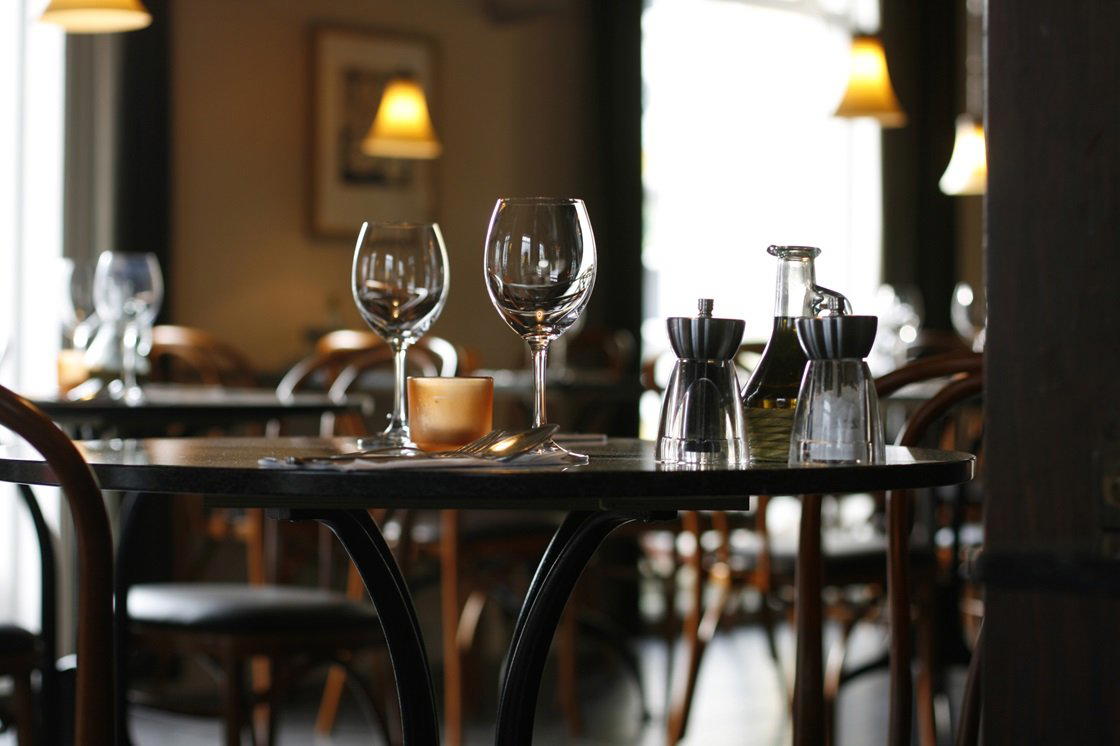
A European Regional Kitchen in the Heart of Ginza
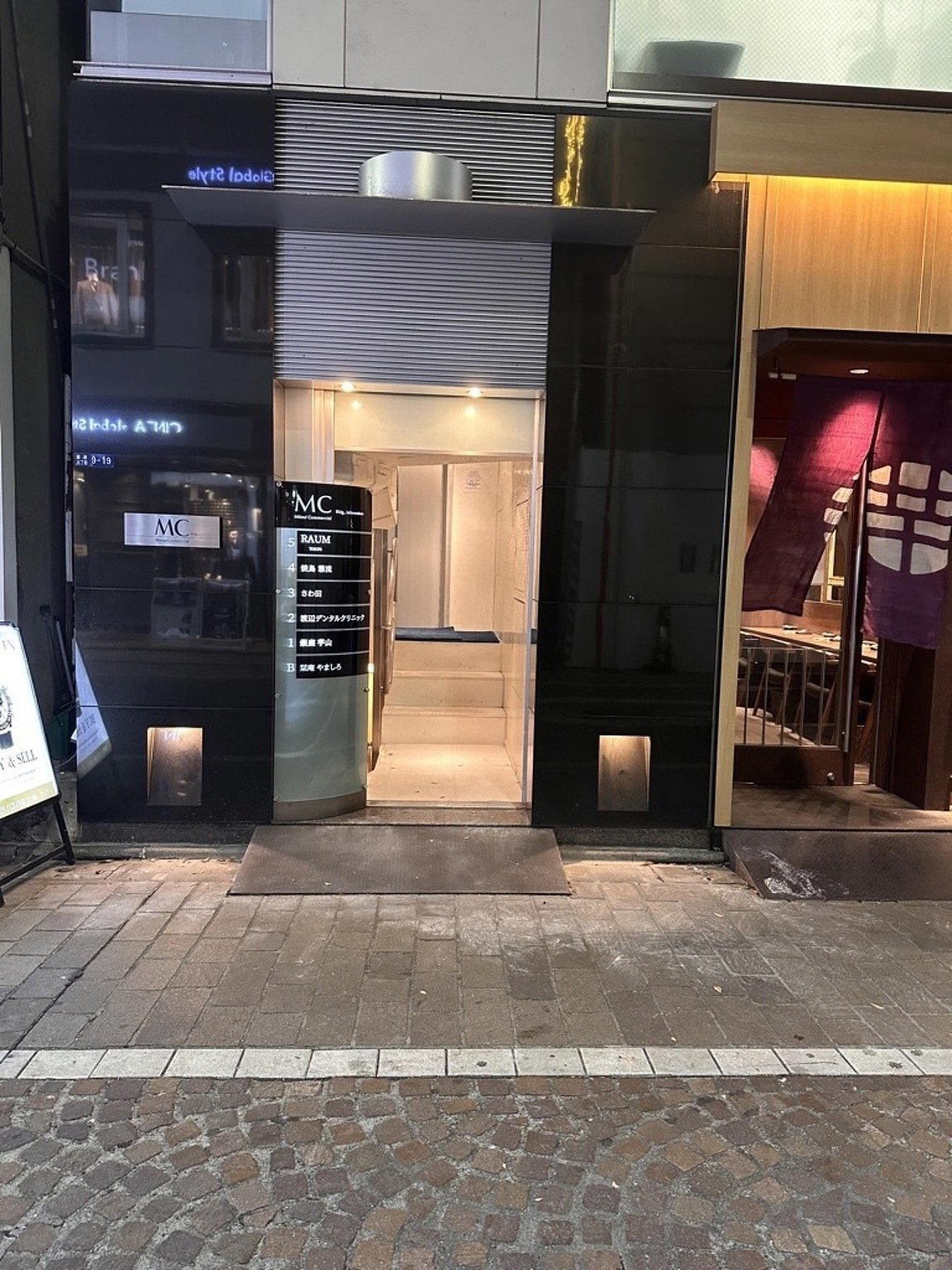
Arrive at the Chuo City address on a weeknight and the building offers little ceremony, an elevator, a corridor, a door. What waits on the seventh floor of GREEN Ginza is considerably more specific: a dining room given over entirely to the regional cooking of Austria, a cuisine that barely registers in Tokyo's dense field of European restaurants. That specificity is the point. Where Ginza's European dining tends to cluster around French formalism (see Sézanne and L'Effervescence at the ¥¥¥¥ tier), Habsburg Veilchen positions itself one bracket lower at ¥¥¥ and in a tradition that most Tokyo diners will encounter for the first time.
How the Menu Is Built
Austrian cuisine is not monolithic, and the menu here refuses to treat it as such. Austria has nine federal states, Vorarlberg in the west, Burgenland in the east, Styria to the south, and so on, each with distinct agricultural histories, climatic conditions, and culinary conventions shaped by centuries of regional autonomy under the Habsburg Empire. The menu at Habsburg Veilchen draws on all of them, organised not as a free-flowing tasting sequence but as a structured survey of that geographic and cultural range.
This architecture sets the restaurant apart from how European regional cooking usually gets translated for a foreign audience. The typical approach reduces a national cuisine to its most photogenic dishes, strips the regional context, and presents the result as representative. Here the structure is the content. Wiener schnitzel and boiled ham appear not as isolated classics but as specifically Viennese contributions to a broader Austrian picture, the capital's entries in a nationwide argument about what the country's cooking actually is.
Chef Shingo Kanda's decision to narrate this geography at the table is what gives the menu its coherence. He explains provenance, shares the sources behind specific recipes, and positions each dish within its state of origin. For a Tokyo audience largely unfamiliar with the distinctions between a Styrian pumpkin preparation and a Tyrolean dumpling, this context turns eating into something closer to a regional education. It's an approach that sits closer to the model employed by kaiseki at addresses like RyuGin, where the progression is explicitly designed to teach, than to the more theatrical formats that dominate Western fine dining in the city.
What Michelin Plate Recognition Actually Signals
Habsburg Veilchen holds a Michelin Plate in both 2024 and 2025. In the Michelin system, the Plate sits below star recognition but above a simple listing, it denotes food that the inspectors consider good cooking worth seeking out, without the technical consistency or ambition required for star status. In Tokyo, where the guide is deeply competitive and the Plate tier still implies serious kitchen discipline, that distinction carries weight. It also establishes a clear peer tier: this is not a casual ethnic restaurant or a tourist-facing novelty. It sits in the same bracket as a large number of respectable Tokyo addresses that cook with intention and execute at a reliable standard, even if they operate outside the star conversation.
For context, the restaurants in Tokyo operating at ¥¥¥¥ with star recognition, Harutaka for sushi, L'Effervescence and Sézanne for French, occupy a different bracket both financially and in terms of technical expectation. Habsburg Veilchen's ¥¥¥ positioning makes it accessible to a wider range of visitors while the Plate status provides assurance that quality standards have been externally verified. A separate Austrian comparison point is available for those travelling beyond Tokyo: Senns in Salzburg and 1er Beisl im Lexenhof in Nußdorf am Attersee offer direct reference points for what Austrian cooking looks like on home ground.
Ginza as a Location for This Kind of Restaurant
The choice of Ginza for a specialist Austrian address is less arbitrary than it might appear. Tokyo's European fine dining has historically concentrated in Ginza and Marunouchi, where the combination of high office density, corporate expense accounts, and international foot traffic supports niche cuisine with a premium price point. An Austrian kitchen would struggle to find its audience in, say, Shimokitazawa's more casual, youth-facing dining scene. Ginza's clientele, business diners, visiting Europeans, Japanese food professionals with broad comparative palates, is more likely to arrive with curiosity about a cuisine outside the usual French-Italian axis.
Within Tokyo's broader dining scope, Habsburg Veilchen occupies a niche that has very few direct competitors. Japanese cooking at various price points is everywhere; French, Italian, and Spanish restaurants with serious credentials are well-represented. An Austrian address structured around regional diversity is considerably rarer. That rarity is not itself a recommendation, novelty alone doesn't make for good eating, but it does mean the restaurant fills a gap that the city's otherwise comprehensive European dining scene leaves largely open. For a fuller picture of where this fits within Tokyo's overall offer, the EP Club Tokyo restaurants guide maps the wider field.
Those planning a broader Japan trip will find regional comparison useful. HAJIME in Osaka, Gion Sasaki in Kyoto, akordu in Nara, Goh in Fukuoka, 1000 in Yokohama, and 6 in Okinawa each represent their cities' serious dining tier and offer a sense of how much regional variation exists within Japan itself, a useful frame for understanding why Habsburg Veilchen's regional approach to Austrian cooking resonates with a Japanese audience already attuned to the idea that geography shapes flavour. Also worth noting for Tokyo-based European dining is EWIG, which operates in overlapping territory.
Planning Your Visit
Address: 7 Chome-8-7 GREEN 7F, Ginza, Chuo City, Tokyo 104-0061. Budget: ¥¥¥, mid-to-upper range by Tokyo standards, more accessible than the ¥¥¥¥ star-holding tier. Recognition: Michelin Plate 2024 and 2025. Reservations: Booking is advisable for Ginza dinner seatings; contact details not currently listed, check via Google or a hotel concierge. Getting there: Ginza Station (Tokyo Metro Ginza, Hibiya, and Marunouchi lines) places you within walking distance of the address. For accommodation options near the dining district, the EP Club Tokyo hotels guide covers the relevant neighbourhoods. For bars and drinks before or after dinner, see the Tokyo bars guide; for broader cultural programming, the Tokyo experiences guide and Tokyo wineries guide round out a full visit.
Frequently asked questions
What is the signature dish at GINZA HABSBURG VEILCHEN?
Is GINZA HABSBURG VEILCHEN formal or casual?
Would GINZA HABSBURG VEILCHEN be comfortable with kids?
Accolades, Compared
| Venue | Cuisine | Price | Awards | Notes |
|---|---|---|---|---|
| GINZA HABSBURG VEILCHENThis venue (the venue you are viewing) | Authentic Austrian | $100–150 | Michelin Plate | Not listed |
| Harutaka | Edo-Style Omakase Sushi | $200–300 | 3 Michelin Stars · World's 50 Best #76 | Sushi |
| RyuGin | Modern Kaiseki | $500+ | 3 Michelin Stars · World's 50 Best #41 | Kaiseki, Japanese |
| L'Effervescence | Modern French with Japanese Influences | $200–300 | 3 Michelin Stars · World's 50 Best #69 | French |
| HOMMAGE | Modern French with Japanese Influences | $150–200 | 2 Michelin Stars · World's 50 Best #78 | Innovtive French, French |
| MAZ | Innovative Peruvian-Japanese Fusion | $150–200 | 2 Michelin Stars · World's 50 Best #28 | Innovative |
Recognition history
Dated appearances from independent guides and award organizations, with the underlying list record or original source where available.
Michelin Plate
Michelin
Full recognition history (3 entries)
Michelin Plate
Michelin
Michelin Plate
Michelin
Continue exploring
More in Tokyo
Restaurants in Tokyo
All restaurants in Tokyo →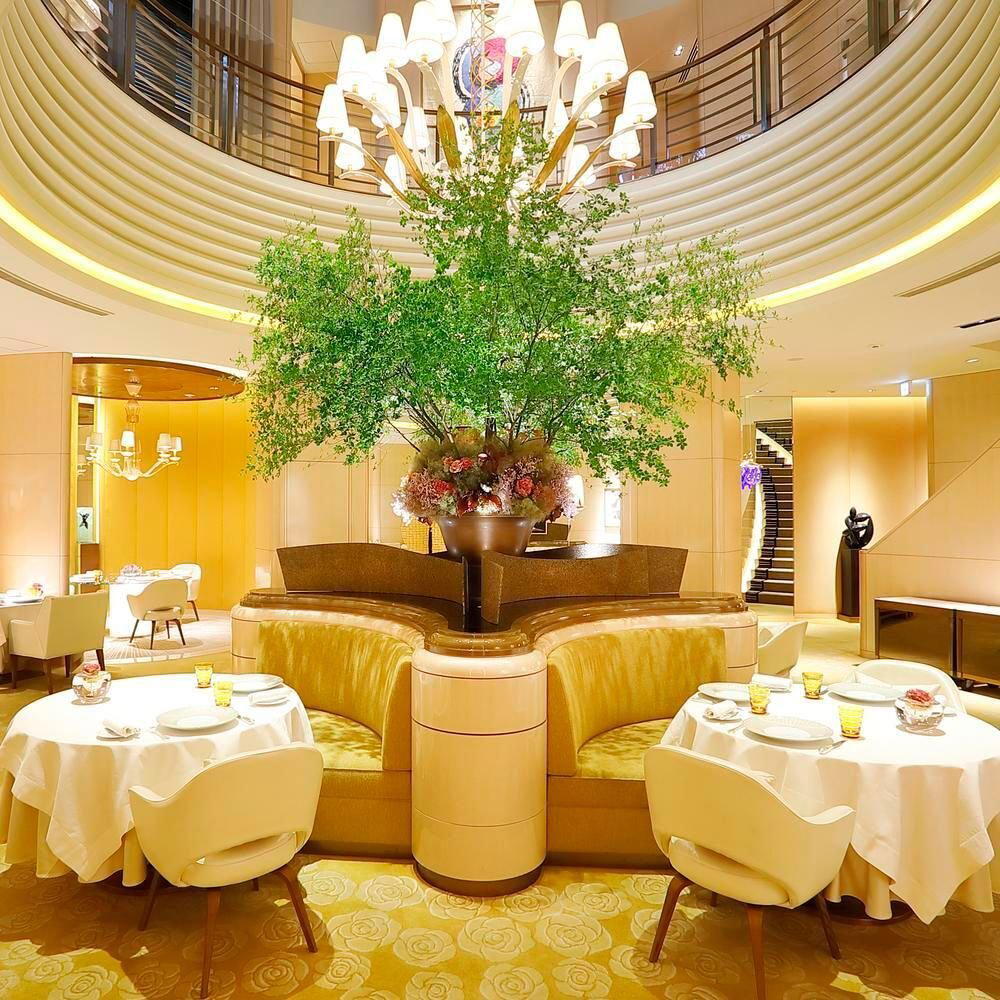


Details
- Elegant
- Sophisticated
- Cozy
- Intimate
- Date Night
- Special Occasion
- Business Dinner
- Private Dining
- Sake Program
- A La Carte
Current opening hours
- Monday
- Closed
- Tuesday
- 11:30 AM–10:30 PM
- Wednesday
- 11:30 AM–10:30 PM
- Thursday
- 11:30 AM–10:30 PM
- Friday
- 11:30 AM–10:30 PM
- Saturday
- 11:30 AM–10:30 PM
- Sunday
- Closed
Hours can change for holidays and private events. Hours as of .
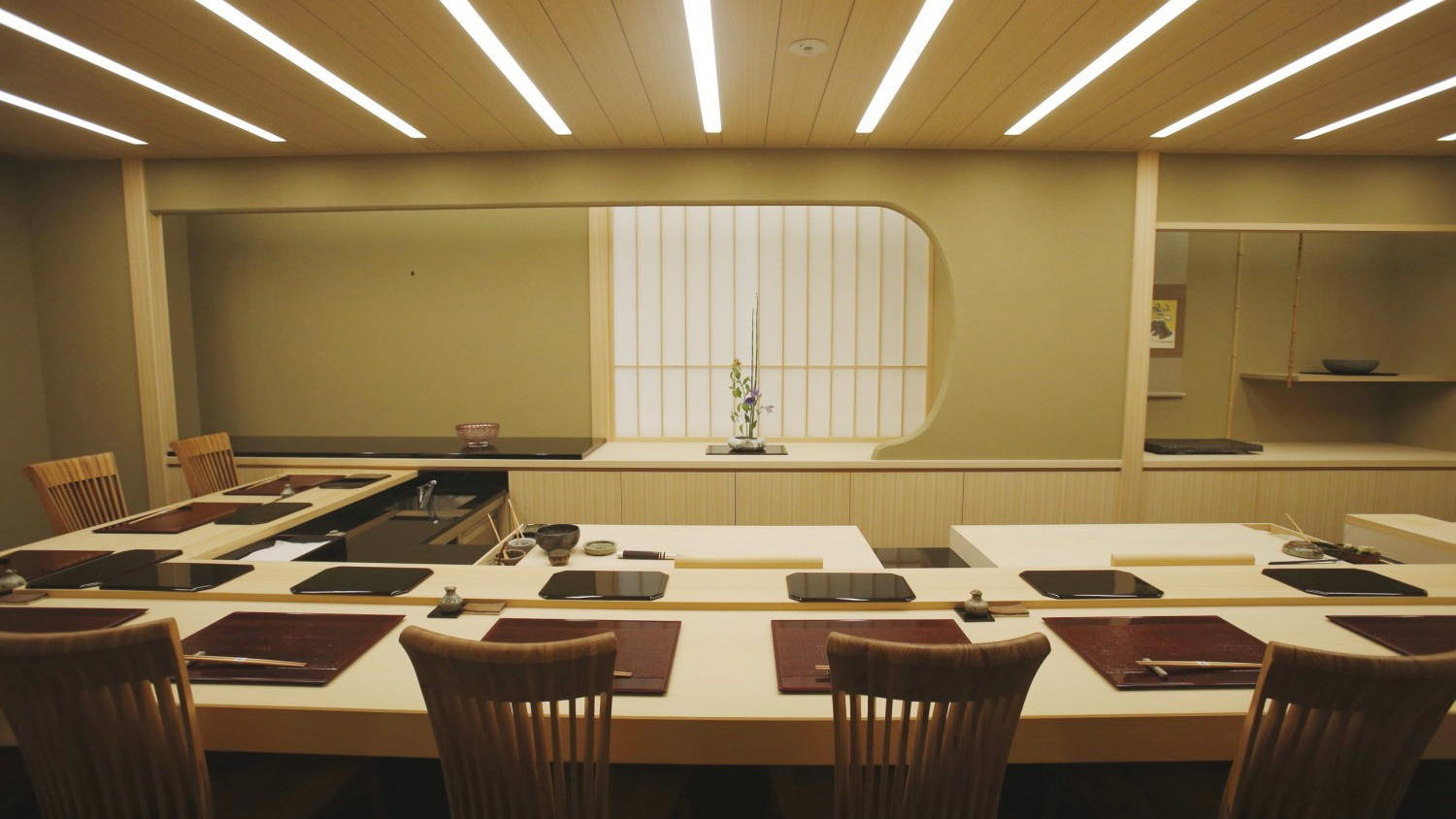
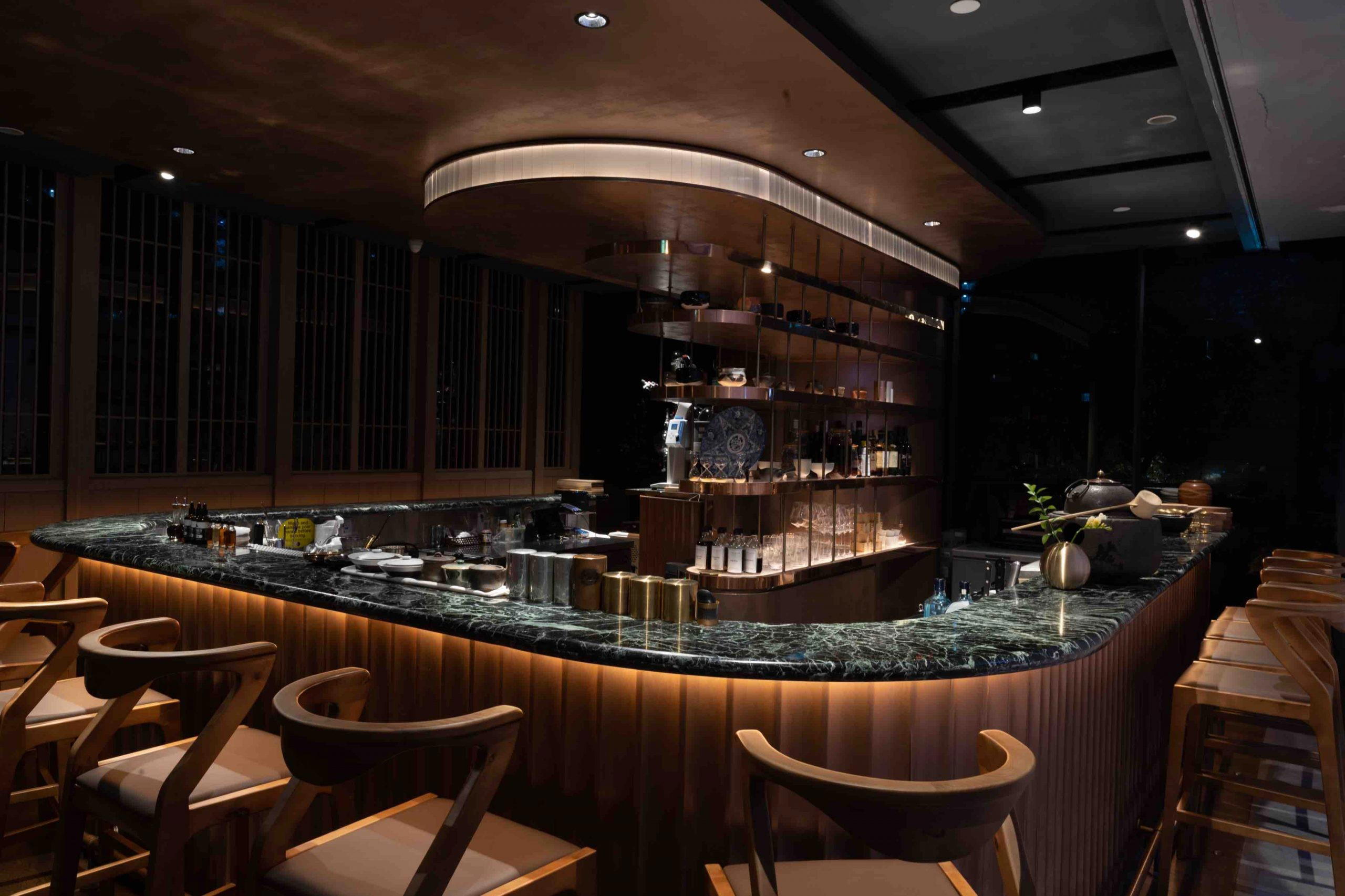
Elegant interior with chandeliers, grand piano, classical music, bright high ceilings, and a calm sophisticated atmosphere.