





2 Michelin Stars · La Liste Top Restaurants · Star Wine List
Our verdict
Inside a converted metal factory on the edge of Salzburg, Senns holds two Michelin stars and a La Liste score of 92 points (2026). Chef Andreas Senn's cooking moves through Austrian produce with a distinctly contemporary hand, pairing brook trout with caviar and carabinero shrimp with quinoa alongside a wine list that draws from across the Alpine arc and beyond. Dinner runs Tuesday through Saturday from 6:30 pm.

Pearl is the En Primeur Club membership app, where members save venues, book tables and use the concierge.
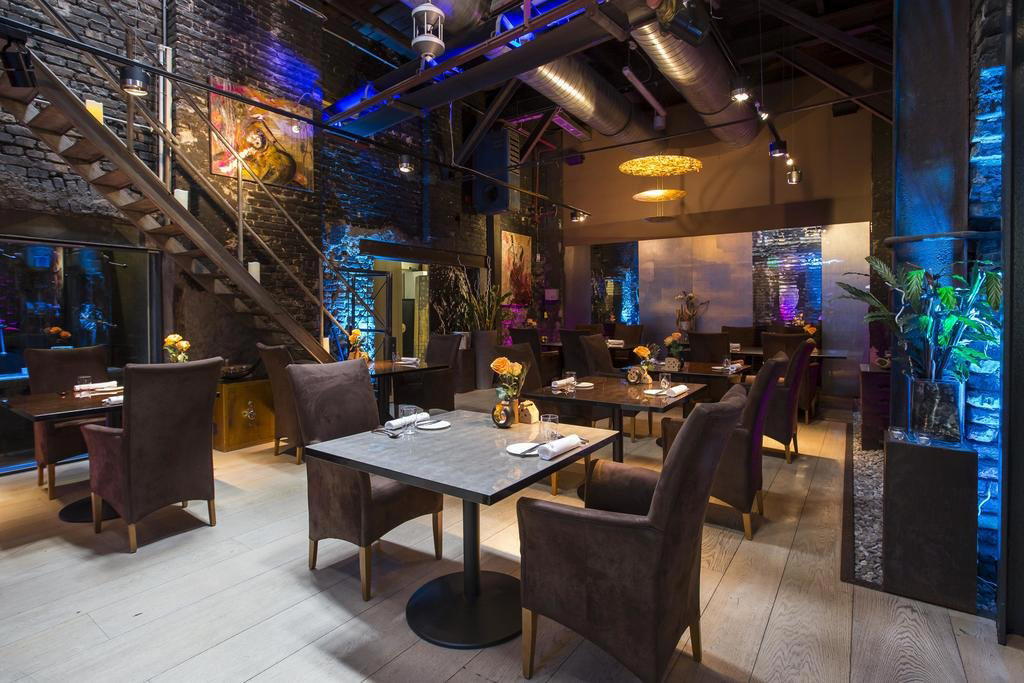
A Former Factory, a Present Ambition
Salzburg's fine dining scene divides roughly into two camps: the historic-centre restaurants that trade on centuries of culinary tradition and festival-season prestige, and a smaller tier of destination addresses that have pushed the city's cooking in a more contemporary direction. Senns belongs firmly to the second group. Installed in a former metal factory on Söllheimer Strasse, the setting signals the kitchen's priorities before a single plate arrives. Industrial bones, repurposed with considered restraint, set the tone for food that draws on Austrian produce without being bound by Austrian convention.
That physical environment matters more than it might first appear. Salzburg's premium restaurant tier tends to cluster around the old town and the river, where heritage architecture and tourist footfall reinforce each other. A room that asks guests to travel slightly further, into a post-industrial neighbourhood, makes a quiet argument: the cooking is reason enough. The two Michelin stars Senns has held through 2024 and 2025, combined with a La Liste score of 93 points in 2025 and 92 in 2026, confirm that the argument holds.
What Andreas Senn Cooks, and Why It Matters to the Scene
Austrian fine dining has spent the past decade working through a productive tension between regionalism and internationalism. At one pole, kitchens anchor every course to named Austrian ingredients and classical preparation methods. At the other, chefs absorb techniques from across Europe and apply them to whatever produce makes sense. Senns sits closer to the second position, and the awards data gives a clear picture of what that looks like in practice.
The La Liste citation describes dishes that move away from established paths, pairing innovation with what it calls remarkable taste contrasts. The verified dish examples bear that out: Tainach brook trout arrives with asparagus, sorrel and caviar; carabinero shrimp come alongside yellow carrots, quinoa and young garlic; hake is prepared ajo blanco-style with green tomatoes and melon. Vegetables are not garnish here but structural elements, placed in dialogue with premium proteins in ways that shift the balance of a plate. That approach positions Senns closer to the contemporary Austrian cooking at Steirereck im Stadtpark in Vienna than to the more classical Alpine register you find at restaurants further into the mountain villages.
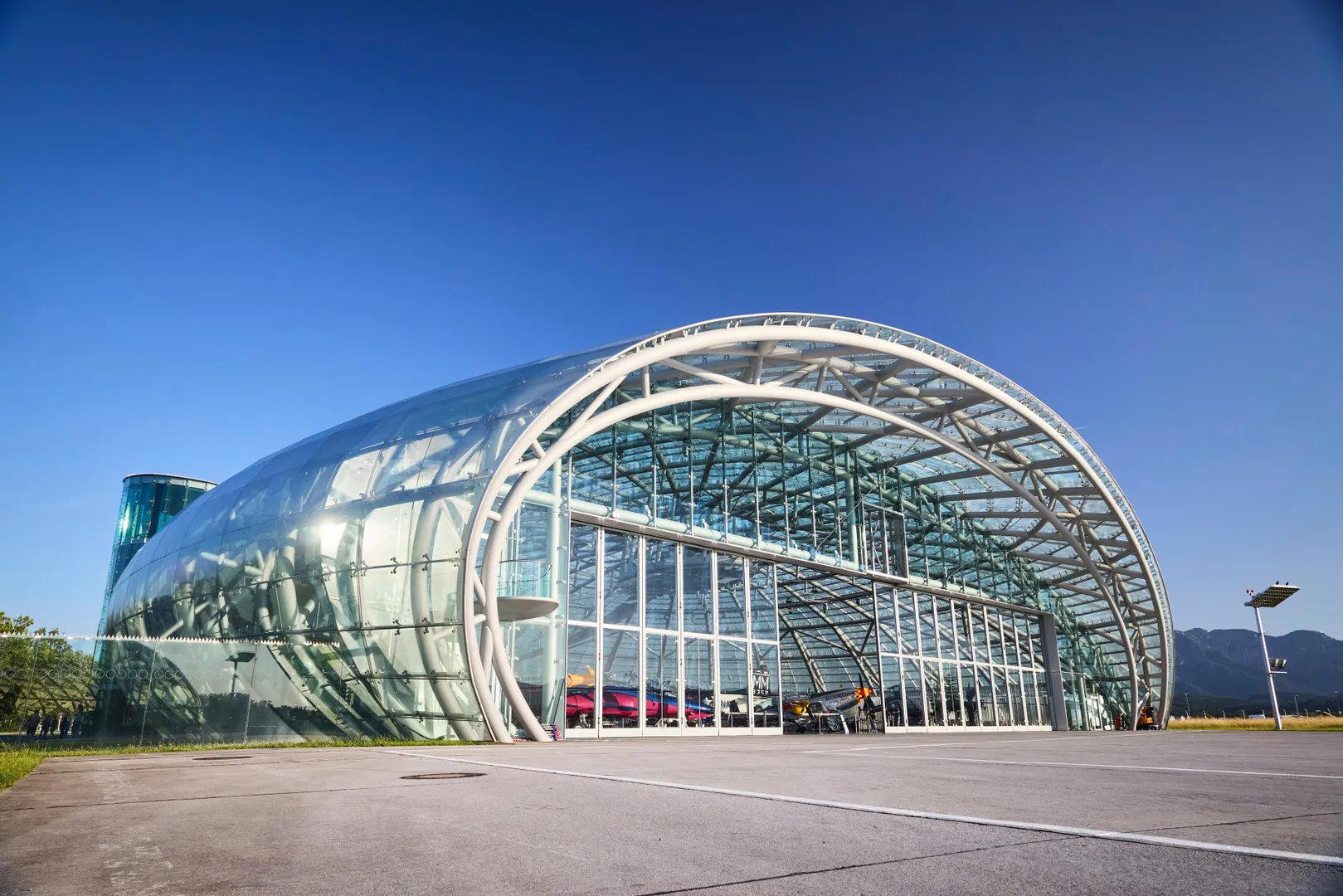
Within Salzburg itself, the comparison set is small but instructive. Ikarus operates a rotating guest-chef format at an airport hangar hotel, which creates a different proposition entirely: the interest there is curatorial rather than chef-driven in the conventional sense. Senns is the city's clearest example of a kitchen with a consistent, identifiable point of view applied across a sustained period. For context on what else the city offers across different registers and price points, see our full Salzburg restaurants guide.
The Wine Programme: Depth in an Alpine Context
The editorial angle here matters because it clarifies what kind of evening Senns is well suited for. Two-Michelin-star cooking of this ambition typically sits alongside a wine programme of equivalent seriousness, and Salzburg's geographic position gives a cellar a genuinely interesting brief to work from.
Austria's wine identity has shifted considerably over the past thirty years. Grüner Veltliner and Riesling from the Wachau and Kamptal remain the structural pillars of any serious Austrian list, but the country's wine culture now includes credible Burgundian-style expressions from Carnuntum and the Thermenregion, ambitious Blaufränkisch from Burgenland, and an increasingly sophisticated orange-wine and natural-leaning tier from Styria.
Salzburg sits at a useful crossroads for wine sourcing: Austria's producing regions are within a few hours by road, but the city's positioning as an international festival destination means both the clientele and the sommelier culture have exposure to a much wider frame of reference. The result, at restaurants operating at this level, tends to be lists that are Austrian-anchored but not Austrian-limited. If you are planning an evening specifically around the wine programme, Tuesday through Saturday from 6:30 pm gives a long window, with service running until midnight.
For a broader view of what the region's wine culture looks like beyond the restaurant table, our full Salzburg wineries guide maps the surrounding producers worth knowing.
Senns in the Wider Austrian Fine Dining Context
The two-Michelin-star tier in Austria is small. Vienna has the most concentration, led by addresses like Steirereck, but the provinces hold several kitchens worth a detour. Döllerer in Golling an der Salzach, roughly thirty kilometres south of Salzburg, has built a reputation around Alpine cuisine with serious technical ambition. Obauer in Werfen, further down the Salzach valley, is one of the longer-established fine dining addresses in the country. Both represent a more regionally rooted approach than Senns, which makes the Söllheimer Strasse address the more cosmopolitan choice within easy reach of the city.
Further afield in the Alpine corridor, Gourmetrestaurant Tannenhof in Sankt Anton am Arlberg, Griggeler Stuba in Lech, and Kräuterreich by Vitus Winkler in Sankt Veit im Pongau each represent the mountain-resort fine dining tier, where the seasonal rhythm of ski and summer tourism shapes the kitchen calendar in ways that urban addresses like Senns are not subject to. Senns operates year-round (within its Tuesday–Saturday schedule), which gives it a consistency of kitchen focus that resort restaurants, with their compressed high seasons, do not always maintain.
Opinionated About Dining, one of the more data-driven European restaurant ranking systems, placed Senns at number 237 in its 2025 Classical in Europe list, up from 258 in 2024 and a general recommendation in 2023.
Around the Table: Salzburg Beyond Senns
Senns is an evening-only address, closed Sunday and Monday, which means it works well as the anchor of a longer Salzburg stay rather than a single-meal visit. The city's other dining options cover a wide spread of registers. Gasthof Schloss Aigen and Goldener Hirsch represent the historic-property end of the spectrum, where traditional Austrian hospitality and heritage rooms form a large part of the proposition. Huber's im Fischerwirt and Meissl & Schadn occupy a more mid-range position. 1er Beisl im Lexenhof near the Attersee lake, and Cafe Sabarsky in New York City, offer perspectives on what Austrian cooking looks like when it travels beyond its home geography.
For pre- or post-dinner reference: our full Salzburg bars guide covers the city's cocktail and wine bar options, and our full Salzburg hotels guide maps accommodation across the old town and surrounds. Our full Salzburg experiences guide covers the cultural programming that makes the city worth extending a stay for.
Planning Your Visit
Senns serves dinner from 6:30 pm, closing at midnight, Tuesday through Saturday. The address is Söllheimer Strasse 16, 5020 Salzburg, in a converted factory building north of the old town. Given the two-star status and the La Liste recognition, booking well in advance is the practical starting point. Arriving at the earlier end of the service window gives the most time to move through a full menu with appropriate pacing, and leaves room for the wine programme to develop over the course of an evening without the pressure of a late-night close.
What Should I Eat at Senns?
The kitchen's confirmed approach centres on Austrian produce treated with contemporary technique and a deliberate attention to contrast. The verified examples from the awards record give the clearest steer: Tainach brook trout with asparagus, sorrel and caviar shows the kitchen's ability to layer freshwater fish with acidic and saline counterpoints; carabinero shrimp with yellow carrots, quinoa and young garlic applies a similar logic to premium crustacean; hake ajo blanco with green tomatoes and melon demonstrates the willingness to reach outside Austrian culinary vocabulary when the combination demands it. Vegetables carry real weight across the menu rather than serving as background. Chef Andreas Senn's two Michelin stars and consistent upward movement in the Opinionated About Dining rankings across 2023–2025 are the clearest evidence that this approach has been sustained at a high level over time, not just at a single high-profile moment.
Frequently asked questions
What should I eat at Senns?
Andreas Senn's kitchen builds dishes around Austrian produce and deliberate flavour contrast rather than classical richness. La Liste's 2026 jury cited specific combinations, Tainach brook trout with asparagus, sorrel and caviar; Carabinero shrimp with yellow carrots, quinoa and young garlic; and hake ajo blanco with green tomatoes and melon, as representative of the approach. Vegetables are given structural weight rather than treated as garnish, which distinguishes the menu from more protein-centred Austrian fine dining. The kitchen holds 2 Michelin stars, so the tasting menu format is the logical way to cover the range.
When is Senns open?
Hours at Senns: Hours: Monday Closed Tuesday 6:30 pm–12 am Wednesday 6:30 pm–12 am Thursday 6:30 pm–12 am Friday 6:30 pm–12 am Saturday 6:30 pm–12 am Sunday Closed.
Where is Senns located?
Senns is located at Söllheimer Str. 16, 5020 Salzburg, Austria, Salzburg.
Cuisine Context
A quick peer check to anchor this venue’s price and recognition.
| Venue | Cuisine | Price | Awards | Notes |
|---|---|---|---|---|
| SennsThis venue (the venue you are viewing) | Modern Cosmopolitan Fine Dining | Not listed | 2 Michelin Stars · La Liste Top Restaurants | Not listed |
| Ikarus | Guest Chef Fine Dining | $200–300 | 2 Michelin Stars · La Liste Top Restaurants | Modern European, Creative |
| Esszimmer | Modern French Fine Dining | $100–150 | 1 Michelin Star · Falstaff Restaurant - 95 Falstaff Points | Modern Austrian, Creative |
| Pfefferschiff | Modern Austrian Fine Dining | $100–150 | 1 Michelin Star · Falstaff Restaurant - 95 Falstaff Points | Creative |
| Animo by Aigner | Mediterranean Seasonal Trattoria | $50–100 | Michelin Plate | Mediterranean Cuisine |
| Brandstätter | Creative Austrian Regional Cuisine | $50–100 | Michelin Bib Gourmand | Country cooking |
Recognition history
Dated appearances from independent guides and award organizations, with the underlying list record or original source where available.
Michelin 2 Stars
Michelin
La Liste Top Restaurants
La Liste
Star Wine List
Star Wine List
Falstaff Restaurant - 98 Falstaff Points
Falstaff
Opinionated About Dining Classical in Europe Ranked #237
Opinionated About Dining
Full recognition history (11 entries)
La Liste Top Restaurants
La Liste
Michelin 2 Stars
Michelin
We're Smart World 2 Radishes
We're Smart World
Michelin 2 Stars
Michelin
Opinionated About Dining Classical in Europe Ranked #258
Opinionated About Dining
Opinionated About Dining Classical in Europe Recommended
Opinionated About Dining
Continue exploring
More in Salzburg
Restaurants in Salzburg
All restaurants in Salzburg →
Details
- Industrial
- Modern
- Elegant
- Sophisticated
- Special Occasion
- Celebration
- Business Dinner
- Date Night
- Open Kitchen
- Historic Building
- Extensive Wine List
- Tasting Menu
- Vegetarian Friendly
- Pescatarian Friendly
Current opening hours
- Monday
- Closed
- Tuesday
- 6:30 PM–12 AM
- Wednesday
- 6:30 PM–12 AM
- Thursday
- 6:30 PM–12 AM
- Friday
- 6:30 PM–12 AM
- Saturday
- 6:30 PM–12 AM
- Sunday
- Closed
Hours can change for holidays and private events. Hours as of .
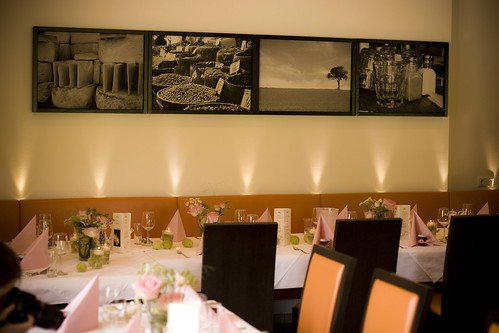
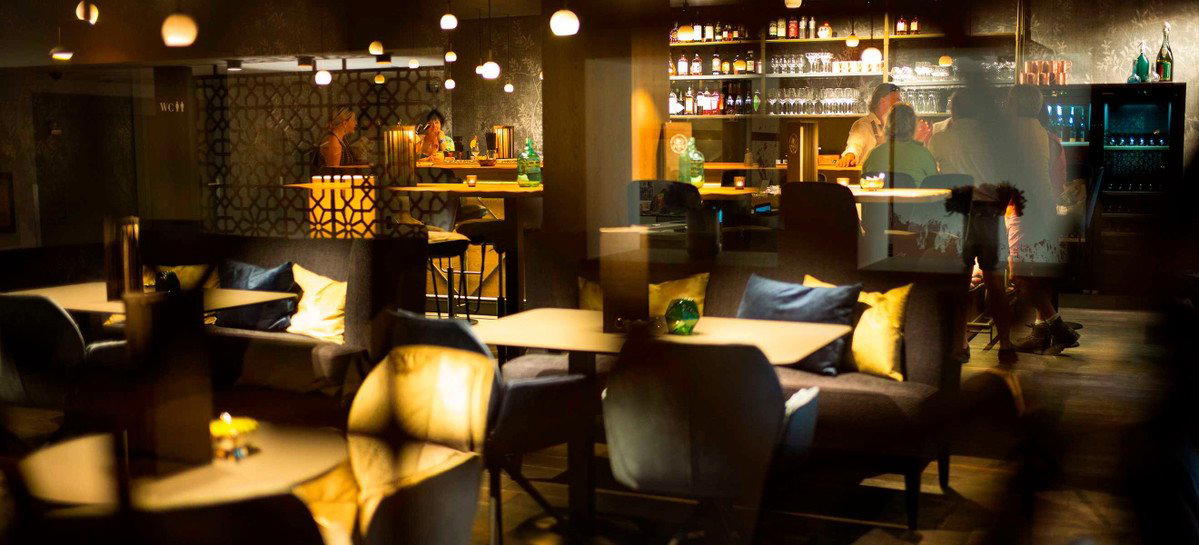
Industrial chic with exposed brick walls, enormous bell centerpiece, and modern design creating a sacred yet relaxed atmosphere around the bustling open kitchen.