The Nagoya outpost of Florence's Enoteca Pinchiorri brings one of Italy's most decorated wine-and-food programs to a city better known for miso katsu and kishimen. Positioned in Meieki near Nagoya Station, it occupies the upper bracket of Italian fine dining in central Japan, where the menu architecture draws on classical European structure while sourcing ingredients from the Japanese market.
 Discover on Pearl
Pearl is the En Primeur Club membership app — saves, bookings, and concierge access live there. Same editors, same standards.
- Address
- 4 Chome-7-1 Meieki, Nakamura Ward, Nagoya, Aichi 450-0002, Japan
- Phone
- +81 52-527-8831
- Website
- ep-nagoya.jp
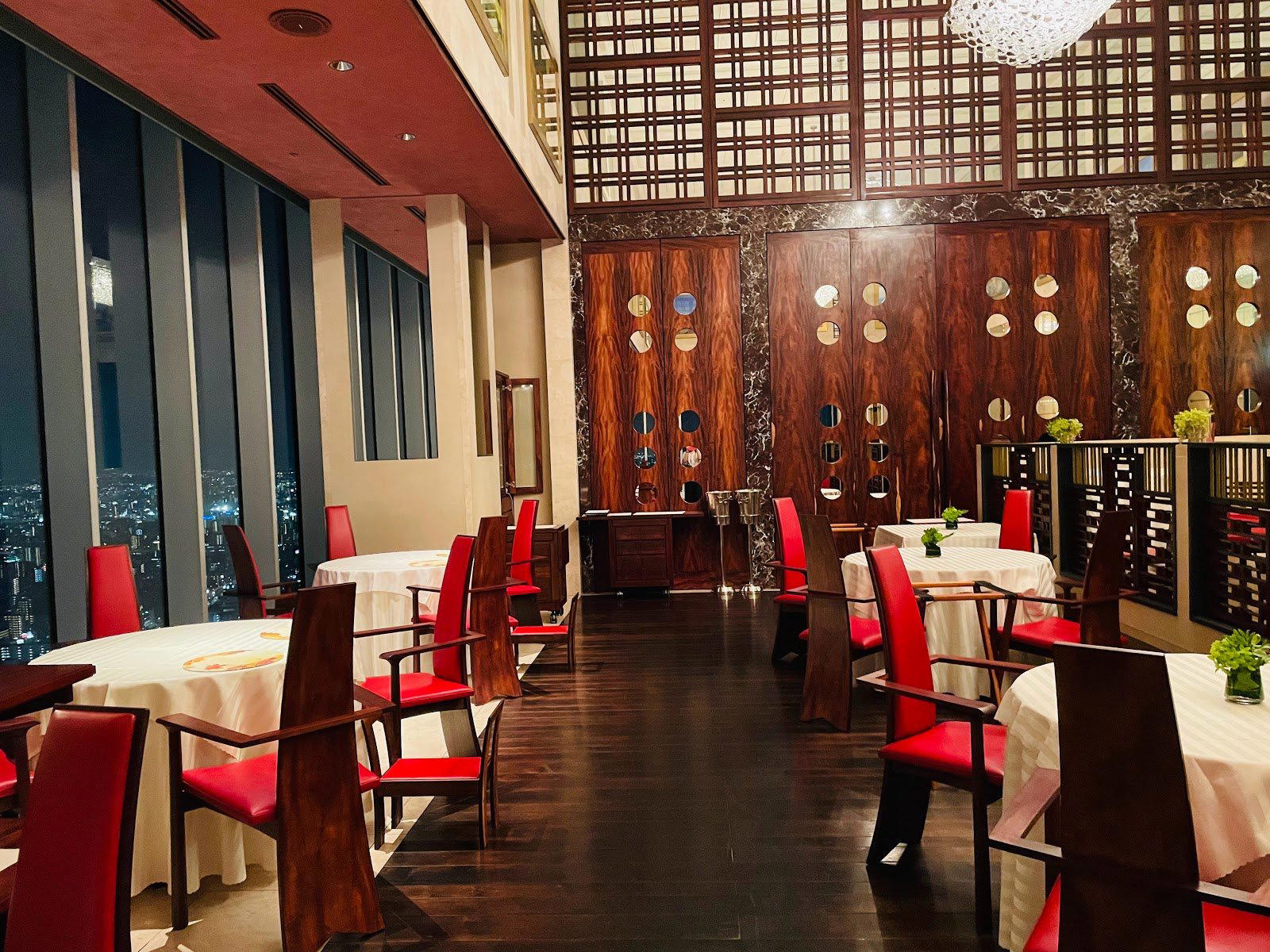
Italian Fine Dining at the Edge of the Shinkansen Belt
Nagoya sits at a peculiar crossroads in Japan's fine-dining geography. It is large enough to sustain serious restaurants across multiple cuisines, yet it has historically operated in the shadow of Tokyo, Osaka, and Kyoto when international food media assigns prestige. That gap has closed considerably over the past decade, and the city's Meieki district, anchored by the commercial density around Nagoya Station, now holds a collection of European-format restaurants that compete on the same terms as their counterparts in bigger cities. Enoteca Pinchiorri is a restaurant in Nagoya, Aichi, serving modern Tuscan-Italian fine dining in a formal setting at about $150 per person.
That combination, Italian ingredients and technique held to a high formal standard rather than allowed to drift into rustic informality, gave the Florence house a distinct identity in European dining. The Nagoya address inherits that positioning: this is not the kind of Italian restaurant where the menu is organized around casual sharing or regional comfort. The format is formal, the pacing is deliberate, and the wine program is expected to carry weight equal to the food.
How the Menu Is Built, and What That Tells You
In Italy's leading formal restaurants, and in their licensed or affiliated exports, the menu tends to reveal a set of priorities through its architecture before a single dish arrives. The progression matters. Antipasto is not an afterthought; it sets the register. Pasta courses, where they appear, are treated as standalone statements rather than bridges between courses. And the relationship between what is on the plate and what is in the glass is made explicit through pairing rather than left to the diner's improvisation.
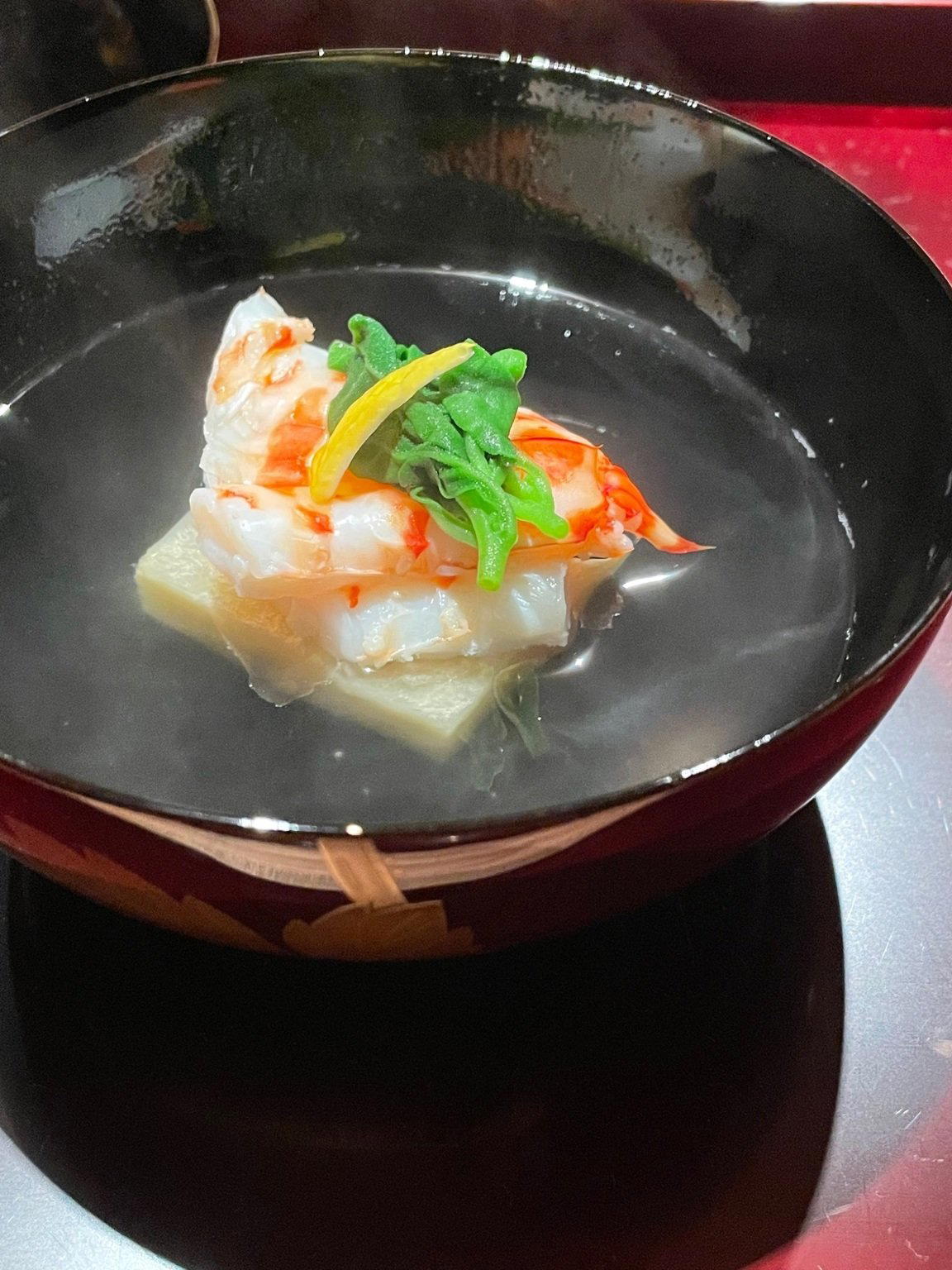
At the Nagoya address, that classical Italian menu architecture meets a Japanese sourcing context. Japan's ingredient quality across seafood, produce, and beef is well documented, and the question for any European-format kitchen operating here is how to absorb those ingredients without compromising the logic of the original cuisine. The leading Italian restaurants in Japan have answered that question by treating Japanese ingredients as raw material for Italian technique rather than as signals of fusion. The result, when executed well, is a menu that reads as coherent Italian fine dining while drawing on a larder that Italian kitchens in Europe cannot access.
For diners comparing notes across Japan's Italian fine dining circuit, the structural comparison is useful. Cucina Italiana Gallura and cucina Wada represent Nagoya's Italian dining in different registers, while Bacio and Chez Kobe offer European-format options within the same city's upper price tier. The Enoteca Pinchiorri name, however, carries a specific lineage that places it in a different competitive conversation, one that extends beyond Nagoya to the broader network of serious Italian addresses across Japan.
Nagoya's Position in Japan's Fine Dining Circuit
Understanding where Enoteca Pinchiorri Nagoya sits requires a brief account of how fine dining flows across the country. Tokyo and Osaka absorb most of the international attention, with addresses like HAJIME in Osaka representing the kind of restaurant that generates discussion well beyond Japan's borders. Kyoto operates on its own terms, with Gion Sasaki among the kaiseki addresses that define how international visitors understand Japanese formal dining. Nagoya, by contrast, is known domestically for its own food culture, centered on dishes like hitsumabushi and the miso-based preparations associated with the region, exemplified by establishments such as Atsuta Horaiken.
Against that local-identity backdrop, a restaurant carrying a Florentine fine-dining name is a statement about the city's appetite for international formats at a serious level. It sits alongside the broader pattern visible across Japan's secondary cities, where affetto akita in Akita, akordu in Nara, and Goh in Fukuoka each demonstrate that high-level European or European-influenced dining is no longer confined to the three major metropolitan clusters. Readers planning Japan itineraries that extend beyond Tokyo should note this pattern: the strongest dining experiences outside the capital are often concentrated in cities with the economic base to support a regular clientele of business travelers and local residents who eat at this level consistently.
The Wine Program as Structural Pillar
Any account of Enoteca Pinchiorri that does not address the wine program misses the point of the restaurant's identity. The Florence original built its global reputation as much on its cellar as on its kitchen, and that emphasis on wine as an equal partner to food is what distinguishes the format from other Italian fine-dining operations. In a Japanese context, where the native fine-dining tradition is largely beverage-agnostic at the formal kaiseki level (sake pairings being the exception), a restaurant that foregrounds a European wine program is making a specific claim about its audience and its format.
For diners planning around the wine program, the practical implication is that the full experience here is designed around a pairing menu rather than a la carte wine selection. That structure places it closer to the model of European Michelin-format restaurants than to the more flexible wine approaches common at Japanese fine-dining addresses. Comparably structured programs in the Japan market can be found at addresses like Harutaka in Tokyo, though the cuisine contexts differ considerably.
Planning a Visit: What to Know Before You Book
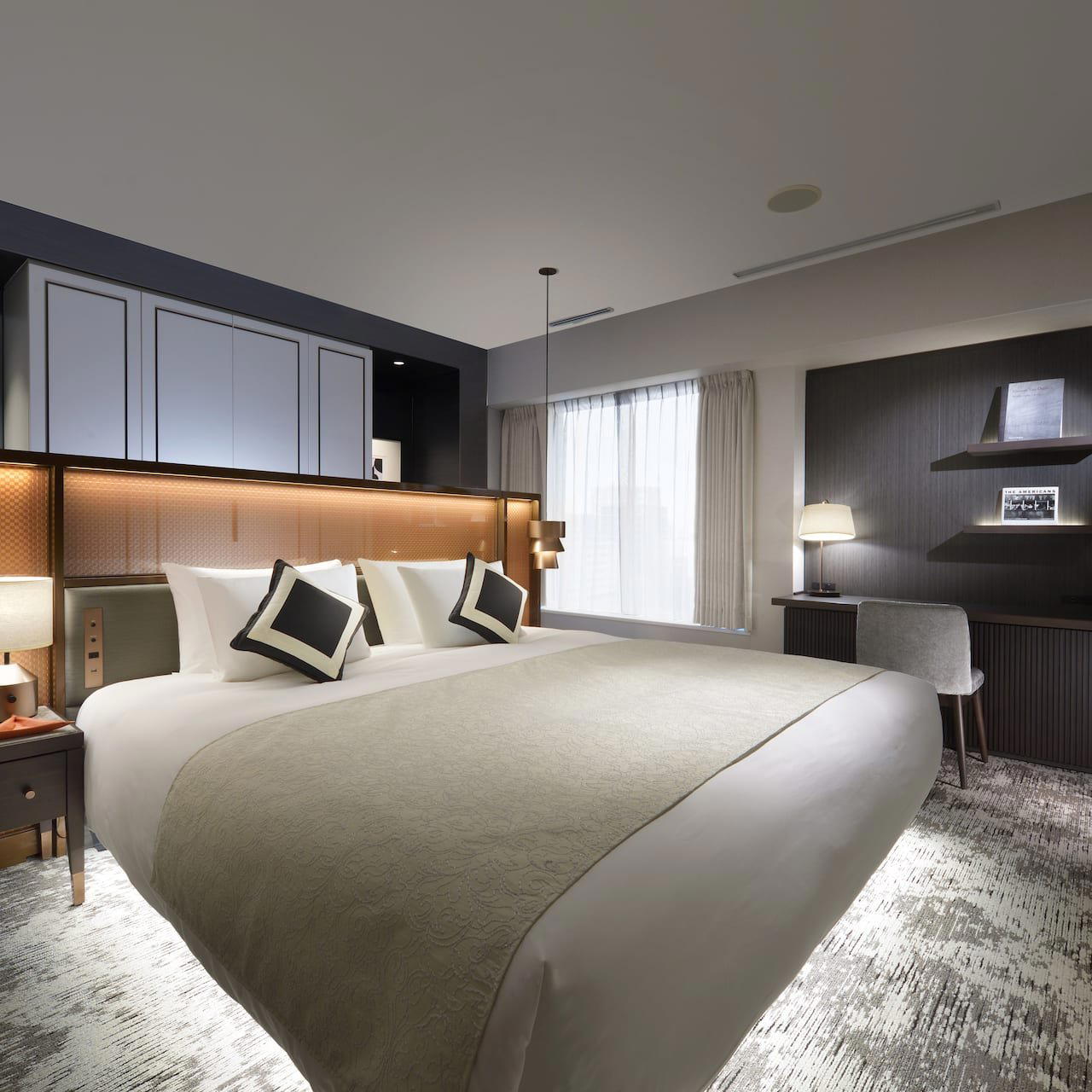
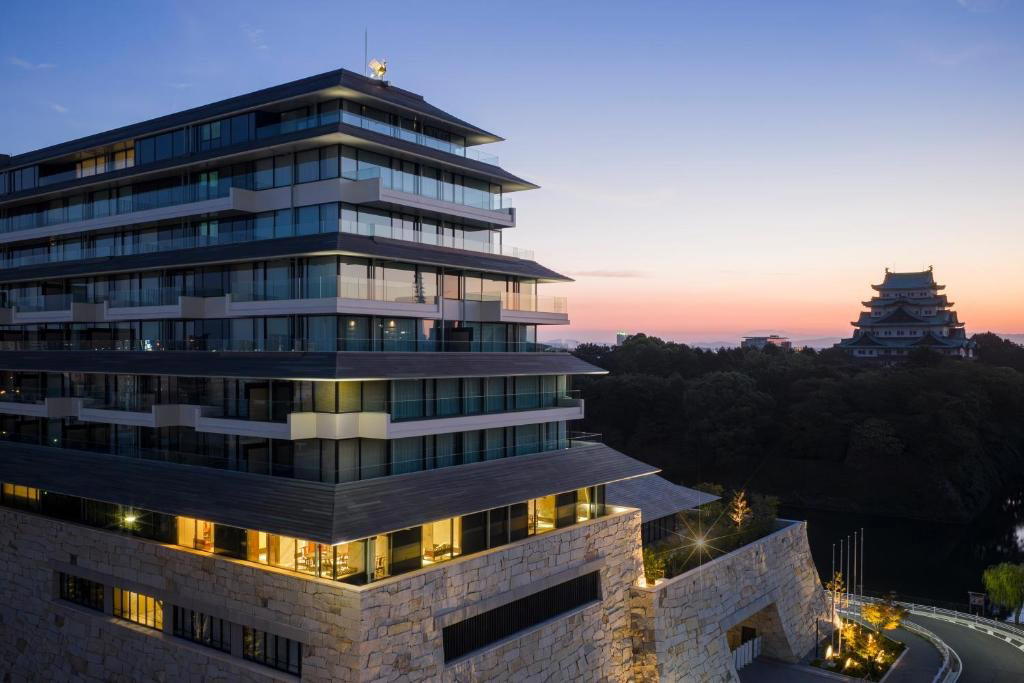
The Meieki address in Nakamura Ward puts the restaurant within practical distance of Nagoya Station, which is itself a Shinkansen hub connecting to Tokyo, Osaka, and Kyoto. For visitors building a multi-city Japan itinerary, Nagoya works as a day-trip stop or a one-night addition to a longer route, and the station's proximity makes arrival and departure direct without requiring a separate transfer. The restaurant's positioning in a dense commercial district means the surrounding area is hotel-rich, with options at multiple price points within walking distance.
Given the format, walk-in availability at the highest-tier menu is unlikely on short notice, particularly for dinner. Advance booking is essential.
Awards and Standing
Comparable venues nearby, for context on price, style, and recognition.
| Venue | Cuisine | Price | Awards | Notes |
|---|---|---|---|---|
| Enoteca PinchiorriThis venue — the venue you are viewing | Modern Tuscan-Italian Fine Dining | $$$$ | , | |
| セッタンタ | Modern Italian Fine Dining | $$$$ | , | Higashi |
| 日本のイタリア料理店 sai | Japanese Italian Cuisine | $$$$ | , | Naka |
| Itsuki | Italian | $$$$ | , | Naka |
| La Violetta | Italian | $$$ | , | Higashi |
| イル アオヤマ | Japanese-Italian Fusion Omakase | $$$$ | , | Higashi |
Continue exploring
More in Nagoya
Restaurants in Nagoya
Browse all →
At a Glance
- Elegant
- Sophisticated
- Opulent
- Special Occasion
- Business Dinner
- Date Night
- Panoramic View
- Wine Cellar
- Extensive Wine List
- Sommelier Led
- Skyline
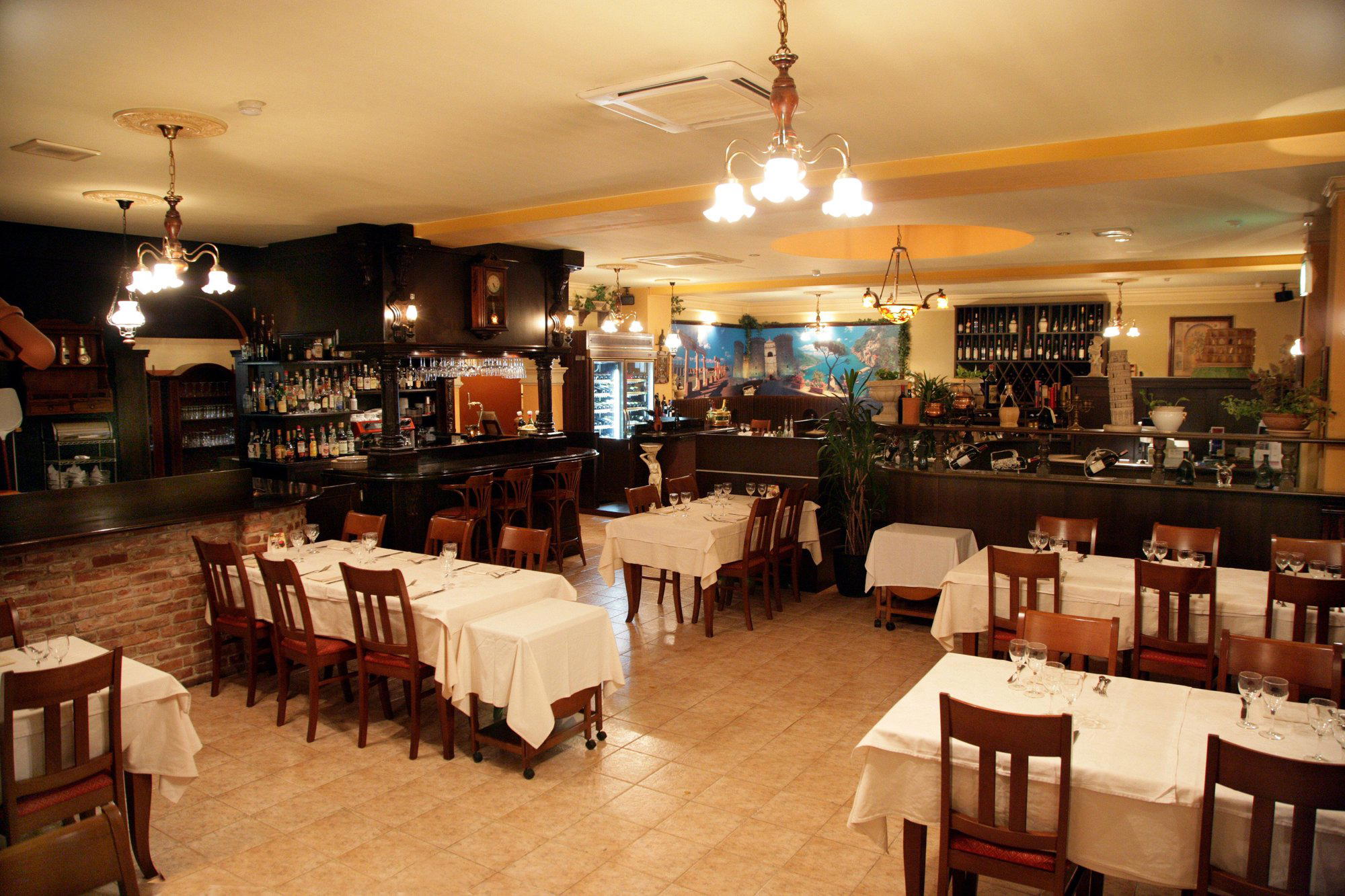
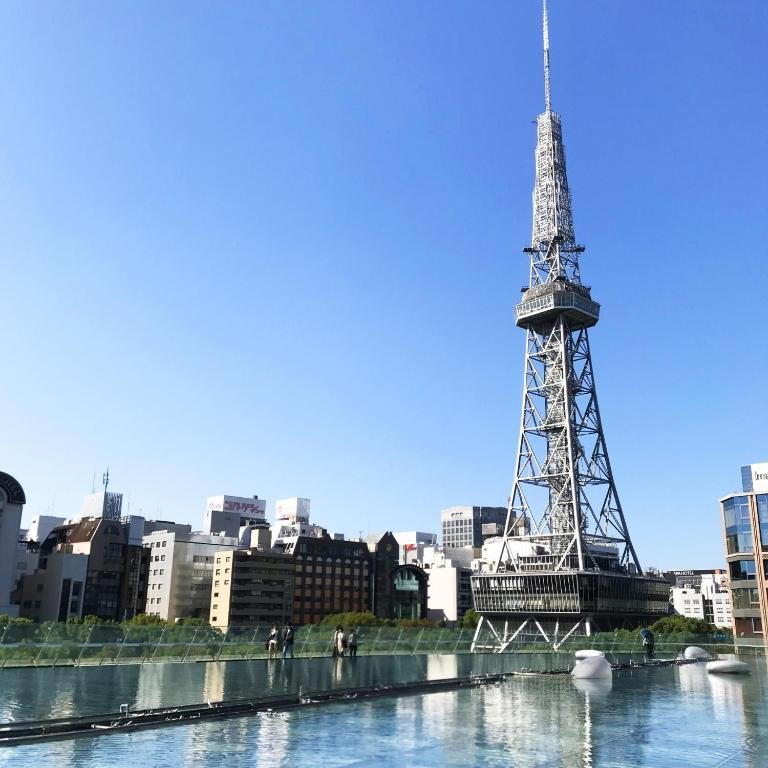
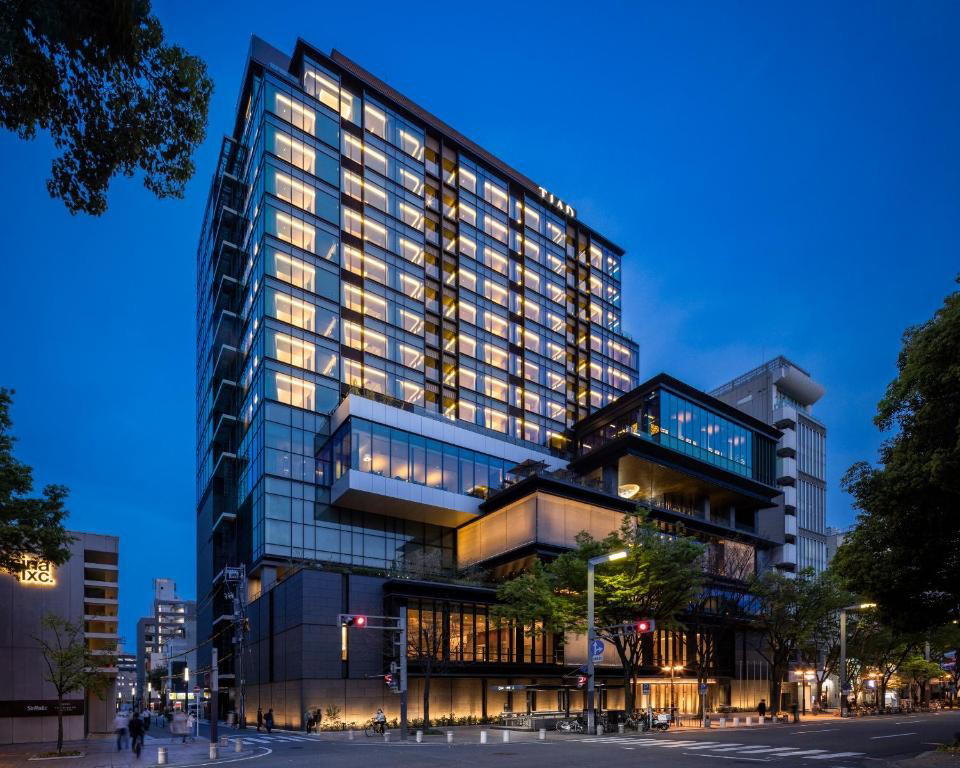
Elegant and formal with window-lined seating providing breathtaking city skyline views from 200 meters above ground, creating a sophisticated high-altitude dining atmosphere.