
Tabelog Bronze #380
Our verdict
Positioned near Tsuruma Park in Nagoya's Naka Ward, 日本のイタリア料理店 sai occupies the quieter end of Nagoya's Italian dining scene, where Italian technique meets Japanese ingredient sensibility. The address places it a short walk from the park's eastern edge, in a residential pocket that rewards those who seek it out. Regulars return for the focused cooking rather than the fanfare.

Pearl is the En Primeur Club membership app, where members save venues, book tables and use the concierge.
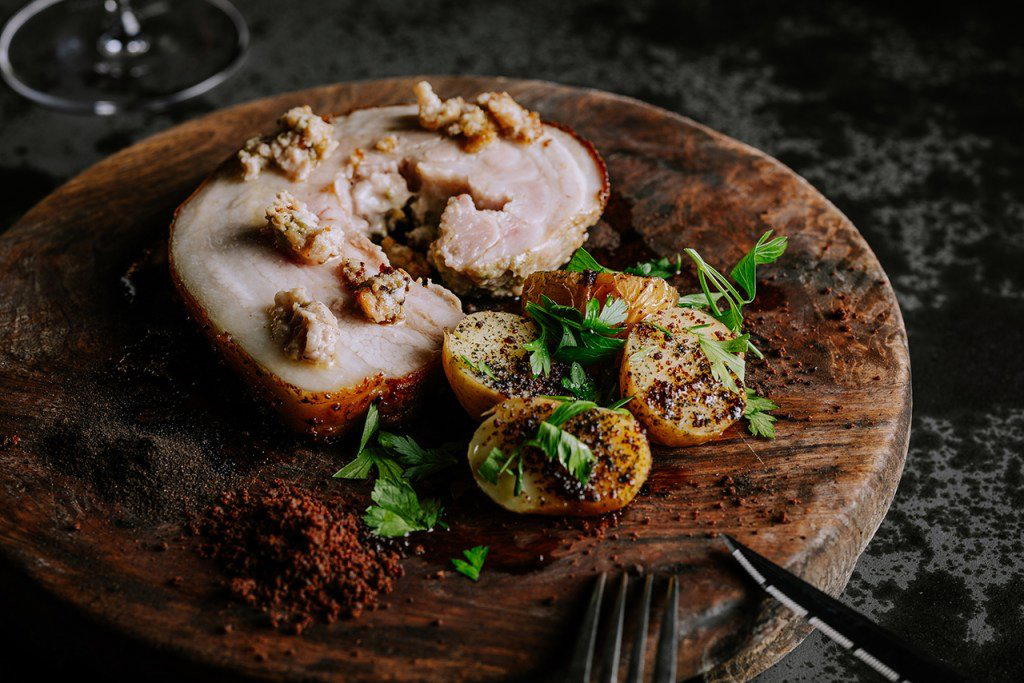
Where Tsuruma Park Meets the Italian Table
In Nagoya's Naka Ward, the blocks surrounding Tsuruma Park follow a familiar pattern: a few well-worn kissaten, a cluster of local izakaya, and the occasional specialist restaurant that survives on a core of loyal regulars rather than passing foot traffic. 日本のイタリア料理店 sai sits in that last category, occupying a unit within the Guriin Haitsu Tsuruma Kouen building on Chiyoda 2-chome. The setting is residential rather than destination-restaurant theatrical, which tends to filter the clientele in a particular direction. People who find it are usually looking specifically for it, and many of them come back.
That pattern of return visits is worth examining, because it tells you something about how this corner of Nagoya's Italian scene functions. Across Japan, Italian cooking has evolved from a simple Western import into a genre with its own regional grammar. In cities like Nagoya, where dining culture runs deep across formats from eel houses like Atsuta Horaiken to more internationally influenced rooms, Italian restaurants compete not on novelty but on precision and consistency. The regulars at a place like sai are not novelty-seekers. They are people who have worked out exactly what they want from a neighbourhood Italian and found it here.
The Nagoya Italian Context
Nagoya's Italian dining tier covers a wide range. At one end sit formal tasting-menu rooms; at the other, trattorias built around pasta and shared plates. The interesting middle ground belongs to places that apply genuine Italian technique to seasonal Japanese produce without making a performance of the fusion. This is not a new idea in Japan, where the Italian influence arrived in force during the 1980s and 1990s and has since been thoroughly absorbed and reinterpreted. What distinguishes the better practitioners in that middle tier is discipline: knowing when to stay close to source material and when Japanese ingredients genuinely improve on Italian originals.
Nagoya's geography matters here too. The city sits in the centre of Honshu with access to Mikawa Bay seafood, Aichi Prefecture's agricultural output, and the mountain produce of Gifu to the north. That ingredient proximity gives kitchens in this region a different pantry from Tokyo or Osaka. Italian cooking that draws on those materials tends to read as distinctly local even when the techniques are classically Italian. For comparison, the cross-pollination of French and Japanese traditions at places like HAJIME in Osaka shows how far that synthesis can go at the leading end; sai occupies a more grounded register.
The Regulars' Perspective
The editorial angle that matters most for understanding 日本のイタリア料理店 sai is not awards or press recognition, but the logic of repeat visits. Restaurants that survive on a regular clientele in residential or semi-residential neighbourhoods do so through a different mechanism than destination restaurants. The cooking has to hold up on a Tuesday in February as reliably as on a Friday evening in October, because the people coming back are not arriving on a special occasion. They are there because the food meets their standard consistently.
This is a more demanding test than it might appear. Across Nagoya's Italian dining scene, places like Bacio and cucina Wada have built followings that extend well beyond their immediate neighbourhoods. The comparison is instructive: what those restaurants offer is a level of craft that justifies the effort of going out of your way. A neighbourhood restaurant like sai operates on a shorter radius but with a similar internal logic. The regulars are the editorial.
What keeps a regular coming back to a Japanese-Italian room in a park-adjacent residential block tends to be a combination of factors: a menu that shifts with the season rather than staying fixed, a room that does not perform for tourists, and cooking that does not over-explain itself. Whether sai meets all of those criteria specifically is not something the available record allows us to state with precision, but the profile of the location and the format strongly suggests a kitchen oriented toward that kind of hospitality rather than toward ceremony or spectacle.
Where sai Sits in the Wider Japanese Italian Scene
Japanese interpretations of Italian cooking have attracted serious critical attention nationally and internationally. Restaurants like Cucina Italiana Gallura in Nagoya demonstrate that the city has its own serious Italian practitioners. Further afield, places like akordu in Nara show how European techniques applied to Japanese ingredients can produce something that operates on its own terms entirely. The spectrum runs from rigorous Michelin-level productions to honest neighbourhood rooms, and the best of the latter category is not lesser for its register, only differently calibrated.
In the broader Tokai region context, Nagoya's dining culture has its own strong identity, shaped partly by the city's history as a commercial hub and partly by the ingredient wealth of Aichi Prefecture. Restaurants that have been covered in our full Nagoya restaurants guide reflect the range of that culture, from traditional formats to contemporary international cooking. Sai represents the kind of specialist local room that anchors a neighbourhood's dining identity without necessarily seeking a wider stage.
For those interested in how Italian cooking translates across Japan's cities and registers, the contrast with high-end Japanese kitchens operating in European modes, such as Gion Sasaki in Kyoto or Goh in Fukuoka, is useful calibration. Those rooms operate at a different altitude, but they share the underlying premise: Japanese ingredients and sensibility applied to non-Japanese culinary frameworks, executed with enough seriousness that the result becomes its own thing rather than a copy.
Planning Your Visit
Know Before You Go
- Address: 〒460-0012 Aichi, Nagoya, Naka Ward, Chiyoda 2-chome-8-17, Guriin Haitsu Tsuruma Kouen, Unit E
- Nearest landmark: Tsuruma Park, eastern side
- Pricing: Not confirmed; neighbourhood Italian rooms in Nagoya's Naka Ward typically range from mid-tier lunch sets to slightly higher dinner formats
- Seasonal note: Japanese-Italian kitchens of this type tend to shift menus with the season; autumn and spring bring the most interesting produce windows in the Aichi region
Frequently asked questions
How do I find 日本のイタリア料理店 sai?
日本のイタリア料理店 sai is located at Japan, 〒460-0012 Aichi, Nagoya, Naka Ward, Chiyoda, 2 Chome−8−17 グリーンハイツ鶴舞公園 E号, Nagoya.
Is 日本のイタリア料理店 sai a good choice for a solo dinner near Tsuruma Park in Nagoya?
Located at 2 Chome-8-17 Chiyoda in Naka Ward, sai sits within a few minutes of Tsuruma Park, an area where casual kissaten and izakaya outnumber destination restaurants, which makes a focused Italian kitchen here a deliberate choice rather than a convenience.
What should I eat at 日本のイタリア料理店 sai?
The kitchen operates under a Japanese reading of Italian tradition, which in Nagoya's mid-tier Italian scene typically means seasonal course menus built around local Aichi produce reframed through Italian technique.
What's the best way to book 日本のイタリア料理店 sai?
The address is 2 Chome-8-17 Chiyoda, Naka Ward, Nagoya, visiting or asking locally near Tsuruma Park is a practical first step. Smaller Japanese Italian rooms of this profile often accept reservations through Tabelog or Instagram DM, so checking those platforms is worth the effort.
How does 日本のイタリア料理店 sai handle allergies?
Smaller course-menu restaurants in Japan, including those in Nagoya's Naka Ward, typically require allergy information at the time of booking rather than on arrival, the fixed-menu format leaves little room for same-day substitutions. Communicating dietary restrictions in advance, preferably in writing and in Japanese, is standard practice at this type of restaurant.
Same-City Peers
Comparable venues nearby, for context on price, style, and recognition.
| Venue | Cuisine | Price | Awards | Notes |
|---|---|---|---|---|
| 日本のイタリア料理店 saiThis venue (the venue you are viewing) | Japanese Italian Cuisine | $100–150 | Tabelog Bronze #380 | Not listed |
| OLMO | Seasonal Italian in a renovated Nagoya kominka | $150–200 | Tabelog 100 #92 | Nishi |
| イル アオヤマ | Japanese-Inflected Italian Cuisine | $300–500 | Tabelog Silver #42 | Higashi |
| Enoteca Pinchiorri | Modern Tuscan-Italian Fine Dining | Not listed | Not listed | Nakamura |
| Siculamente | Sicilian Italian | $50–100 | Tabelog 100 #94 | Naka |
| Centro | Seasonal Italian Omakase in Nagoya | $100–150 | Tabelog 100 #87 | Higashi |
Recognition history
Dated appearances from independent guides and award organizations, with the underlying list record or original source where available.
Tabelog Bronze #380
Tabelog
Full recognition history (2 entries)
Tabelog 100 #100 · No. 100
Tabelog · Tabelog 100 - Italian - EAST - 2025
Continue exploring
More in Nagoya
Restaurants in Nagoya
All restaurants in Nagoya →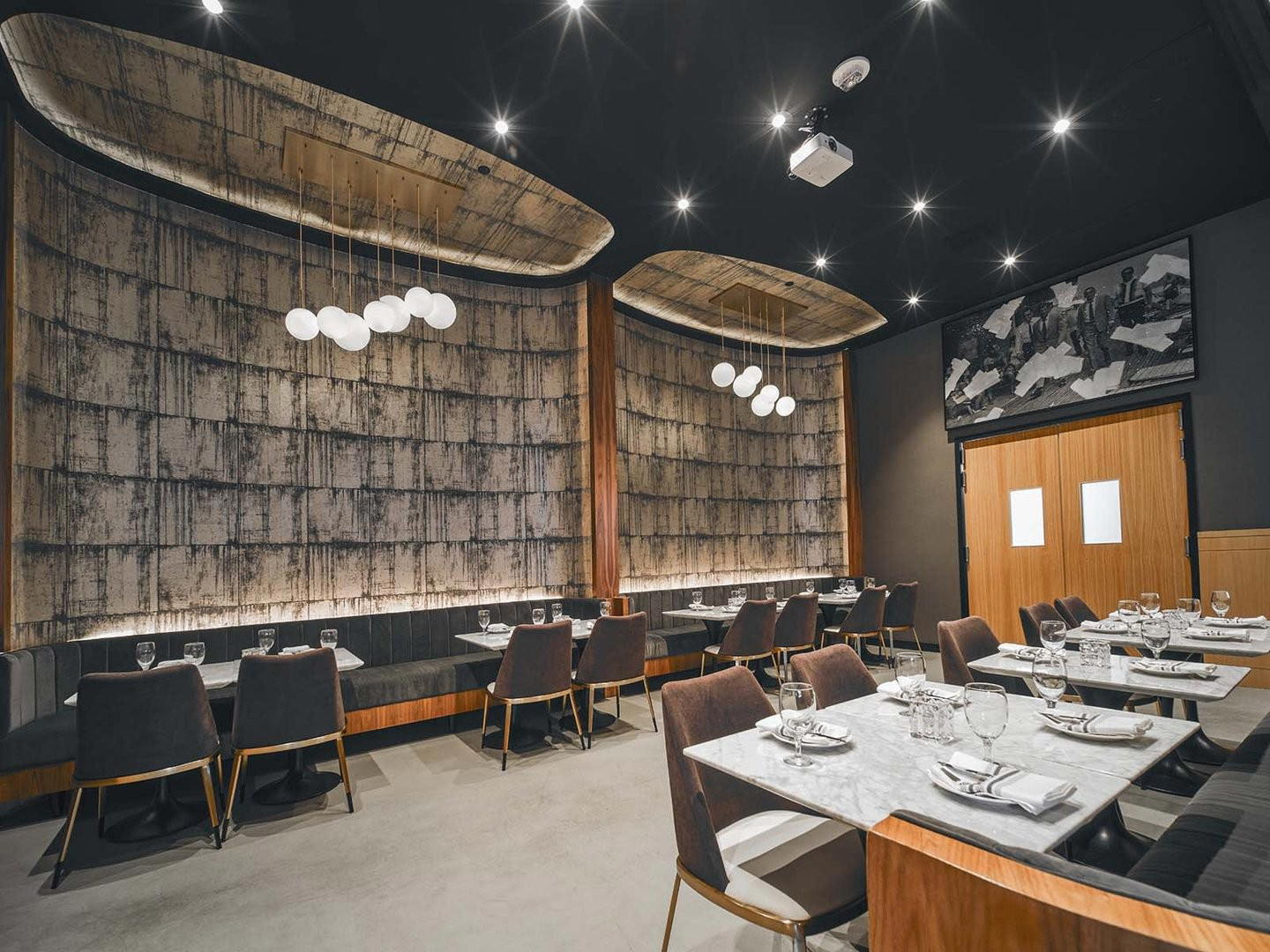
Details
- Elegant
- Sophisticated
- Intimate
- Modern
- Special Occasion
- Date Night
- Open Kitchen
- Sake Program
- Local Sourcing
- Set Menu
Current opening hours
- Monday
- 11:30 AM–2:30 PM, 6–10 PM
- Tuesday
- 11:30 AM–2:30 PM, 6–10 PM
- Wednesday
- Closed
- Thursday
- Closed
- Friday
- 6–10 PM
- Saturday
- 11:30 AM–2:30 PM, 6–10 PM
- Sunday
- 11:30 AM–2:30 PM, 6–10 PM
Hours can change for holidays and private events. Hours as of .
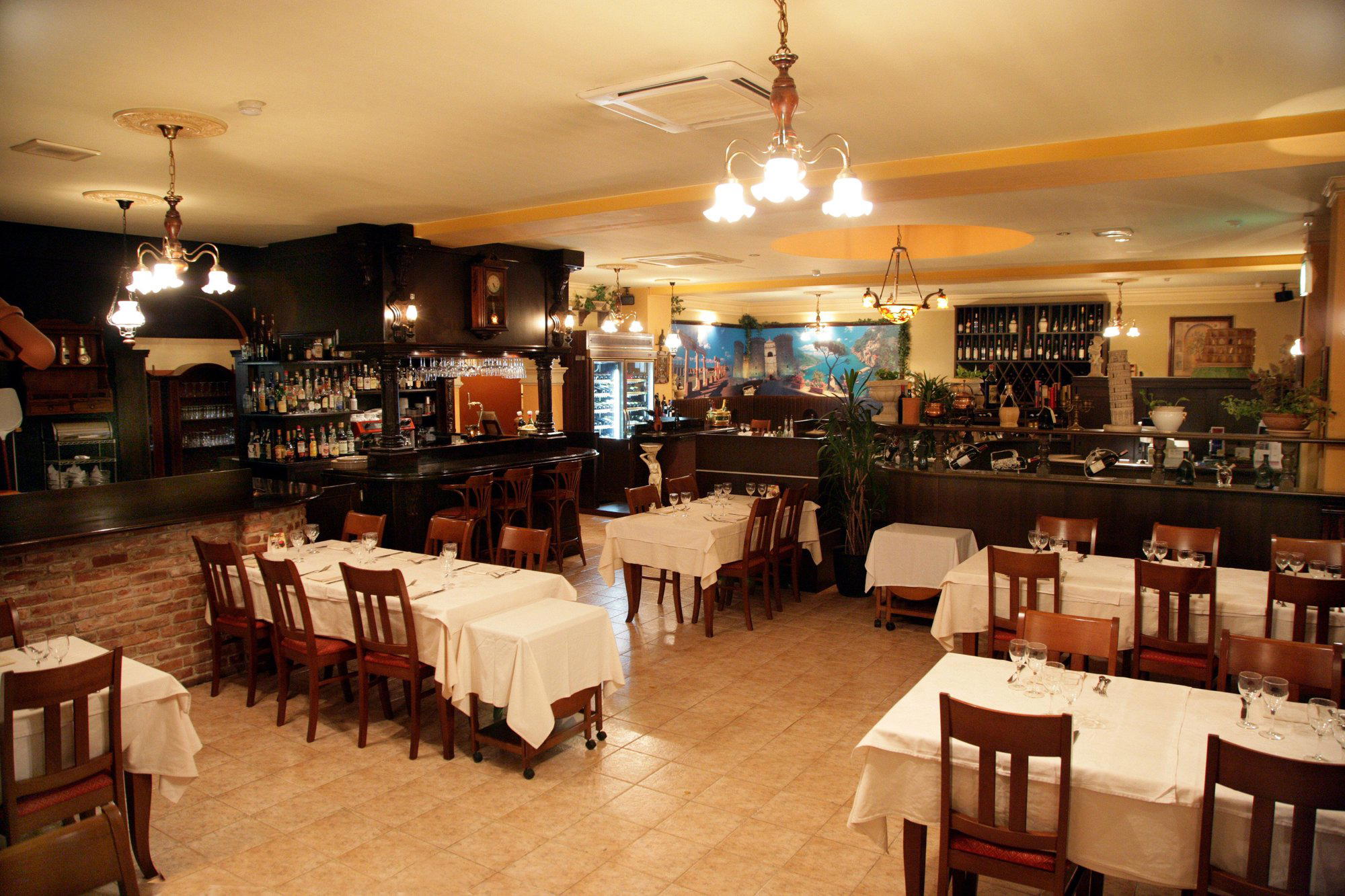
Chic and mature atmosphere with a spacious interior featuring table and counter seating, offering a live kitchen experience.