Our verdict
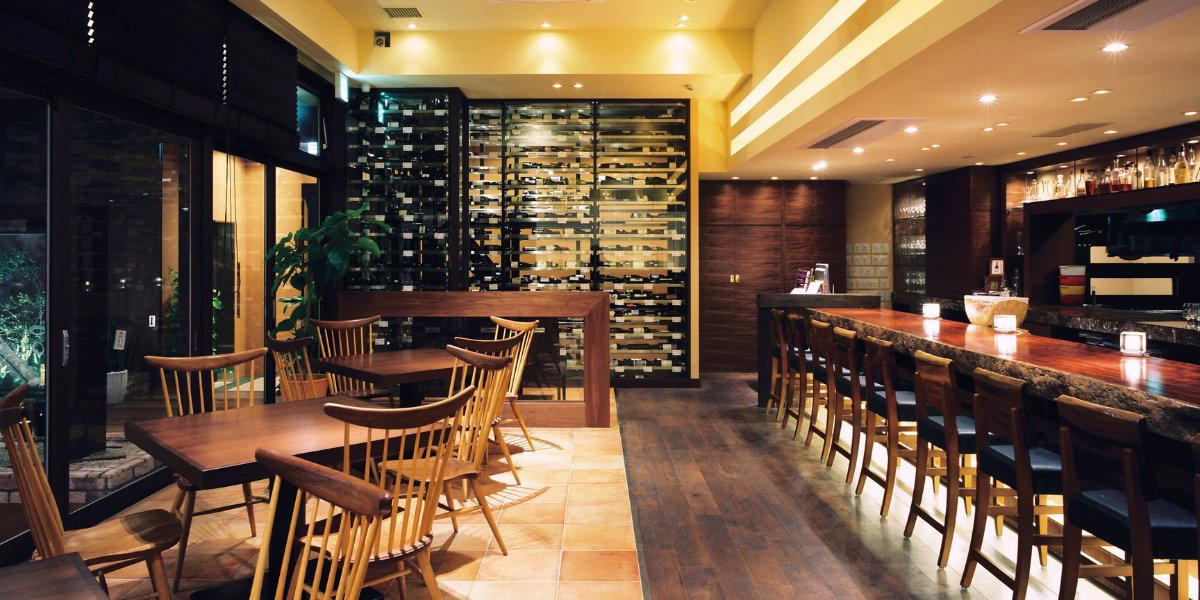
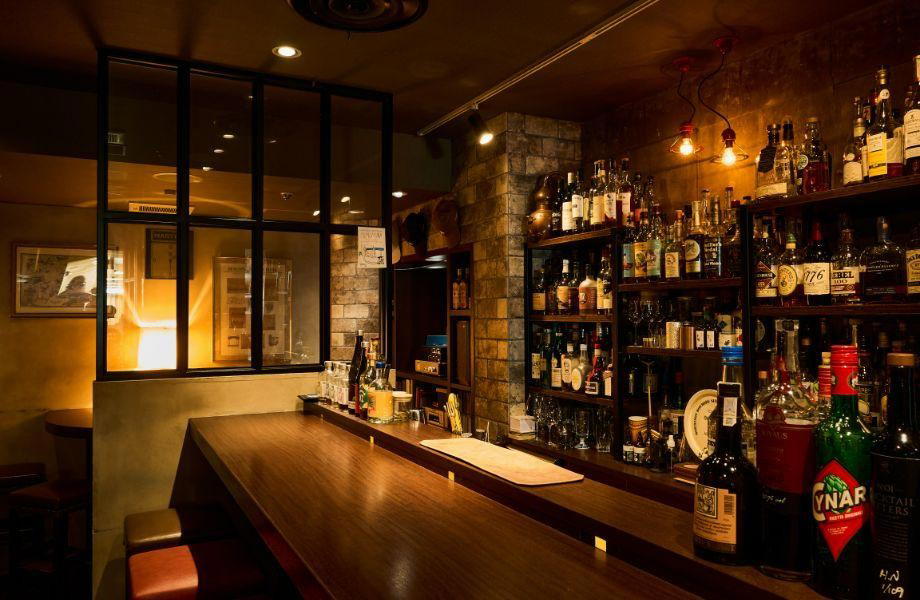
Located on the sixth floor of a building in Kita Ward's Namba Shinchi district, 翠乃 occupies a quietly authoritative position in Osaka's dense dining grid. With almost no public-facing data, it operates in the manner of many serious Japanese establishments: known through referral, booked through connection, and visited by those who already know what they are looking for.

Pearl is the En Primeur Club membership app — saves, bookings, and concierge access live there. Same editors, same standards.
- Address
- Japan, ã530-0002 Osaka, Kita Ward, 2, æ½æ ¹å´æ°å°1-2-22 åãªã³ãã³ãã« 6F
- Phone
- +81663418171
- Website
- restaurant.ikyu.com
- Directions
- Get directions
The menu
What to order
- Seasonal Nigiri Course
- Toro with Truffle
Kita Ward and the Logic of Osaka's Hidden Upper Tier
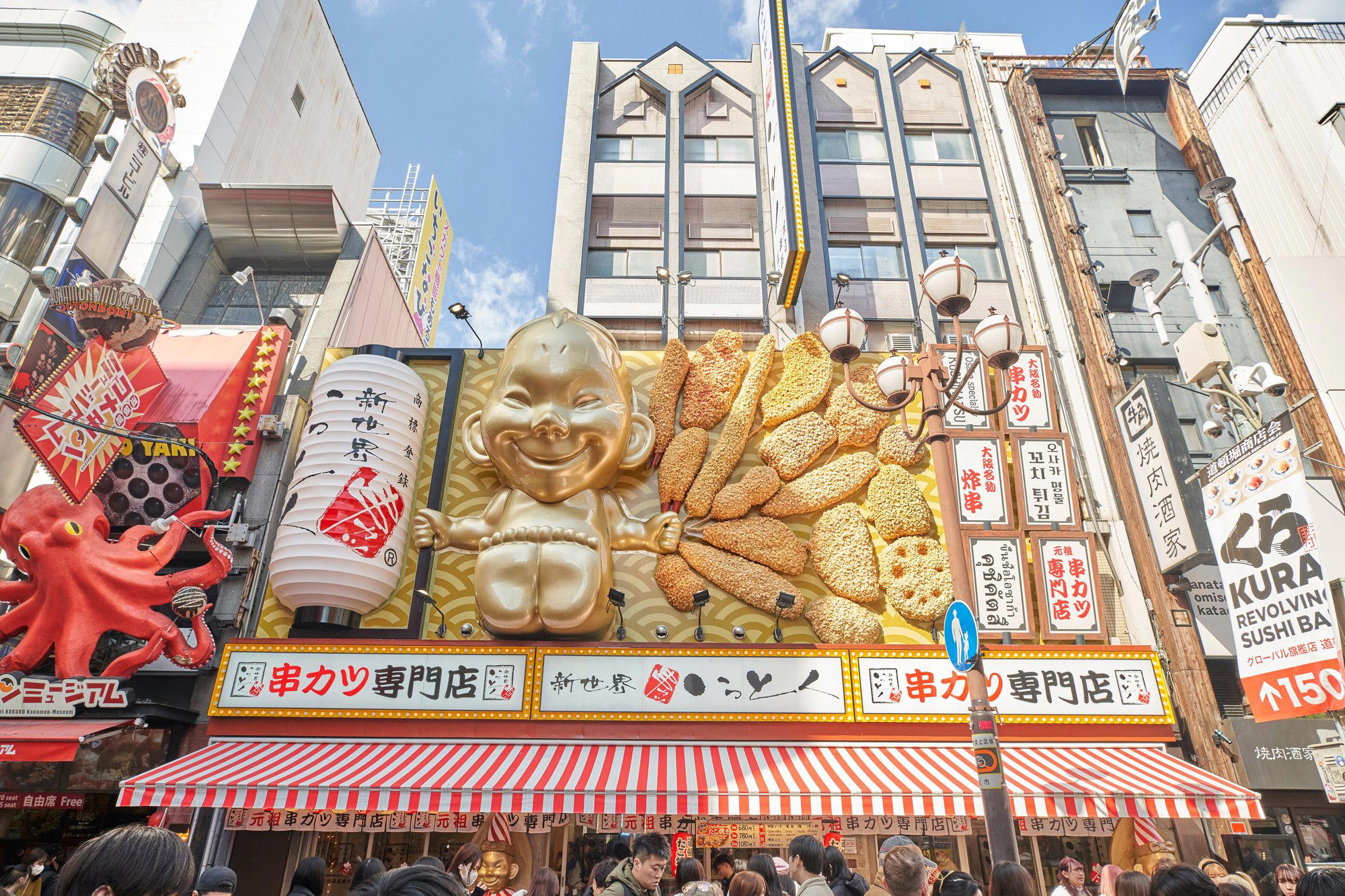
Osaka's dining reputation runs on volume and directness — takoyaki counters, ramen shops open past midnight, kushikatsu bars where the only rule posted on the wall is no double-dipping. That reputation is accurate for much of the city, but it obscures a parallel structure: a quieter, upper tier of establishments that operate without English menus, without social media presence, and frequently without any public-facing booking system at all. These rooms are concentrated in the commercial corridors of Kita Ward and the old entertainment quarter of Namba Shinchi, and 翠乃 sits squarely in that geography, on the sixth floor of a building at 1-2-22 Namba Shinchi.
The Namba Shinchi district has historically functioned as Osaka's kappo and kaiseki backstage. Where Dotonbori is performance — crowded, loud, designed to be seen from the street, Namba Shinchi is reserved for the kind of dinner that doesn't announce itself. The ryotei and counter restaurants here rely on reputation that moves through professional and social networks rather than review platforms. A sixth-floor address, accessible only by elevator, reinforces that dynamic. You arrive because you knew to look, not because you passed it on the way to somewhere else.
This geography matters because it shapes the experience before you sit down. Establishments in this part of Osaka's Kita Ward tend to operate with a formality that tracks closer to Kyoto's kappo tradition than to the convivial, slightly chaotic energy of Shinsaibashi. For comparison, Ajikitcho Bunbuan and Ajihei Sonezaki occupy adjacent territory in Osaka's more serious dining register, and they share the same insistence on controlled format and limited external visibility. Aka to Shiro and Calendrier represent a slightly more internationally legible version of the same instinct toward restraint and precision.
What Sixth-Floor Dining Means in Practice
refined addresses in Osaka's commercial dining buildings carry specific implications. Ground-floor restaurants compete for foot traffic; upper-floor rooms opt out of that competition entirely and signal something about their intended audience. The physical act of taking an elevator to a restaurant on the sixth floor is not incidental, it functions as a kind of threshold, separating the experience from the street-level city below. In Tokyo, similar logic applies to the upper-floor kaiseki rooms in Ginza and Akasaka. In Osaka, it appears in the quieter corridors of Namba Shinchi and the business dining strips around Nakanoshima. Az demonstrates a comparable positioning logic, where physical inaccessibility is part of the format rather than an inconvenience.
The absence of publicly listed details for 翠乃, no hours, no pricing, no chef name in accessible records, is itself a signal consistent with this category. Serious Japanese restaurants at this level frequently operate without public-facing digital infrastructure. Reservations move through introductions. Menus are not posted because the menu changes. Pricing is disclosed on booking or, in some cases, at the end of the meal. This is not evasion; it is a structural feature of the format, one that places 翠乃 within a long tradition of Japanese hospitality that treats the anticipation of the meal as part of the meal itself.
The Broader Osaka Context for This Kind of Room
Osaka's designation as a city of serious eating is well-documented by Michelin, which has consistently given Osaka one of the highest concentrations of starred restaurants per capita of any city outside Paris. HAJIME in Osaka operates at the three-star level, representing the city's most internationally visible fine dining. But the establishments that define how Osaka's own residents think about serious eating tend to operate below that visibility threshold, in rooms like those in Namba Shinchi, running set formats for guests who arrive through referral rather than review aggregators.
The regional context is useful here. Gion Sasaki in Kyoto and akordu in Nara both demonstrate how the Kansai region more broadly supports a dining culture where format discipline and institutional reserve are competitive advantages rather than handicaps. Goh in Fukuoka shows a similar dynamic further south, where low external visibility correlates with high internal standards. Nationally, the pattern holds from Abon in Ashiya to affetto akita in Akita and Aji Arai in Oita, serious Japanese dining at this register consistently opts out of broadcast marketing in favor of controlled word-of-mouth.
For international visitors more familiar with the transparency of, say, Le Bernardin in New York City or the community-rooted format of Lazy Bear in San Francisco, the opacity of a room like 翠乃 can read as a barrier. It is better understood as a different organizational logic, one where the burden of access sits with the guest rather than the restaurant. Comparable calibration challenges apply at Harutaka in Tokyo and at establishments like Ajidocoro in Yubari District and Akakichi in Imabari, which operate under similar conditions of deliberate low visibility.
Planning a Visit
Because 翠乃 does not maintain a public website, phone number, or listed booking method, access most plausibly comes through a hotel concierge with established local relationships, a Japanese-speaking contact with relevant dining networks, or a specialist reservations service focused on Osaka's kappo and kaiseki tier. The sixth-floor location in Namba Shinchi places it within walking distance of the southern end of Kita Ward and a short taxi or subway ride from Shinsaibashi and the broader Minami area. Visitors exploring the wider Osaka dining field will find the full scope of the city's options mapped in our full Osaka Shi restaurants guide. Given the absence of confirmed hours and format details in public records, any visit requires advance confirmation through direct or intermediary contact before travel.
Frequently asked questions
Where is ç·ä¹ located?
ç·ä¹ is located at Japan, ã530-0002 Osaka, Kita Ward, 2, æ½æ ¹å´æ°å°1-2-22 åãªã³ãã³ãã« 6F, Osaka Shi.
What's the signature dish at 翠乃?
The sixth-floor address in Kita Ward, Osaka — a city Michelin has consistently ranked among Japan's most concentrated dining destinations — suggests a focused, deliberate kitchen rather than a broad à la carte format. Confirmed details will most plausibly surface through a hotel concierge with direct access.
Can I walk in to ç·ä¹?
Reservations are recommended for ç·ä¹ in Osaka Shi. Confirm current policy via the venue's official channels.
What's the standout thing about ç·ä¹?
ç·ä¹ is best approached by focusing on the core concept and signature offerings.
Is ç·ä¹ good for vegetarians?
Dietary accommodations can vary. Flag restrictions in advance via the venue's official channels.
Cuisine-First Comparison
| Venue | Cuisine | Price | Awards |
|---|---|---|---|
| ç·ä¹This venue — the venue you are viewing | Modern Edomae Omakase | $300–500 | Not listed |
| Dotonbori Kukuru | Osaka-Style Takoyaki | $10–20 | Not listed |
| Harijyu Dotombori Grill Western Food | Traditional Yoshoku (Japanese Western) Grill | $30–50 | Not listed |
| Moeyo Mensuke Ramen | Duck & Shellfish Ramen | $10–20 | Tabelog 100 #71 |
| Naniwa kappo Kigawa | Naniwa Kappo (Osaka-style Kaiseki) | $150–200 | Not listed |
| Okonomiyaki Kiji | Osaka-Style Okonomiyaki | $10–20 | Tabelog 100 #20 |