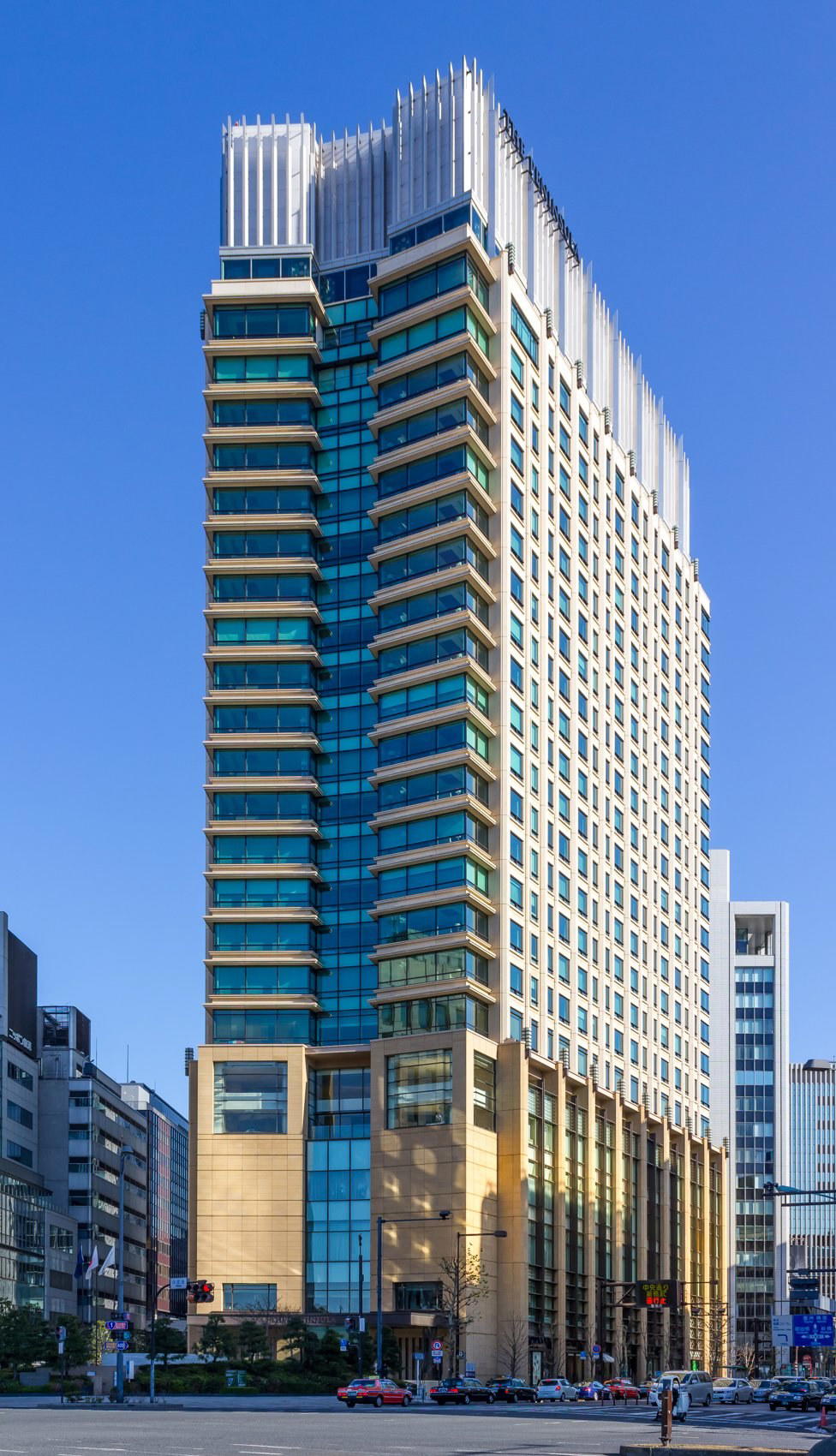
Ginza座 鮨真純人 occupies the second floor of a Ginza 7-chome building, placing it within one of Tokyo's most demanding and closely watched dining corridors.
Pearl is the En Primeur Club membership app — saves, bookings, and concierge access live there. Same editors, same standards.
- Address
- Japan, 〒104-0061 Tokyo, Chuo City, Ginza, 7 Chome−6−5 石井紀州屋ビル 2F
- Phone
- +815054876301
- Website
- ggb2600.gorp.jp
 Saves & bookings on Pearl
Ginza, 7-Chome, Second Floor: Why the Address Does Half the Work
The stretch of Ginza around 7-chome is not accidental territory for serious sushi. Over the past two decades, this corridor and its immediate surrounds have accumulated a concentration of counter-format Japanese restaurants that collectively define how the city, and much of the world, thinks about precision dining. Buildings here routinely house multiple floors of independent operations, each with its own pedigree and clientele. 銀座 安達直人 sits on the second floor at 7-6-5, a configuration typical of the neighbourhood: understated from street level, deliberate once you find the door.
That physical modesty is part of a broader Ginza pattern. The area's leading sushi addresses rarely announce themselves with prominent signage or pavement presence. The assumption is that guests already know where they are going. For a newcomer, the second-floor format filters the room before anyone has lifted a chopstick. For a returning guest, the climb feels like a ritual. Both readings are intentional in a district where the design of arrival is considered as carefully as anything on the menu.
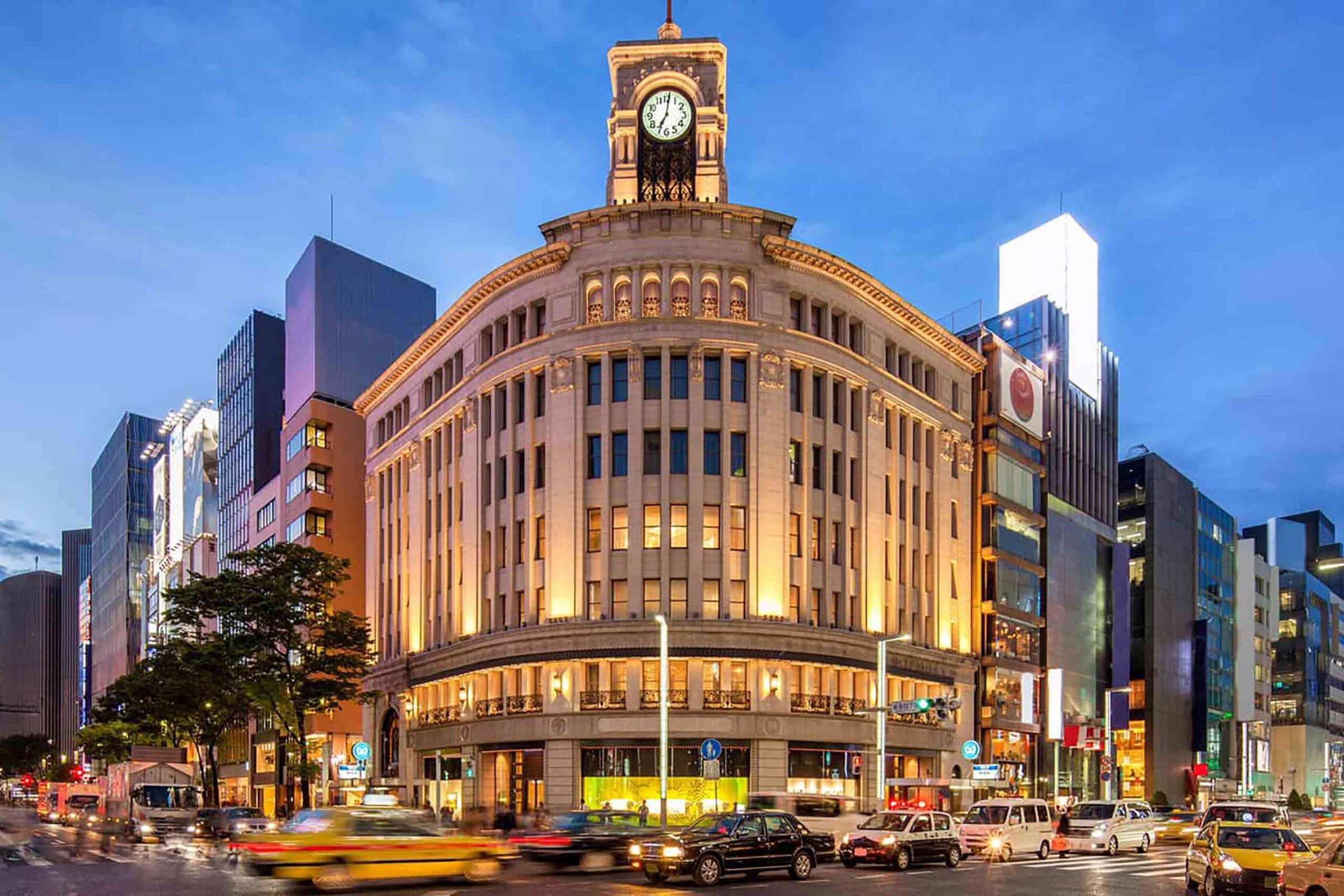
The Neighbourhood Context: What Ginza Demands from a Sushi Counter
Ginza's dining identity is built on a version of excellence that differs from what you find in Shinjuku, Roppongi, or even Nihonbashi. The neighbourhood historically attracted the financial class, high-end retail, and the kind of clientele that measured restaurants against an internal standard accumulated through decades of eating well. That demographic shaped the product: counter sushi here tends toward restraint, precision aging of fish, and an implicit understanding that less theatre means more confidence.
The comparable set against which any Ginza sushi counter is measured includes addresses like Harutaka, where the approach to nigiri places consistent emphasis on temperature control and rice seasoning at a level that most diners outside Japan rarely encounter. The local comparison pressure is significant. A counter in this postcode is not competing against the broader Tokyo sushi market; it is competing against the tightest cluster of technically demanding operators in the country. Across the city, RyuGin holds comparable territory in Roppongi for kaiseki, and L'Effervescence and Sézanne occupy the upper bracket of French cooking in the city, but the Ginza sushi counter exists in a category with its own logic entirely.
For readers exploring the broader spectrum of Tokyo dining, Crony represents the innovative French end of the city's premium offer.
Japan's Counter Dining Format: What the Room Actually Asks of You
Counter sushi at this tier in Tokyo operates on terms the guest accepts before arriving. Omakase format, where the chef determines the progression and the guest follows, is the standard at addresses of this type in Ginza. The format is not a quirk but a discipline: it places full control of ingredient sourcing, seasonal emphasis, and pacing with the chef, and it asks the guest to arrive ready to receive rather than to order. Conversation across the counter is customary, questions about the fish are welcome, and phones at the counter are quietly discouraged.
This model has proven remarkably durable in Tokyo while evolving considerably in Western markets. In New York, Le Bernardin works a different version of the same implicit contract around seafood precision, and in San Francisco, Lazy Bear has adapted the communal counter format for a different cultural context. The Tokyo original, though, remains the reference point: a single seating, a fixed progression, a room built around the work rather than around the theatre of hospitality.
Sushi Across Japan: Where Tokyo Sits in the National Picture
The Ginza counter format is one specific expression of Japanese precision dining, but the country's broader restaurant culture offers a range of approaches worth knowing if you are planning extended travel. HAJIME in Osaka operates in a register that fuses French technique with Japanese produce at a level that places it well outside the sushi tradition entirely. Gion Sasaki in Kyoto represents the kaiseki tradition in its most historically grounded form. Beyond the major cities, akordu in Nara and Goh in Fukuoka illustrate how regional Japanese dining has developed its own precision tier distinct from the Tokyo and Osaka centres of gravity.
Further afield, Abon in Ashiya, affetto akita in Akita, Aji Arai in Oita, Ajidocoro in Yubari District, Akakichi in Imabari, and aki nagao in Sapporo all represent the kind of specialist, low-capacity restaurants that reward travellers who build itineraries around eating rather than treating meals as incidental to sightseeing.
Planning Your Visit: What to Know Before You Go
Reservations are essential, and the restaurant is set at roughly $250 per person. For any Ginza-tier sushi counter, the general planning logic applies: reservations at the summit end of the neighbourhood are typically secured weeks to months in advance, particularly for weekend slots and during the autumn and spring shoulder seasons when Tokyo dining is at peak demand. Same-week availability at a counter of this address and type would be unusual in normal conditions.
Budget expectations for Ginza counter sushi are set by the neighbourhood. The ¥¥¥¥ tier is the standard reference point for serious omakase in this postcode, with this restaurant priced at roughly $250 per person.
Quick Comparison: Ginza-Area Counter Dining
Category Peers
Comparable venues nearby, for context on price, style, and recognition.
| Venue | Cuisine | Price | Notes |
|---|---|---|---|
| 銀座 安達直人This venue — the venue you are viewing | Modern Korean Omakase | $$$$ | Not listed |
| Kabuto (天然鰻 かぶと) | Traditional Unagi Nose-to-Tail | $$$$ | Ikebukuro |
| Motoyoshi (天ぷら 元吉) | Michelin-Starred Modern Tempura Omakase | $$$$ | Ebisu |
| Bohemian Nishiazabu | Secret seasonal Japanese robata omakase | $$$$ | Nishiazabu |
| Yakatabune Izanagi | Wagyu Omakase on Tokyo Bay Yakatabune | $$$$ | Shinagawa |
| 鮨 くわ野 | Traditional Ginza Omakase Sushi | $$$$ | Chūō |




At a Glance
- Intimate
- Elegant
- Sophisticated
- Date Night
- Special Occasion
- Chefs Counter
- Sake Program
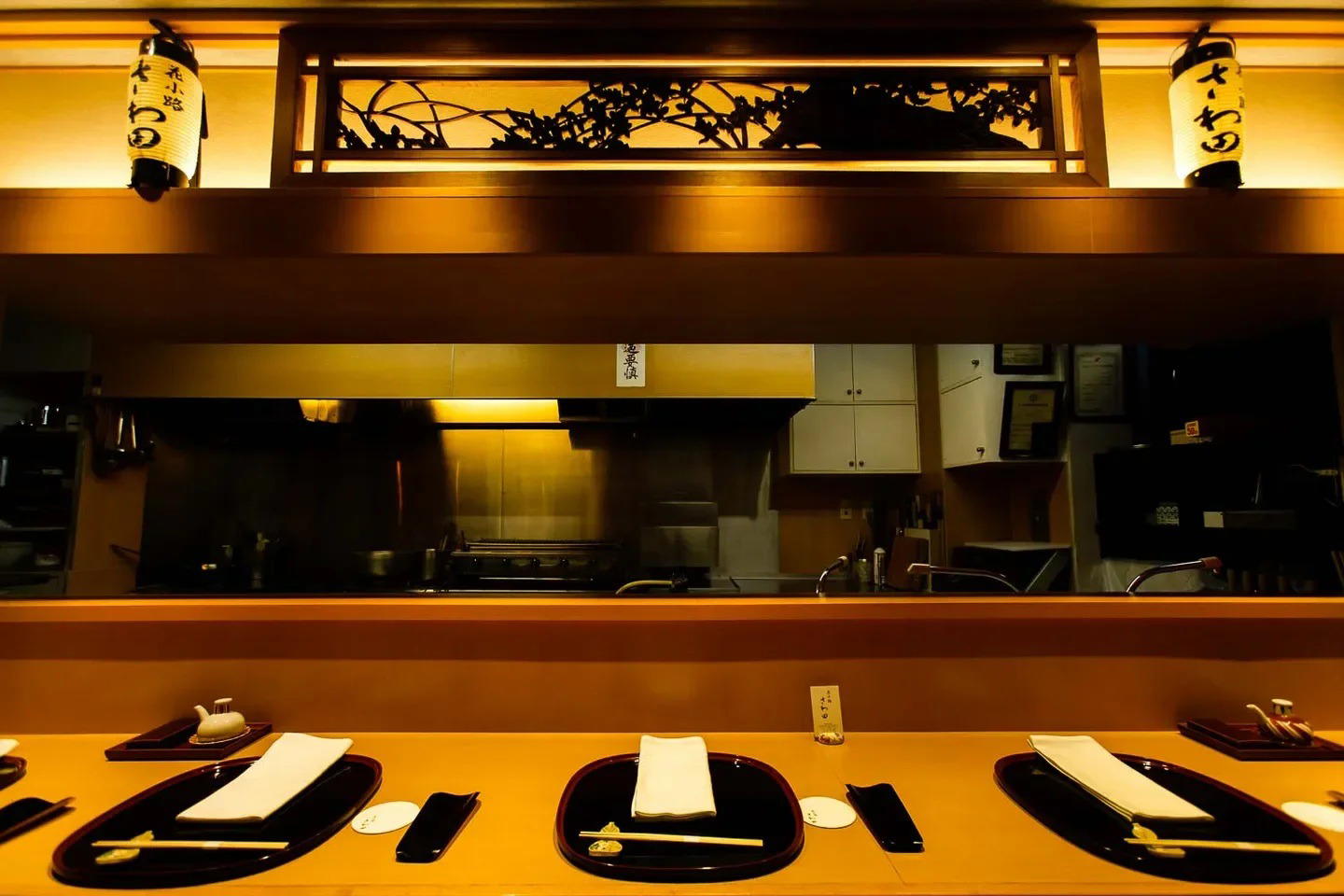
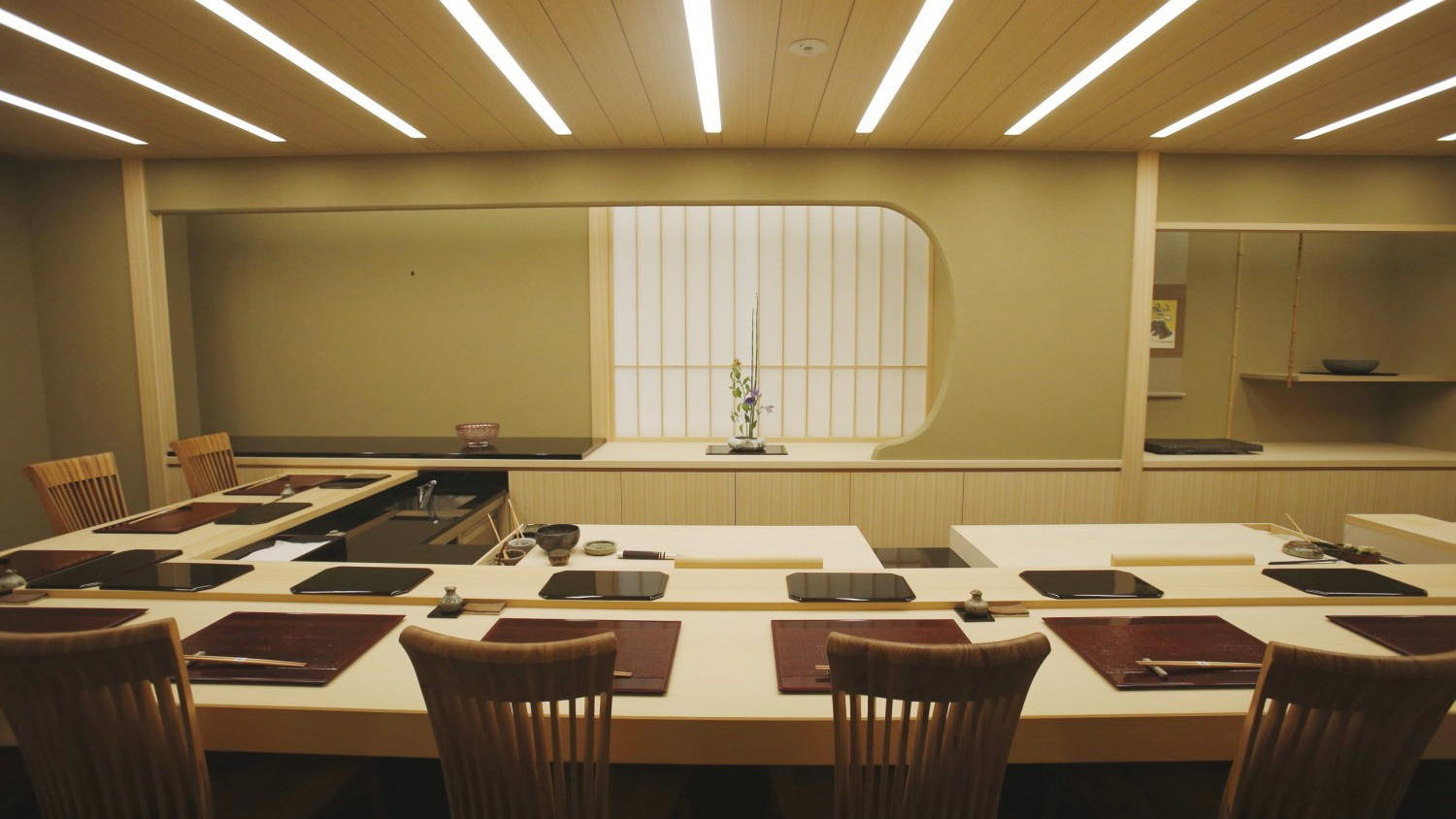
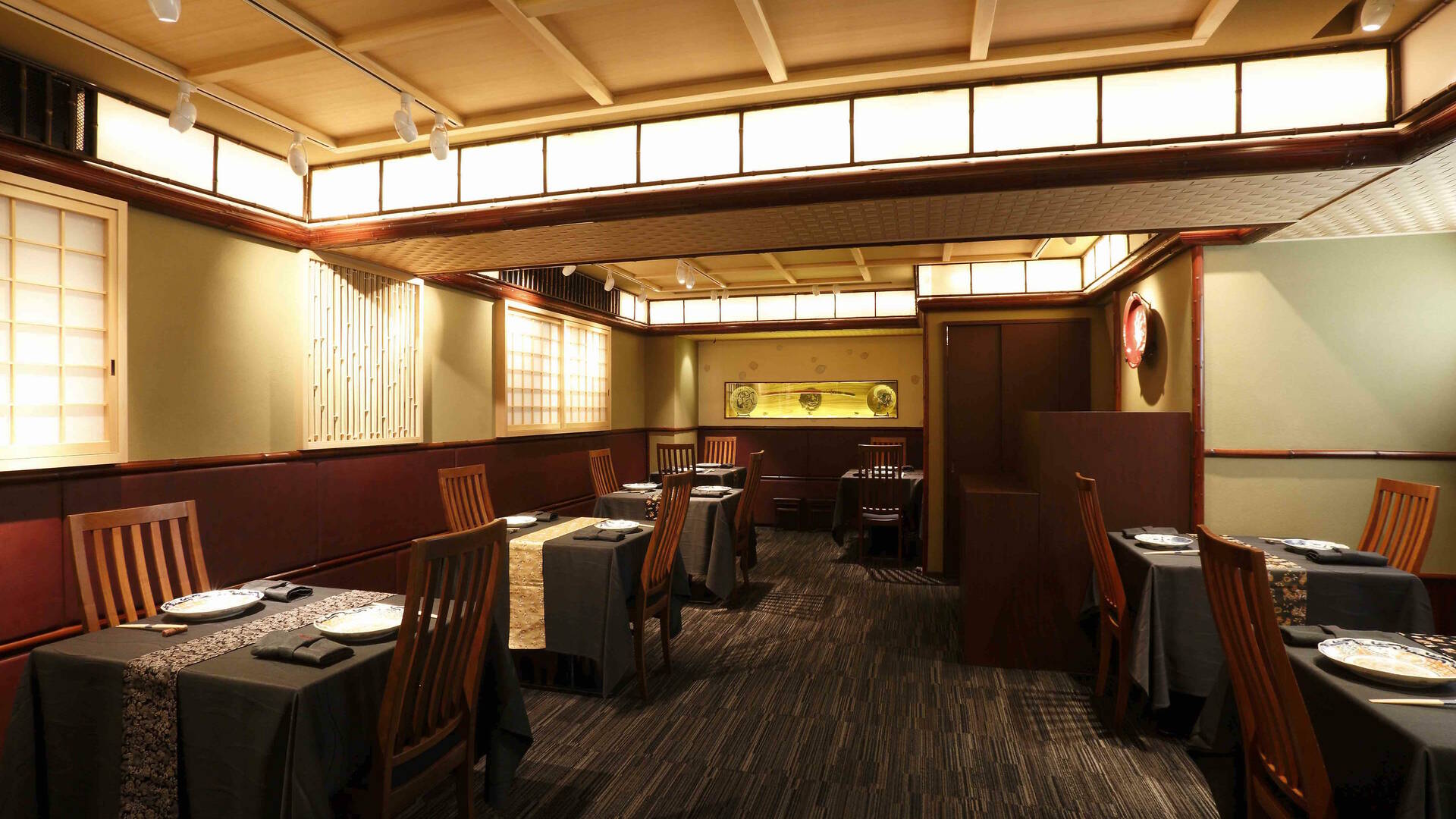
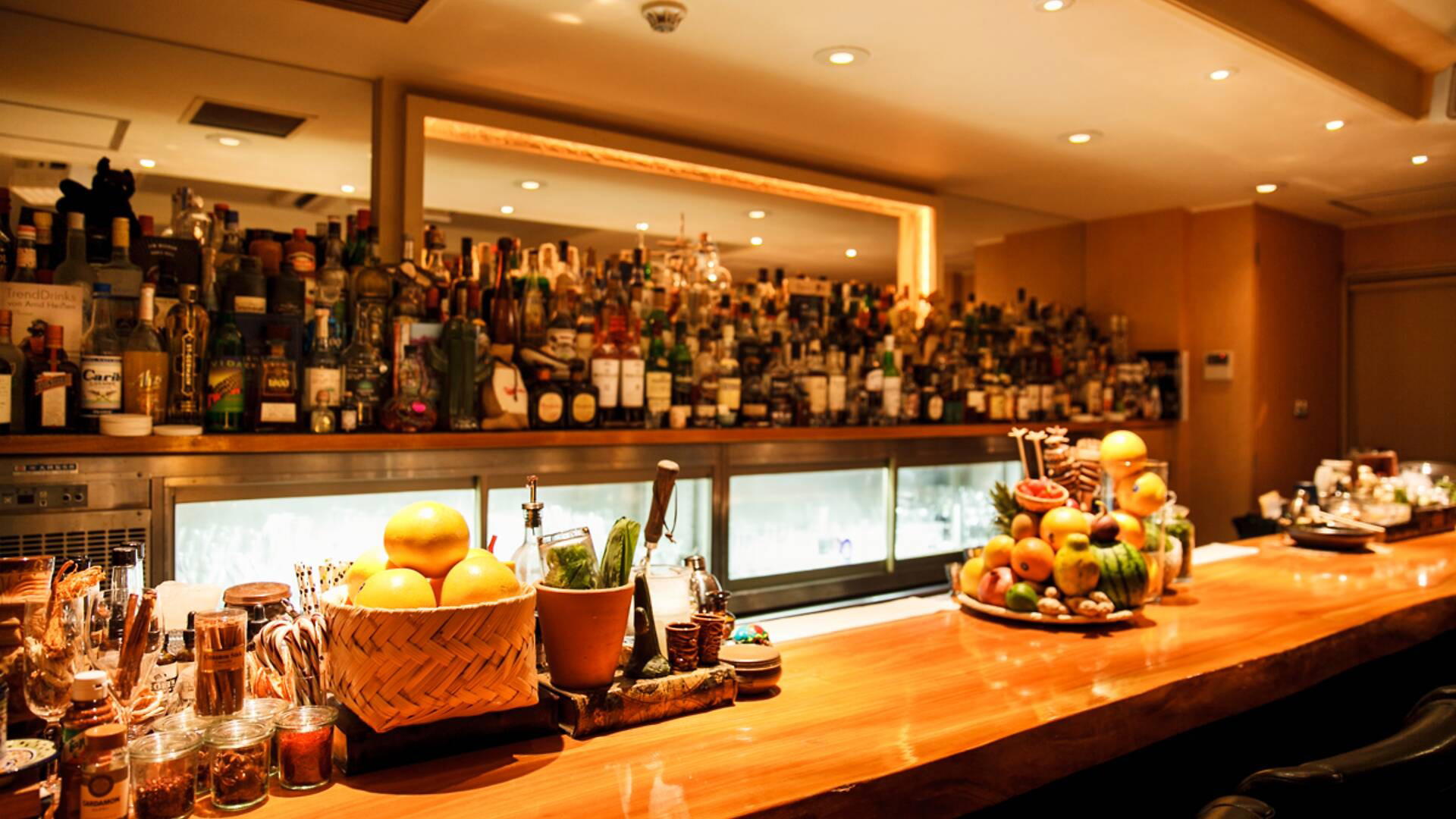
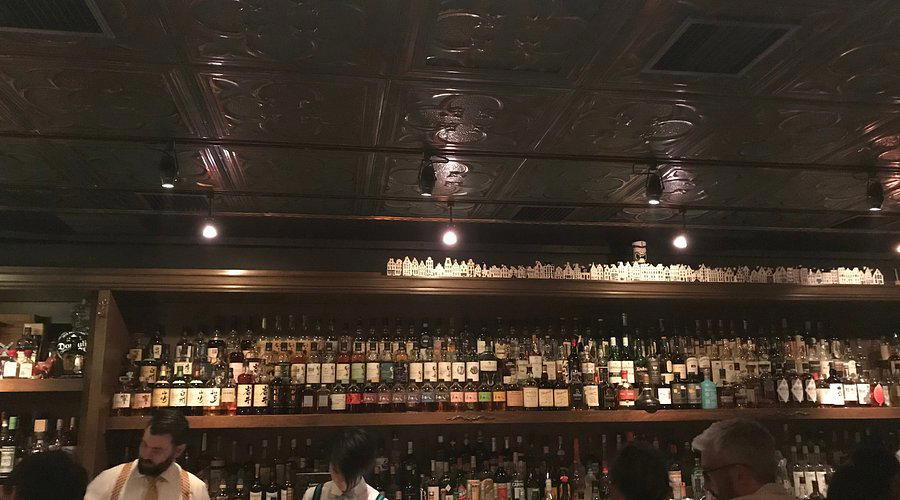
Dimly lit, intimate counter seating with a refined, welcoming atmosphere focused on personal chef interaction.