
Mendo Kirinji puts Nagano ramen into a sharper regional frame: local access, modest pricing, and a noodle-shop format that competes on broth discipline rather than ceremony. Its selection for Tabelog 100 - Ramen - EAST - 2025 gives it a useful signal for travellers comparing Nagano’s everyday food culture with the prefecture’s more formal soba, beef, and resort dining rooms.
Pearl is the En Primeur Club membership app — saves, bookings, and concierge access live there. Same editors, same standards.
- Address
- 657-4 Kawanakajimamachihara, Nagano, 381-2224, Japan
- Phone
- +81 26-214-2985
- Website
- instagram.com
 Saves & bookings on Pearl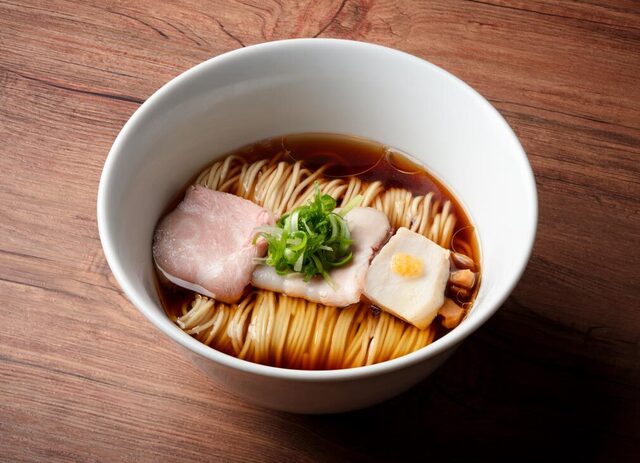
Approaching a serious ramen shop in Nagano is rarely about theatre. The cues are practical: a compact room, counter seats for solo diners, tables for small groups, and the expectation that the bowl will do the explaining. In a prefecture better known abroad for soba, apples, mountain ryokan, and ski-country produce, ramen occupies a different lane: fast, inexpensive, technically demanding, and judged with little patience for excess. Mendo Kirinji belongs in that lane, with ramen and tsukemen as the declared categories and a format that keeps the focus on broth, noodles, and turnover rather than tasting-menu ceremony.
The useful way to read this address is not as a tourist trophy but as evidence of Nagano’s everyday dining intelligence. Regional Japanese food culture often gets flattened into postcard dishes, yet the local table is broader than soba shops and Shinshu beef. Ramen in Nagano has to compete with cold winters, strong noodle traditions, and diners who understand value. A price band under JPY 999 places the shop in the democratic end of the city’s dining spectrum, but the selection for Tabelog 100 - Ramen - EAST - 2025 moves it out of the anonymous cheap-eats category. That tension matters: low price, high scrutiny, no room for decorative claims.
Nagano ramen, read through broth, noodles, and restraint
Ingredient sourcing is the quiet force behind ramen’s credibility. The form looks simple from the counter, but its economics depend on decisions made before service: how much depth can be drawn from stock, how noodles hold texture, how tare carries salt and aroma, and whether dipping noodles justify their extra concentration. Mendo Kirinji’s listing across ramen and tsukemen signals a kitchen operating on both immediate-bowl comfort and the thicker, more deliberate rhythm of dipping noodles. The distinction is useful for travellers: ramen rewards balance in one vessel, while tsukemen exposes noodle structure and broth intensity more directly.
Nagano’s wider food identity gives that work context. Soba culture prizes grain character and restraint; mountain cooking often favours clarity over heaviness; local dining outside resort enclaves remains price-sensitive. A ramen shop that earns national-format recognition from the EAST ramen selection while staying in an everyday price bracket reflects that local pressure. It does not need luxury cues to matter. The evidence sits in the format: 24 seats, including counter seating, no private rooms, and a room built for people who came to eat rather than stage a long evening.
Compared with Nagano’s more formal tables, the appeal is sharper because the commitment is smaller. Suki Tei Honten, with a much higher spend range, belongs to the city’s beef-and-occasion side. Soba Shunsai Kosuge operates in a different regional noodle tradition, where buckwheat and seasonality shape the meal. Hei Gorou Honten sits closer to casual dining economics. Mendo Kirinji occupies the fast, ingredient-driven ramen tier, where recognition is earned through repetition and consistency rather than linen, wine service, or room choreography.
The counter format suits Nagano's low-ceremony dining culture
Ramen is one of Japan’s clearest tests of whether a city feeds its residents well. The meal is brief, the price is visible, and regulars do not reward vagueness. In that sense, Mendo Kirinji is better understood as part of Nagano’s working food map than as a destination detached from place. The address in Kawanakajimamachihara, outside the polished hotel-and-station dining circuit, underlines the point. This is not resort Nagano. It is the everyday city, where a strong bowl has to justify the trip without relying on scenery.
The shop’s recognition across multiple Tabelog Ramen EAST selections, including 2018, 2024, and 2025, gives useful continuity. Single-year lists can reward momentum; repeat appearances point to staying power in a category where openings, closures, and style shifts are constant. For ramen, that matters more than chef biography. The craft is in repeatability: stock preparation, noodle handling, seasoning accuracy, and the ability to keep a short meal satisfying across hundreds of services.
Travellers building a Nagano dining plan should place this kind of stop against the city’s broader range rather than treat it as a standalone pilgrimage. A day can move from ramen at the casual end to French-influenced mountain dining, Chinese regional cooking, or ryokan-adjacent restaurants without forcing one hierarchy. Nearby editorial contrasts include Aoitou, Bleston Court Yukawatan, ca’enne, Chamonix, and Chinese Sai Muen (Chinese, Sichuan, Dim sum & Yum cha). Those restaurants show how Nagano moves between local produce, resort polish, and urban comfort; this ramen shop shows the compressed version of the same question, delivered in a bowl.
How to place it in a Nagano itinerary
The practical read is simple: treat the meal as a focused stop, not a long booking. Reservations are unavailable, payment is cash-only, and the room is compact enough that timing affects the experience. The shop closes when ingredients run out, a common ramen-house reality that gives early arrival more weight than leisurely planning. Parking is available, and the nearest station is Shinonoi, which makes the address more convenient for travellers with a car or a flexible local schedule than for those trying to stack several central stops tightly.
That trade-off is part of the appeal. Nagano rewards travellers who leave the station-area orbit: soba shops, orchards, temple approaches, onsen towns, and small dining rooms often sit beyond the easiest walking routes. Mendo Kirinji fits that pattern. The value lies in seeing how an award-recognised ramen counter functions inside the local food economy, not in stretching the visit into something grander than the format supports.
For a wider city plan, start with Our full Nagano restaurants guide, then pair dining with Our full Nagano hotels guide, Our full Nagano bars guide, Our full Nagano wineries guide, and Our full Nagano experiences guide. For broader Japan and Japanese-influenced comparisons, see -Grilled beef Sukiyaki- KAMAKURA TANUKIAN 鎌倉 たぬき庵 in Kamakura,. 鮪と炭火焼き うお炭 秋葉原店 in Tokyo,.cafe in Osaka,.know in Kumamoto, (Shoku) Vietnam in Kawasaki, [Curry Senmon Ten] Maruyama Kyoju. in Sapporo, Jōdo Saké Bar in Los Angeles, and Onigiri Time in Pasadena.
In Context: Similar Options
Nearby venues at a similar price tier for orientation.
| Venue | Cuisine | Price | Awards | Notes |
|---|---|---|---|---|
| Mendo KirinjiThis venue — the venue you are viewing | Ramen shop | $ | , | |
| Aoitou | Japanese Sauce Katsudon | $$ | , | 西箕輪 |
| Ramen Mugi Hitotsubu | Ramen shop in rural Nagano | $ | , | Matsukawa Village, Kitaazumi District |
| Unagi Honda | Traditional Japanese Unagi (Eel) Kabayaki | $$$ | , | Iiyama |
| Uzura Ya | Traditional Togakushi soba restaurant | $$ | , | Togakushi |
| Obusedo | Traditional Japanese Chestnut Cuisine | $$ | , | Obuse-machi |
Continue exploring
More in Nagano
Restaurants in Nagano
Browse all →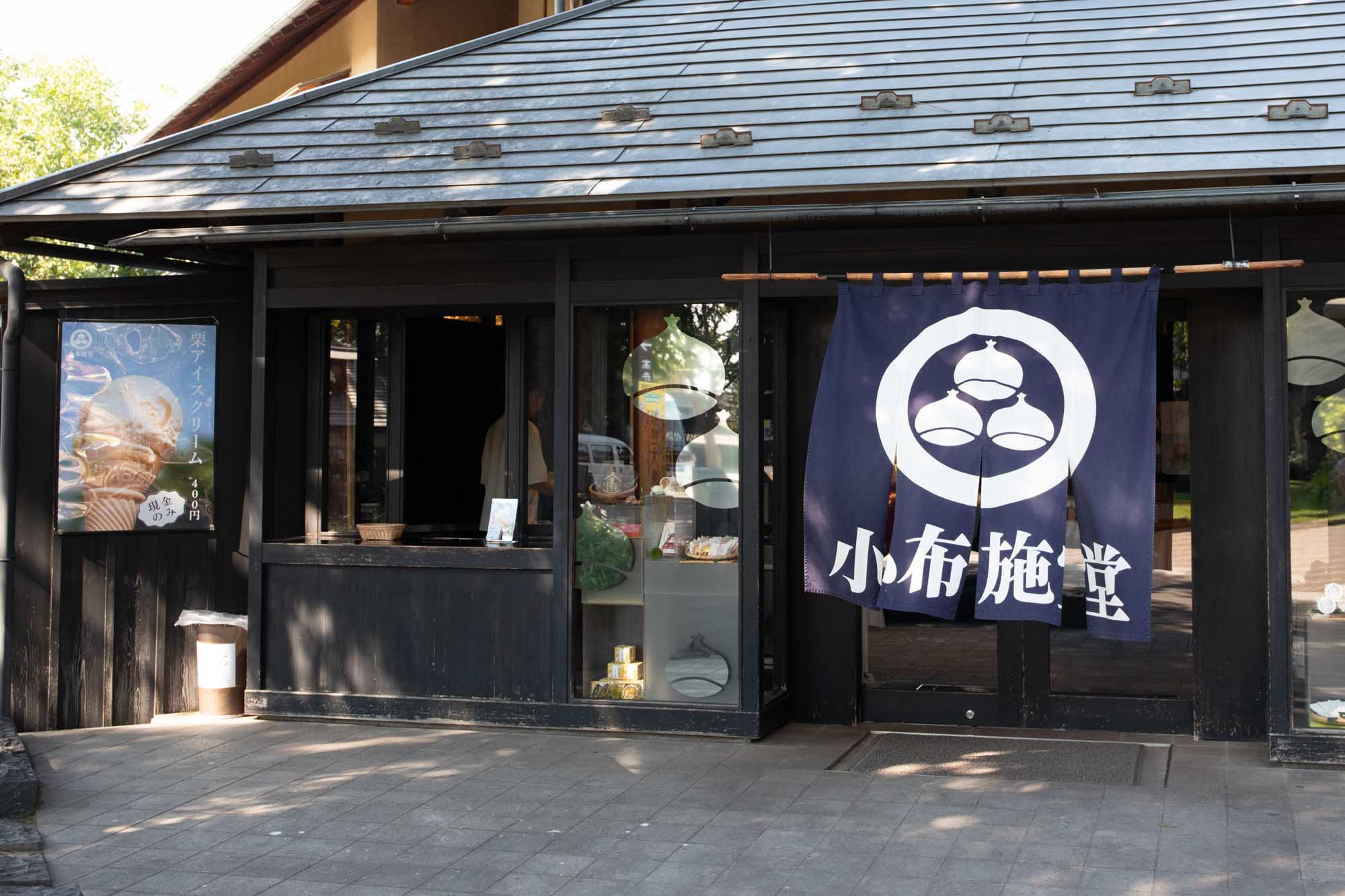
Hotels in Nagano
Browse all →

Wineries in Nagano
Browse all →
At a Glance
- Lively
- Cozy
- Hidden Gem
- Solo
- Casual Hangout
- After Work
- Family
- Standalone
Casual, bustling ramen-ya with simple seating and a focus on the bowl; expect a lively, queue-prone atmosphere typical of a beloved neighborhood noodle shop rather than a lingering dining room.