
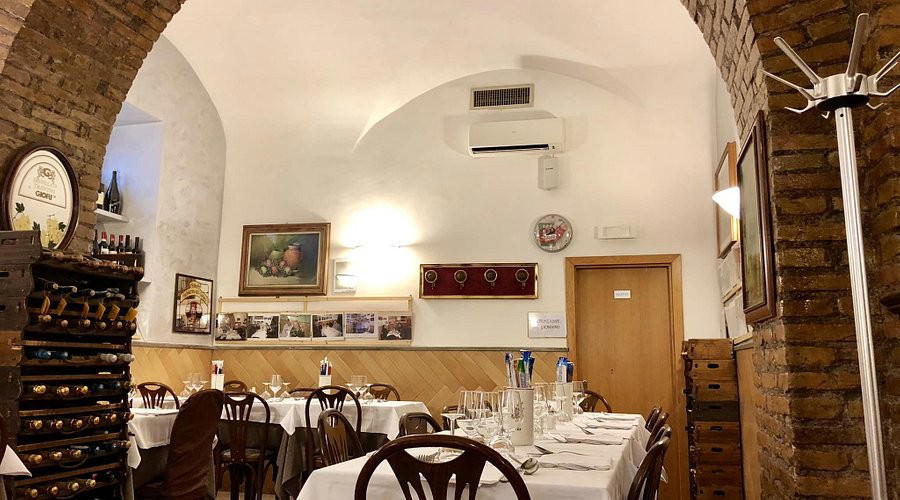
A Bib Gourmand-recognised neighbourhood restaurant in Rome's Appio Latino district, Domenico dal 1968 has served Roman classics and Jewish-inflected dishes from the same address since the late 1960s. The menu shifts between fish and traditional offal-driven cucina romana, announced verbally at the table. Booking is recommended given limited covers, and prices remain firmly in the single-euro-sign bracket.
Pearl is the En Primeur Club membership app — saves, bookings, and concierge access live there. Same editors, same standards.
- Address
- Via Satrico, 21, 00183 Roma RM, Italy
- Phone
- +39 06 7049 4602
- Website
- domenicodal1968.it
- Directions
- Get directions
 Saves & bookings on Pearl
A Roman Neighbourhood Table, More Than Half a Century On
The Appio Latino quarter, a residential stretch south-east of the Colosseum, operates on a different tempo from the centro storico. Streets here fill with schoolchildren and market regulars rather than tour groups, and the restaurants that survive in the neighbourhood do so on repeat local custom rather than tourist footfall. Domenico dal 1968 sits on Via Satrico in exactly that register: a family-format trattoria with simple dining rooms, a verbal menu, and a kitchen that has been running the same two-track programme of Roman and fish-based dishes for more than five decades. Michelin awarded it a Bib Gourmand in both 2024 and 2025, which in practical terms means the inspectors consider it to offer cooking above its price point, a signal that carries more weight at this end of the market than a star does at the higher end.
Two Menus, One Kitchen: The Roman and Jewish Traditions at the Table
Rome's culinary identity is plural in ways that the cacio e pepe shorthand rarely captures. The city's Jewish community, concentrated for centuries in the Ghetto just west of the Palatine, developed a parallel gastronomic tradition that folded local ingredients through a distinct set of techniques: long frying, seasonal vegetables treated as the main event, and a preference for textures that the broader Roman kitchen tends to ignore. That tradition has bled into the wider city over generations, and restaurants in working neighbourhoods often carry both strands simultaneously without making a point of it.
At Domenico dal 1968, the two tracks are explicit. The kitchen moves between fish-based dishes and Roman offal preparations, with the day's options delivered verbally rather than printed, a format that keeps the kitchen honest about what came in that morning and gives the room a conversational quality that printed menus rarely produce. Articokes arrive in both the Roman style, braised with olive oil and mint, and the Jewish style, fried flat and papery-edged. Fried aubergine balls, tripe, sweetbreads, and offal round out the cucina romana side. These are not approximations of the tradition: they sit within the same category as the offal kitchens at Checchino Dal 1887 in Testaccio, though at a different price point and without the historical theatre of that address.
Lunch and Dinner: How the Rhythm Changes
In Roman neighbourhood trattorias, the daytime service and the evening service are not interchangeable, and Domenico is a clear example of that divide. Lunch here is a local institution in the functional sense: the dining room fills with residents and workers from nearby offices moving through courses at a pace set by the kitchen. The verbal menu format reinforces this rhythm, there is no browsing, no extended deliberation, and the meal proceeds with the efficiency that a working lunch demands. Value at midday is particularly sharp given the price tier, which sits at the single euro-sign level across the board.
Evening service softens the tempo without changing the register. Tables stay longer, the offal preparations tend to find more takers among the dinner crowd, and the room acquires the unhurried quality that distinguishes a neighbourhood restaurant from a canteen. Neither service is dressed up; the dining rooms are described as simple, and the family atmosphere is consistent from noon to close. What shifts is pacing and the character of the table next to you. For visitors calibrating when to book, the lunch service is the more efficient use of time in a packed Roman itinerary; the dinner service is the better choice for anyone who wants to sit inside the neighbourhood rather than pass through it.
Booking is recommended regardless of service: with only a few tables available, Domenico does not absorb walk-ins the way larger trattorias can. This is not a reservation that requires weeks of lead time in the manner of a counter omakase, but arriving without one on a weekday evening is a reasonable risk. On weekends, it is not.
Where Domenico Sits in Rome's Bib Gourmand Set
Rome's Michelin-recognised restaurants spread across a wide range. At the upper end, La Pergola holds three stars, and addresses like Il Pagliaccio and Enoteca La Torre operate at the two-star level with tasting menus priced accordingly. The Bib Gourmand tier is a different conversation entirely: it recognises restaurants where the cooking merits attention but the pricing remains accessible, and in Rome that cohort includes a cluster of traditional addresses doing serious work in the trattoria format. Armando al Pantheon and Da Danilo occupy similar territory, each carrying Bib recognition and operating with comparable kitchen philosophies around cucina romana. CiPASSO and Antica Pesa represent adjacent but distinct positions in the broader Roman dining picture.
Domenico's distinction within this set is the dual-track menu and the neighbourhood location. That is a meaningful difference in how to interpret the signal.
For broader context on Italian fine dining, Italy's multi-starred addresses, including Osteria Francescana in Modena, Dal Pescatore in Runate, Le Calandre in Rubano, Enoteca Pinchiorri in Florence, Enrico Bartolini in Milan, and Atelier Moessmer Norbert Niederkofler in Brunico, operate at a different altitude entirely. Domenico is not in that conversation, nor is it trying to be. The cucina romana tradition it represents is, in its own way, equally demanding to execute well, and Michelin's consecutive Bib awards indicate the kitchen is doing so.
Roman cuisine has also found international outposts: Il Marchese - Osteria Mercato Liquori in Milan and Osteria Romana in Brussels both carry the tradition to other cities, with varying degrees of fidelity to the source. The original, in addresses like this one, remains the clearest reference point.
Planning Your Visit
Domenico dal 1968 is at Via Satrico, 21, in the Appio Latino neighbourhood of Rome, reachable via the San Giovanni metro stop on Line A, which puts it roughly a fifteen-minute walk from the Colosseum area. The price tier sits at the entry level of Rome's restaurant market, making a full meal with wine attainable for about $35 per person. Given the small number of tables and the local demand for both services, a reservation is advisable for any visit, particularly at dinner on weekends. Chef Oscar Amador Edo leads the kitchen.
Budget and Context
Comparable venues nearby, for context on price, style, and recognition.
| Venue | Cuisine | Price | Awards |
|---|---|---|---|
| Domenico dal 1968This venue — the venue you are viewing | Roman | $$ | Bib Gourmand |
| Romanè | Trionfale, Authentic Roman Trattoria | $$ | Bib Gourmand |
| Sora Maria e Arcangelo | Olevano Romano, Modern Lazio Trattoria | $$ | Michelin Plate |
| Hosteria Grappolo d'Oro | Parione, Traditional Roman Cuisine | $$ | Bib Gourmand |
| Colline Emiliane | Trevi, Traditional Emilian Pasta | $$$ | Michelin Plate |
| Giano | Ludovisi, Modern Sicilian | $$$ | Michelin Plate |
Recognition history
Dated appearances from independent guides and award organizations, with the underlying list record or original source where available.
Michelin Bib Gourmand
Michelin
Michelin Bib Gourmand
Michelin
Michelin Bib Gourmand
Michelin
Continue exploring
More in Rome
Restaurants in Rome
Browse all →
Bars in Rome
Browse all →
Hotels in Rome
Browse all →

At a Glance
- Classic
- Cozy
- Intimate
- Rustic
- Family
- Group Dining
- Casual Hangout
- Historic Building
- Extensive Wine List
- Local Sourcing
Current opening hours
- Monday
- Closed
- Tuesday
- 7:30–11:30 PM
- Wednesday
- 7:30–11:30 PM
- Thursday
- 7:30–11:30 PM
- Friday
- 7:30–11:30 PM
- Saturday
- 12–3 PM, 7:30–11:30 PM
- Sunday
- 12:30–3:30 PM
Hours can change for holidays and private events. Last verified .
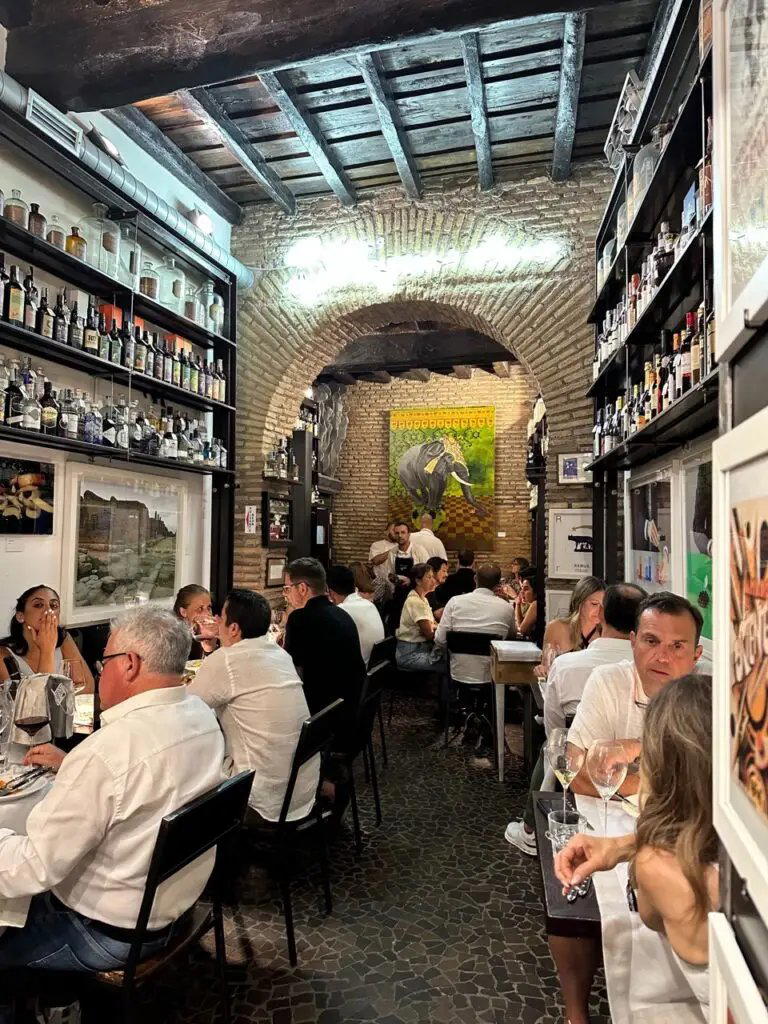
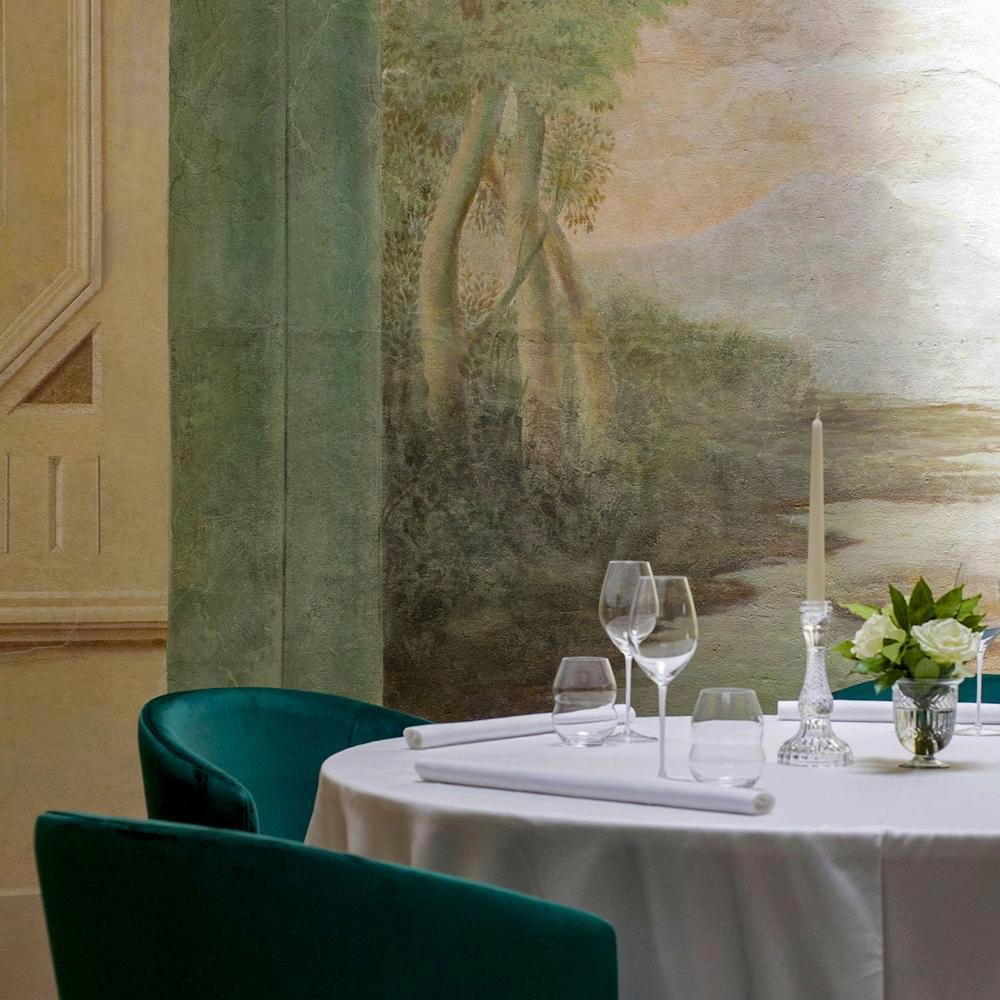
Simple dining rooms with a family feel, low lighting, close-set tables, and a lived-in home atmosphere.