Michelin Plate
Our verdict
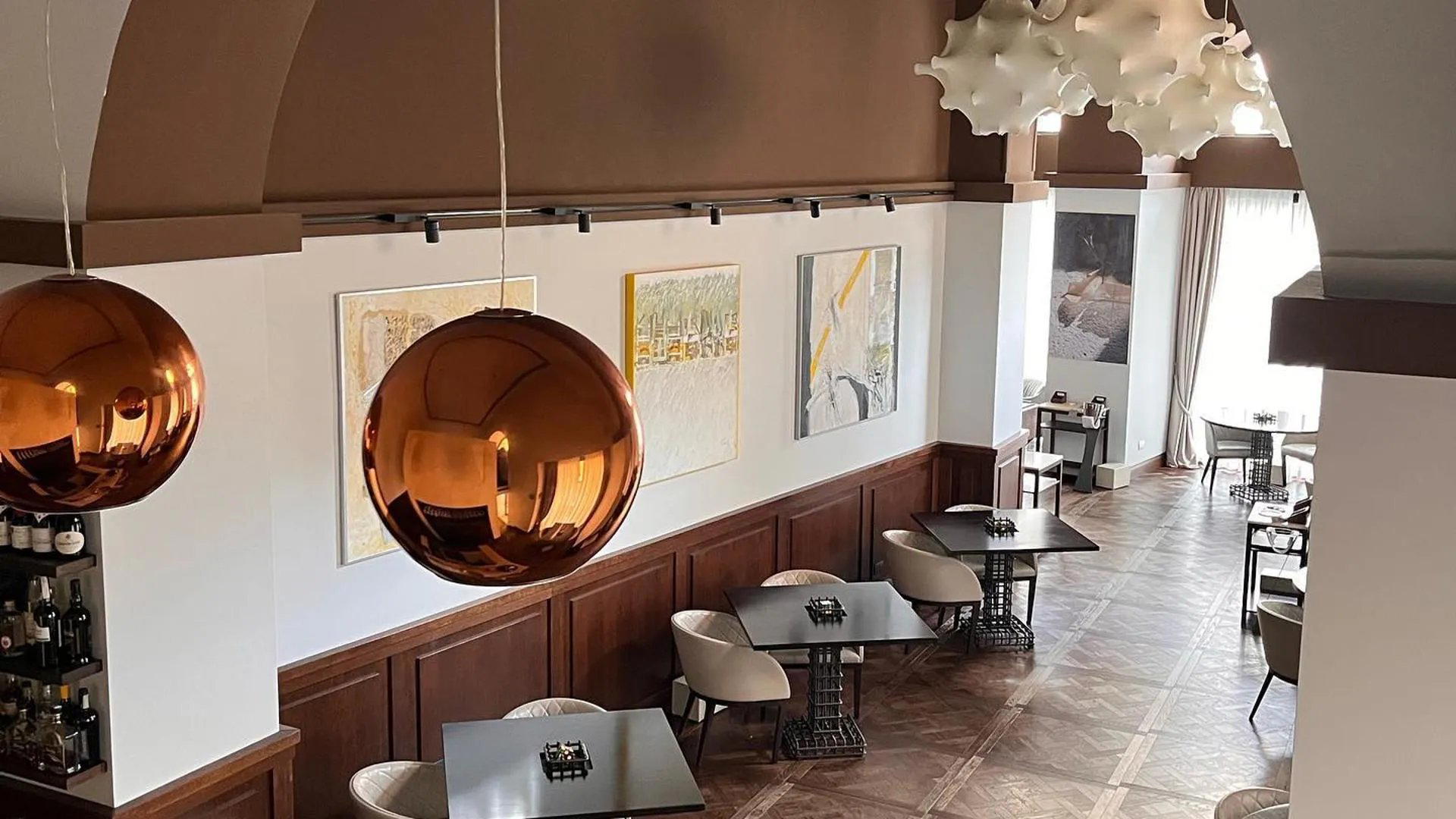
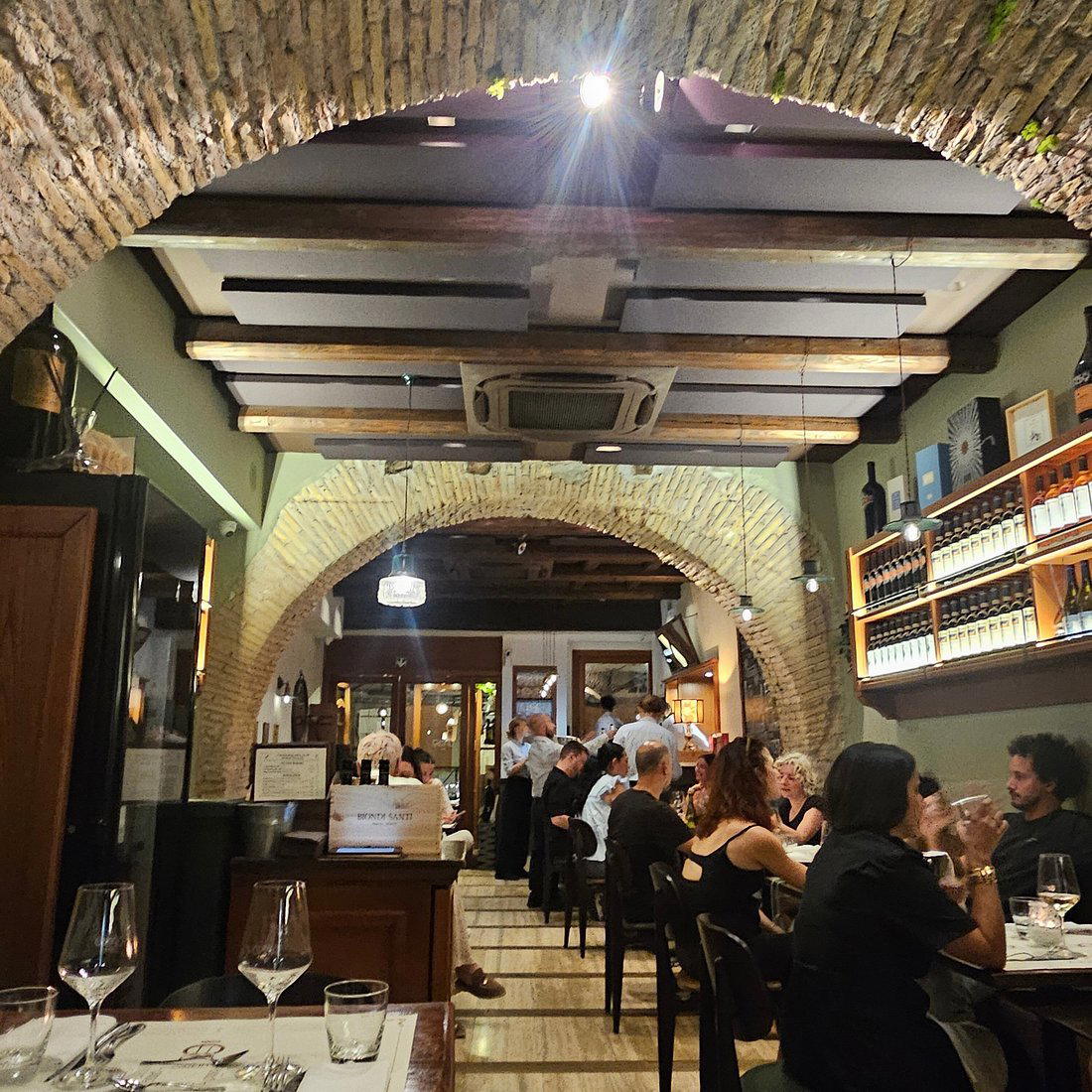
A Michelin Plate-recognised address on Via Metastasio in Rome's historic centre, CiPASSO pairs Roman and regional cooking with a wine list that skews heavily toward Italian regional bottles by the glass. The room blends contemporary lines with vintage detail, and a young front-of-house team keeps the atmosphere grounded and professional without formality. Seasonal ingredients drive the menu, with occasional Mediterranean detours beyond the Lazio canon.

Pearl is the En Primeur Club membership app — saves, bookings, and concierge access live there. Same editors, same standards.
- Address
- Via Metastasio, 21, 00186 Roma RM, Italy
- Phone
- +39 06 6889 2620
- Hours
- Mon–Sat 5:30–11 PMSun 12–3:30 PM, 5:30–11 PM
- Website
- cipassoitalia.it
- Directions
- Get directions
The menu
What to order
- Cacio e pepe with truffle
- Truffle pasta
- Burrata a Roma
Where the Room Sets the Tone
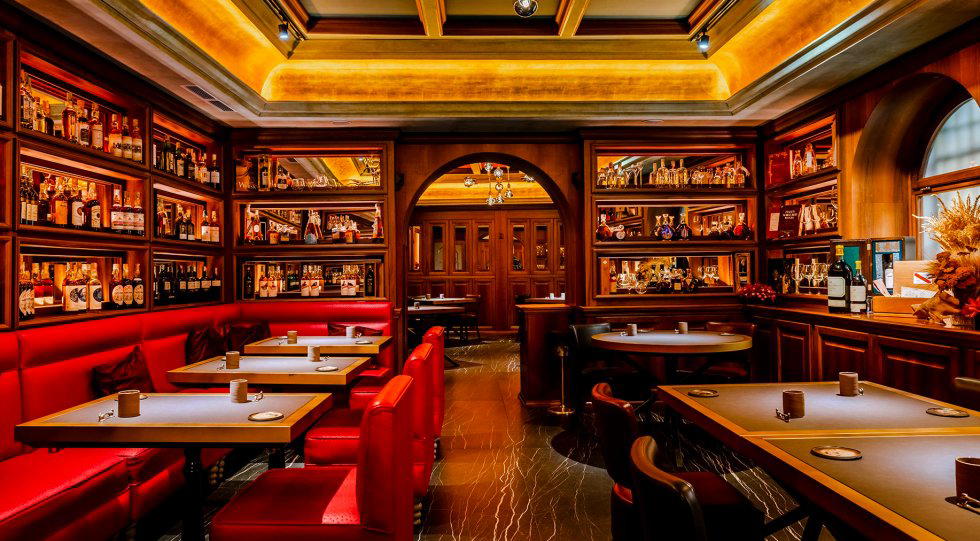
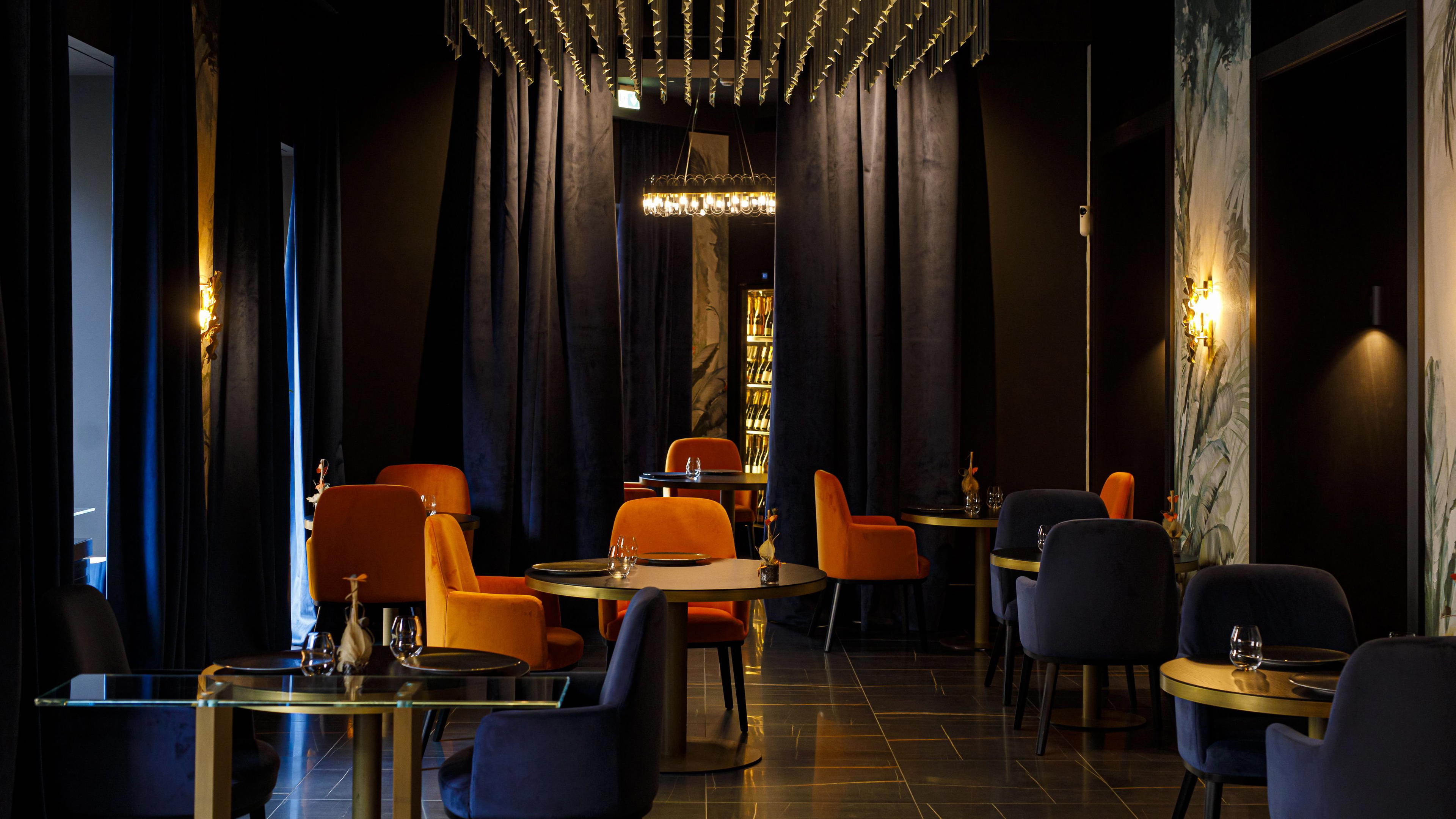
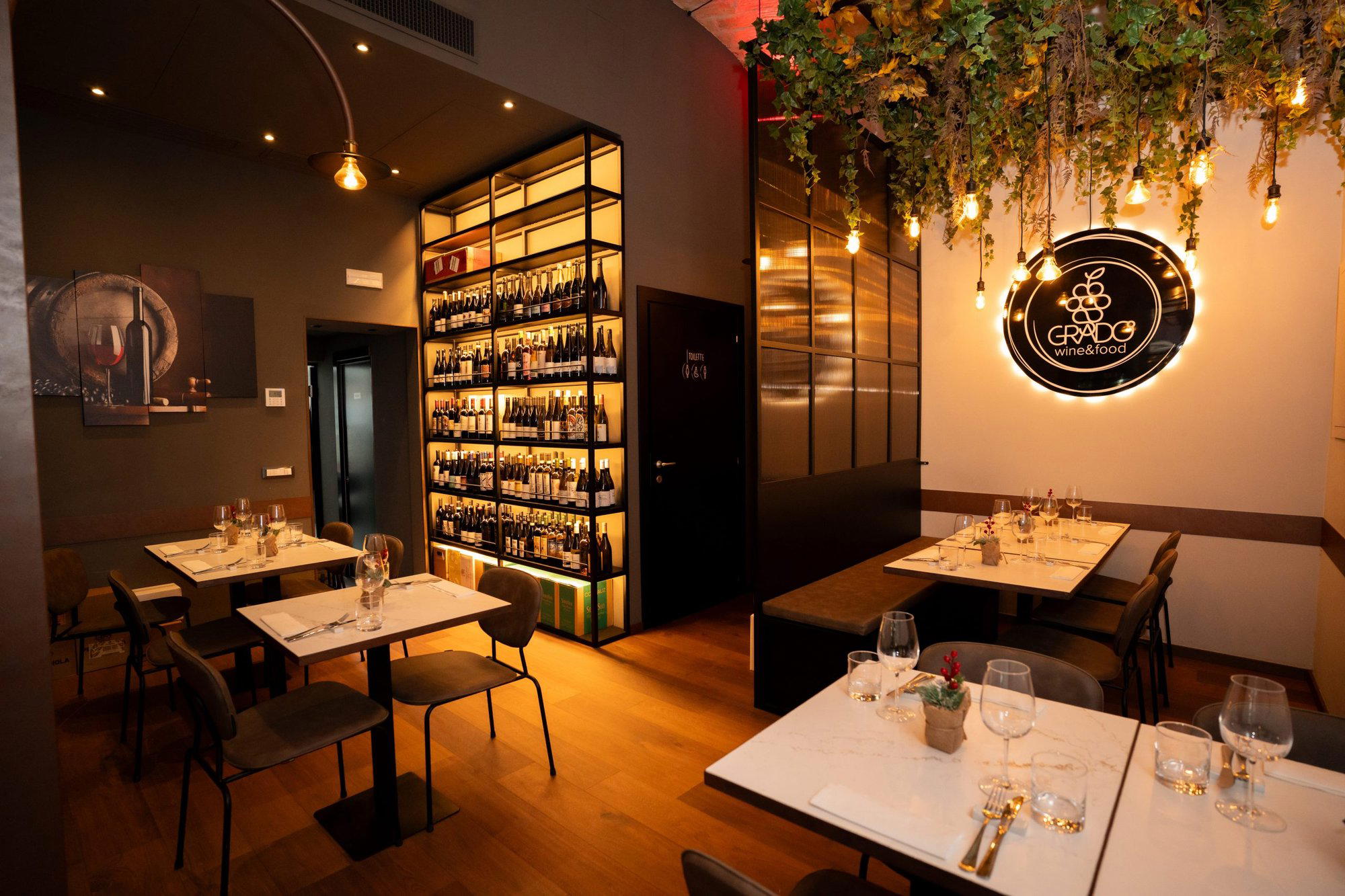
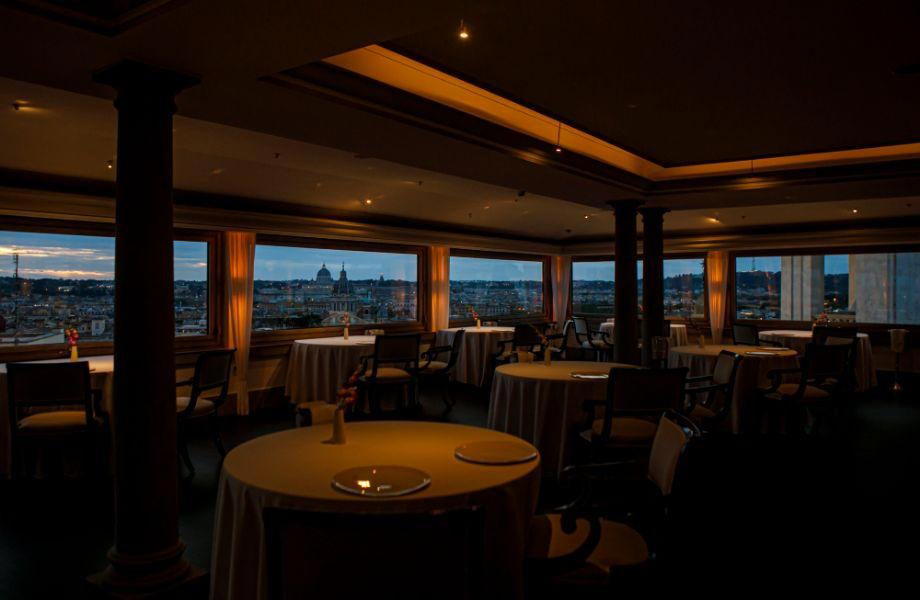
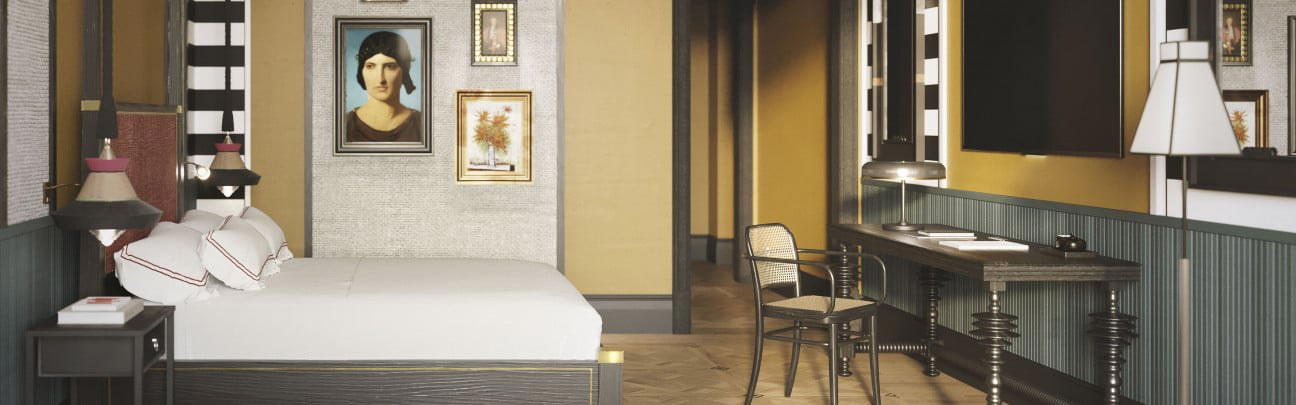
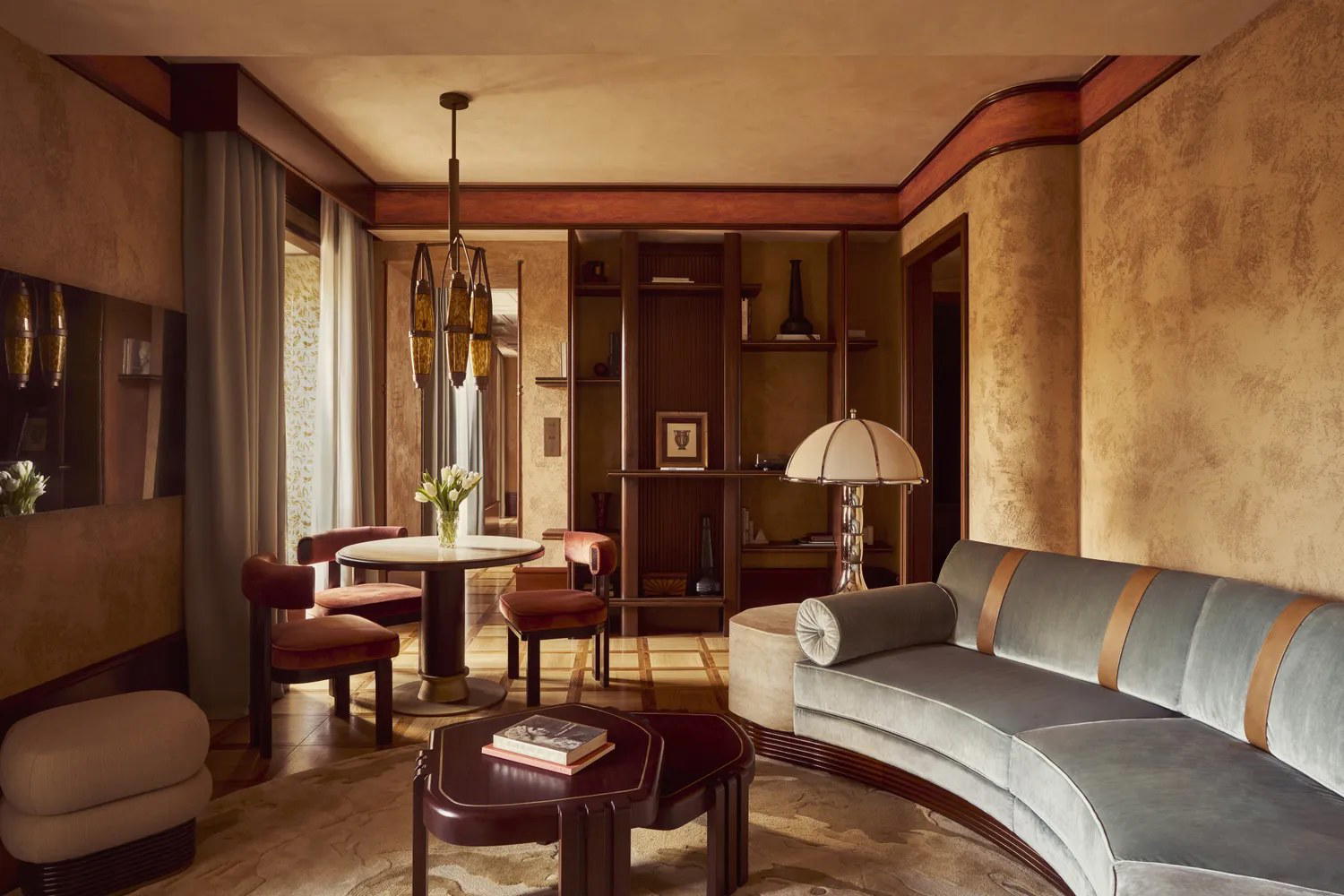
Via Metastasio cuts through one of Rome's most architecturally dense neighbourhoods, a short walk from Campo de' Fiori and the Palazzo della Cancelleria. Along streets like this one, the division between tourist-facing trattorias and places Romans return to for a mid-week dinner is rarely obvious from the outside. CiPASSO announces itself modestly, but once inside, the space makes a clear editorial statement: contemporary layout with deliberate vintage accents, a combination that has become a recognisable shorthand for Rome's newer wave of mid-range dining rooms that want history in the atmosphere but not in the cooking philosophy.
The design choice matters because it signals intent. This is not the red-checked-tablecloth register that Rome has exported to the world, nor the stripped-back minimalism of the city's self-consciously modern operators. It sits between those poles, which is precisely where much of the city's more interesting mid-range dining now operates. For context on how that tier has developed, our full Rome restaurants guide maps the current market across price brackets and neighbourhoods.
Roman Cooking as a Framework, Not a Formula
Rome's culinary identity has long been anchored in a small canon of dishes: cacio e pepe, carbonara, coda alla vaccinara, offal preparations from the fifth quarter tradition. The city's more conservative addresses — among them Checchino Dal 1887, where the fifth quarter tradition runs deepest, and Armando al Pantheon, which has held the neighbourhood Roman format to a consistent standard for decades — treat that canon with near-liturgical seriousness. CiPASSO's approach, as recognised in the Michelin Plate citation it has held since 2024, is different in character: Roman and regional traditions provide the structural framework, but the kitchen introduces imaginative variations alongside Mediterranean-influenced dishes that step outside the Lazio boundary.
That breadth is increasingly common among Rome's Michelin Plate-tier restaurants, which occupy the mid-market space between destination tasting menus and neighbourhood staples. Da Danilo and Da Tullio both represent the more classically rooted end of that tier, while CiPASSO's seasonal focus and occasional creative detours place it slightly further along the spectrum toward contemporary interpretation. Antica Pesa in Trastevere, with its longer history and broader recognition, shows what that evolution can look like across a longer time horizon.
Seasonal ingredients are the consistent thread. The menu changes with the market rather than staying fixed around a set of signature dishes, which in practical terms means what you eat in October differs meaningfully from what arrives in March. This is not unusual for Rome's better mid-range addresses, but it is worth knowing before you arrive expecting a specific dish from a previous visit.
The Wine List as a Signature
In Rome's Michelin Plate bracket, wine lists frequently default to predictable Italian coverage: well-known Tuscans and Piedmontese, a few token Lazio bottles. CiPASSO operates a different logic. The list skews toward regional Italian wines with particular depth in lesser-discussed appellations, and the by-the-glass selection receives specific attention rather than being treated as an afterthought. This is the detail that separates the wine offer here from the broader peer group and connects the dining room to a more sommelier-directed approach to pairing than the price bracket typically suggests.
By-the-glass programs at this depth require active management: regular rotation, proper preservation, a front-of-house team that can discuss the bottles without reverting to generic descriptors. The recognition in CiPASSO's Michelin citation of the wine list's quality is therefore also an implicit recognition of the service team's competence. Wine and floor work here are not independent operations; they function as a coordinated front, which is the kind of integration that usually takes years to establish in a young restaurant.
For comparison at the highest end of Italian wine service in Rome, Enoteca Pinchiorri in Florence represents the benchmark for what a dedicated enoteca format can achieve over decades. At the opposite end of the formality register, the wine-forward Roman format has been replicated successfully outside Italy: Il Marchese in Milan and Osteria Romana in Brussels both demonstrate the appetite for Roman wine culture in other cities.
The Team Dynamic at the Front
CiPASSO's Michelin citation specifically calls out the service team as young but friendly and professional. In context, this is a meaningful signal rather than a formality. Rome's dining rooms at this price point (€€ on a four-tier scale) rarely have the budget to staff with deeply experienced career servers, and many fall into either over-casualness or studied indifference. The team here has been noted as having found a third register: engaged, technically capable, and warm without tipping into theatre.
That balance is partly a function of team composition and partly of kitchen culture. When the floor team understands the menu and the wine list well enough to speak to both without consulting notes, it suggests a working relationship between kitchen and service that is tighter than the price tier usually produces. At the starred end of Rome's market, that coordination is assumed: addresses like Le Calandre, Osteria Francescana, or Enrico Bartolini invest heavily in floor-kitchen alignment. That CiPASSO achieves a version of it at the €€ level is the most genuinely differentiating quality of the operation.
Planning a Visit
CiPASSO is at Via Metastasio, 21, in Rome's Regola district, placing it within easy reach of the Campo de' Fiori market area and the Tiber bend. The €€ price range positions it as a full dinner destination without the financial commitment of Rome's tasting menu tier, where four-star addresses like La Pergola, Il Pagliaccio, and Idylio by Apreda operate at €€€€. For the wider picture on where to stay and what to drink in the city, our Rome hotels guide, bars guide, wineries guide, and experiences guide cover the full city across categories.
What You Should Know Before You Order
What should I eat at CiPASSO?
The menu at CiPASSO is grounded in Roman and regional Italian cooking with seasonal ingredients driving what appears on the plate. Expect dishes rooted in Lazio tradition alongside occasional Mediterranean-influenced preparations that step outside the strict Roman canon. The kitchen also introduces creative variations on familiar formats. Because the menu follows seasonal availability rather than a fixed lineup, what is available changes across the year, dishes offered in autumn will differ from those in spring. The Michelin Plate citations for 2024 and 2025 recognise the consistency of this approach. Pairing choices are well supported by the wine team, whose by-the-glass selection is one of the strongest at this price tier in the neighbourhood, making this a good room in which to let the floor staff guide the wine direction alongside the food. For comparable Roman cooking in Rome, Armando al Pantheon and Da Danilo offer useful reference points at the more traditional end of the same tier.
Frequently asked questions
Has CiPASSO won any awards?
CiPASSO has received recognition including: A small restaurant which combines a contemporary feel with a hint of vintage style in its decor. The menu is inspired by Roman and regional traditions, with the occasional imaginative twist and other more Mediterranean-inspired dishes, all ….
How do I find CiPASSO?
CiPASSO is located at Via Metastasio, 21, 00186 Roma RM, Italy, Rome.
What should I eat at CiPASSO?
The menu draws from Roman and regional Italian traditions, with seasonal ingredients shaping what appears at any given time. Expect dishes rooted in the Roman canon alongside Mediterranean-leaning plates and occasional creative departures from the kitchen. The Michelin Plate recognition in both 2024 and 2025 points to consistent execution across the menu. Given the kitchen's seasonal focus, the best approach is to follow the day's specials rather than anchor to a fixed list of dishes.
What cuisine category does CiPASSO fall under?
Recognition, Side-by-Side
| Venue | Cuisine | Price | Awards | Notes |
|---|---|---|---|---|
| CiPASSOThis venue — the venue you are viewing | Modern Roman Contemporary | $50–100 | Michelin Plate | Not listed |
| La Pergola | Modern Italian Fine Dining | $500+ | 3 Michelin Stars · La Liste Top Restaurants | Italian, Mediterranean Cuisine |
| Enoteca La Torre | Modern Italian Fine Dining | $200–300 | 2 Michelin Stars · La Liste Top Restaurants | Creative |
| Il Pagliaccio | Modern Italian-Japanese Fusion Fine Dining | $150–200 | 2 Michelin Stars · La Liste Top Restaurants | Contemporary Italian, Creative |
| Aroma | Modern Roman Fine Dining | $200–300 | 1 Michelin Star · Falstaff Restaurant - 93 Falstaff Points | Modern Cuisine |
| Idylio by Apreda | Modern Mediterranean-Asian Fusion | $150–200 | 1 Michelin Star · La Liste Top Restaurants | Modern Italian, Italian Contemporary |
Recognition history
Dated appearances from independent guides and award organizations, with the underlying list record or original source where available.
Michelin Plate
Michelin
Full recognition history (3 entries)
Michelin Plate
Michelin
Michelin Plate
Michelin