Dok sits on Shlomo Ibn Gabirol Street in central Tel Aviv, operating within a city dining scene that has pushed Israeli cooking into serious international conversation. The address places it among a cluster of mid-to-upper-tier neighbourhood restaurants where the gap between lunch informality and dinner ambition is often wider than the menu difference suggests.
Pearl is the En Primeur Club membership app — saves, bookings, and concierge access live there. Same editors, same standards.
- Address
- Shlomo Ibn Gabirol St 27, Tel Aviv-Yafo, Israel
- Phone
- +97236098118
- Website
- dok.haachim.co.il
- Directions
- Get directions
 Saves & bookings on Pearl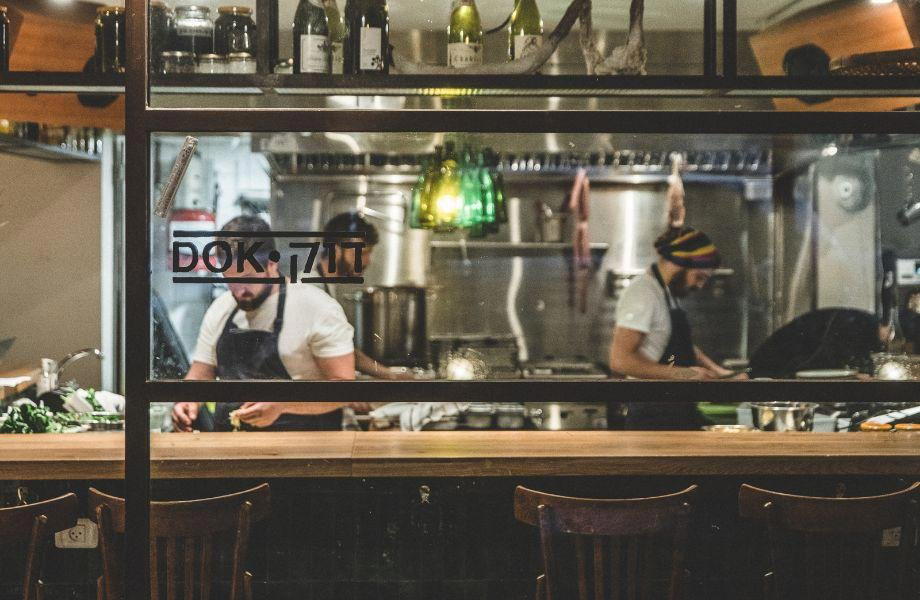
Ibn Gabirol and the Neighbourhood Rhythm
Shlomo Ibn Gabirol Street runs through the heart of Tel Aviv's residential and civic middle, threading past the Rabin Square corridor and the low-rise cafes that serve the city's working week. Restaurants along this stretch tend to operate on a dual register: approachable enough for a weekday lunch crowd pulling in from nearby offices and apartments, purposeful enough in the evening to draw diners making a specific choice rather than a convenient one. Dok sits within that pattern. The address on Ibn Gabirol puts it in a zone where the competition is not the tourist-facing restaurants of the Old Port or the destination-heavy cluster of Florentin, but rather the everyday-serious dining that Tel Aviv runs on more quietly.
Tel Aviv's restaurant culture has grown considerably more confident over the past decade, and the Ibn Gabirol corridor reflects that. The city no longer positions itself as a supporting act to European or New York dining trends. Restaurants here draw on the full complexity of Israeli cooking — Levantine spicing, Sephardic preservation techniques, Ashkenazi comfort registers, and Arab-Israeli culinary traditions — and do so with a directness that has attracted sustained attention from international food media. For context on the broader scene, our full Tel Aviv restaurants guide maps the city's main dining corridors and price tiers.
The Lunch-Dinner Divide in Tel Aviv Dining
In Tel Aviv more than in most cities of comparable size, the shift between lunch and dinner service reshapes not just the menu but the entire character of the room. Lunch in this city is functional and fast by necessity: the heat of the afternoon, the cadence of the working week, and a culture that does not treat midday eating as a leisure activity push most restaurants toward shorter formats, tighter menus, and a different price logic. Dinner, by contrast, is where ambition surfaces. Kitchens extend their reach, tables turn more slowly, and the gap between a neighbourhood address and a destination address narrows.
This dynamic is visible across the city's mid-tier and upper-mid-tier restaurants. At Habasta, the market-proximity model sharpens at dinner when the day's leading produce is already committed to the evening menu. At Alena at The Norman, the hotel dining context creates an evening formality that the lunch service does not attempt to replicate. Dok, occupying a neighbourhood rather than a hotel or market-adjacent position, operates within this same split. The Ibn Gabirol location suggests a restaurant that earns its dinner credentials from repeat local trust rather than from destination positioning.
What that means in practical terms: arriving at Dok for a midday meal and arriving for dinner are likely to produce meaningfully different experiences in pacing and atmosphere, even if the kitchen's core identity stays consistent. This is not a weakness specific to Dok, it is how serious neighbourhood restaurants function across Tel Aviv, and it is worth calibrating expectations accordingly.
Tel Aviv's restaurant scene has a pronounced middle tier: places that operate above the falafel-and-hummus everyday baseline and below the tasting-menu formality of rooms like Aria or the chef-driven Mediterranean ambition of Abie. That middle tier is where the city's dining identity is most honestly expressed, less performative than the leading tables, more considered than the casual end. Dok's Ibn Gabirol address places it in conversation with that tier.
Comparison across this middle band is useful. a and Azura both operate with strong neighbourhood identities, drawing regulars through consistency rather than novelty. The same logic applies further afield: Chakra in Jerusalem holds a similar position in its city's dining geography, and Majda in Har Nof demonstrates how Arab-Jewish culinary synthesis can anchor a destination reputation outside a major city centre. Tel Aviv's coastal neighbours contribute their own reference points: Uri Buri in Acre and Helena in Caesarea both show how seafood-forward kitchens build reputations along the Israeli coast, while Pescado in Ashdod and Abu Hassan in Jaffa anchor different price and cuisine points within the greater Tel Aviv area.
The Israeli dining scene beyond the city also provides useful context for understanding what Dok is working within. Diana in Nazareth has long represented the northern Arab-Israeli grill tradition at a serious level. מידס in Ashqelon shows how regional cities are developing their own dining identities independent of Tel Aviv's lead. And at the more casual register, Burger 232 in Maggen sits in a completely different competitive frame, useful for illustrating how wide the range of serious Israeli restaurant culture now runs.
Internationally, the ambition Tel Aviv restaurants are reaching toward has precedents: the sourcing discipline of Lazy Bear in San Francisco and the precision-over-spectacle approach visible at Le Bernardin in New York City represent the kind of sustained craft credibility that the better Israeli kitchens are increasingly benchmarking against, even if the culinary traditions involved are entirely different. Herbert Samuel Herzliya offers a closer local reference point for what polished Israeli-Mediterranean cooking looks like when it operates at a higher level of finish.
Planning a Visit
Dok's address at Shlomo Ibn Gabirol St 27 is accessible from central Tel Aviv without difficulty, the Ibn Gabirol corridor is served by bus along its length and is walkable from the Rabin Square area. As with most neighbourhood restaurants in Tel Aviv, the practical details worth confirming before visiting include current hours, booking requirements, and whether the evening service runs a different format from lunch. None of these are available in confirmed form at this point, so contacting the restaurant directly before arriving is advisable, particularly for dinner, when mid-tier Tel Aviv addresses tend to fill on weekends.
For wider dining planning across the region, the restaurants listed above, from Abu Hassan in Jaffa to Uri Buri in Acre, give a sense of the range available within a short drive of the city. Tel Aviv rewards visiting with a regional frame rather than treating it as a self-contained dining destination.
Cuisine-First Comparison
A quick peer list to put this venue’s basics in context.
| Venue | Cuisine |
|---|---|
| DokThis venue — the venue you are viewing | Not listed |
| Dr. Shakshuka | Middle Eastern |
| Ha'Achim | Israeli |
| Habasta | Israeli |
| HaSalon | Israeli - Mediterranean, Israeli |
| Jasmino | Kebabs |
Continue exploring
More in Tel Aviv
Restaurants in Tel Aviv
Browse all →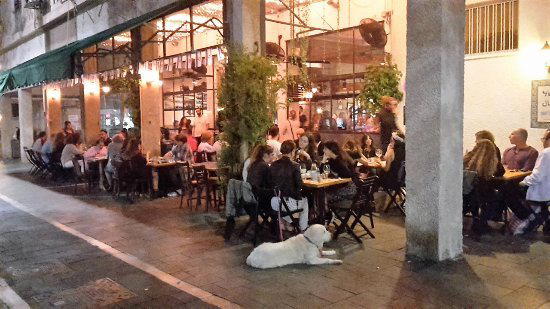
Bars in Tel Aviv
Browse all →

Hotels in Tel Aviv
Browse all →
At a Glance
- Intimate
- Modern
- Trendy
- Date Night
- Special Occasion
- Open Kitchen
- Chefs Counter
- Extensive Wine List
- Local Sourcing
Current opening hours
- Monday
- 6–11 PM
- Tuesday
- 6–10 PM
- Wednesday
- 6–10 PM
- Thursday
- 6–10 PM
- Friday
- 12–5 PM
- Saturday
- Closed
- Sunday
- Closed
Hours can change for holidays and private events. Last verified .
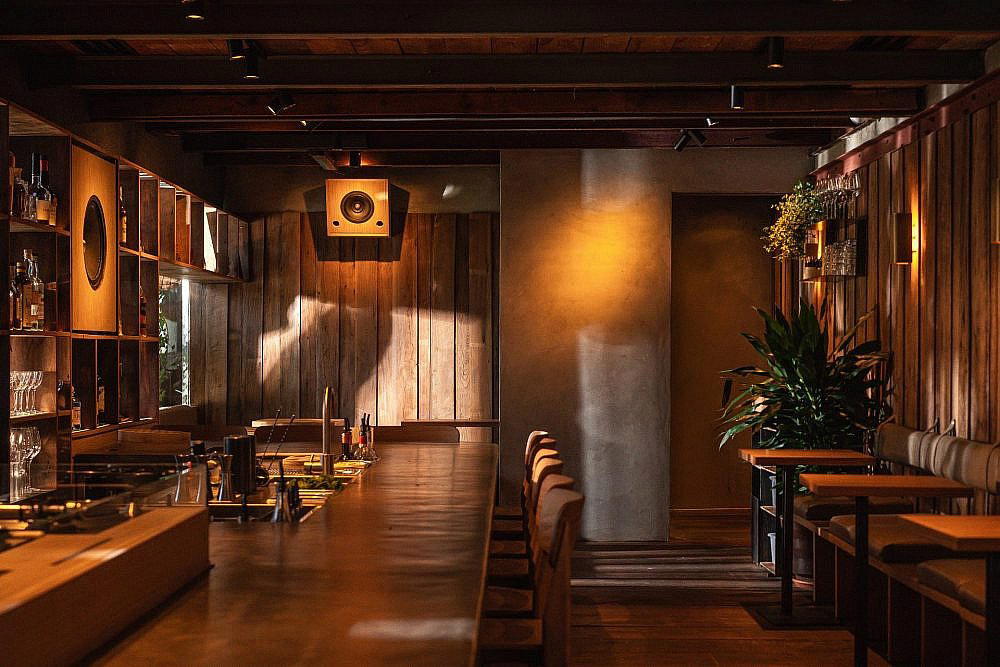
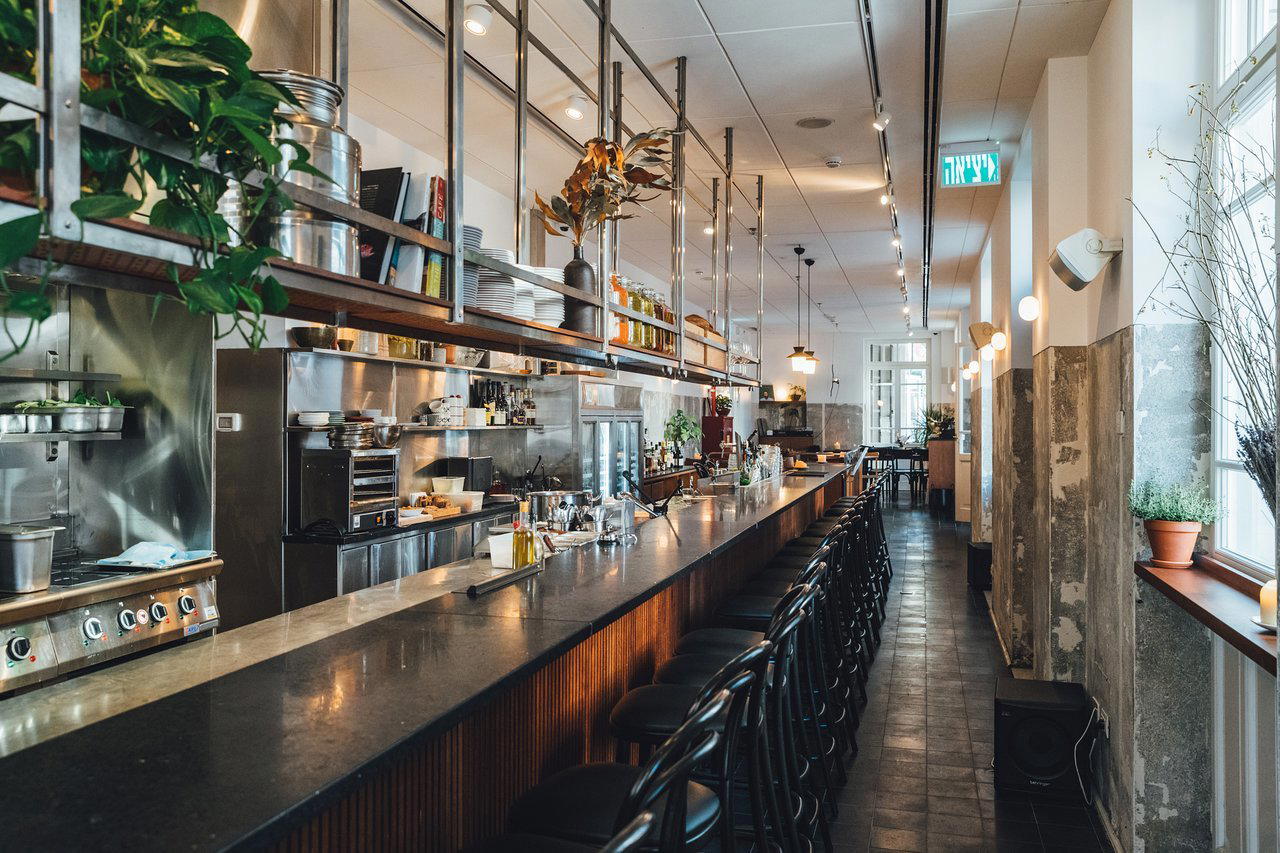
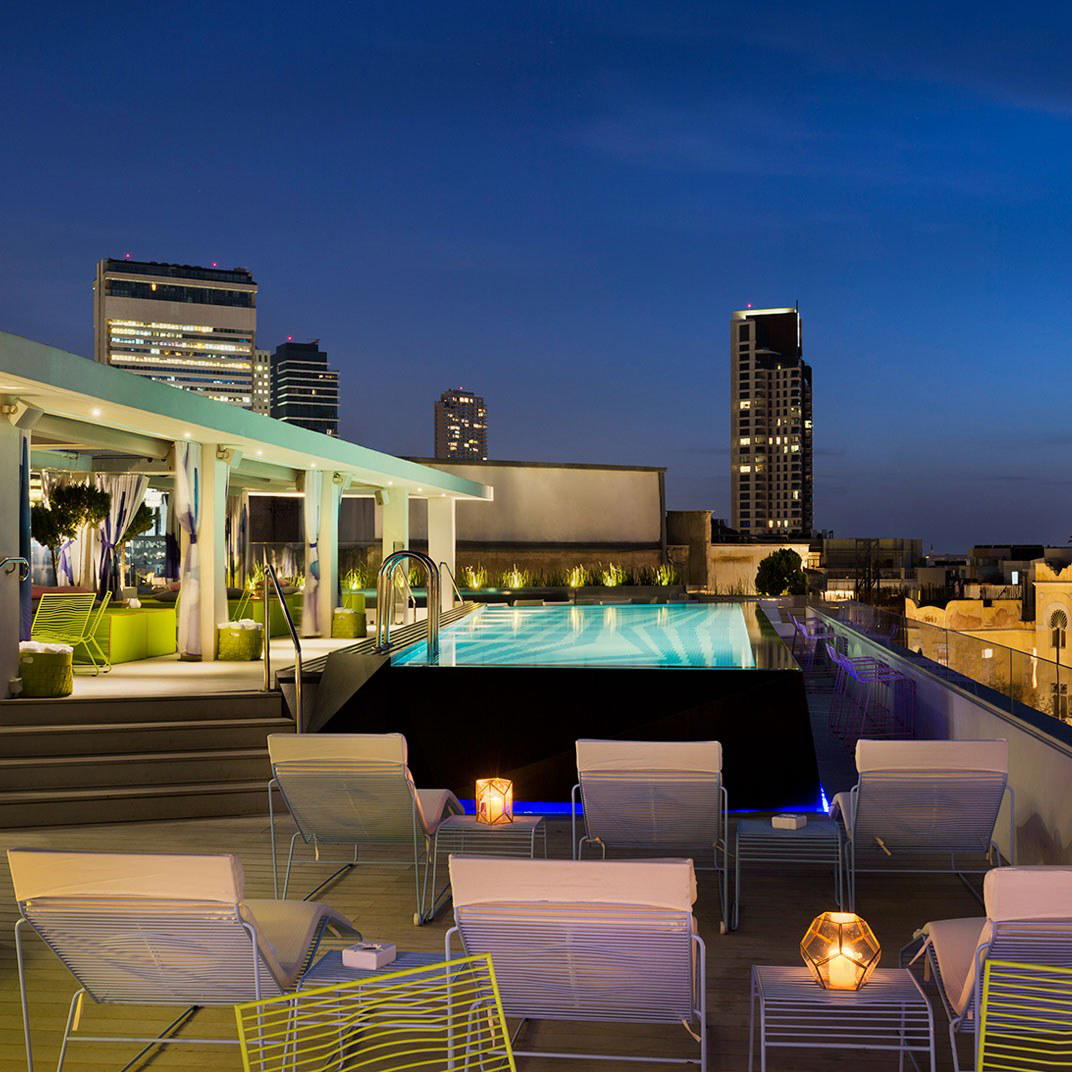
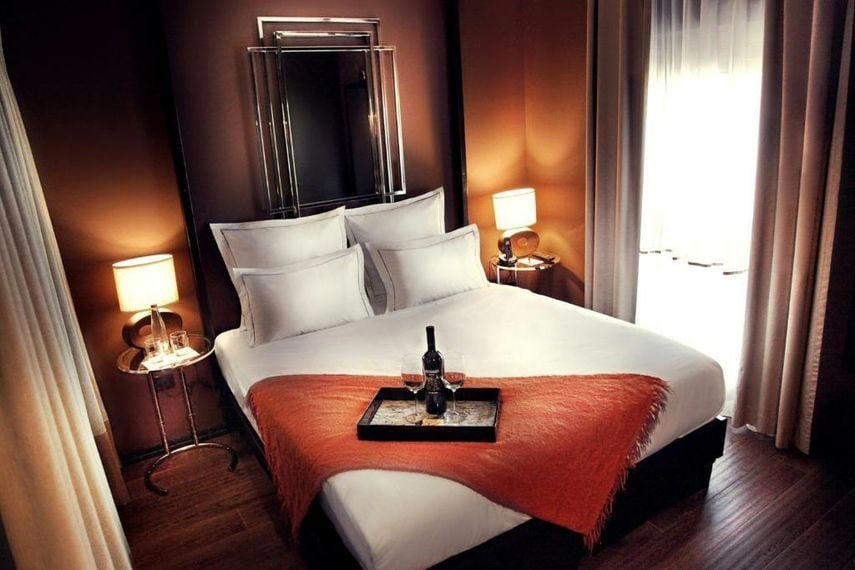
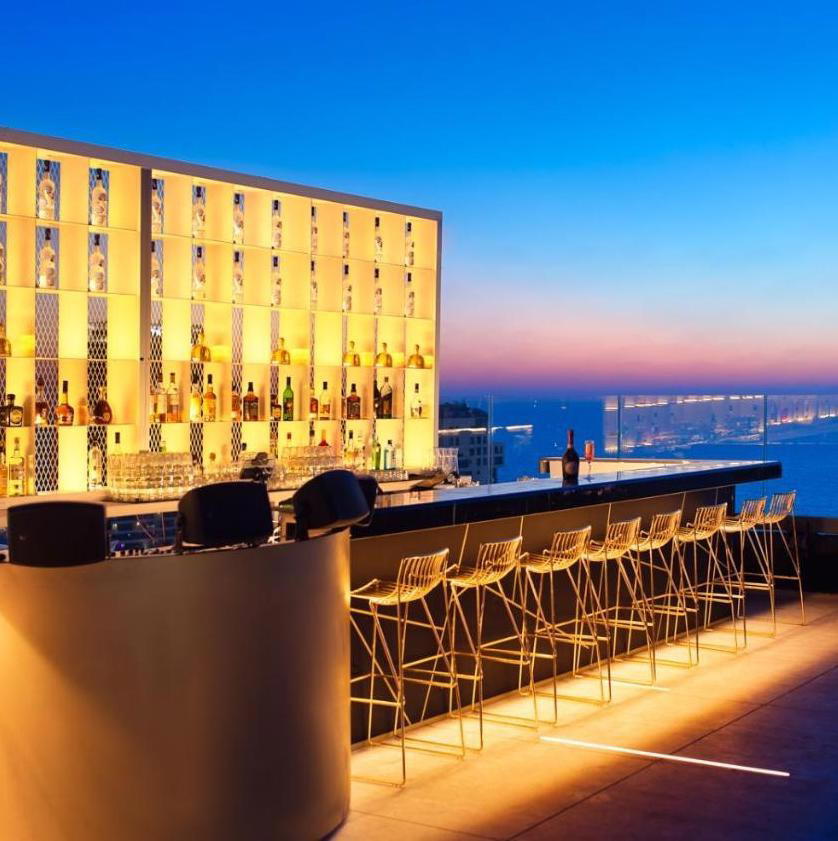
Low-lit, intimate dining room with open kitchen and casual yet sophisticated atmosphere.
Know Before You Go
- Getting there
- Shlomo Ibn Gabirol St 27, Tel Aviv-Yafo, Israel