
Pescado is a Mediterranean restaurant on Martin Buber Street in Ashdod, ranked consistently in Opinionated About Dining's Casual Europe list, reaching #148 in 2023 before settling at #205 in 2025. Under chef Yehi Zino, it operates a lunch-and-dinner format six days a week, drawing a loyal local following that extends its reputation well beyond Israel's coastal dining circuit.
Pearl is the En Primeur Club membership app — saves, bookings, and concierge access live there. Same editors, same standards.
- Address
- Martin Buber St 1/12, Ashdod, Israel
- Phone
- +972 8-852-3063
- Website
- pescado.co.il
- Directions
- Get directions
 Saves & bookings on Pearl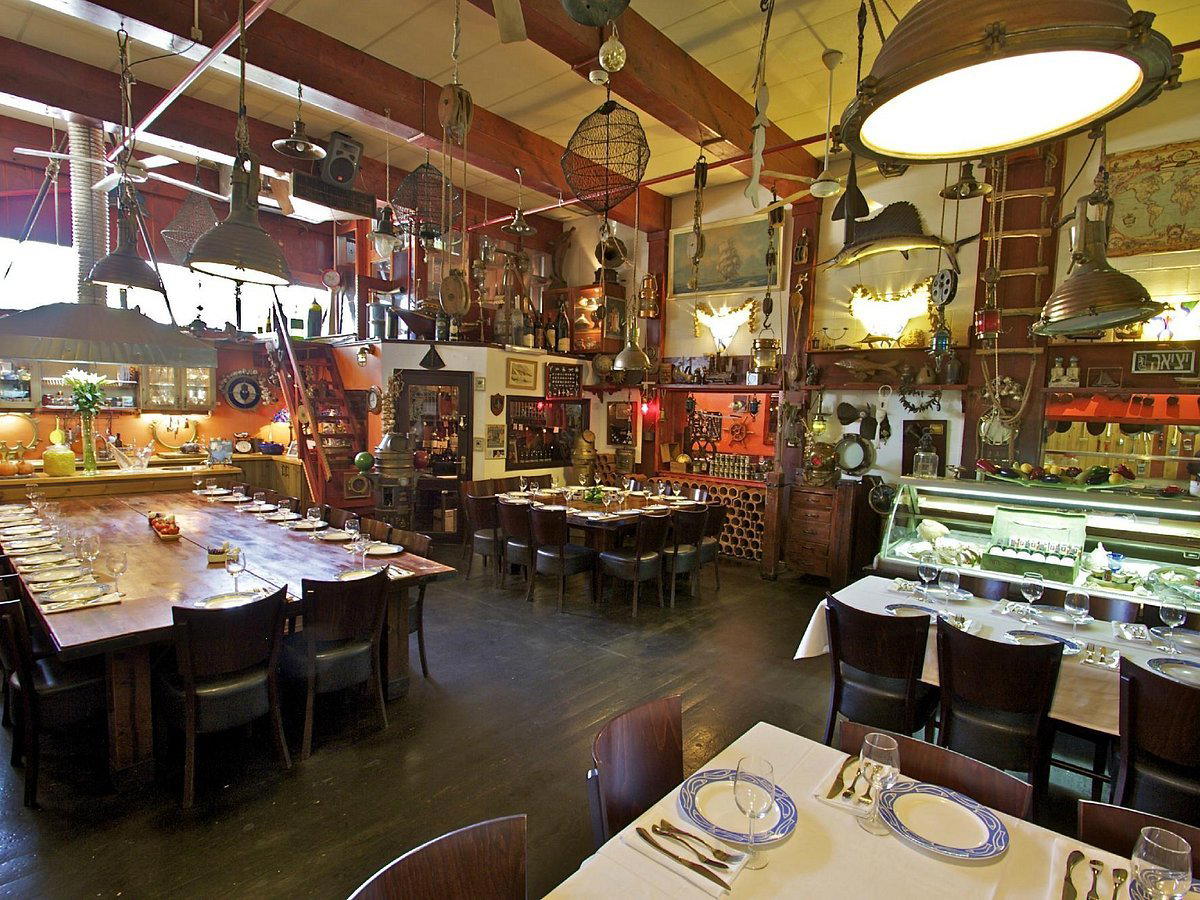
Where Ashdod's Mediterranean Cooking Gets Serious
Ashdod sits on Israel's southern Mediterranean coast, roughly 35 kilometres south of Tel Aviv, and its dining scene reflects a city that has long operated outside the culinary spotlight that tends to concentrate on Jaffa and Tel Aviv's central neighbourhoods. That relative quietness is, in part, why a restaurant like Pescado carries weight. When Opinionated About Dining ranks a restaurant in an Israeli port city three years running, it signals something worth paying attention to. Pescado appeared at #148 in 2023, #186 in 2024, and #205 in 2025. The movement across those years is less a story of decline than of a field that keeps widening; the baseline quality holding steady is the more instructive data point.
The address, Martin Buber St 1/12, places the restaurant in a residential-commercial zone that suits the register of the cooking. Mediterranean cuisine in Israel draws from a different well than its counterparts in, say, Barcelona or Dubrovnik. The pantry here is shaped by Levantine produce, proximity to local fisheries, and the layered culinary inheritance of communities that arrived from across North Africa, the Middle East, and southern Europe. That inheritance tends to express itself through olive oil as an architectural ingredient rather than a finishing note, pressed into the structure of dishes rather than drizzled across the surface for visual effect. For a restaurant named after fish, the oil question matters: how fat is deployed in Mediterranean seafood cooking is often where skill becomes visible.
The Olive Oil Foundation: Fat as Structure, Not Garnish
Across the Mediterranean, the distinction between good and merely adequate cooking often comes down to how olive oil functions in the dish. In the coastal Israeli tradition, particularly in restaurants that draw from both Levantine and broader Mediterranean sources, oil is the medium through which heat is transferred, acidity is balanced, and texture is built. It is the opposite of decorative. Restaurants working seriously in this register treat the selection and application of oil with the same care that a French kitchen might apply to butter: different expressions for different tasks, cold for dressings, warm for braising, high-heat for searing where the smoke point matters.
Restaurants that maintain that kind of recognition in the OAD system, which relies heavily on repeat visits from experienced diners, tend to be consistent rather than flashy. They hold a line rather than reinventing it each season. That is precisely the kind of discipline that olive oil-forward cooking rewards: it exposes inconsistency immediately and rewards technique quietly.
For comparison, Mediterranean restaurants working at a similar casual register in other cities, including Ottolenghi in London, Balear in Madrid, and Le Ponant in Dubrovnik, share the emphasis on quality base ingredients and restraint in technique. What distinguishes the Israeli coastal version is that the Levantine pantry adds a layer of spice logic, preserved citrus, and legume depth that does not appear in the Catalan or Adriatic equivalents. Pescado operates in that distinct regional register.
The Broader Ashdod Context
Ashdod's dining scene does not have the critical infrastructure of Tel Aviv, no equivalent concentration of food press, no cluster of high-profile openings driving coverage cycles. What it has instead is a dense local dining culture shaped by a large and food-literate population with roots across North Africa and the former Soviet Union. The restaurant ecosystem here tends toward the casual and the deeply local. That context makes OAD recognition meaningful in a different way than it would be for a Tel Aviv address: the signal is not amplified by proximity to media attention. It is earned from a more removed position.
Ashdod's broader hospitality offer, including hotels, bars, and cultural experiences, is covered in detail in. For Israeli Mediterranean cooking in a more Tel Aviv-centric frame, Alena at The Norman and Abu Hassan in Jaffa represent the range from fine-dining Mediterranean to the hyper-local Levantine casual register. Chakra in Jerusalem adds another regional reference point for serious Israeli cooking outside the Tel Aviv corridor.
Internationally, the casual Mediterranean category that Pescado competes in on the OAD list includes restaurants across different city contexts, from Apolonia in Chicago and Dalida in San Francisco to Forma in Los Angeles and Mediterranean Exploration Company in Portland. In Europe specifically, where the OAD ranking sits, it shares a list with Landersdorfer and Innerhofer in Munich, Restaurant Bonay in Barcelona, and Restaurante Tánicos in Fuengirola. Holding a position in that field from Ashdod, without the benefit of a major tourist economy or a media-saturated city context, reflects a kitchen working with some consistency.
Planning Your Visit
Pescado operates a split-shift schedule across most of the week: lunch runs from noon to 4 pm and dinner from 6 pm to 11:30 pm, Monday through Thursday, with the same hours on Sunday. The restaurant is closed on Friday and reopens Saturday evening only, from 8:30 pm to 11:30 pm, a schedule that reflects the Shabbat rhythm common across Israeli hospitality. That Saturday-evening-only opening is a relevant detail for anyone travelling specifically for a meal: missing the Friday and Saturday lunch services means planning around a narrower window than the weekly schedule might initially suggest. Reservations are essential.
Fast Comparison
Comparable venues nearby, for context on price, style, and recognition.
| Venue | Cuisine | Price | Notes |
|---|---|---|---|
| PescadoThis venue — the venue you are viewing | Modern Kosher Fish | $$$ | Not listed |
| Popina | Modern Mediterranean Chef Cuisine | $$$ | Newe Ẕedeq |
| Toto | Modern Italian Fine Dining | $$$ | HaQirya |
| Manta Ray | Modern Middle Eastern Seafood | $$$ | Newe Ẕedeq |
| Meshek Barzilay | Organic Vegan Farm-to-Table | $$$ | Newe Ẕedeq |
| Bellboy | Creative Cocktail Bar | $$$ | HaQirya |
Recognition history
Dated appearances from independent guides and award organizations, with the underlying list record or original source where available.
Opinionated About Dining Casual in Europe Recommended
Opinionated About Dining
Opinionated About Dining Casual in Europe Ranked #205
Opinionated About Dining
Opinionated About Dining Casual in Europe Ranked #186
Opinionated About Dining
Opinionated About Dining Casual in Europe Ranked #148
Opinionated About Dining
Continue exploring
More in Ashdod
Restaurants in Ashdod
Browse all →
At a Glance
- Elegant
- Sophisticated
- Intimate
- Date Night
- Celebration
- Business Dinner
- Group Dining
- Family
- Standalone
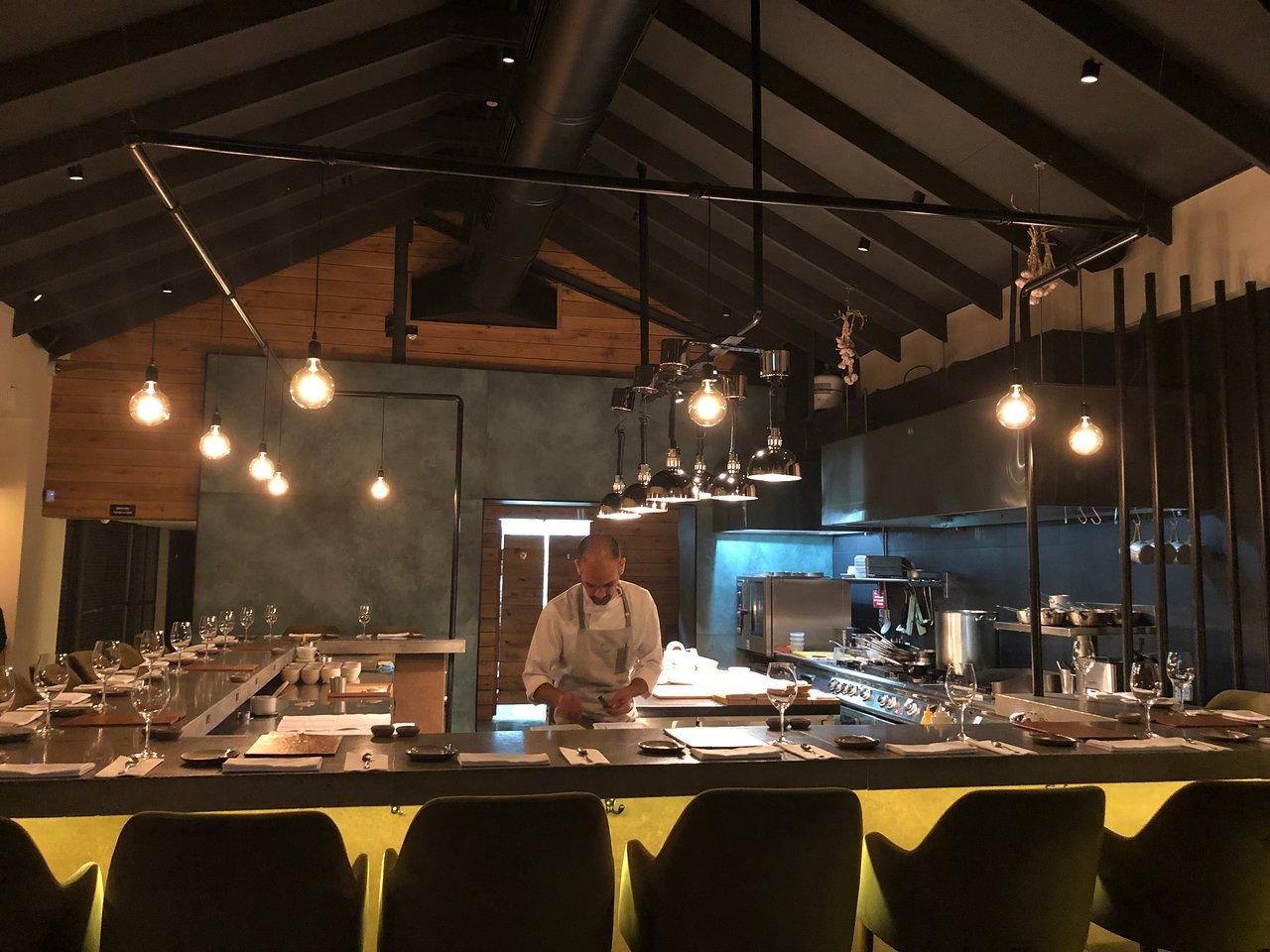
- Open Kitchen
- Beer Program
- Sustainable Seafood
- Local Sourcing
Current opening hours
- Monday
- 12–4 p.m., 6–11:30 p.m.
- Tuesday
- 12–4 p.m., 6–11:30 p.m.
- Wednesday
- 12–4 p.m., 6–11:30 p.m.
- Thursday
- 12–4 p.m., 6–11:30 p.m.
- Friday
- Closed
- Saturday
- 8:30–11:30 p.m.
- Sunday
- 12–4 p.m., 6–11:30 p.m.
Hours can change for holidays and private events. Last verified .
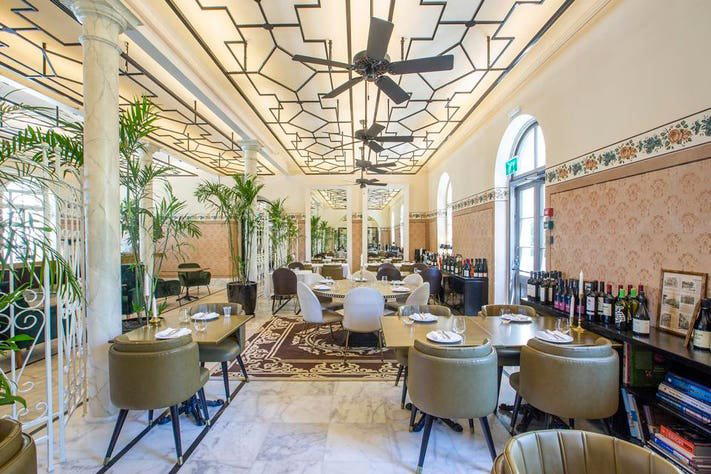
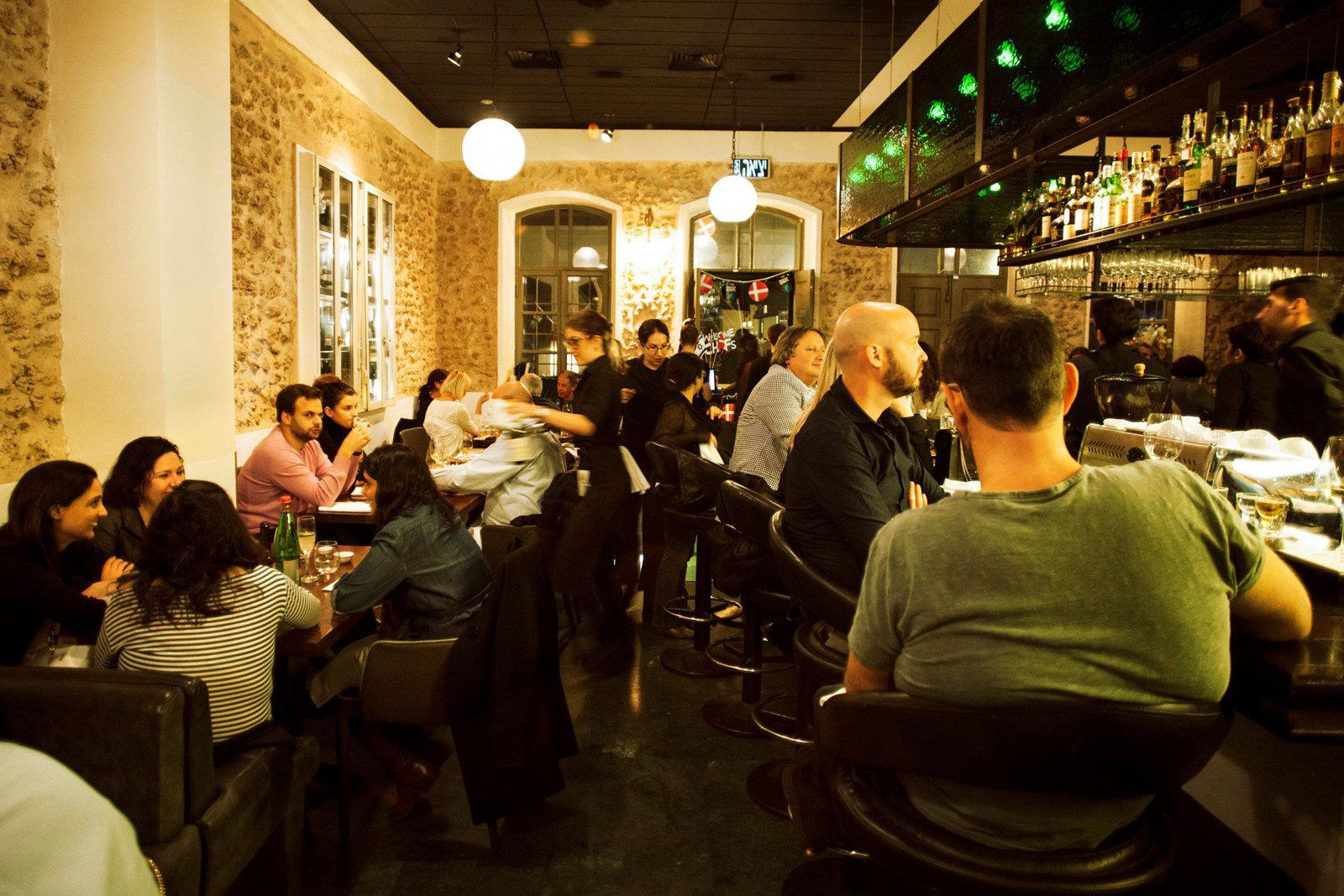
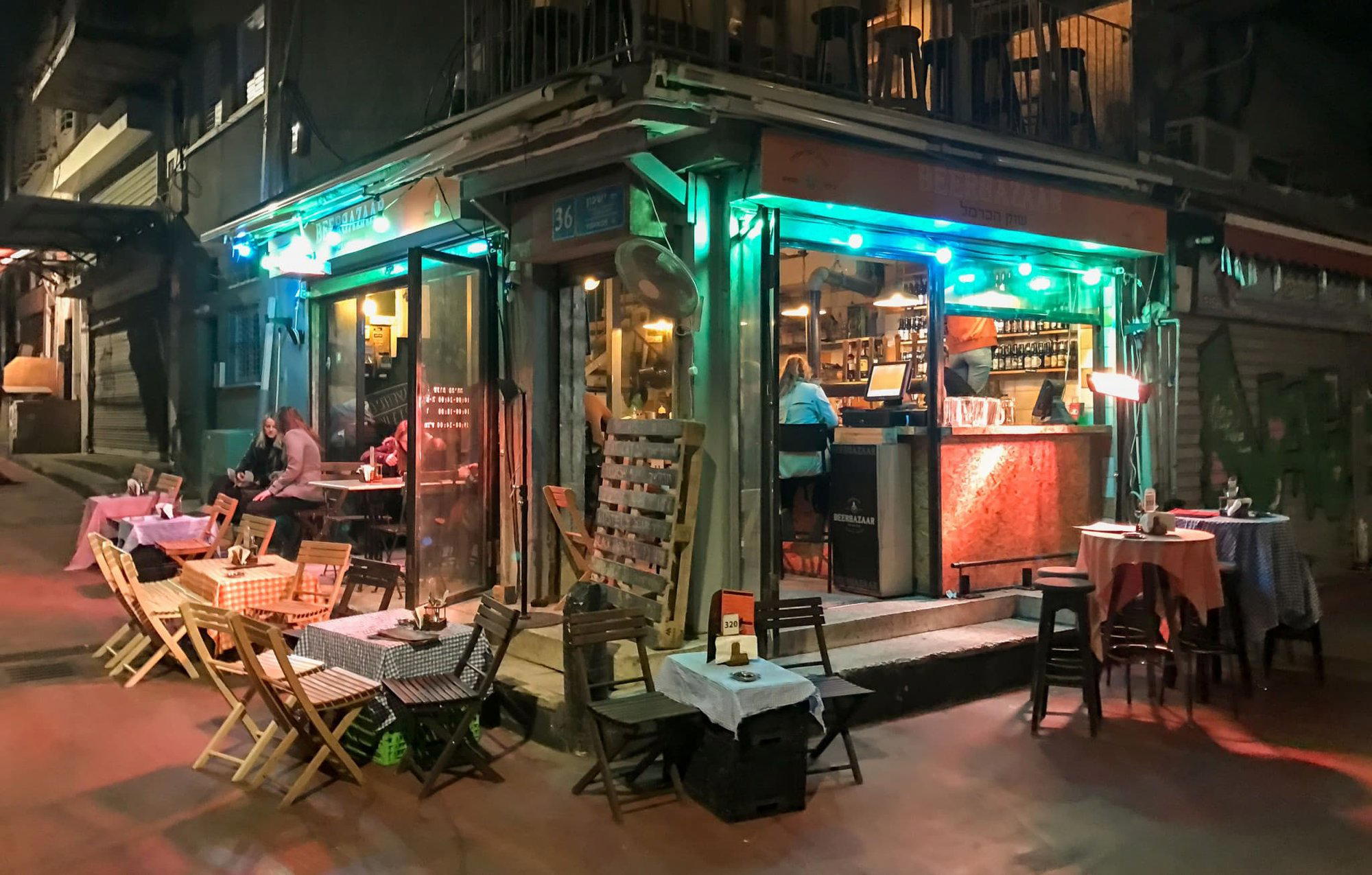
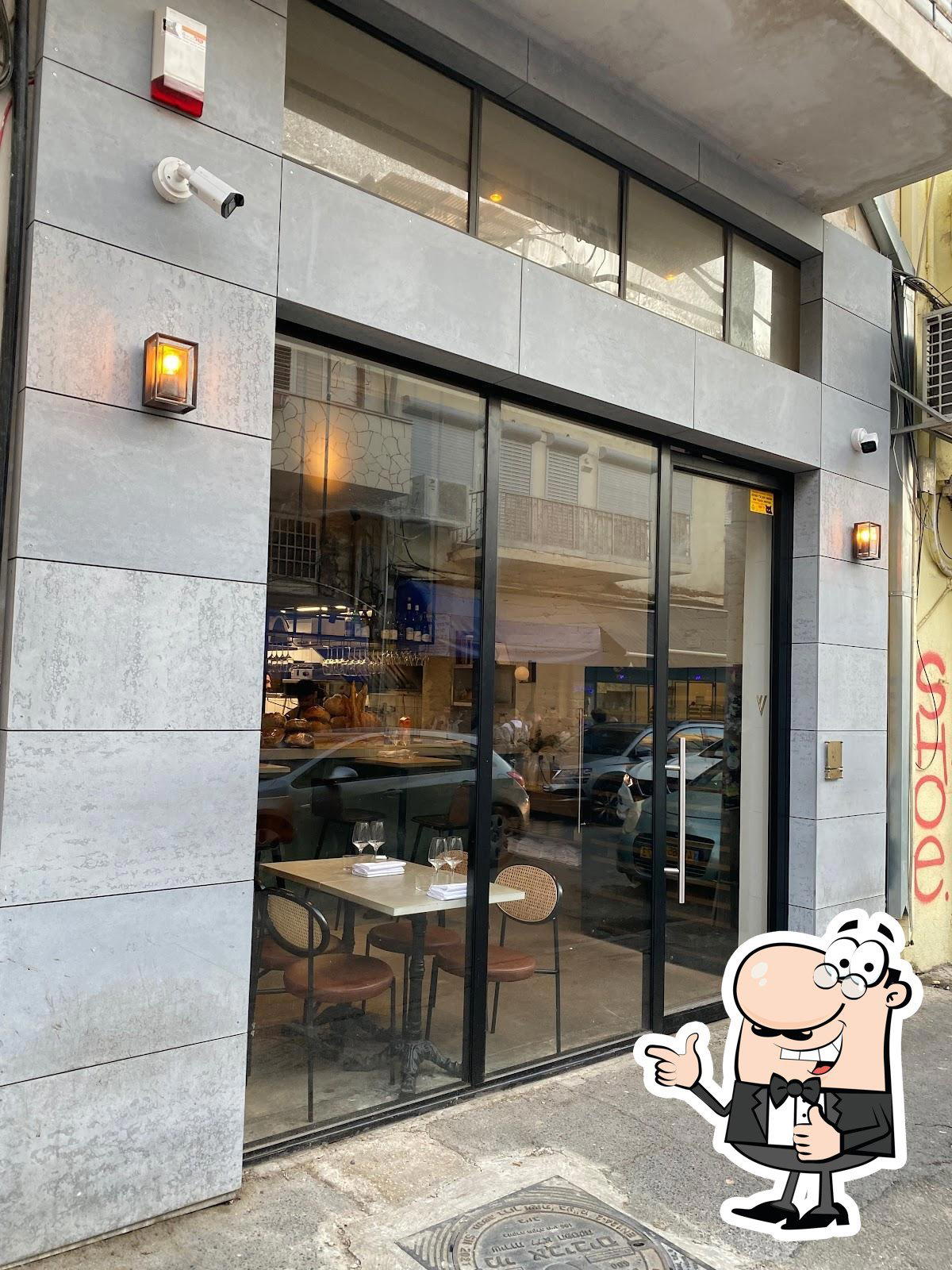
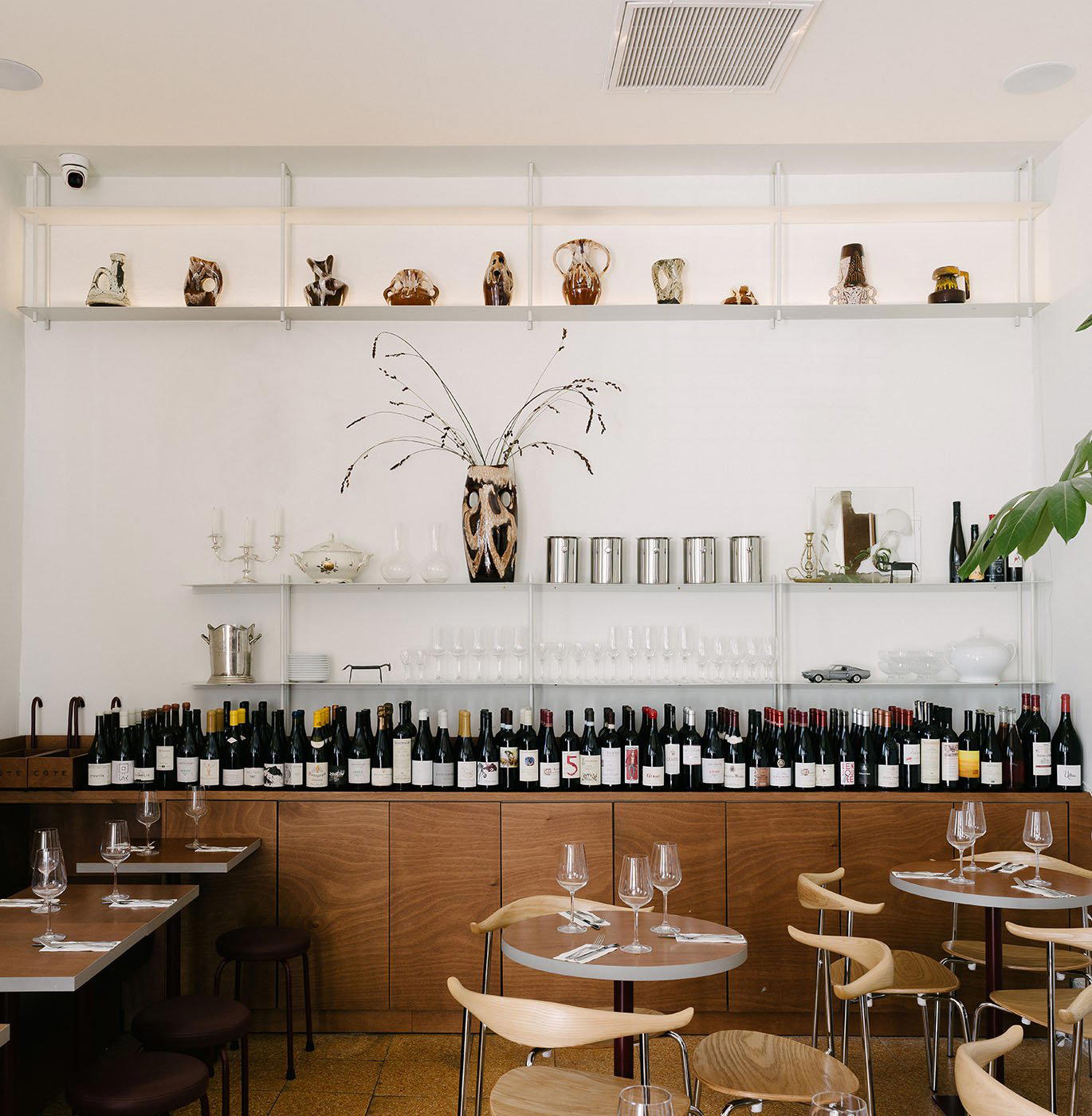
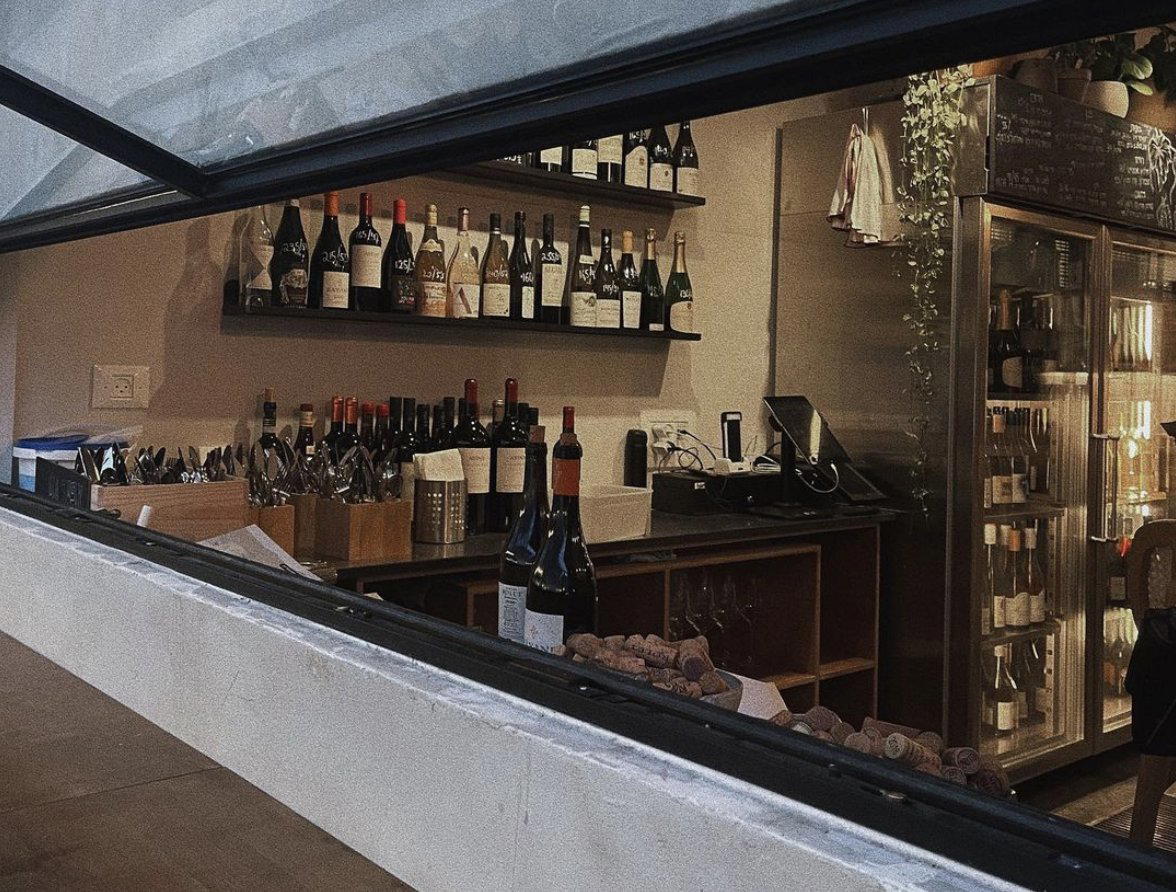
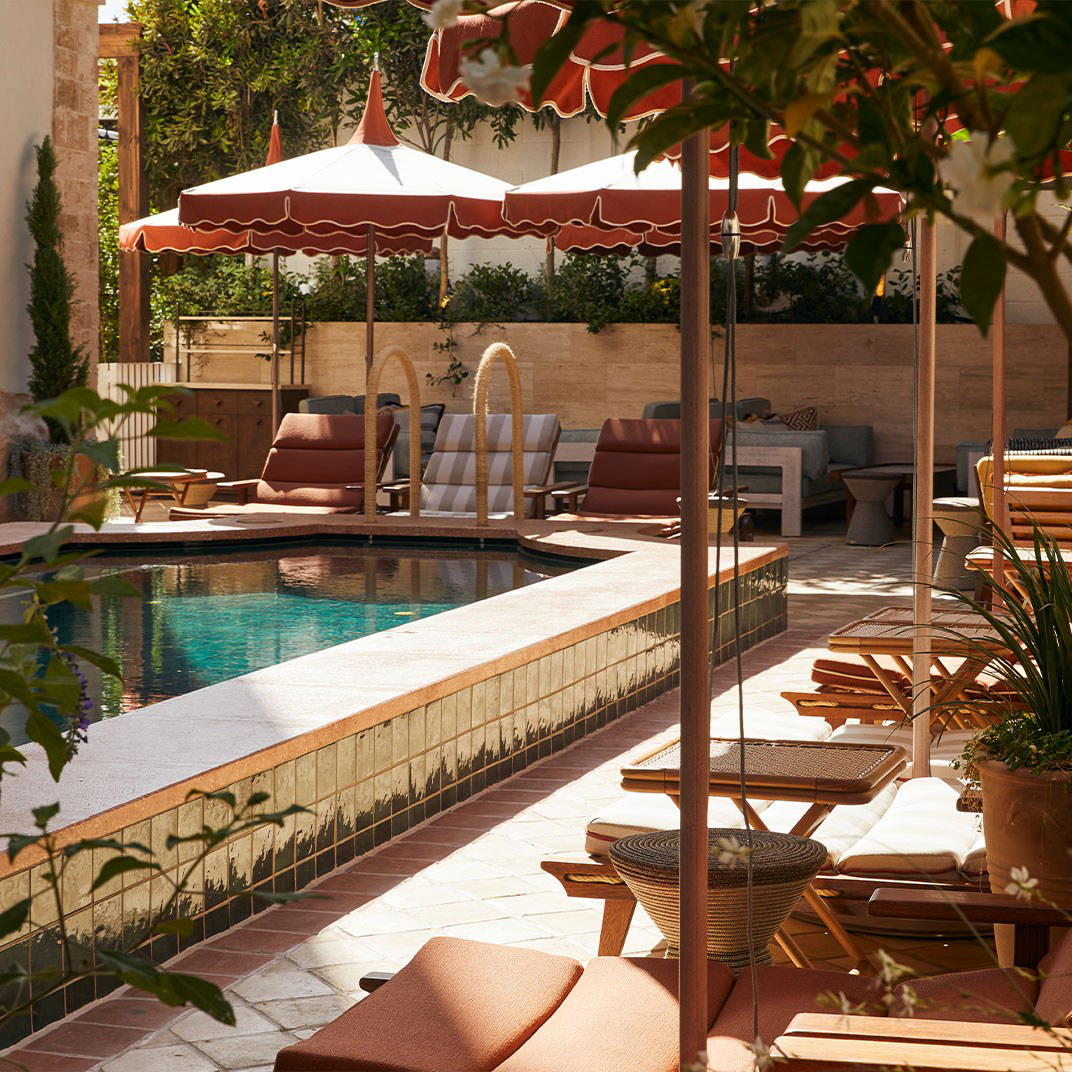
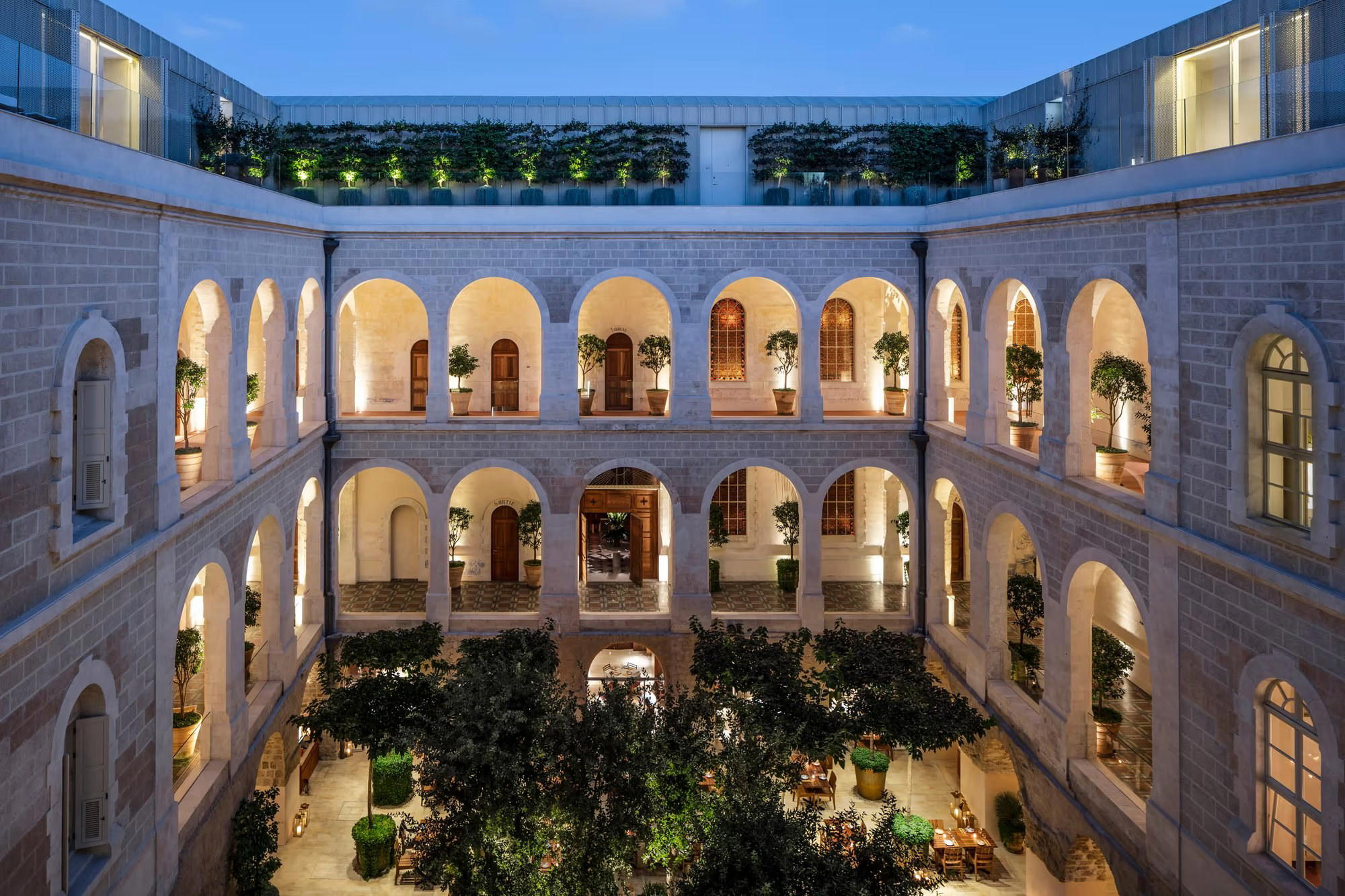
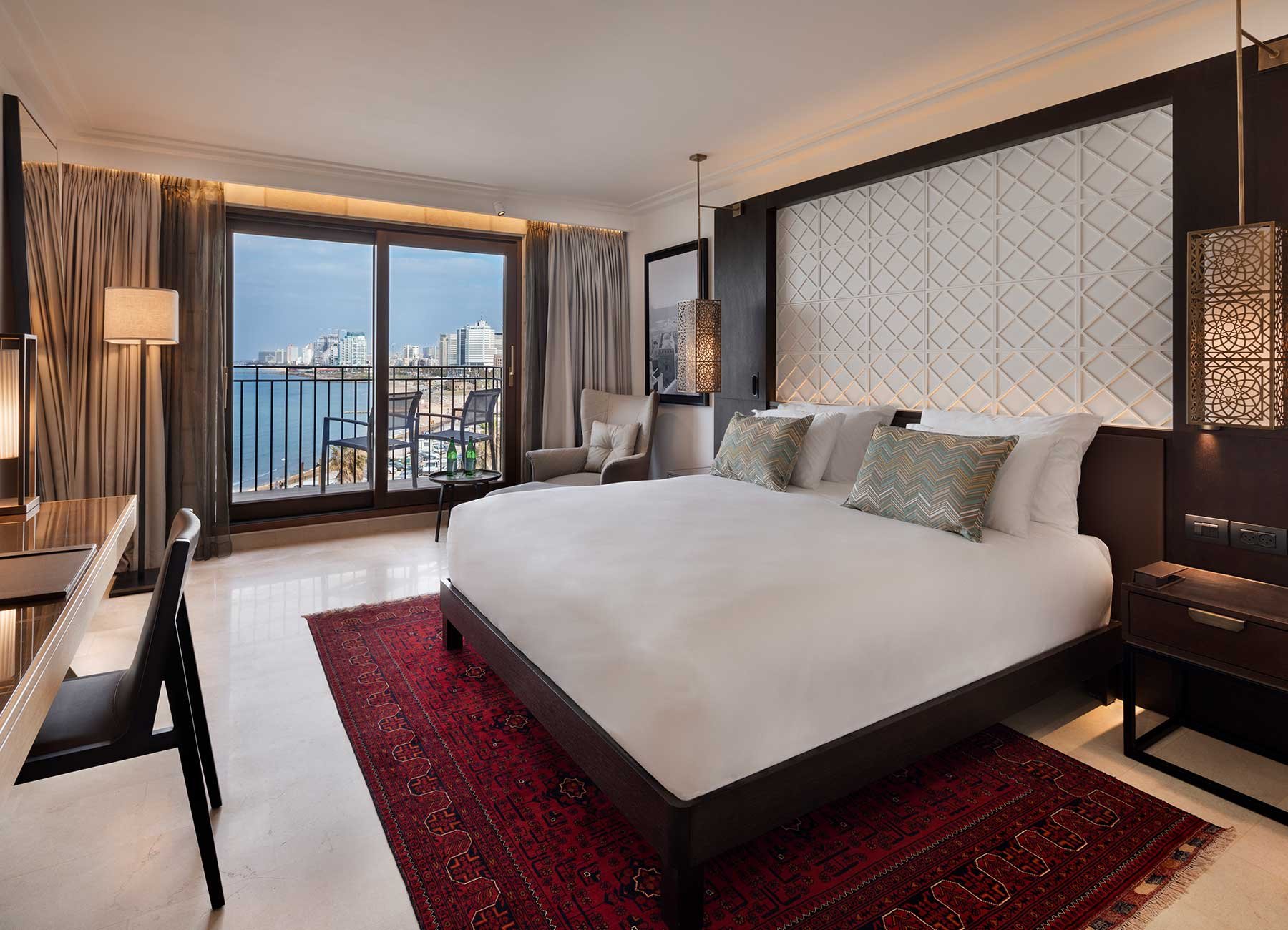
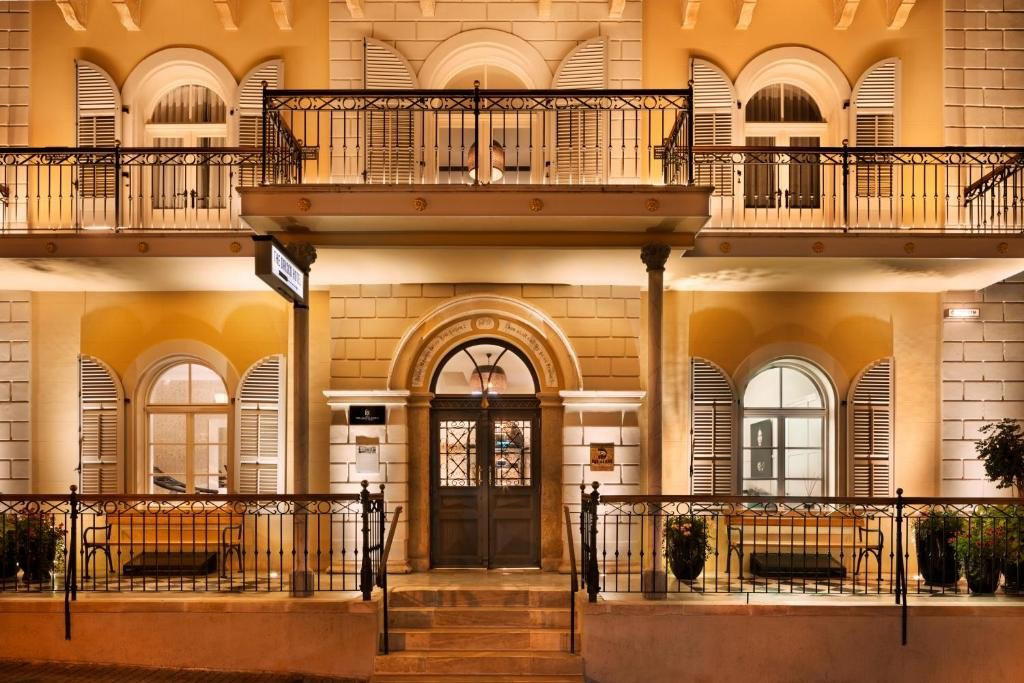
Beautifully decorated interior with simple outdoor covered dining areas; pleasant background music and comfortable table spacing create an upscale yet relaxed atmosphere.