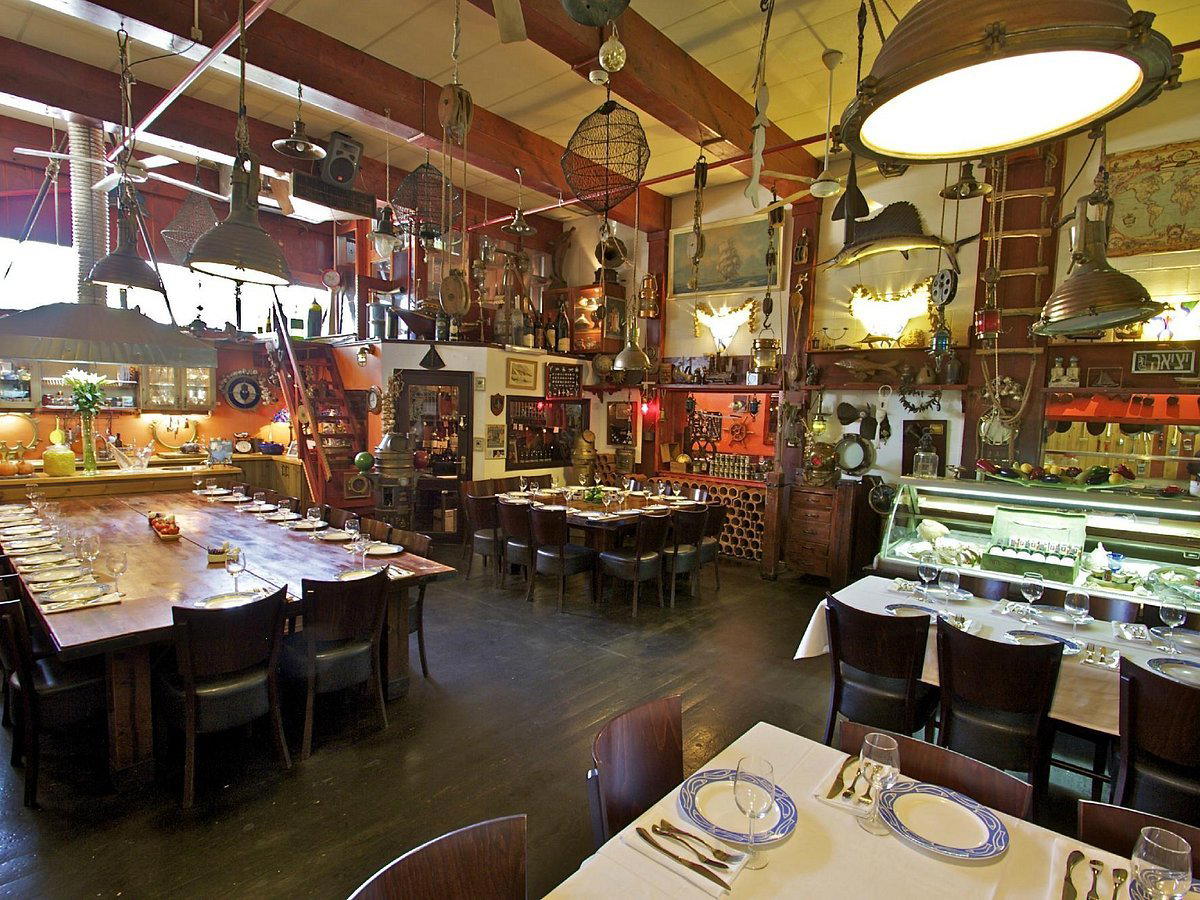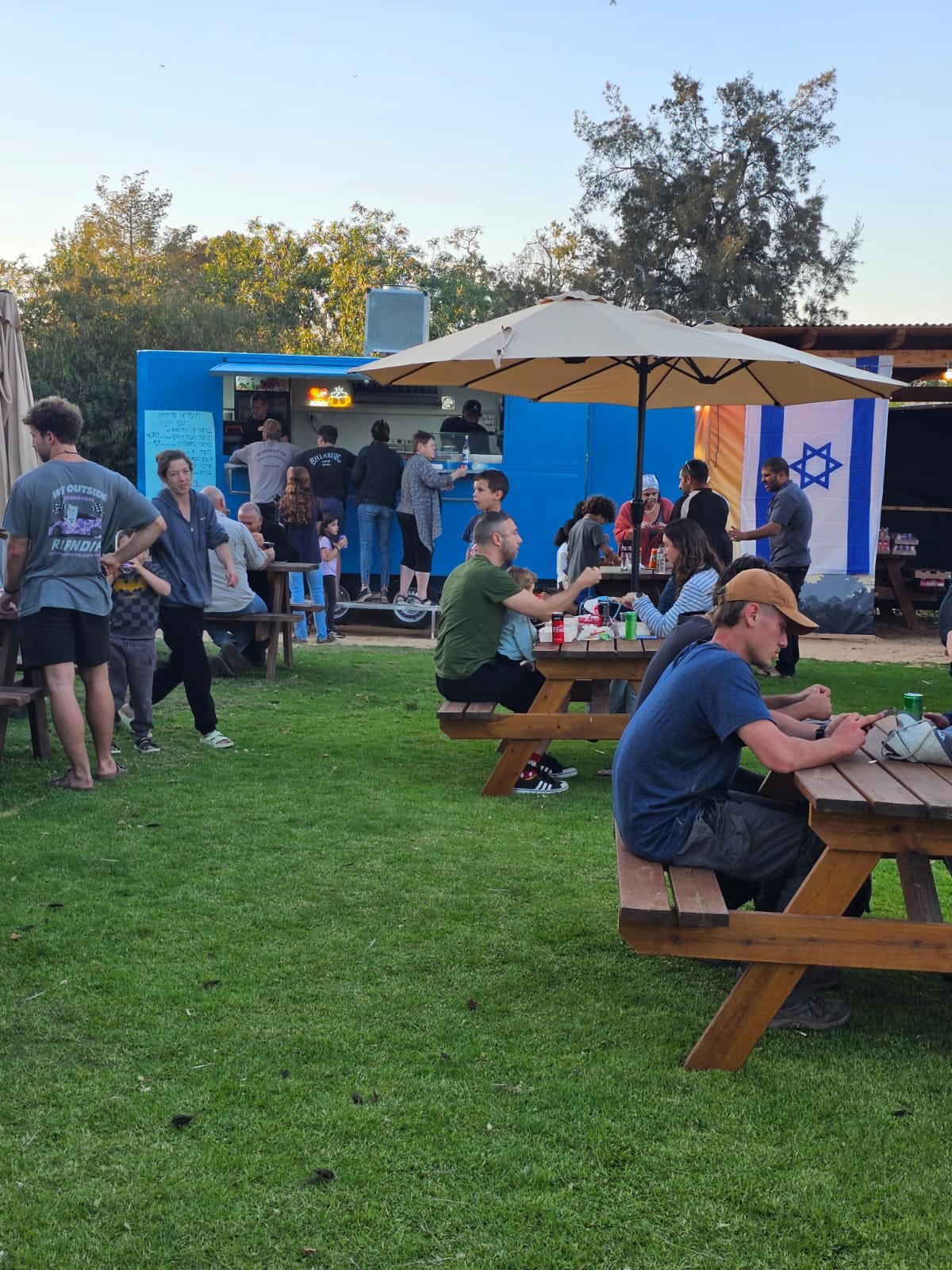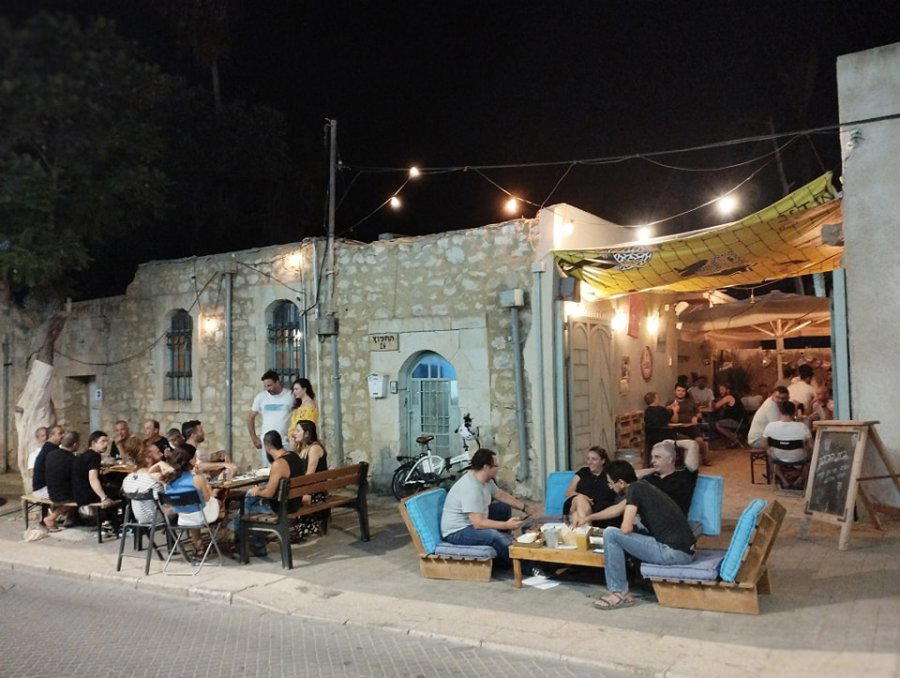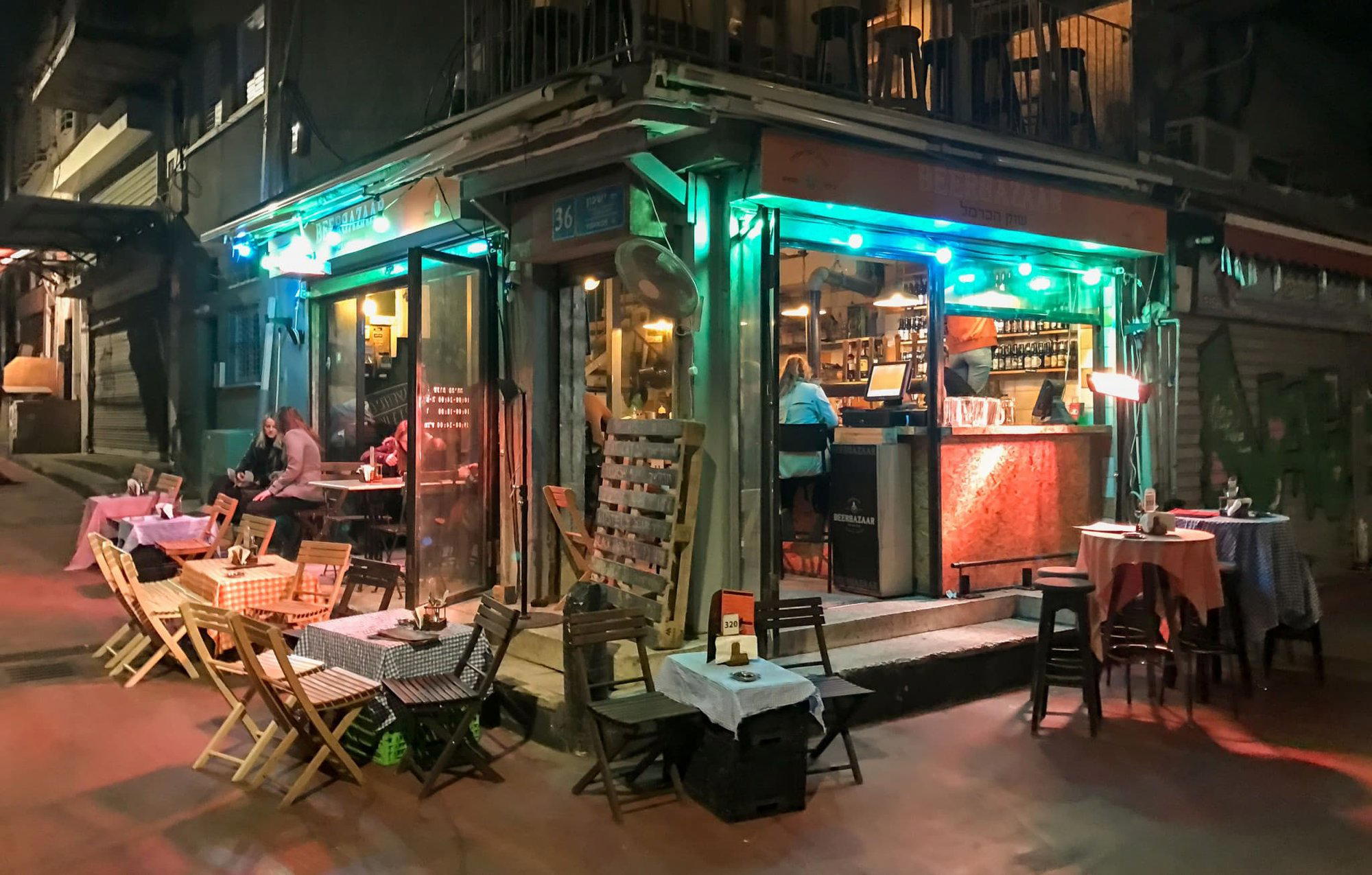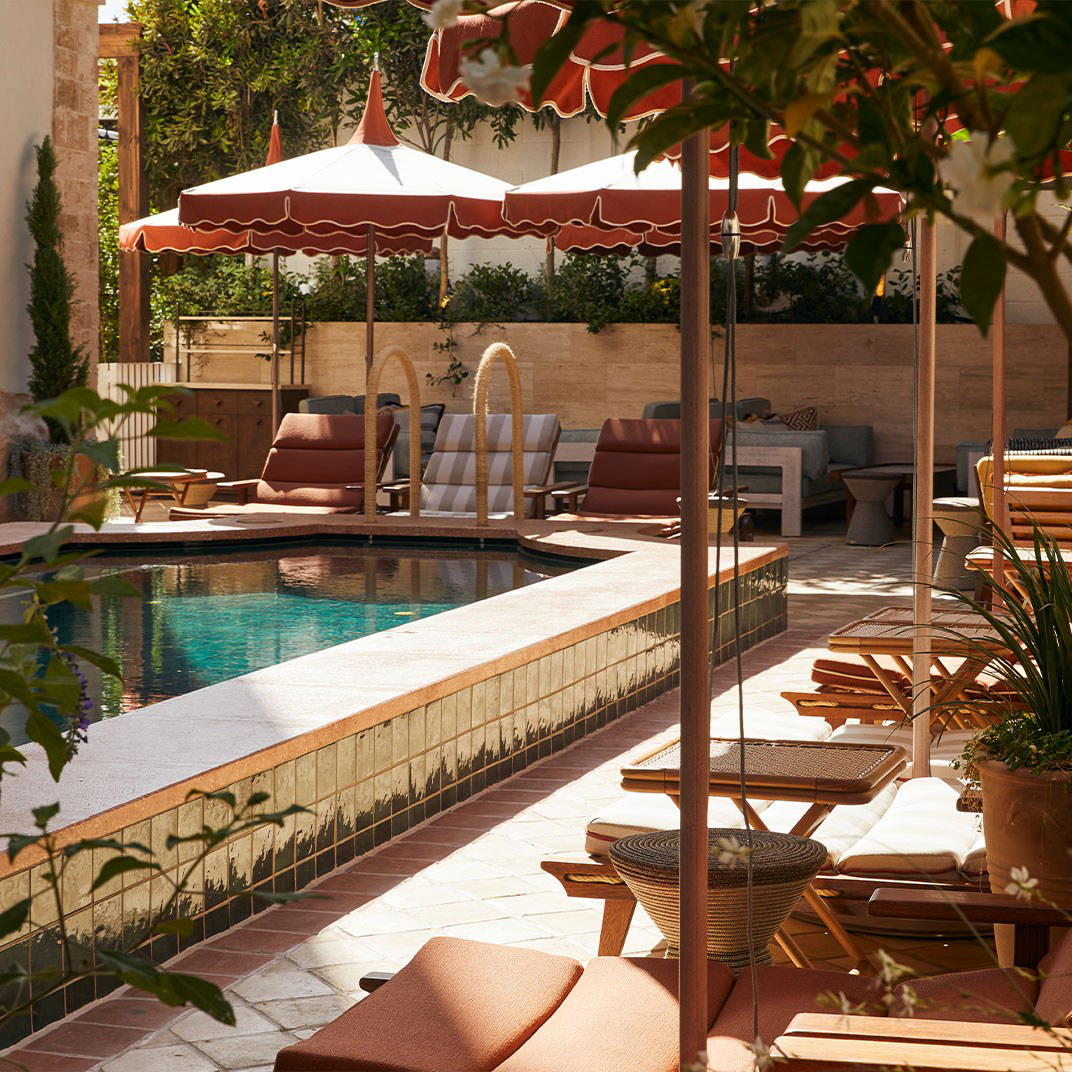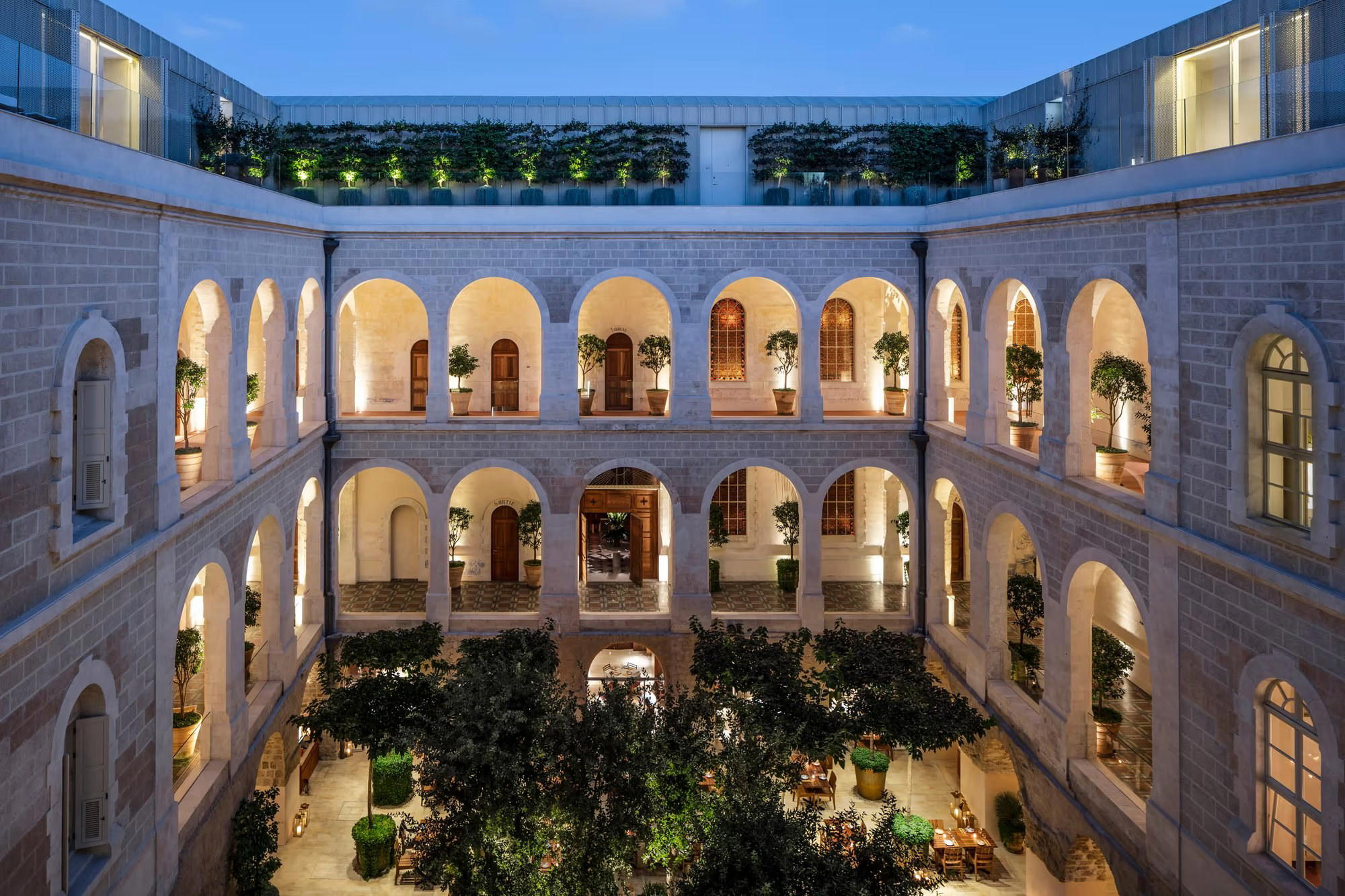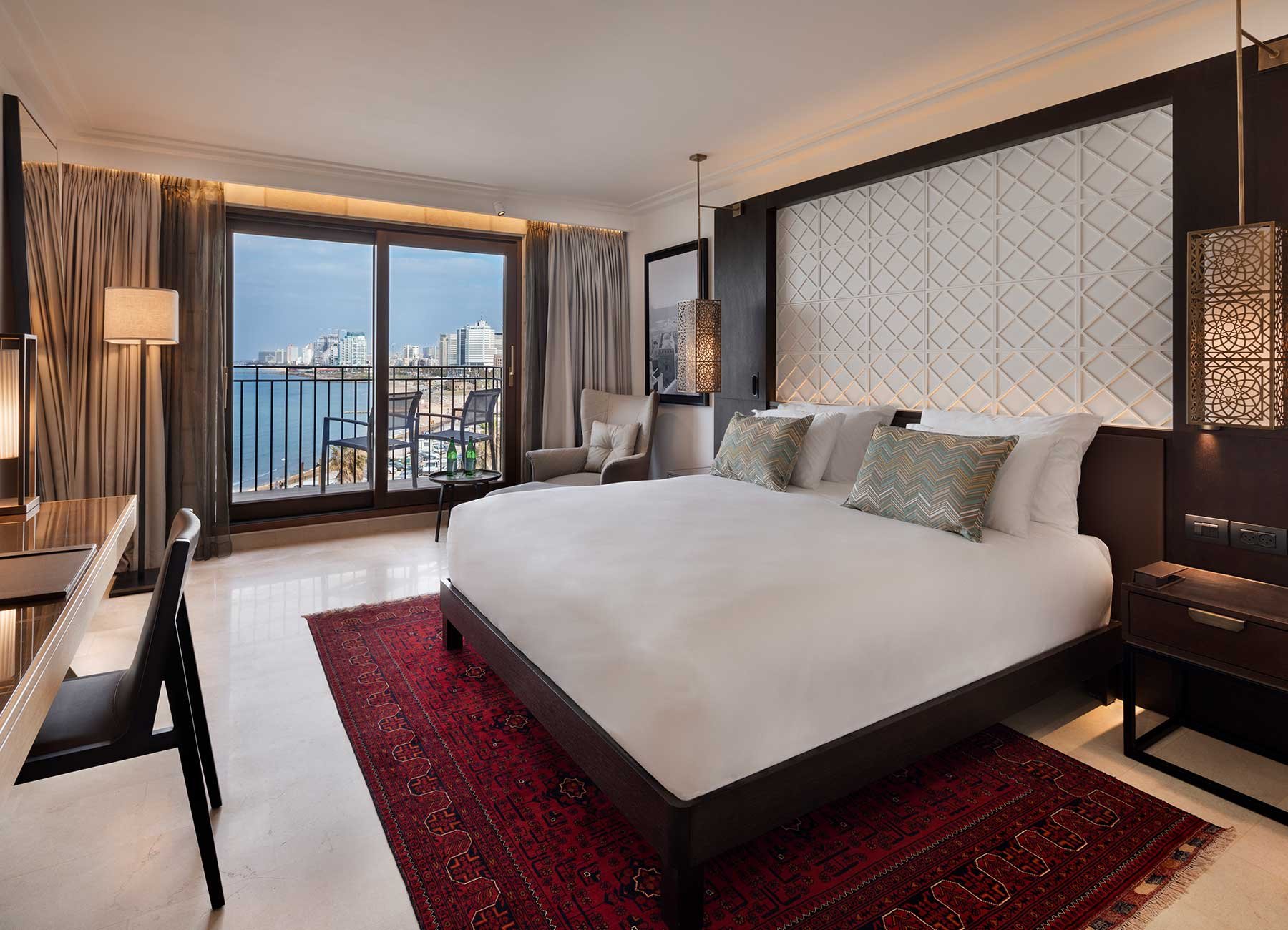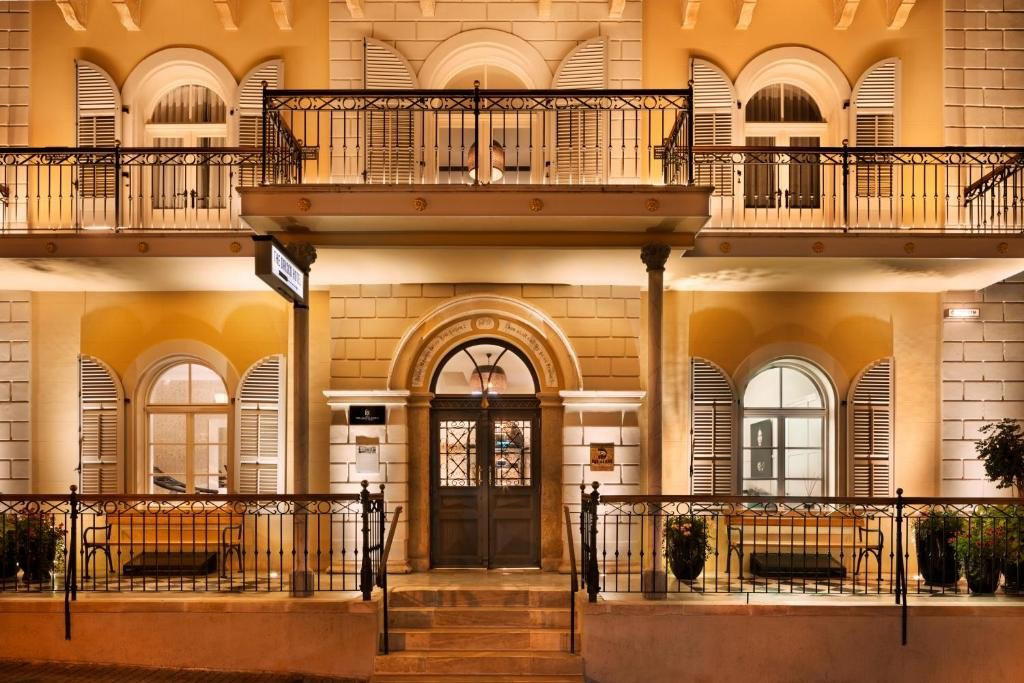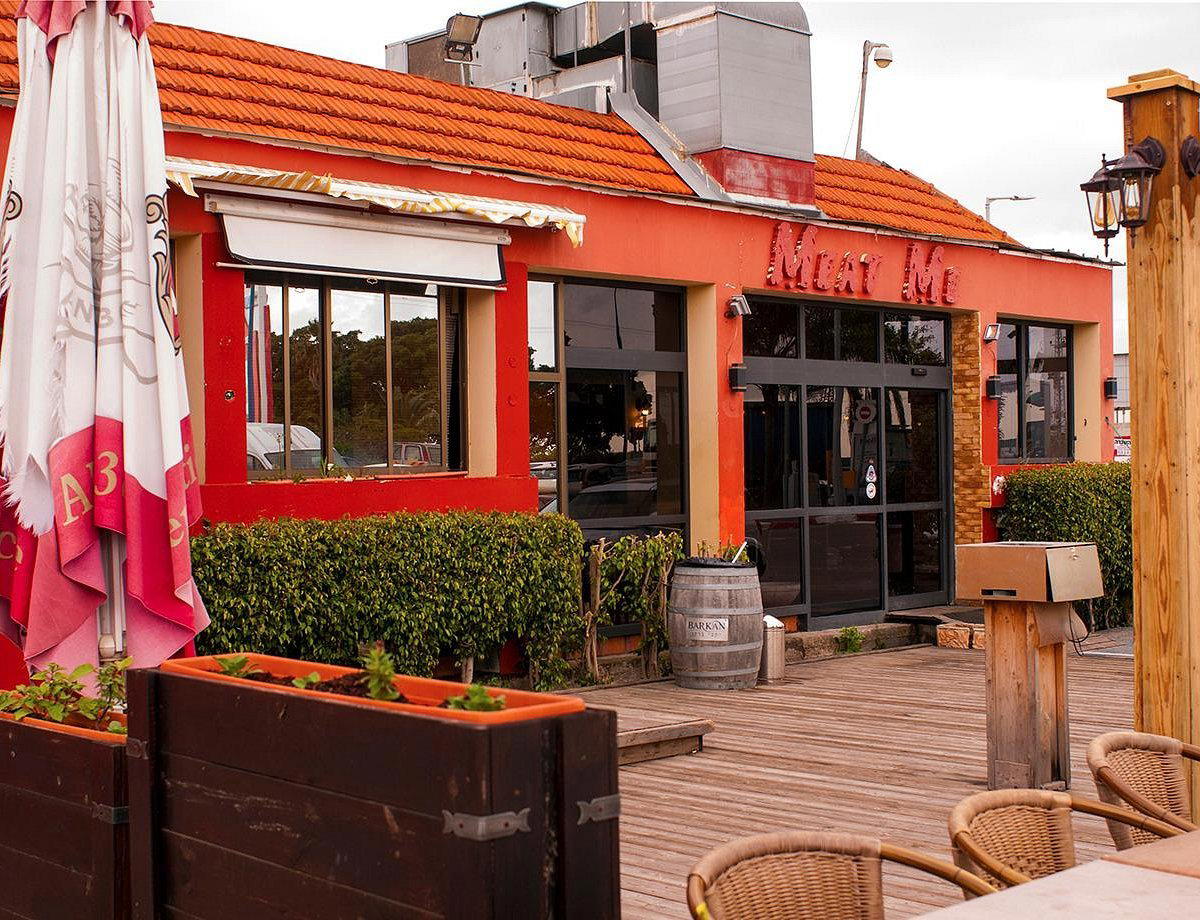
Midas sits on Bror Hayil in Ashqelon's southern reaches, representing the quieter, less-documented tier of Israel's coastal dining scene. With limited public data available, the restaurant invites discovery on its own terms, positioned well outside the Tel Aviv restaurant circuit that dominates most Israeli food coverage. Visitors to Ashqelon's dining scene will find it worth investigating firsthand.

Ashqelon's Dining Scene and Where Midas Fits
Israel's coastal dining conversation tends to collapse around Tel Aviv and, to a lesser extent, Acre and Caesarea. Restaurants like Uri Buri in Acre and Helena in Caesarea absorb most of the national and international food press attention directed at the coast, leaving the southern stretch of the Mediterranean shoreline considerably less mapped. Ashqelon, a city of around 150,000 sitting roughly 50 kilometres south of Tel Aviv, operates largely outside that coverage radius. Its restaurant scene develops according to local demand rather than critic attention, which means venues there are shaped by neighbourhood loyalty, proximity to agricultural supply chains from the surrounding region, and the food traditions that characterise southern Israeli cooking.
Midas, addressed at 1 Bror Hayil in Ashqelon's 7915200 postal zone, belongs to this less-documented southern tier. The restaurant sits away from the more visible nodes of Israeli gastronomy, and approaching it requires a degree of deliberate effort that most casual food travellers don't make. That gap between effort and reward is, in some ways, the defining characteristic of dining in Ashqelon more broadly. For context on the wider city's options, our full Ashqelon restaurants guide covers the territory in more detail.
Sourcing Context: What the Southern Coastal Region Produces
Any serious account of eating in the area around Ashqelon has to start with geography. The Negev approaches from the east, the coastal plain runs west, and the farming communities of the northern Negev and southern Shephelah have historically supplied the region with a range of agricultural produce: citrus, stone fruits, field vegetables, and livestock. The kibbutz and moshav networks that characterise Israeli agriculture are dense in this part of the country, which means supply chains from field to kitchen can be measurably shorter here than in the restaurant-dense urban north.
Southern Israeli cooking has been shaped by Sephardic and Mizrahi food traditions in ways that differ from the more Ashkenazi-influenced food culture that historically defined Tel Aviv. Spice use is broader, the influence of North African and Middle Eastern preparation methods is more direct, and the relationship between slow-cooked proteins and fermented or pickled vegetables is more central to the everyday table. Venues in cities like Ashqelon that draw on local supply and regional tradition occupy a different position in the Israeli food conversation than the tasting-menu format operations north of the city. For a useful comparison at the humus-and-street-food end of the spectrum, the approach at Abu Hassan in Jaffa and Ali Karawan Abu Hassan in Tel Aviv-Jaffa illustrates how southern and coastal traditions translate into high-loyalty, ingredient-specific formats.
The Restaurant in Its Neighbourhood
Bror Hayil as a street address places Midas within a residential and commercial zone characteristic of mid-city Ashqelon, away from the tourist beach strip and the seafront promenade that draws visitors during warmer months. Restaurants in this kind of location typically serve a local clientele with regularity: weekday lunches, weekend family gatherings, the evening meal trade from nearby residential blocks. The atmosphere in venues like this tends to be direct rather than performative, shaped by repeat customers who have expectations built over years rather than first-time visitors arriving with external recommendations.
This positioning differs substantially from the high-design, press-seeking format of restaurants operating in Tel Aviv's Rothschild corridor or Jerusalem's Mahane Yehuda market perimeter. Chakra in Jerusalem and HaKosem in Tel Aviv represent the more media-visible tier of Israeli dining. Midas operates at a remove from that ecosystem, which shapes both the experience and the kind of research required before a visit.
Ashqelon in the Southern Israel Dining Circuit
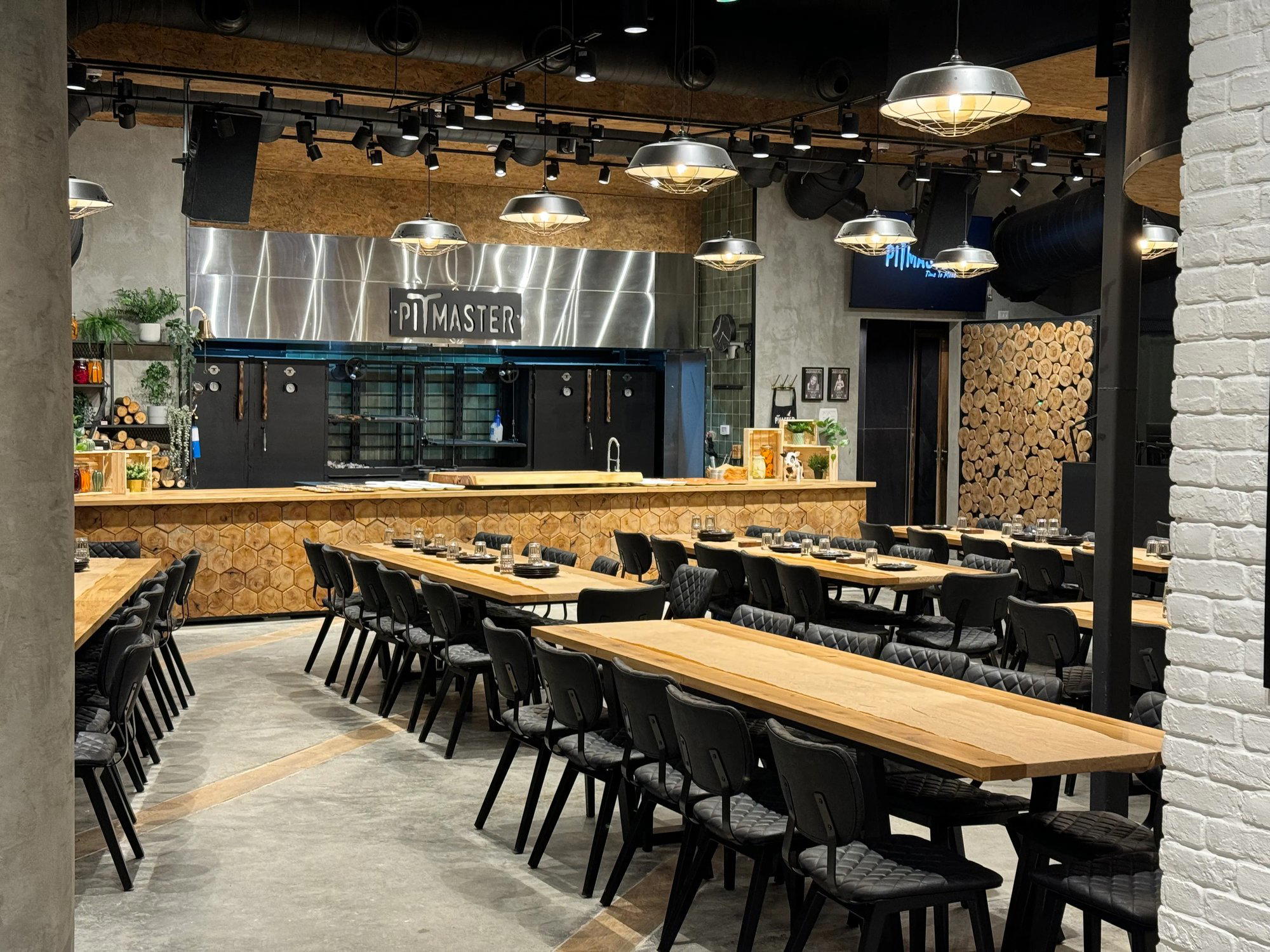
Travellers constructing a southern Israel food itinerary have a handful of anchors to work with. Pescado in Ashdod, roughly 15 kilometres north of Ashqelon, represents Mediterranean seafood cooking at a recognisable level. Pitmaster Beer-Sheva in Beersheba covers the meat-focused, American-influenced format that has gained ground across Israel over the past decade. Majda in Har Nof and Rola Levantine Kitchen in Haifa represent the Levantine and Arab-Israeli cooking tradition that runs parallel to the Israeli mainstream and is arguably more directly connected to the agricultural base of the region.
Ashqelon sits in this circuit without occupying a clear anchor role in it. The city has not generated the kind of export-level restaurant reputation that draws food travellers specifically for a dining purpose. That may change as interest in regional Israeli cooking outside the Tel Aviv-Jerusalem axis increases, a trend visible in the growing coverage of venues in the Galilee, the Golan, and parts of the northern coast. For comparison on what non-metropolitan sourcing-led restaurants can achieve, Michael Local Bistro in Liman and Burger 232 in Maggen show how smaller Israeli cities and towns are developing food identities worth tracking.
The contrast with format-driven, globally recognised operations is instructive here. Restaurants like Le Bernardin in New York City or Lazy Bear in San Francisco represent a tier of dining where sourcing narratives are explicitly communicated and form part of the guest experience. In Ashqelon's restaurant culture, that narrative tends to be implicit, embedded in what arrives on the table rather than announced through menu copy or front-of-house explanation.
Venues like Diana in Nazareth and Herbert Samuel Herzliya show how Israeli restaurants across different formats have managed the balance between regional identity and accessibility for visitors arriving without deep local knowledge. Pitmaster in Petah Tikva demonstrates how a single strong format can anchor a restaurant's identity in a city that doesn't carry significant food-tourism weight on its own.
Planning a Visit
Midas is located at 1 Bror Hayil, Ashqelon. Current contact details, hours, and booking method are not confirmed in available records, so prospective visitors should plan to verify directly on arrival or through local search ahead of time. Ashqelon is accessible by train from Tel Aviv on the main southern line, making a day trip feasible from the centre of the country. Given the limited public data on Midas specifically, arriving with flexible expectations is advisable, and pairing the visit with a broader exploration of Ashqelon's waterfront and archaeological sites makes practical sense for visitors travelling from further afield.
Frequently Asked Questions
- Is Midas okay with children?
- Based on its Ashqelon location and neighbourhood positioning away from the city's tourist-facing areas, Midas appears to operate as a local dining venue where families are a standard part of the customer base, though specific pricing and format details are not confirmed.
- Is Midas better for a quiet night or a lively one?
- If you are visiting Ashqelon midweek and looking for a low-key local experience without the energy of a city-centre venue, a neighbourhood restaurant on Bror Hayil is likely to deliver that. On weekends, Israeli neighbourhood restaurants tend to fill with family groups, which shifts the atmosphere considerably, though without confirmed awards or a high-profile draw, Midas is unlikely to reach the volume of busier Tel Aviv venues.
- What's the leading thing to order at Midas?
- Without confirmed menu data or verified dish information, a specific recommendation isn't possible. As a general guide, restaurants in this part of the southern coastal region tend to do well with grilled fish, slow-cooked meat preparations, and dishes rooted in North African and Levantine spice traditions.
- Can I walk in to Midas?
- Given the absence of confirmed booking infrastructure in available records and Midas's location in a neighbourhood rather than a high-demand tourist zone, walk-in visits are likely feasible on most evenings. That said, without confirmed hours or a contact number, checking current conditions before the trip is advisable.
- What's the signature at Midas?
- No verified signature dish data is available for Midas. Restaurants operating in the southern Israeli coastal tradition often anchor their identity around a specific preparation, whether grilled or raw fish, a particular style of slow-cooked meat, or a regional bread and dip format, but any specific claim about Midas's signature would require on-the-ground verification.
- Is Midas connected to any broader Israeli dining tradition worth understanding before visiting?
- Ashqelon's food culture draws on the Mizrahi and Sephardic cooking traditions that characterise much of southern Israel, shaped by communities with roots in North Africa, Iraq, and Yemen. A restaurant at this address sits within that context, which differs meaningfully from the more European-inflected or internationally oriented format of high-profile Tel Aviv venues. Understanding that tradition, with its emphasis on spiced braises, legume-based dishes, and herb-forward accompaniments, gives visitors a more useful frame than arriving with expectations built on Israeli restaurants abroad.
Quick Comparison
These are the closest comparables we have in our database for quick context.
| Venue | Cuisine | Price | Awards | Notes |
|---|---|---|---|---|
| מידס | This venue | |||
| Machneyuda | Israeli | Israeli | ||
| Pescado | Mediterranean | Mediterranean | ||
| Abu Hassan | Humus | Humus | ||
| Dr. Shakshuka | Middle Eastern | Middle Eastern | ||
| Ha'Achim | Israeli | Israeli |
Need a table?
Our members enjoy priority alerts and concierge-led booking support for the world's most difficult tables.
Get Exclusive Access