
Tabelog Bronze #416
Our verdict
Sobiki places Saijo’s water, fish culture, and sake-town identity inside a disciplined Japanese cuisine format rather than a city-centre spectacle. Its Tabelog Award Bronze recognition and Tabelog Japanese Cuisine WEST 100 selection put it in the serious regional tier for Hiroshima dining, with a small counter-and-private-room setup that rewards diners who care about provenance and pacing.

Pearl is the En Primeur Club membership app, where members save venues, book tables and use the concierge.
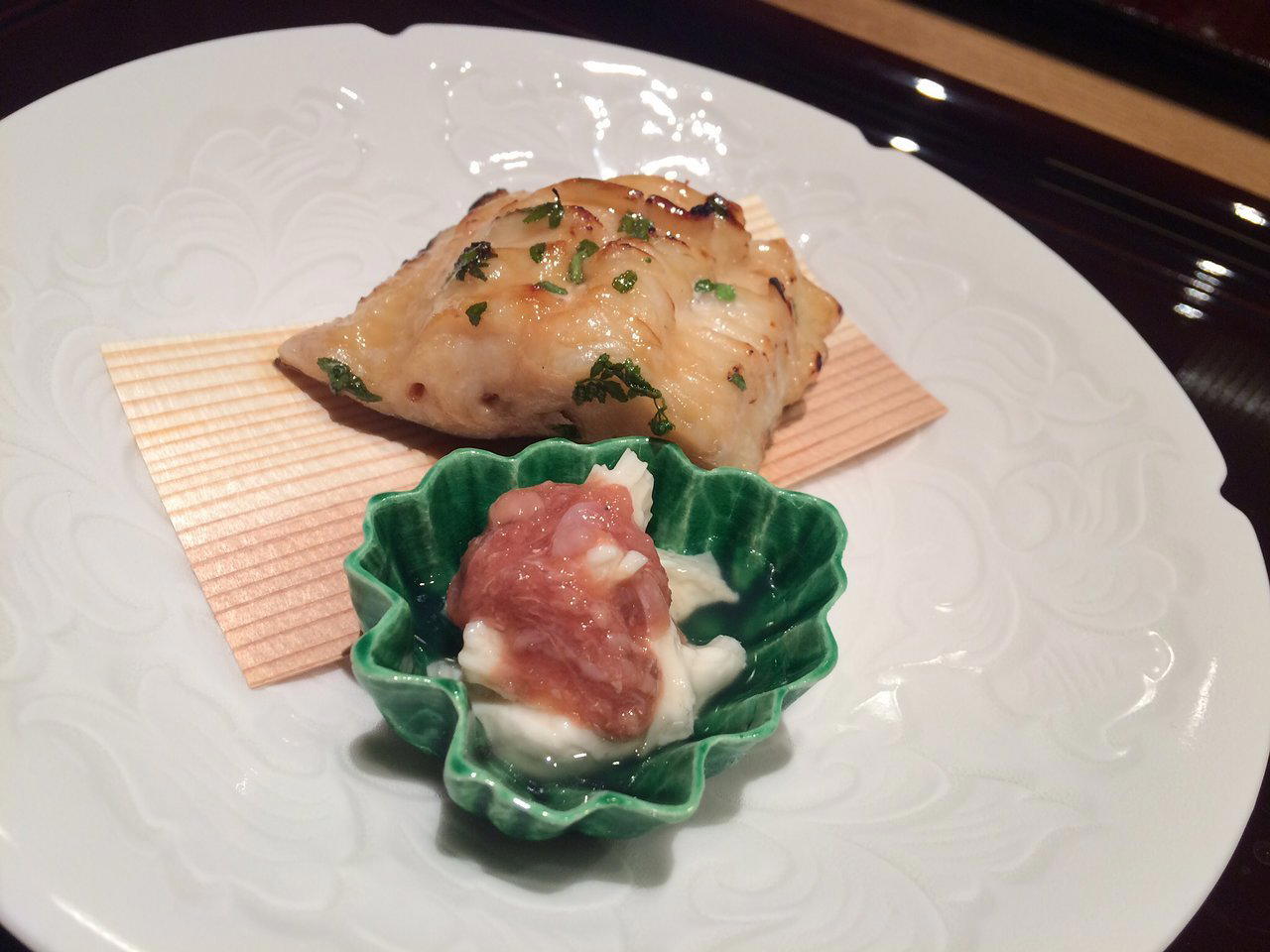
Saijo is not Hiroshima’s loudest dining district, and that matters. The approach to a serious meal here feels different from a night built around station-front neon or okonomiyaki theatre: quieter streets, sake-town associations, and a sense that water, rice, fish, and seasonality are not decorative talking points but the framework. Sobiki belongs to that register of Japanese cuisine, where the room is small, the format is controlled, and the pleasure comes from attention rather than spectacle.
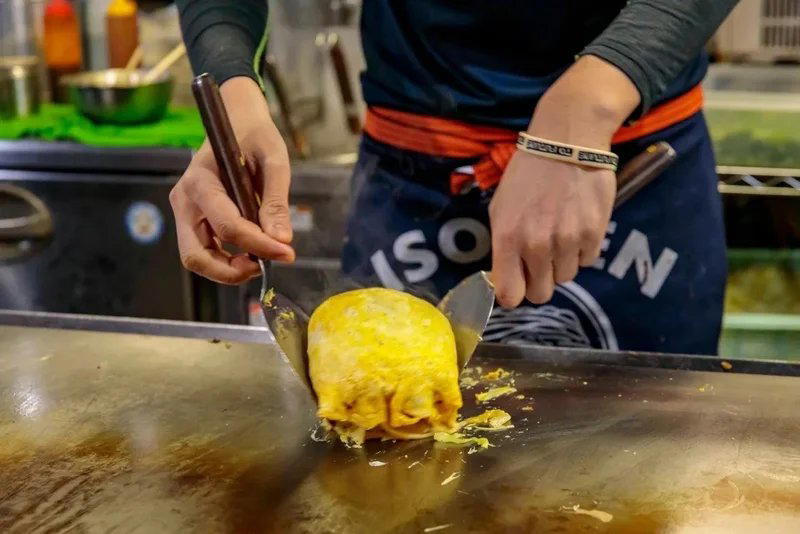
Hiroshima dining is often reduced, from the outside, to oysters, okonomiyaki, and late-night comfort food. That version is real, but incomplete. The prefecture also has a more composed side, shaped by the Seto Inland Sea, mountain vegetables, sake brewing, and the precision of kappo-style cooking. In that context, a Saijo restaurant working with fish and nihonshu is not an eccentric detour from Hiroshima food culture; it is one of the cleaner ways to read it.
Saijo's water and fish culture set the tone
Ingredient sourcing is the central argument here. Saijo’s reputation rests partly on its brewing water, and Japanese cuisine in this part of Hiroshima gains force when that local identity is treated as structure rather than garnish. Sobiki’s public positioning around seasonal ingredients and Saijo spring water makes sense in a town whose food and drink culture has long been tied to clarity, fermentation, and rice. The point is not rusticity. It is control: ingredients chosen to fit a seasonal sequence, sake treated as part of the meal’s grammar, and fish placed near the centre of the conversation.
That sourcing logic separates this address from the lower-priced, high-turnover meals that dominate many Hiroshima itineraries. Comparison venues such as Ajito and Okonomiyaki SETO sit in a different bracket, with casual pricing and a more immediate style of dining. Jidan, also in Hiroshima, occupies an accessible range, while 桃花庵 and トラットリア M signal other local lanes. Sobiki operates in a more deliberate category, closer to a regional special-occasion Japanese restaurant than a neighbourhood meal stop. That distinction helps set expectations before the first course arrives.
The Tabelog markers support that reading. The restaurant has Tabelog Award Bronze recognition across multiple recent years and appears in the Tabelog Japanese Cuisine WEST 100 selection for 2025, with a 4.18 score attached to its listing. Those are not just badges for a dining-room wall; in Japan’s user-review and award ecosystem, they signal sustained performance in a crowded field where regional Japanese restaurants can be judged harshly by regulars who know the form.
A compact room built for sequence, not theatre
The format also tells the reader what kind of meal this is. Nineteen seats, including a seven-seat counter and two private rooms, create a small-scale environment where pacing and procurement matter. Counter dining in Japanese cuisine gives the meal a different rhythm from a hotel dining room or a large independent restaurant: less distance between kitchen and guest, more emphasis on sequence, fewer places for excess to hide. Private rooms broaden the use case for business meals and family occasions, but the core appeal remains the same, a controlled Japanese course built around season and product.
Hiroshima’s serious dining scene is not a single lane. Akai (Creative Cuisine) pulls the city toward contemporary composition, while Bishu Bikou Hamai belongs to a more drink-aware, adult register. ANDERSEN and Butter Cake no Nagasaki Do show another side of Hiroshima food memory, where bakery and confectionery culture carry their own civic weight. CHILAN adds a different contemporary reference point. Against that spread, Sobiki’s role is narrower and more exacting: Japanese cuisine anchored in Saijo rather than a broad statement about Hiroshima hospitality.
For travellers planning around the city, that narrower role is useful. It argues for leaving central Hiroshima when the goal is not another famous local dish but a meal tied to the prefecture’s inland food culture. The trade-off is focus. Diners looking for speed, looseness, or a walk-in snack should look elsewhere. Diners interested in how fish, water, sake, and seasonality can define a meal in Higashihiroshima will understand the appeal quickly.
Where it fits in a Hiroshima itinerary
Sobiki works better as the anchor of an evening than as an add-on between sightseeing stops. The small room, course-led structure, and cancellation terms imply a restaurant that plans around each party rather than absorbs passing traffic. That is common in serious Japanese dining, but it carries extra weight outside the largest cities, where procurement can be more tightly aligned with reservations and local relationships.
The practical value is in knowing what not to expect. This is not a broad-menu restaurant designed for mixed appetites, nor a casual sake bar where the food plays a supporting role. It is a Japanese cuisine address with fish and nihonshu at the centre of its identity, and its recognition places it in a regional quality bracket rather than the tourist-default category. For visitors comparing options across Hiroshima, that makes it a specialist pick rather than a universal recommendation.
Use it as part of a wider read on the prefecture. Our full Hiroshima restaurants guide maps the city’s dining range, while Our full Hiroshima hotels guide, Our full Hiroshima bars guide, Our full Hiroshima wineries guide, and Our full Hiroshima experiences guide help frame the trip beyond one meal. For broader Japan context, compare how tightly focused formats differ from -Grilled beef Sukiyaki- KAMAKURA TANUKIAN 鎌倉 たぬき庵 in Kamakura. 鮪と炭火焼き うお炭 秋葉原店 in Tokyo.cafe in Osaka.know in Kumamoto, (Shoku) Vietnam in Kawasaki, and [Curry Senmon Ten] Maruyama Kyoju. in Sapporo. Sake-minded readers may also find useful contrast in Jōdo Saké Bar in Los Angeles, while Onigiri Time in Pasadena shows how Japanese rice culture travels in a more casual form.
Frequently asked questions
Can I bring kids to Sobiki?
Yes. Sobiki welcomes school-age children who can eat the same menu as adults. The restaurant’s 19-seat setup, including a seven-seat counter and private rooms, suits a quieter family meal in Higashihiroshima.
What should I expect atmosphere-wise at Sobiki?
Expect a compact, reservation-only room with 19 seats and a 10% service charge, which keeps the pace measured. Sobiki is non-smoking, offers counter seating and private rooms, and the official remarks note a relaxed atmosphere.
What days is Sobiki closed?
Hours at Sobiki: Tue, Wed, Thu, Fri 18:00 - 22:00 L.O. Food 20:00.
Where is Sobiki in Hiroshima?
Sobiki is located in Hiroshima.
Comparable venues nearby, for context on price, style, and recognition.
| Venue | Cuisine | Price | Awards | Notes |
|---|---|---|---|---|
| SobikiThis venue (the venue you are viewing) | Traditional Seasonal Kaiseki | $150–200 | Tabelog Bronze #416 | Not listed |
| Akai | Modern Japanese-French Fusion Kappo | Not listed | Not listed | Miyajimaguchi, Hatsukaichi |
| Tenyoshi | Seasonal Tempura Omakase | $300–500 | Star Wine List | Naka |
| Wagyu lab K | Sakakiyama Beef Yakiniku | $50–100 | Tabelog Bronze #509 | Nishi |
| Takotsubo (割烹 たこつぼ) | Traditional Japanese Kappo | $100–150 | Not listed | Naka-ku |
| Yakitori Takase | Premium Yakitori Course | $50–100 | Tabelog 100 #7 | Naka |
Recognition history
Dated appearances from independent guides and award organizations, with the underlying list record or original source where available.
Tabelog Bronze #416
Tabelog
Full recognition history (3 entries)
Tabelog Bronze
Tabelog
Tabelog 100 #5 · No. 5
Tabelog · Tabelog 100 - Japanese cuisine - WEST - 2025
Continue exploring
More in Hiroshima
Restaurants in Hiroshima
All restaurants in Hiroshima →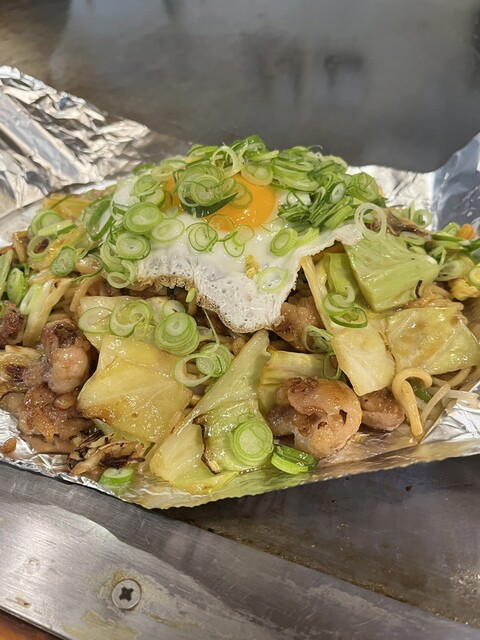
Bars in Hiroshima
All bars in Hiroshima →
Details
- Cozy
- Elegant
- Intimate
- Sophisticated
- Special Occasion
- Sake Program
- Local Sourcing
- Omakase
- Tasting Menu
- Sake
Current opening hours
- Monday
- Closed
- Tuesday
- 6–10 PM
- Wednesday
- 6–10 PM
- Thursday
- 6–10 PM
- Friday
- 6–10 PM
- Saturday
- 12–10 PM
- Sunday
- 12–2:30 PM
Hours can change for holidays and private events. Hours as of .
Cozy and professional atmosphere with relaxing space, excellent service, and beautiful seasonal presentations on dramatic ceramics.