
Suisen sits in the Japanese chicken-cuisine lane rather than the tasting-menu lane, with Tabelog 100 Chicken Cuisine 2025 recognition giving it a clear signal for travelers tracking regional specialties. The appeal is cultural as much as culinary: chicken dishes, izakaya structure, sake and shochu, and a house-restaurant format tied to Miyazaki’s night-out habits.
Pearl is the En Primeur Club membership app — saves, bookings, and concierge access live there. Same editors, same standards.
- Address
- 2 Chome-11-3 Hiroshima, Miyazaki, 880-0806, Japan
- Phone
- +81 985-23-1588
- Website
- suisen-jidori.com
 Saves & bookings on Pearl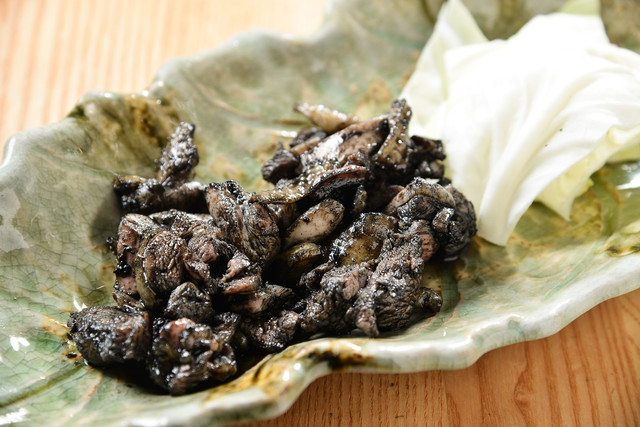
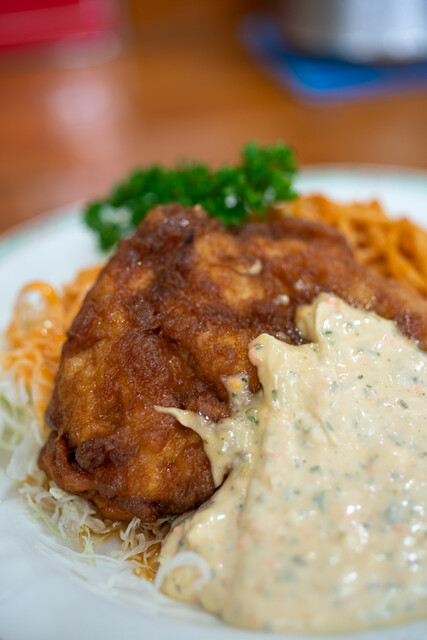
Approach this kind of Japanese chicken restaurant expecting the tempo of an izakaya rather than the hush of a counter temple: tables turning through the evening, smoke and grill craft implied by the category, and drinks carrying as much social weight as the food. Suisen belongs to the regional chicken-cuisine tradition that Kyushu takes seriously, where jidori culture, shochu, and group dining form a different grammar from sushi, kaiseki, or hotel dining. Its selection for Tabelog 100 Chicken Cuisine 2025 puts it inside a national conversation about toriryori, but the more useful lens is local: this is the sort of place where poultry is treated as the reason for the evening, not as a supporting order.
Chicken cuisine with Kyushu drinking culture at the center
Japan’s chicken restaurants split into several tribes. Yakitori counters prize sequence, smoke control, and part-by-part precision. Izakaya-style chicken houses work more broadly, folding grilled, fried, and shared plates into a drinking rhythm. Suisen sits in the second camp, with chicken dishes and Japanese tavern cooking as its stated categories, and sake and shochu given explicit prominence. That matters in Miyazaki, where shochu is not a novelty pour but part of the region’s everyday drinking identity.
The Tabelog 100 Chicken Cuisine 2025 selection is the main external credential here. It does not turn the room into a formal destination restaurant, and that is the point. The category rewards places that speak fluently in poultry, heat, fat, salt, and drink, not only in luxury signals. For travelers used to metropolitan tasting menus, the lesson is useful: regional Japanese dining often expresses seriousness through specialization and repeat local use rather than through ceremony.
In price-tier terms, Suisen occupies a more accessible dinner bracket than Hiroshima comparison venues such as Pochiron or Zakuro, while sitting closer to the everyday-specialist range represented by Taban Kusano Ya and Mango Ya. That comparison is not about cuisine equivalence; it is about reading intent. A higher-budget room usually asks for a planned evening. A chicken izakaya with national category recognition asks for appetite, drinking pace, and a willingness to let shared dishes define the table.
A house-restaurant format, not a chef-theatre room
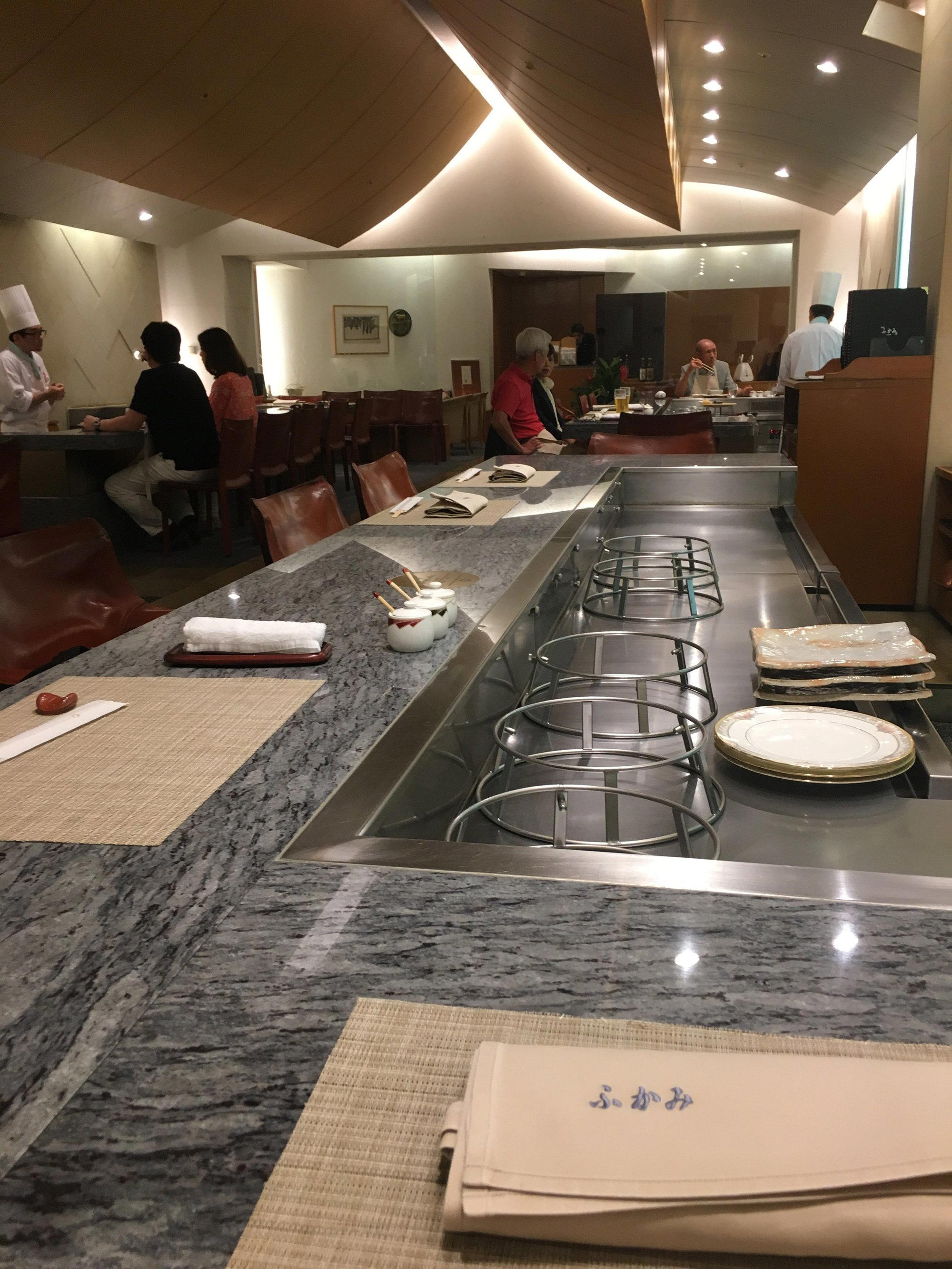
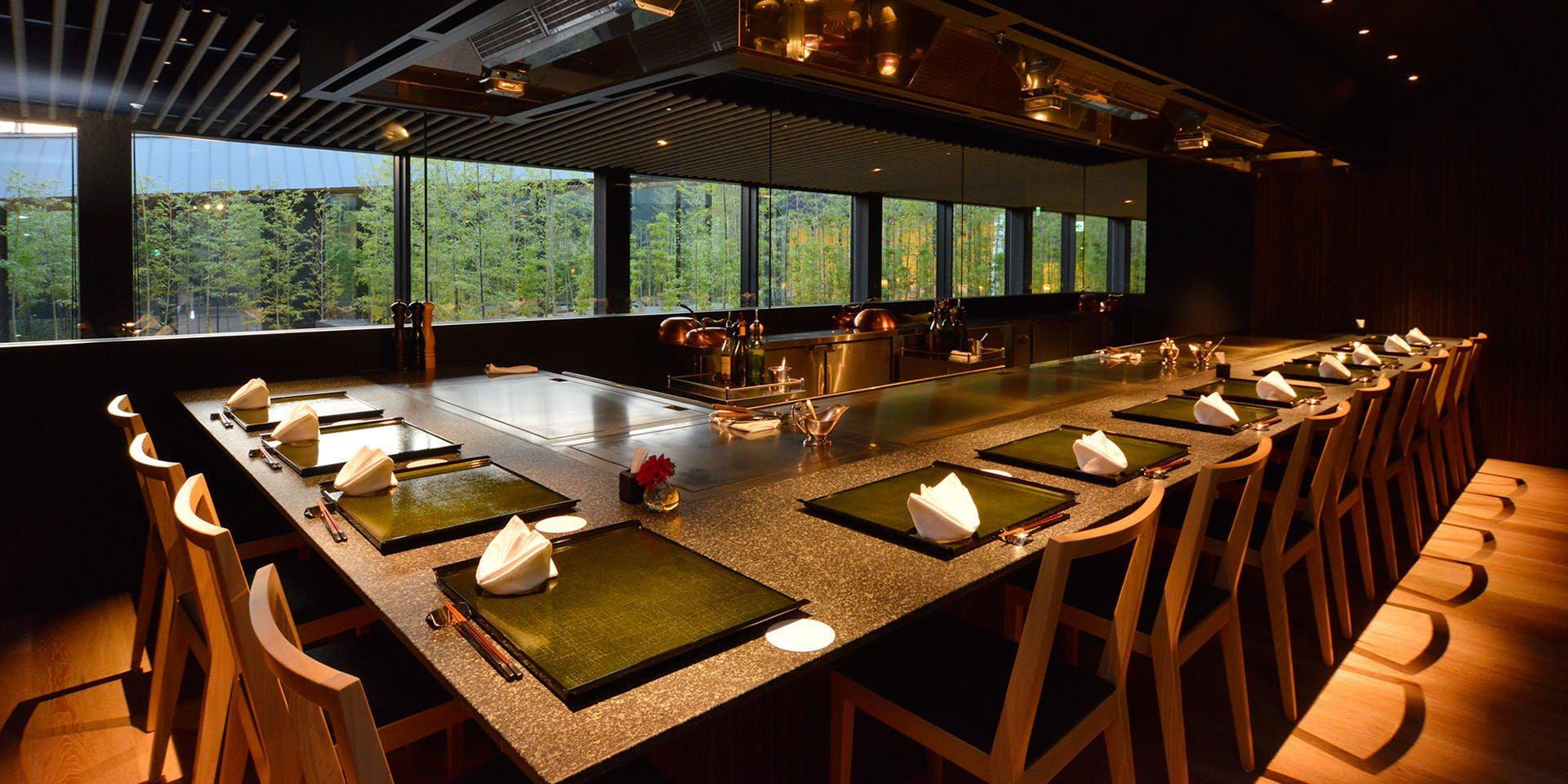
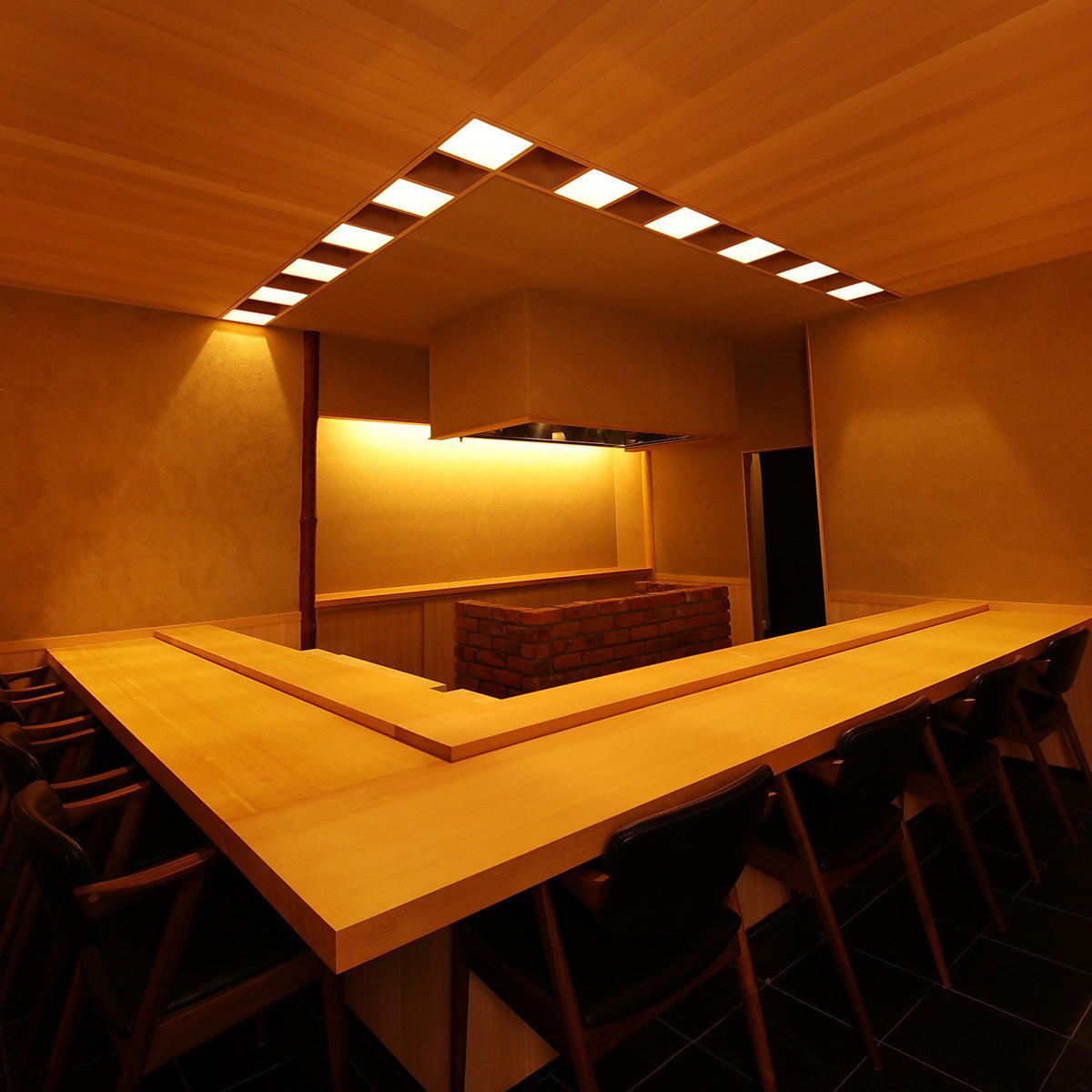
The listed format, a house restaurant with counter and table seating, points toward flexibility rather than exclusivity. Seventy-seven seats across two floors makes this a larger operation than the eight-seat counters that dominate international food-travel fantasies, and that scale changes the experience. The value is not in watching a single chef perform a fixed sequence. It is in the collective rhythm of a room built for groups, families, and after-work diners.
That structure also explains why multilingual menu and English-speaking staff signals matter. In regional Japan, access can be the real barrier, not ambition. A restaurant may be nationally recognized in its category and still operate in a way that assumes local habits: ordering several plates, pairing them with shochu or nihonshu, and treating dinner as a social session. English-language support lowers the friction without changing the underlying format.
The non-smoking policy and children-welcome note also place the restaurant in a practical contemporary category. Japanese izakaya culture has historically been adult, smoky, and drink-led; newer and broader-audience rooms increasingly separate the pleasure of tavern food from the old haze. That shift is part of why chicken-cuisine specialists can work for travelers who want regional flavor without committing to a formal tasting menu.
How to place it within a wider Hiroshima and Japan itinerary
For readers building a Hiroshima-focused dining route, Suisen plays a different role from creative-cuisine rooms and bakery or sweets stops. Pair the broader city research with Our full Hiroshima restaurants guide, then use individual references such as Akai (Creative Cuisine), ANDERSEN, Bishu Bikou Hamai, Butter Cake no Nagasaki Do, and CHILAN to separate meal types rather than rank them against one another. A chicken izakaya belongs in the evening-drinking slot; it should not be judged by the same criteria as a patisserie stop or a creative tasting-menu room.
The same logic applies across Japan. A traveler moving between cities can compare genre, not just prestige: sukiyaki at -Grilled beef Sukiyaki- KAMAKURA TANUKIAN 鎌倉 たぬき庵 in Kamakura, tuna and charcoal cooking at. 鮪と炭火焼き うお炭 秋葉原店 in Tokyo, café culture at.cafe in Osaka, contemporary regional dining at.know in Kumamoto, Vietnamese cooking at (Shoku) Vietnam in Kawasaki, and curry specialization at [Curry Senmon Ten] Maruyama Kyoju. in Sapporo. Outside Japan, places such as Jōdo Saké Bar in Los Angeles and Onigiri Time in Pasadena show how Japanese drinking and casual-food formats travel, but the regional context changes the meaning.
For a fuller trip, dining should sit alongside the rest of the city architecture: Our full Hiroshima hotels guide, Our full Hiroshima bars guide, Our full Hiroshima wineries guide, and Our full Hiroshima experiences guide help separate where to sleep, drink, taste, and spend the non-restaurant hours. Suisen is strongest when treated as a regional chicken-and-drink evening: informal, specialized, and culturally specific rather than ceremonious.
Budget and Context
Side-by-side context: comparable cuisine and price.
| Venue | Cuisine | Price | Notes |
|---|---|---|---|
| Suisen | Not listed | $$ | Naka-ku, Seasonal Seafood Sushi & Izakaya |
| Denko Sekka | Minami-ku, Hiroshima-Style Okonomiyaki | $$ | Not listed |
| ハナワイン | Naka, Japanese Wine Bar | $$ | Not listed |
| Hatsu Chan | Naka, Izakaya, Steak & Ramen | $$ | Not listed |
| Nukazuke Kobo nipote Misasa honten | Not listed | $$ | Nishi, Nukazuke-focused Yoshoku (Japanese-style Western) |
| Chisou Sottakuito (馳走啐啄一十) | Fujimicho, Naka Ward, Kaiseki | $$$$ | Not listed |
Recognition history
Dated appearances from independent guides and award organizations, with the underlying list record or original source where available.
Tabelog 100 #73 · No. 73
Tabelog · Tabelog 100 - Chicken cuisine - 2025
Continue exploring
More in Hiroshima
At a Glance
- Cozy
- Lively
- Casual Hangout
- After Work
- Group Dining
- Solo
- Family
- Late Night
- Standalone
- Beer Program
- Sake Program
- Local Sourcing
Current opening hours
- Monday
- 5–10 PM
- Tuesday
- 5–10 PM
- Wednesday
- 5–10 PM
- Thursday
- 5–10 PM
- Friday
- 5–11 PM
- Saturday
- 5–11 PM
- Sunday
- Closed
Hours can change for holidays and private events. Last verified .
Casual and cozy izakaya-sushi atmosphere with counter seats and small tables, warm lighting, and a relaxed but lively vibe where guests can enjoy seasonal seafood and drinks in an unpretentious setting.