
Hiroshima Marukajiri Naka-chan belongs to the city’s serious okonomiyaki conversation, but its appeal is broader than griddle work alone. The format crosses okonomiyaki, izakaya cooking, and teppanyaki, with fish and Japanese drinks giving the meal a more ingredient-led rhythm than the city’s quicker pancake counters.
Pearl is the En Primeur Club membership app — saves, bookings, and concierge access live there. Same editors, same standards.
- Address
- 6-7 Yayoicho, Naka Ward, Hiroshima, 730-0023, Japan
- Phone
- +81 82-243-6067
 Saves & bookings on Pearl
The room reads as a working Hiroshima counter before it reads as a destination: hotplate heat, counter seats, tables, and the slower tempo of an izakaya where the grill is not merely a stage prop. In Hiroshima, okonomiyaki is often treated by visitors as a single compulsory stop, a checklist dish layered with noodles, cabbage, pork, egg, and sauce. That misses the point. The city’s better okonomiyaki rooms are not interchangeable, and the stronger ones reveal how far the format can stretch when it shares space with teppanyaki and drinking food.
Hiroshima Marukajiri Naka-chan sits in that more complete category. Its Tabelog Okonomiyaki 100 selection in 2025, with earlier selections in 2024, 2023, 2022, and 2019, places it in a vetted national conversation rather than a tourist-map one. The useful distinction is not fame; it is range. The category listing spans okonomiyaki, izakaya, and teppanyaki, and the food focus notes fish. That matters in a city where many counters are built around speed, turnover, and a narrow definition of the local pancake.
Okonomiyaki as a grill culture, not a single dish
Hiroshima-style okonomiyaki is structurally different from Osaka’s mixed-batter model. Hiroshima builds in layers, with cabbage and noodles doing much of the work, so the cooking depends on timing, compression, and control of moisture. At simpler counters, the dish can become a sauce-heavy carbohydrate hit. At more ambitious rooms, the hotplate becomes a full cooking surface, and okonomiyaki becomes one part of a wider evening.
That is the lens through which this restaurant makes sense. The teppanyaki and izakaya labels are not decorative categories; they signal a meal that can move from grilled items into okonomiyaki rather than treating the pancake as the whole performance. Fish sharpens that identity. Hiroshima’s food culture is tied to the Seto Inland Sea, and ingredient sourcing carries weight here because local dining is not only about oysters and okonomiyaki. A grill-led room that pays attention to fish belongs to a different branch of the city’s casual dining tradition, closer to a neighbourhood drinking table than a rapid lunch counter.
The comparison set makes the price and format clearer. Yagenbori Hassho, Seichan, Okonomiyaki Koshida Honten, and Horumon Ryori Senmonjo Toneya all sit in lower budget bands, while Yakitori Takase occupies a higher yakitori bracket. Hiroshima Marukajiri Naka-chan lands between inexpensive okonomiyaki and more formal grill dining, which is precisely where its appeal lies: a local-food meal with enough breadth for drinkers, repeat visitors, and travellers who have already learned that Hiroshima’s signature dish is only the entry point.
Fish, sake, shochu, and the izakaya logic
The drink side reinforces the same reading. Sake, shochu, and wine point away from a snack-stop model and toward an evening built around pacing. In Japan, the better izakaya meal is less about a linear tasting menu than about rhythm: something grilled, something seafood-led, something starchier, then another pour. When okonomiyaki enters that sequence, it becomes the anchor rather than the entire argument.
This is also where Hiroshima differs from larger dining capitals. Tokyo can absorb every regional cuisine into a polished specialist format; Osaka makes okonomiyaki part of a louder, denser eating culture. Hiroshima keeps the dish close to local identity, but the stronger rooms avoid reducing it to civic branding. The more persuasive version is practical and specific: hotplate cooking, seafood attention, Japanese spirits, and a room suited to friends rather than ceremony.
For travellers mapping a serious Hiroshima food day, the point is contrast. Creative cooking at Akai, bakery culture at ANDERSEN, drinking-focused local dining at Bishu Bikou Hamai, and sweets such as Butter Cake no Nagasaki Do show how broad the city’s eating map is beyond one dish. CHILAN adds another contemporary reference point. Against that wider map, Hiroshima Marukajiri Naka-chan is not the token okonomiyaki address; it is a grill-and-drink room that happens to speak the city’s defining food language fluently.
How to place it in a Hiroshima itinerary
The practical decision is simple: choose this for an evening when okonomiyaki should be part of a broader meal, not a quick stop between sightseeing appointments. The room’s scale, with counter seating, tables, and a private room, suits small groups better than a large, loose itinerary. The no-smoking policy also makes it easier to recommend for travellers who want the izakaya cadence without the older-room compromise that can still appear in parts of Japan’s casual dining scene.
Its repeated Tabelog 100 recognition supplies the trust signal; the city context supplies the reason to care. Hiroshima has many places to eat okonomiyaki. Fewer make a credible case for the dish as part of a larger ingredient-led grill culture. That distinction is the one worth paying attention to.
For broader planning, use Our full Hiroshima restaurants guide alongside Our full Hiroshima hotels guide, Our full Hiroshima bars guide, Our full Hiroshima wineries guide, and Our full Hiroshima experiences guide. Readers continuing through Japan and beyond may also compare regional casual dining through -Grilled beef Sukiyaki- KAMAKURA TANUKIAN 鎌倉 たぬき庵 in Kamakura. 鮪と炭火焼き うお炭 秋葉原店 in Tokyo.cafe in Osaka.know in Kumamoto, (Shoku) Vietnam in Kawasaki, [Curry Senmon Ten] Maruyama Kyoju. in Sapporo, Jōdo Saké Bar in Los Angeles, and Onigiri Time in Pasadena.
At-a-Glance Comparison
Comparable venues by cuisine and price in the same metro.
| Venue | Cuisine | Price | Notes |
|---|---|---|---|
| Hiroshima Marukajiri Naka-chanThis venue — the venue you are viewing | Hiroshima okonomiyaki & teppanyaki izakaya | $$ | Not listed |
| LOPEZ | Hiroshima okonomiyaki & teppanyaki | $$ | Nishi |
| Hatsu Chan | Izakaya, Steak & Ramen | $$ | Naka |
| Tsukunejima | Traditional Japanese Tempura | $$ | Naka |
| Nukazuke Kobo nipote Misasa honten | Nukazuke-focused Yoshoku (Japanese-style Western) | $$ | Nishi |
| Horumon Ryori Senmonjo Toneya | Traditional Hiroshima horumon & yakiniku | $$ | Naka |
Recognition history
Dated appearances from independent guides and award organizations, with the underlying list record or original source where available.
Tabelog 100 #15 · No. 15
Tabelog · Tabelog 100 - Okonomiyaki - 2025
Continue exploring
More in Hiroshima
Restaurants in Hiroshima
Browse all →
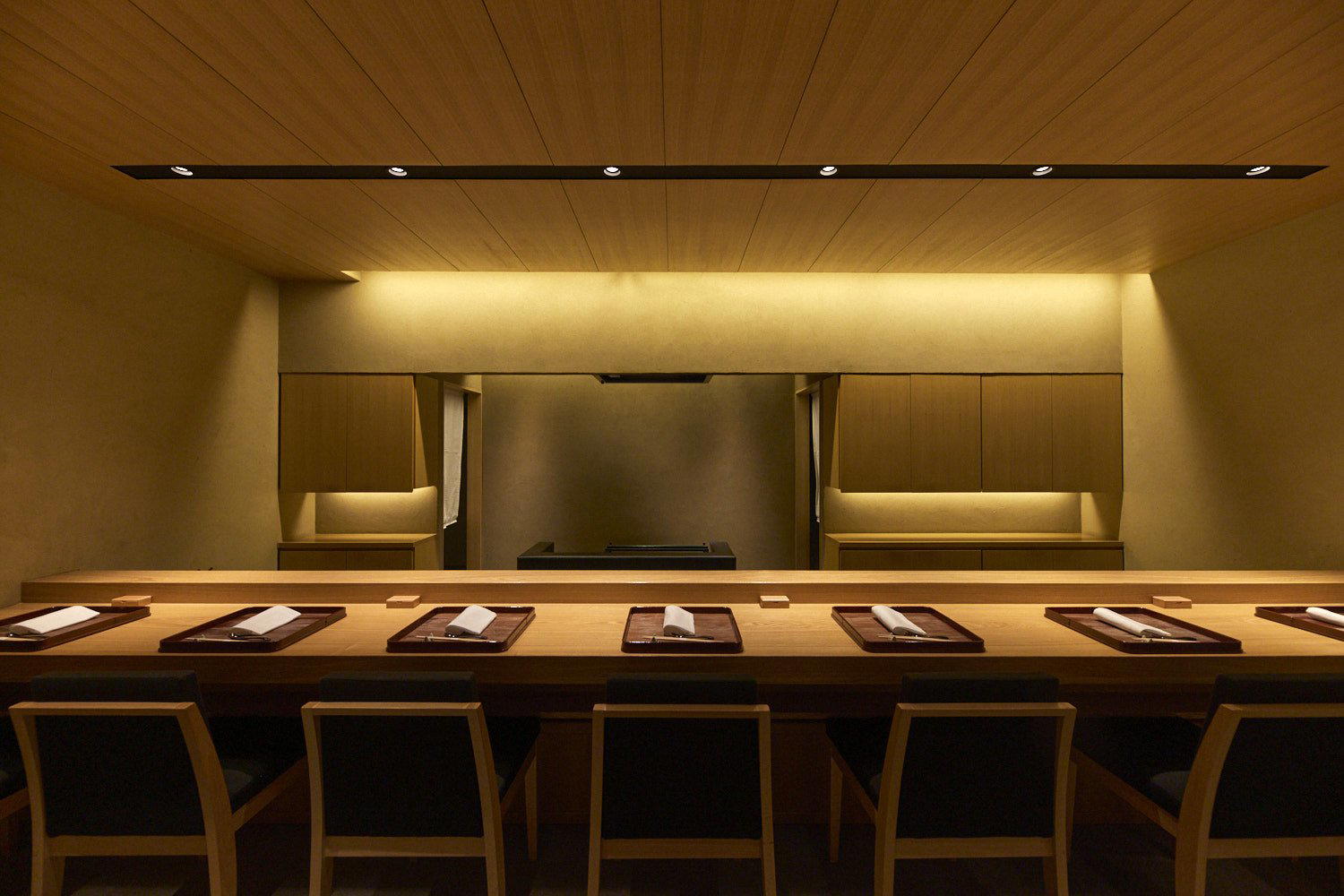
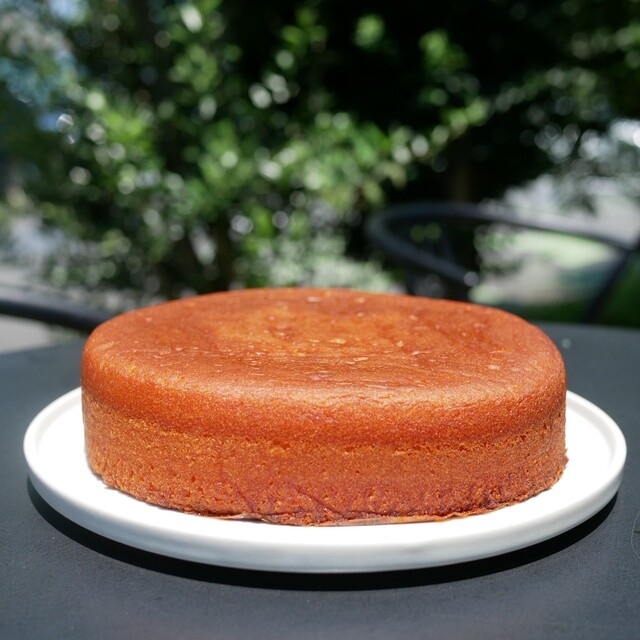
Bars in Hiroshima
Browse all →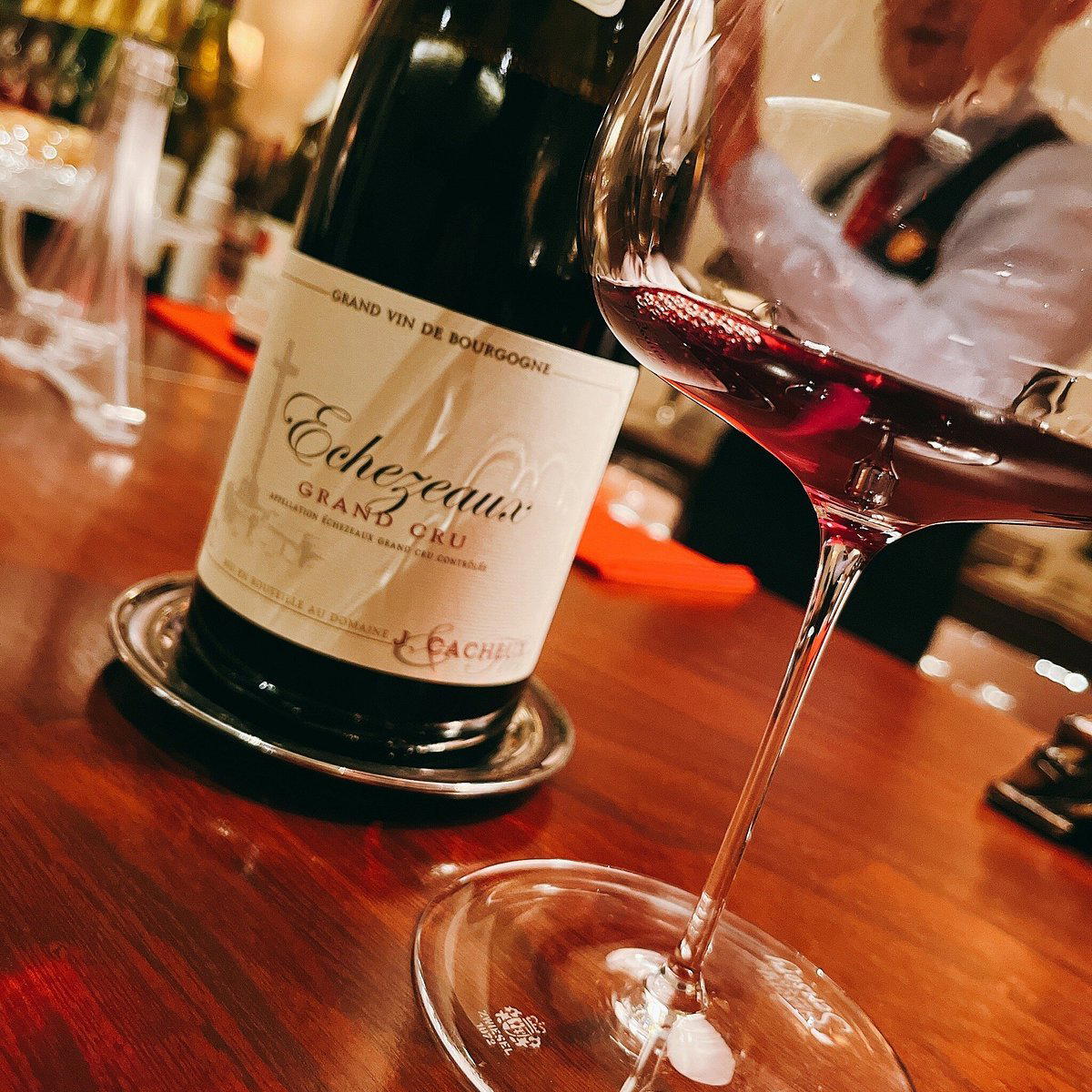
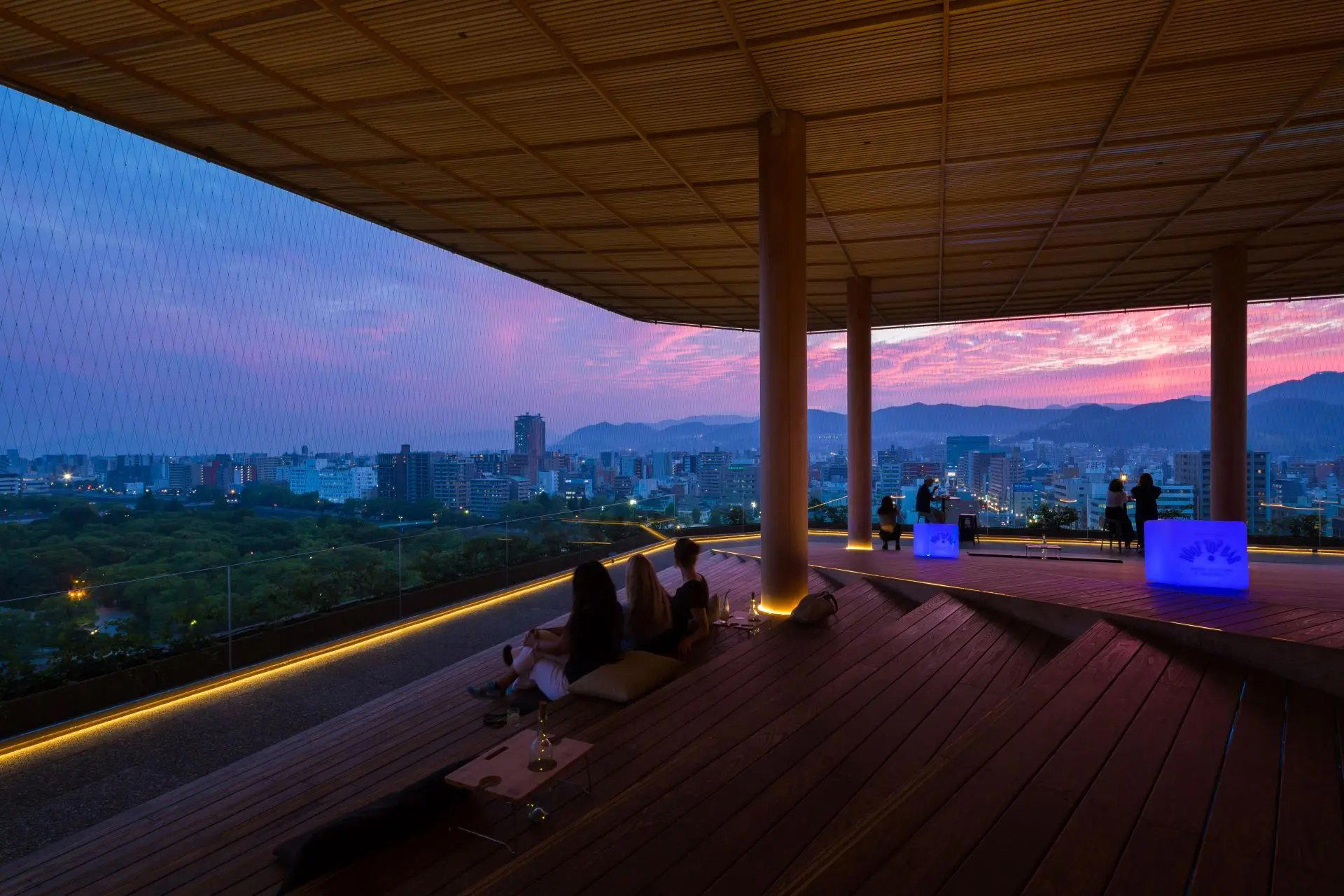
At a Glance
- Lively
- Cozy
- Classic
- Energetic
- Group Dining
- Casual Hangout
- After Work
- Late Night
- Solo
- Chefs Counter
- Open Kitchen
- Standalone
- Beer Program
- Sake Program
Current opening hours
- Monday
- 5–11 PM
- Tuesday
- 5–11 PM
- Wednesday
- 5–11 PM
- Thursday
- 5–11 PM
- Friday
- 5–11 PM
- Saturday
- 5–11 PM
- Sunday
- Closed
Hours can change for holidays and private events. Last verified .
Bustling, old-school Hiroshima teppan house with counter seats facing the hotplate, casual izakaya energy, and a warm, slightly retro feel that stays lively late into the night.