Our verdict
On the second floor of a quiet building in Nara's Tsurumai Higashimachi district, 味の旅人浪漫 sits at a remove from the tourist circuits around Todai-ji and Nara Park. The name, roughly, 'flavour traveller's romance', signals a kitchen with a point of view about the journey through a meal, placing it in a category of Nara dining that rewards patience and attention rather than speed.

Pearl is the En Primeur Club membership app, where members save venues, book tables and use the concierge.
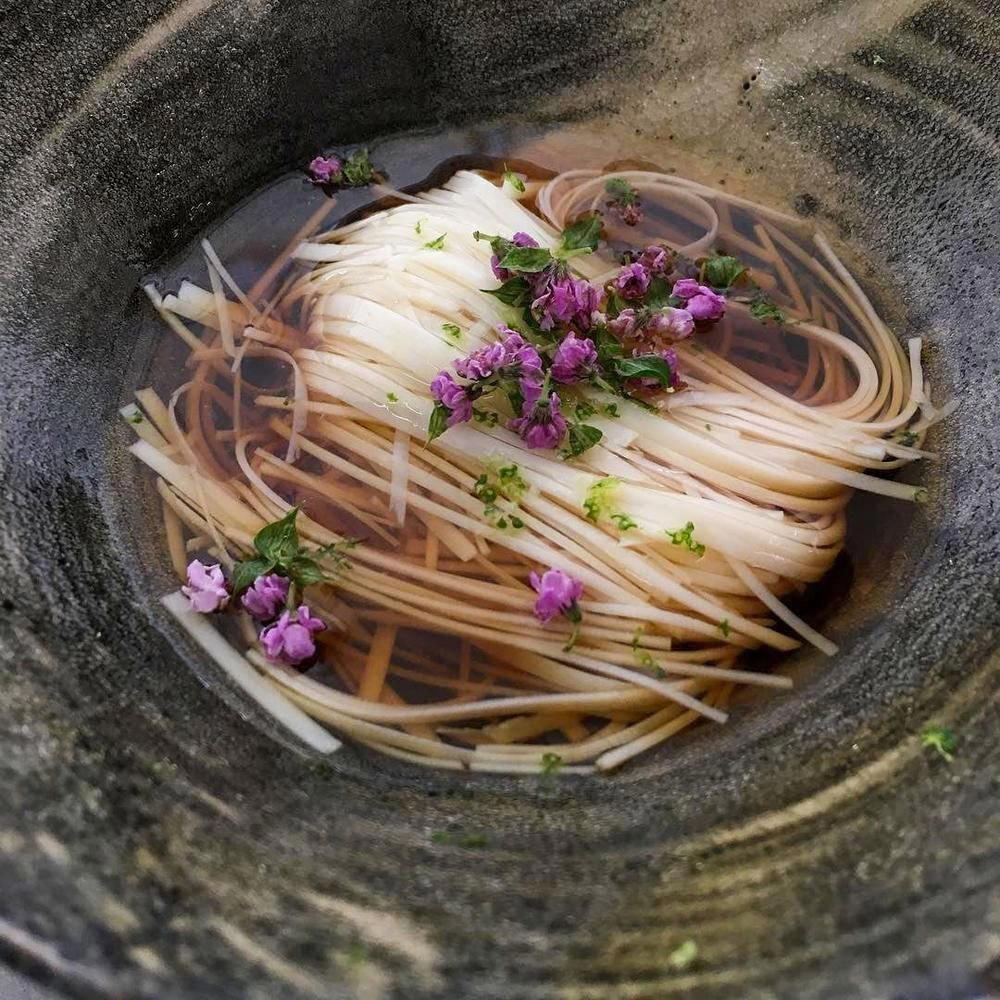
A Second-Floor Room in Nara's Quieter Quarter
Nara's dining scene divides more sharply than most visitors expect. Along the approaches to the park and the great temples, restaurants calibrate for tourist throughput, quick lunches, set menus designed for daytrippers from Osaka or Kyoto. A smaller, less visible tier operates differently: neighbourhood addresses, often above street level, where the evening format shapes what a kitchen can do. 味の旅人浪漫 occupies the second floor of the VIVビル on Tsurumai Higashimachi, a location that places it outside the main visitor corridors and implicitly signals a different kind of dining contract. Reaching the second floor via a building staircase is, in Japanese restaurant culture, often itself a soft filter, the room is not presenting itself to passersby.
That geographic positioning matters when reading Nara's mid-to-upper dining tier. The city sits between two of Japan's most demanding food cities: Osaka, with its density of acclaimed restaurants including HAJIME, and Kyoto, whose kaiseki tradition at places like Gion Sasaki sets a reference point for the entire region. Nara's better restaurants absorb that proximity and often serve a local clientele that makes regular comparisons across the three cities. The expectation threshold, even at addresses without formal awards, is correspondingly higher than it would be in a smaller provincial city.
What the Name Suggests About the Meal's Structure
The name 味の旅人浪漫 carries specific implications about format. 旅人, traveller, in a dining context in Japan typically signals a meal conceived as progression rather than selection: the kitchen determines the itinerary, and the guest moves through it. 浪漫 (roman, from the French roman, meaning romance or romantic narrative) adds a layer of intentionality about emotional arc, about a meal that has a shape. Together, the name suggests a kitchen oriented toward multi-course sequencing rather than à la carte assembly, which aligns it with a broader pattern in Nara's serious dining rooms.
Across the city's more considered addresses, from the kaiseki discipline of Oryori Hanagaki to the course-driven format at Tsukumo, the multi-course approach has become the standard mode for restaurants operating at the upper end of the market. It allows kitchens to control pacing, sequence flavour intensities, and move through seasonal ingredients in a logical arc. At Ajinokaze Nishimura, that structure is handled with particular precision.
The Tasting Arc: Thinking Through the Progression
In Japanese restaurants that frame their meals as a narrative journey, the sequencing logic typically follows a consistent grammar regardless of specific cuisine type. A progression might open with something light and clear, a dashi-forward dish or a delicate cold preparation, that establishes the kitchen's restraint and technique. Mid-sequence dishes tend to introduce richer, more structurally complex preparations, often protein-centred, before the meal resolves into something that returns to simplicity: rice, pickles, miso, or a composed sweet that closes the arc without adding heaviness.
This grammar is observable across the Kansai region's serious dining rooms, from the extended kaiseki sequences at Kyoto's established addresses to the shorter but equally deliberate courses at Tokyo references like Harutaka or the innovation-led progressions at Atomix in New York, which draws directly from Korean multi-course tradition. What distinguishes individual kitchens within this format is not the grammar itself but the decisions made at each stage: how long to hold the lighter register before introducing weight, when to introduce acidity, how to manage the transition into the final courses.
For a restaurant named around the concept of a flavour traveller's romance, the expectation is that those transitions are considered and intentional rather than mechanical. Whether that ambition is consistently executed is a question that the public record does not yet answer with specificity, awards data is not documented for this address, and the venue maintains a lower public profile than its Nara peers with more visible recognition.
Nara's Mid-Tier and What Fills It
Understanding where 味の旅人浪漫 sits in Nara's restaurant ecosystem requires some context about what that ecosystem looks like. The city has a handful of addresses with clear external validation: akordu, the Spanish-innovative kitchen that represents Nara's most internationally profiled dining, and NARA NIKON at the Japanese end of the spectrum. Below that tier, a wider band of neighbourhood restaurants operates with less documentation but often with genuine seriousness of purpose.
This middle register is where most of Japan's day-to-day serious dining actually happens: not at the Michelin-starred counters documented in international guides, but at second-floor neighbourhood rooms with modest signage and regulars who have been coming for years. The pattern repeats across the country, from Fukuoka's neighbourhood dining circuit, which includes places with the profile of Goh alongside many less-documented rooms, to the quieter addresses catalogued in cities like Nanao at 一本木 名川製 or Sapporo at 古代山乃. 味の旅人浪漫 belongs to this category of places that Japan produces in quantity and that international dining guides rarely reach.
For travellers spending time in Nara beyond a single day, these addresses are where the city's actual dining character becomes legible. The park and temples draw the crowds; the second-floor rooms on quieter streets feed the people who live here. That distinction has value for anyone trying to read a city rather than simply tick its landmarks. Our full Nara restaurants guide maps this broader ecosystem in more detail.
Planning a Visit
The address, 2-13 VIVビル 2F, Tsurumai Higashimachi, Nara, places 味の旅人浪漫 in a residential-commercial district north of the central tourist zone. No phone number or website is publicly documented through standard channels, which suggests reservations may operate through direct contact or through dining platforms common in Japan such as Tabelog or Hot Pepper Gourmet. For restaurants of this type in Nara, arriving without a reservation is a risk; the second-floor format and likely smaller seating capacity mean the room fills on weekends without much spare capacity. Visitors coming from Osaka or Kyoto, both under an hour by rail, would be well advised to confirm availability before making the trip. Comparable neighbourhood rooms at this level in Japanese provincial cities rarely hold tables for walk-ins on Friday or Saturday evenings.
Frequently asked questions
What part of town is 味の旅人浪漫 in?
味の旅人浪漫 is located at Japan, 〒631-0021 Nara, Tsurumai Higashimachi, 2−13 VIVビル 2F, Nara.
Is 味の旅人浪漫 suitable for visitors who don't speak Japanese, and how do you get there from central Nara?
The address, 2-13 VIVビル 2F, Tsurumai Higashimachi, places the restaurant in a residential-commercial district north of Nara's major temple approaches, outside the area most visitors cover on foot. Tsurumai Higashimachi is accessible by local bus or taxi from central Nara. Given that no English-language website or phone contact is currently listed, non-Japanese speakers should arrange translation support or use a hotel concierge to confirm details before visiting.
What's the best thing to order at 味の旅人浪漫?
The name itself offers a practical cue: 旅人 (traveller) in a Japanese dining context typically signals a meal structured as a progression, meaning the kitchen likely designs the experience as a sequence rather than an à la carte selection. Following that structure rather than ordering individually is almost certainly the intended approach.
Do they take walk-ins at 味の旅人浪漫?
The restaurant occupies the second floor of the VIVビル building at 2-13 Tsurumai Higashimachi, north of Nara's main tourist zone, a location that draws a predominantly local clientele rather than passing foot traffic. Restaurants of this format in Japan's regional cities generally operate on reservations, particularly for structured tasting formats. No phone or booking platform is currently listed publicly, so arriving without a reservation carries meaningful risk.
Standing Among Peers
Comparable venues nearby, for context on price, style, and recognition.
| Venue | Cuisine | Price | Awards | Notes |
|---|---|---|---|---|
| 味の旅人浪漫This venue (the venue you are viewing) | Seasonal Japanese Kaiseki | $50–100 | Not listed | Not listed |
| 本城 | Traditional Kaiseki | $50–100 | Michelin Plate | Nara |
| kuruminoki Ichijou ten | Seasonal Japanese cafe with obanzai lunch and cakes | $10–20 | Tabelog 100 #31 | Nara |
| 鮨處Wasabi | Sushi | $500+ | Michelin Plate | Nara |
| Kakomura | Traditional Setouchi Kaiseki | $50–100 | Michelin Plate | Nara |
| Gen | Traditional Juwari Soba | $50–100 | Michelin Plate · Tabelog 100 #78 | Nara |
Continue exploring
More in Nara
Restaurants in Nara
All restaurants in Nara →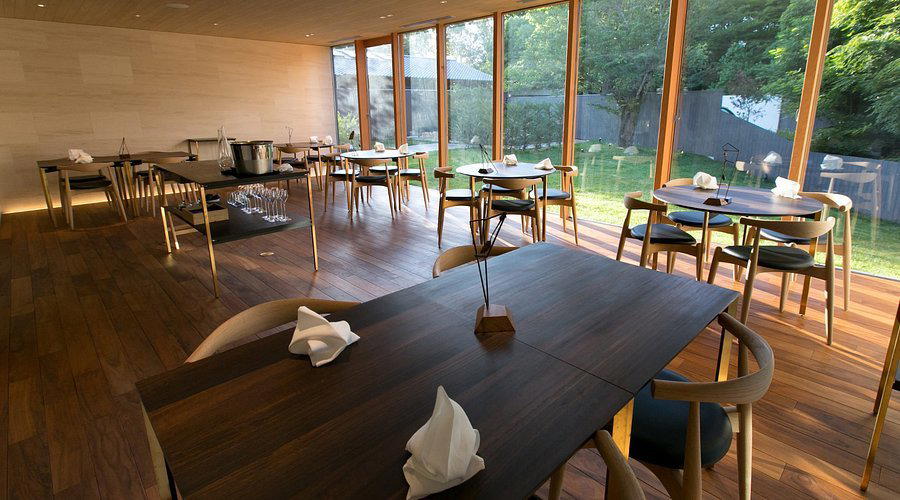


Bars in Nara
All bars in Nara →


Hotels in Nara
All hotels in Nara →

Wineries in Nara
Browse all →
Details
- Intimate
- Cozy
- Elegant
- Date Night
- Special Occasion
- Open Kitchen
- Sake Program
- Local Sourcing
- Tasting Menu
Current opening hours
- Monday
- 11 AM–1:30 PM, 6:30–8:30 PM
- Tuesday
- 11 AM–1:30 PM, 6:30–8:30 PM
- Wednesday
- Closed
- Thursday
- 11 AM–1:30 PM, 6:30–8:30 PM
- Friday
- 11 AM–1:30 PM, 6:30–8:30 PM
- Saturday
- 11 AM–1:30 PM, 6:30–8:30 PM
- Sunday
- 11 AM–1:30 PM, 6:30–8:30 PM
Hours can change for holidays and private events. Hours as of .
Warm and welcoming with a relaxed circular counter-only space featuring open kitchen views and a cozy, intimate atmosphere.