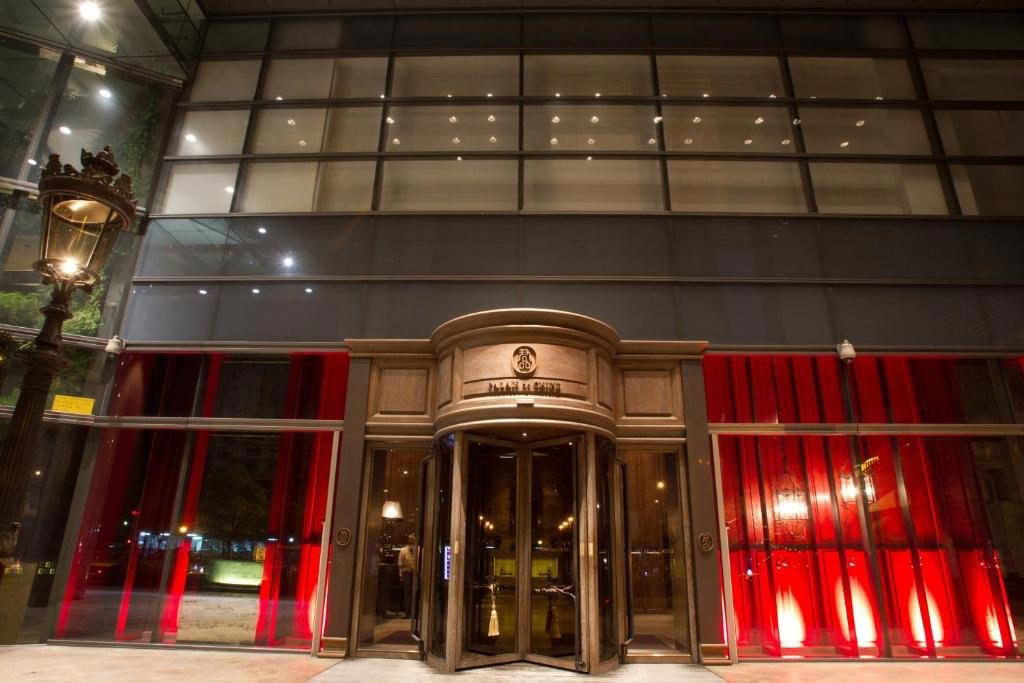
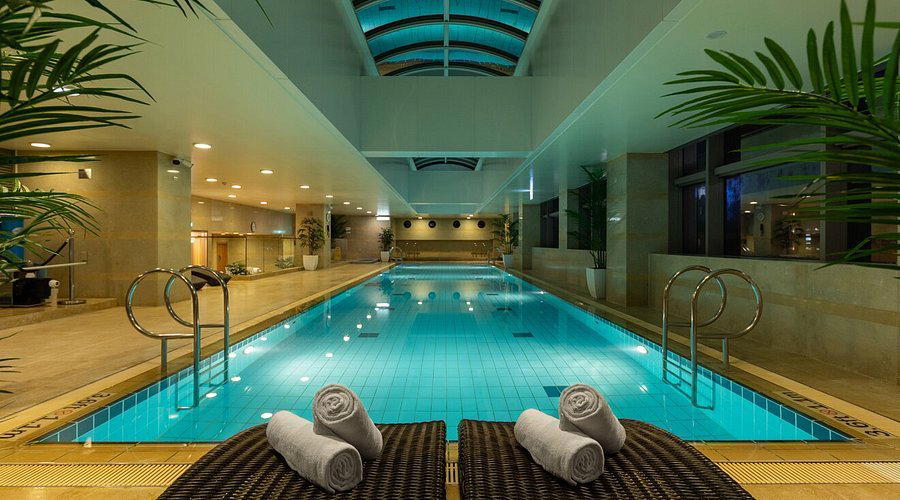
Michelin Plate
Our verdict
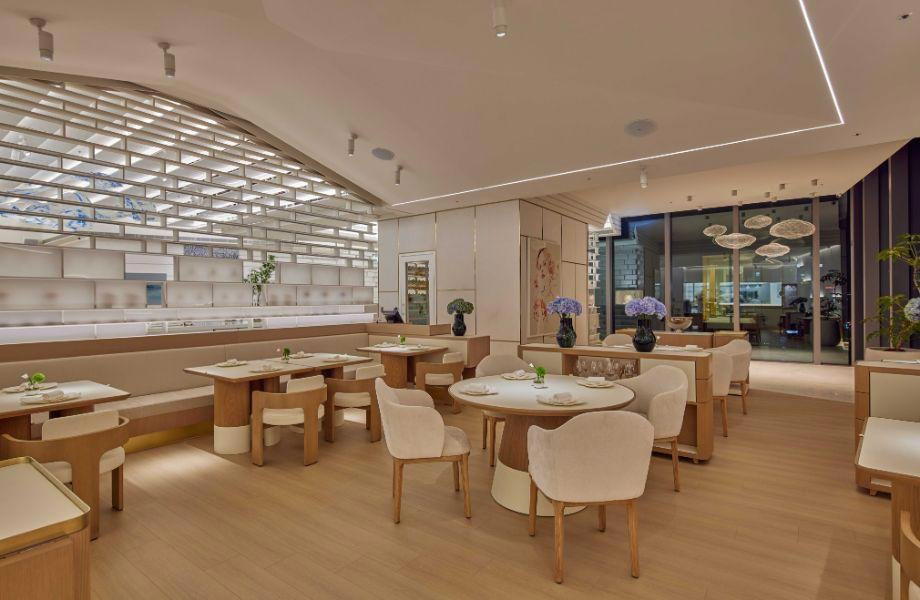
A Michelin Plate-recognised Japanese restaurant on the second floor of a Zhongshan address, Shi sits within Taipei's maturing high-end Japanese dining tier, where precision technique and careful sourcing have become the baseline expectation.

Pearl is the En Primeur Club membership app, where members save venues, book tables and use the concierge.
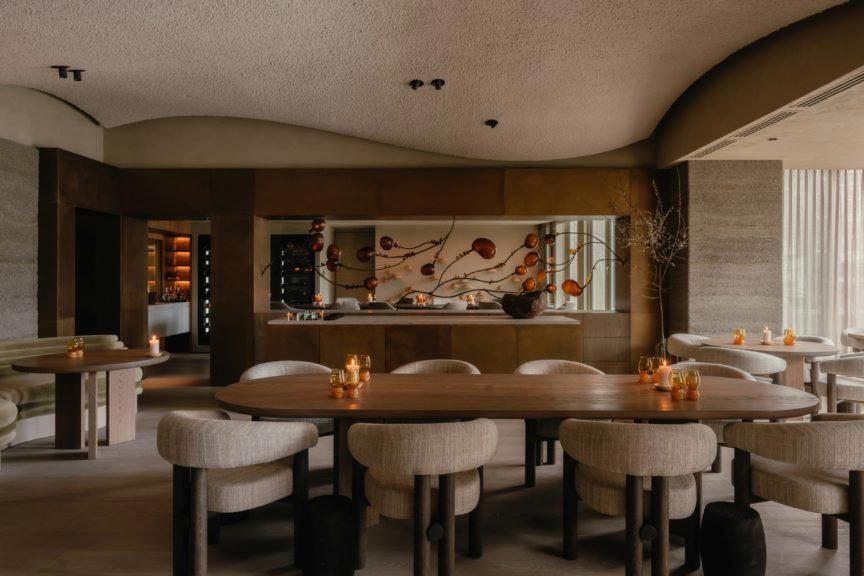
The menu
What to order
- Seasonal vegetable set menu
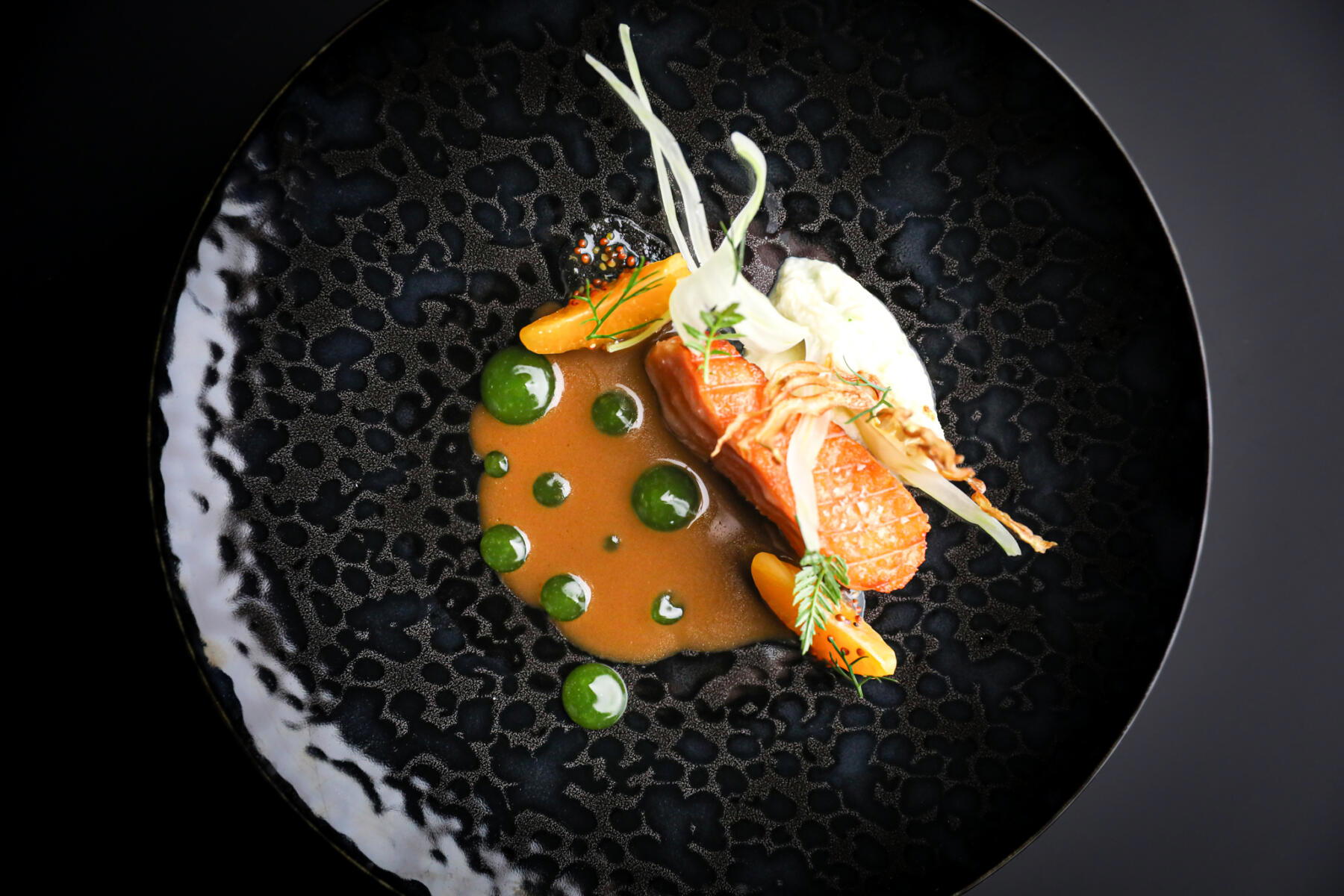
- Fresh seafood preparations
Japanese Precision in Zhongshan's Dining Tier
Taipei's relationship with Japanese cuisine runs deeper than proximity alone explains. Decades of cultural exchange, a large Japanese-trained cook population, and diner expectations calibrated against Tokyo and Osaka have produced a Japanese restaurant scene that competes seriously with its source cities. In Zhongshan District, where many of the city's more considered Japanese addresses concentrate along and around Zhongshan North Road, the question is rarely whether a kitchen can execute Japanese technique, it's whether the execution carries enough clarity and restraint to justify its price point. Shi, occupying the second floor at No. Both signals place it in the reliable upper-middle tier of the city's Japanese offering: recognised enough to draw a consistent audience, precise enough to satisfy diners who eat Japanese food regularly and know what good looks like.
The Case for Simplicity: What Comfort-Led Japanese Cooking Actually Demands
There is a tendency, in premium dining contexts, to equate complexity with seriousness. The counter-argument is made most forcefully by the Japanese culinary tradition itself. Ramen, udon, and soba, Japan's great bowl formats, have each generated decades of obsessive refinement precisely because simplicity is unforgiving. A bowl of udon has nowhere to hide a weak dashi. A soba strand reveals everything about buckwheat quality and hand technique. A ramen broth makes its fat content, its mineral depth, and its balance of salt and umami immediately legible to anyone paying attention. This is the philosophical logic behind comfort-food mastery: stripping away ornament forces the cook to get fundamentals right, and getting fundamentals right at the highest level is considerably harder than adding components to distract from deficiencies.
Taipei's Japanese dining scene reflects this split clearly. On one side sit the theatrical, multi-course omakase formats, kaiseki-influenced, ingredient-forward, built for occasion dining. On the other sit the quieter, bowl-centred and washoku-rooted addresses that ask diners to judge the kitchen on stock clarity, noodle texture, and seasoning balance. The latter category is, arguably, the more demanding test. Shi's positioning within that context, as a Japanese restaurant in the leading price band with Michelin recognition, signals a kitchen operating at the point where the two traditions overlap: the discipline of simplicity applied at a level where it earns formal acknowledgement.
Zhongshan's Japanese Dining Cluster
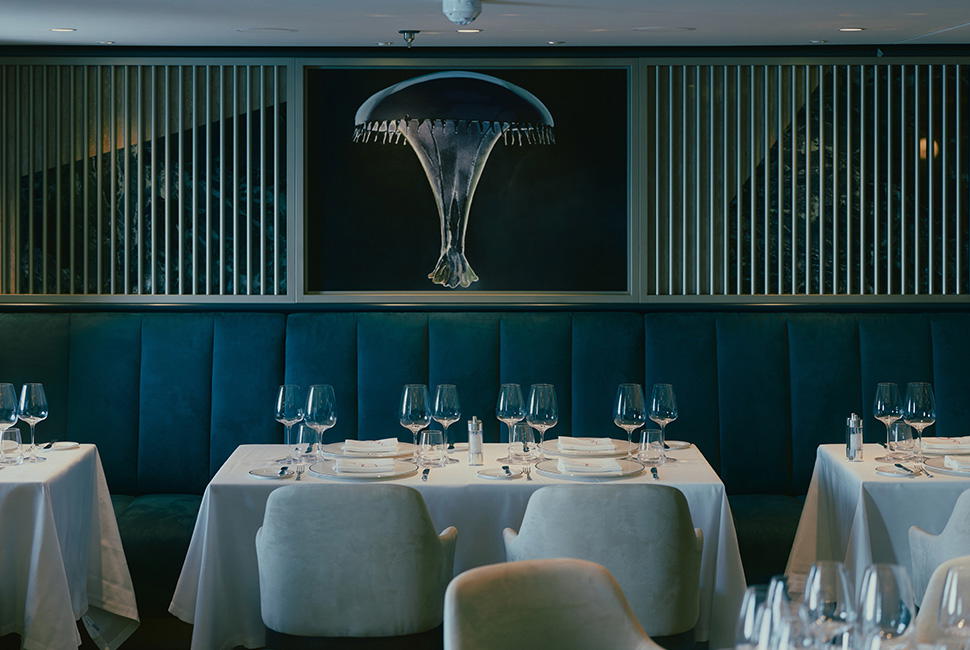
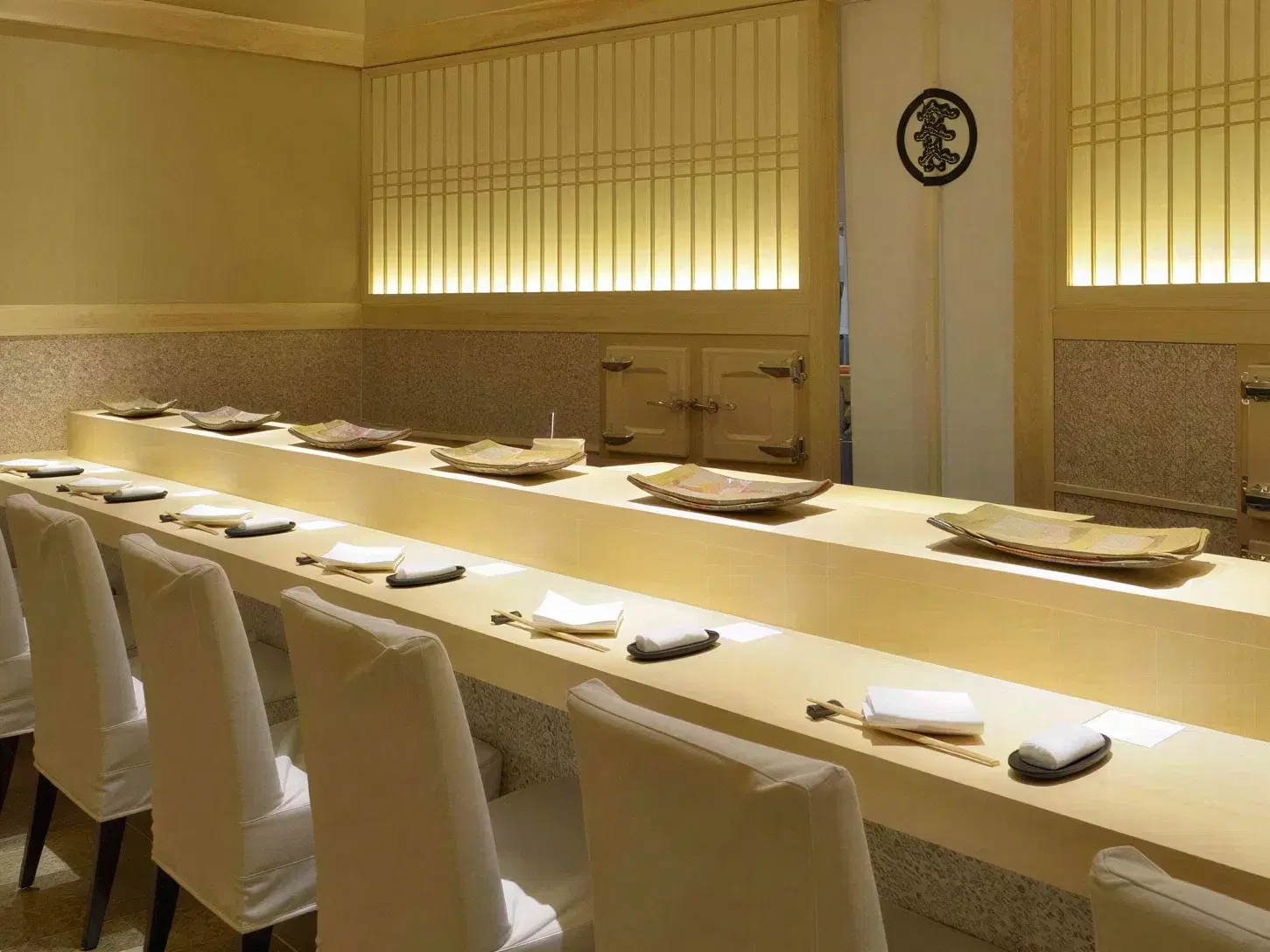
Zhongshan District has developed as one of Taipei's most coherent Japanese dining neighbourhoods. The geography makes sense historically, the area's commercial character attracted Japanese-affiliated businesses early, and the restaurant density followed. Today, a reader moving along Zhongshan North Road and its immediate side streets will find the full range: counter omakase, izakaya formats, specialist tempura and yakitori, and the quieter lunch-and-dinner addresses that build their reputation on consistency rather than spectacle. Shi sits on the second floor of its building, which is a typical configuration in Taipei's mid-to-high-end Japanese tier, street-level space is expensive, and a second-floor room allows for a more considered atmosphere without the pedestrian traffic of a ground-floor frontage.
Shi's Michelin Plate places it in named company, a signal that the 2024 guide editors considered the kitchen consistent and competent at its stated format, without yet elevating it to star level. That gap between Plate and star recognition is meaningful in Taipei: the city's Michelin coverage has expanded, and the Plate category now functions as a substantive endorsement rather than a consolation tier.
Taipei's Japanese Dining in National Context
Understanding where Shi sits requires understanding what Taipei's leading Japanese tier looks like against the rest of Taiwan's restaurant scene. The island's Michelin coverage extends to Taichung, where JL Studio represents a different fusion-forward tradition, and to Kaohsiung, where GEN operates in the southern city's developing fine dining tier. Tainan's food identity skews toward its own deeply local traditions, leading exemplified by addresses like A Cun Beef Soup on Baoan Road, a reminder that comfort-food mastery operates at every price point and in every tradition. The mountain resort experience at Volando Urai Spring Spa and Resort in Wulai District and the indigenous Taiwanese cooking at Akame in Wutai Township complete a picture of Taiwan's dining diversity, one in which Taipei's Japanese tier is a pillar but not the whole structure.
For readers with Japan itself on the itinerary, the comparison is instructive. Tokyo addresses like Myojaku and Azabu Kadowaki operate in a different density of competition, while Kyoto's Isshisoden Nakamura represents the traditional kaiseki lineage at its most formalised. Taipei's leading Japanese restaurants hold their own against that reference class more often than the city's relative profile suggests.
Planning Your Visit
The $$$$ price designation places Shi in Taipei's leading restaurant tier, comparable positioning to the city's French contemporary addresses like de nuit and to multi-awarded Cantonese rooms like Le Palais. Booking at least a week ahead is prudent, and further in advance for weekend evenings or if a specific occasion is involved.
Know Before You Go
- Address: 2F, 185 Section 2, Zhongshan North Road, Zhongshan District, Taipei 104, Taiwan
- Price range: $$$$ (top tier)
- Recognition:
- Cuisine: Japanese
- Booking: Advance reservation recommended; contact details via search or Google Maps listing
- Access: Zhongshan District; walkable from Zhongshan MRT station
Frequently asked questions
What should I budget for a meal at Shi?
Pricing at Shi is listed as $$$$.
Is Shi Michelin-listed?
Shi has received recognition including: Michelin Plate (2024).
What's the best thing to order at Shi?
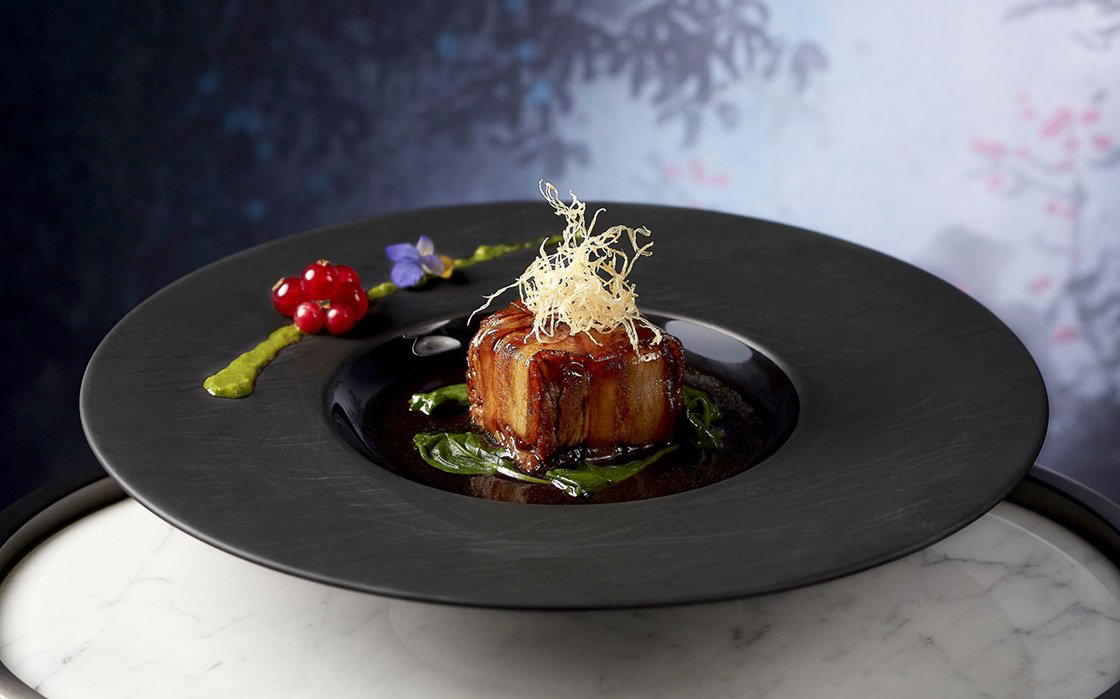
Shi's menu details are not published in advance, which is consistent with the Japanese counter tradition of letting the kitchen set the agenda. Given the Michelin Plate recognition for Japanese cuisine and the $$$$ price tier, the kitchen's strengths appear to lie in disciplined, comfort-led preparations rather than theatrical plating. Let the omission of a fixed menu guide expectations: arrive without a specific order in mind.
How would you describe the cuisine at Shi?
Where exactly is Shi?
Shi is located at 104, Taiwan, Taipei City, Zhongshan District, Section 2, Zhongshan N Rd, 185號2樓, Taipei.
How far ahead should I plan for Shi?
Shi sits in Taipei's top restaurant tier alongside the city's French contemporary addresses, and Michelin Plate recognition in 2024 has kept local demand steady. Booking several weeks in advance is a reasonable baseline for weekend seatings; the second-floor address on Zhongshan North Road Section 2 means walk-in availability is limited. check the venue's official channels to confirm current lead times.
What has Shi built its reputation on?
A 2024 Michelin Plate places Shi within Taipei's recognised Japanese dining tier, a category the city takes seriously given decades of culinary exchange with Japan. The $$$$ pricing signals a commitment to sourcing and execution over volume. Zhongshan District's concentration of serious Japanese kitchens provides useful peer context: Shi is positioned at the precision end of that cluster, not the casual end.
The Short List
Comparable venues nearby, for context on price, style, and recognition.
| Venue | Cuisine | Price | Awards | Notes |
|---|---|---|---|---|
| ShiThis venue (the venue you are viewing) | Seasonal Contemporary Taiwanese | $50–100 | Michelin Plate | Not listed |
| Cheng Jia | Refined Taiwanese Private Kitchen | $100–150 | Michelin Plate | Xinfu, Refined Taiwanese Private Kitchen |
| Yong-Kang Beef Noodle | Traditional Taiwanese Beef Noodle Soup | $1–10 | Not listed | Fuzhu, Traditional Taiwanese Beef Noodle Soup |
| Shan Nay Chicken | Taiwanese Steamed Chicken | $1–10 | Michelin Plate | Zhongqin, Taiwanese Steamed Chicken |
| 72 Beef Noodles | Taiwanese Beef Noodle Soup | $1–10 | Not listed | Xingshi, Taiwanese Beef Noodle Soup |
| May Snow Hakka Food | Traditional Hakka | $10–20 | Michelin Plate | Yi'an, Traditional Hakka |
Recognition history
Dated appearances from independent guides and award organizations, with the underlying list record or original source where available.
Michelin Plate
Michelin