
Our verdict
Ranked #254 in Asia by Opinionated About Dining in 2024, Qi 27 occupies a specific tier within Taipei's increasingly serious sushi scene. Under chef Wei-Jen Chen, the Da'an District counter operates on a tight omakase schedule across lunch and evening services, drawing a reservation-led crowd that treats the address as a fixed point on the city's Japanese dining circuit.

Pearl is the En Primeur Club membership app — saves, bookings, and concierge access live there. Same editors, same standards.
- Address
- 106, Taiwan, Taipei City, Da’an District, Section 2, Anhe Rd, 167號1樓
- Phone
- +886 2 2732 9920
- Hours
- Mon ClosedTue–Wed 6–9:30 PMThu–Sat 12–2:30 PM, 6–9:30 PMSun Closed
- Website
- 2727.com.tw
- Directions
- Get directions
- Booking
- Book on OpenTable
Chef Wei-Jen Chen leads the kitchen at Qi 27. In this format, the chef's lineage and training are the primary credentials, the counter is built around a single creative voice, and the progression of the meal depends entirely on that voice's decisions about fish sourcing, aging, temperature, and sequence. What distinguishes counters at this level from those a tier below is usually the sourcing depth: relationships with specific Japanese fish markets, access to aged cuts that require temperature control, and the discipline to limit covers so execution doesn't slip.
What the Wine Angle Reveals About a Room
At a serious omakase counter, the drinks list is often the clearest signal of how far the room has thought beyond the fish. The counters that have pushed into the upper bracket regionally tend to have reconsidered this, either by deepening their sake programme with aged and regional expressions, building a wine list that can hold its own against the room's price point, or employing someone capable of pairing across both categories with fluency.
The editorial angle here matters because it separates restaurants that have invested in a complete experience from those that have invested only in the food. A guest spending serious money on an omakase counter in Da'an should be able to expect that the sake served alongside the aged tuna has been sourced with the same intention as the tuna itself. In the broader Asia sushi circuit, this is now a baseline expectation at the highest tier, counters that can't meet it tend to trade on nostalgia or price accessibility rather than ambition. Qi 27's public profile does not provide detailed information on cellar depth or sake programme, which is itself a data point worth noting when comparing it against rooms that publish their sourcing and pairing philosophy openly. Rooms like The service pattern at Qi 27 follows the standard high-end omakase structure: a lunch window running 12:00 to 14:30 daily, and an evening service from 19:30 to 23:00 (extended to 23:30 on Fridays and Saturdays). The full-week schedule suggests either a larger team than the typical counter format, or a deliberate choice to maximise access, and that distinction matters when assessing where the room sits in the city's hierarchy. JL Studio in Taichung has built an international reputation in modern Southeast Asian cuisine. GEN in Kaohsiung represents the island's southern dining character. A Cun Beef Soup in Tainan is among the clearest expressions of Tainan's distinct food culture. And No specific signature dish has been publicly documented for Qi 27. The restaurant operates in the omakase format, meaning the menu is determined by the chef on the day of service, based on what the kitchen has sourced. Qi 27's recognition from Opinionated About Dining, which ranks based on the assessments of experienced diners and food professionals, reflects the overall standard of the omakase rather than any single item.Scheduling and the Structure of the Day
The Quick Read
| Venue | Cuisine | Price | Awards | Notes |
|---|---|---|---|---|
| Qi 27 (Sushi 27)This venue — the venue you are viewing | Edomae Omakase | $50–100 | Not listed | Not listed |
| logy | Modern Japanese-Taiwanese Fusion Omakase | $100–150 | 2 Michelin Stars · World's 50 Best #22 | Modern European, Asian Contemporary |
| Le Palais | Fine Dining Cantonese | $150–200 | 3 Michelin Stars · La Liste Top Restaurants | Cantonese |
| Taïrroir | Taiwanese-French Fusion Fine Dining | $150–200 | 3 Michelin Stars · La Liste Top Restaurants | Taiwanese/French, Taiwanese contemporary |
| Mudan Tempura | Michelin-Starred Tempura | Not listed | 2 Michelin Stars · La Liste Top Restaurants | Tempura |
| de nuit | Contemporary French | $150–200 | 1 Michelin Star · Star Wine List | French Contemporary |
Recognition history
Dated appearances from independent guides and award organizations, with the underlying list record or original source where available.
Opinionated About Dining Top Restaurants in Asia Recommended
Opinionated About Dining
Full recognition history (4 entries)
Opinionated About Dining Top Restaurants in Asia Ranked #282
Opinionated About Dining
Opinionated About Dining Top Restaurants in Asia Ranked #254
Opinionated About Dining
Opinionated About Dining Top Restaurants in Asia Recommended
Opinionated About Dining
Continue exploring
More in Taipei
Restaurants in Taipei
Browse all →
Bars in Taipei
Browse all →
Hotels in Taipei
Browse all →
Wineries in Taipei
Browse all →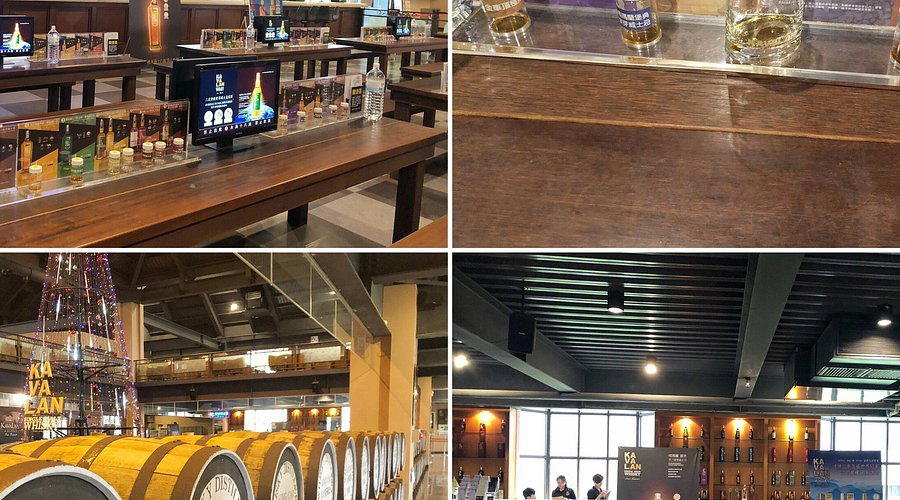
Details
- Intimate
- Minimalist
- Sophisticated
- Date Night
- Special Occasion
- Chefs Counter
- Sake Program
- Sustainable Seafood
- Omakase
- Counter Dining
- Sake
Current opening hours
- Monday
- Closed
- Tuesday
- 6–9:30 PM
- Wednesday
- 6–9:30 PM
- Thursday
- 12–2:30 PM, 6–9:30 PM
- Friday
- 12–2:30 PM, 6–9:30 PM
- Saturday
- 12–2:30 PM, 6–9:30 PM
- Sunday
- Closed
Hours can change for holidays and private events. Last verified .
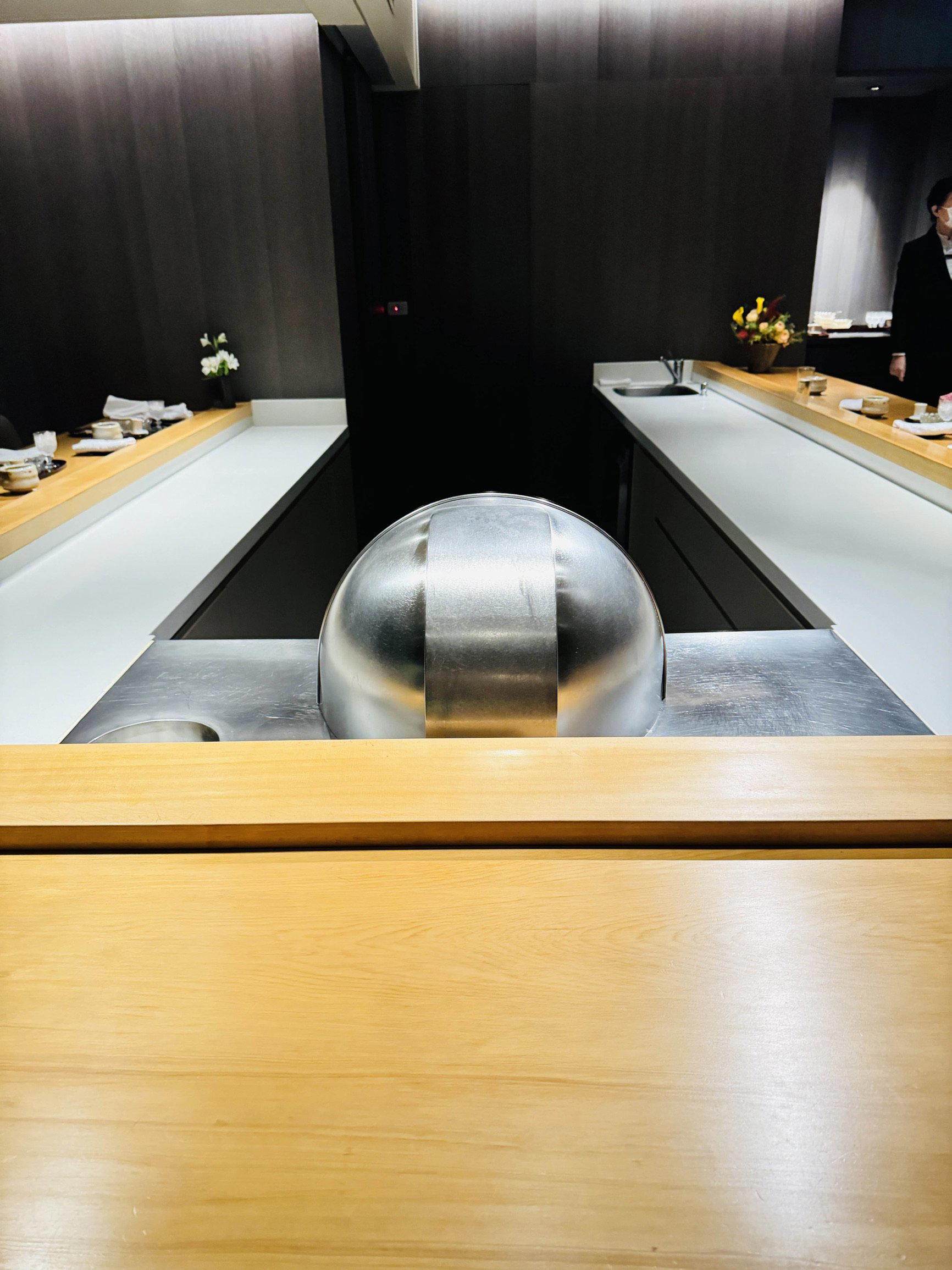
Minimalist interior with warm wood tones, subdued lighting, and an uncluttered 12-seat counter focused on the chef's work, creating a quiet and deliberate atmosphere.