

1 Michelin Star
Our verdict
A Michelin-starred sushi counter in Da'an District, Kitcho ranks among Taiwan's most carefully sourced Japanese restaurants. Niigata rice seasoned with three vinegars, a rotating sake list tied to seasonal ingredients, and OAD Top Asia recognition across three consecutive years place it inside Taipei's premium omakase tier. Cooked dishes are available on request, making it one of the more flexible counters in the city.

Pearl is the En Primeur Club membership app — saves, bookings, and concierge access live there. Same editors, same standards.
- Address
- 106, Taiwan, Taipei City, Da’an District, Lane 181, Section 4, Zhongxiao E Rd, 48號1樓
- Phone
- +886 2 2771 1020
- Hours
- Mon–Sat 12–2:30 PM, 6–10:30 PMSun Closed
- Website
- facebook.com
- Directions
- Get directions
- Booking
- Book on OpenTable
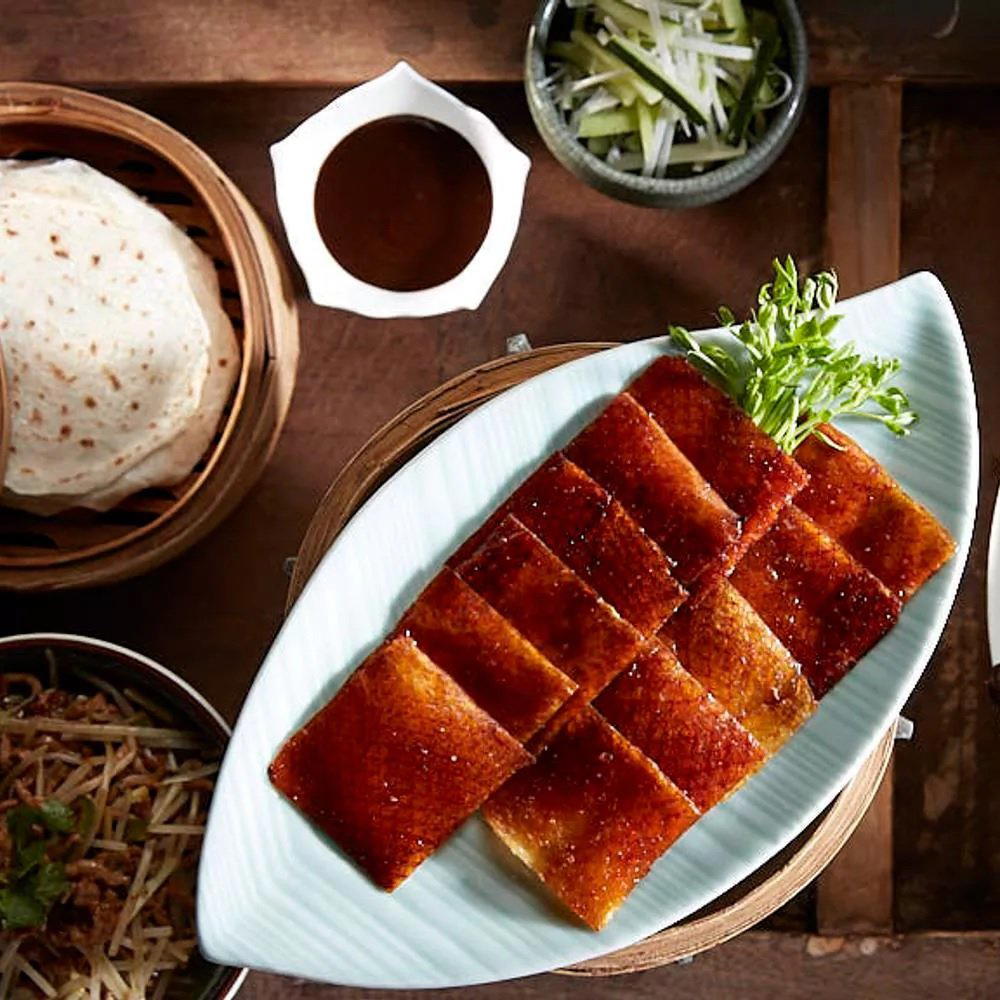
The menu
What to order
- Uni gunkan maki
- Toro
- Ankimo
- Sawara
- King crab with roe
Pale Wood, Warm Light, and the Grammar of Japanese Restraint
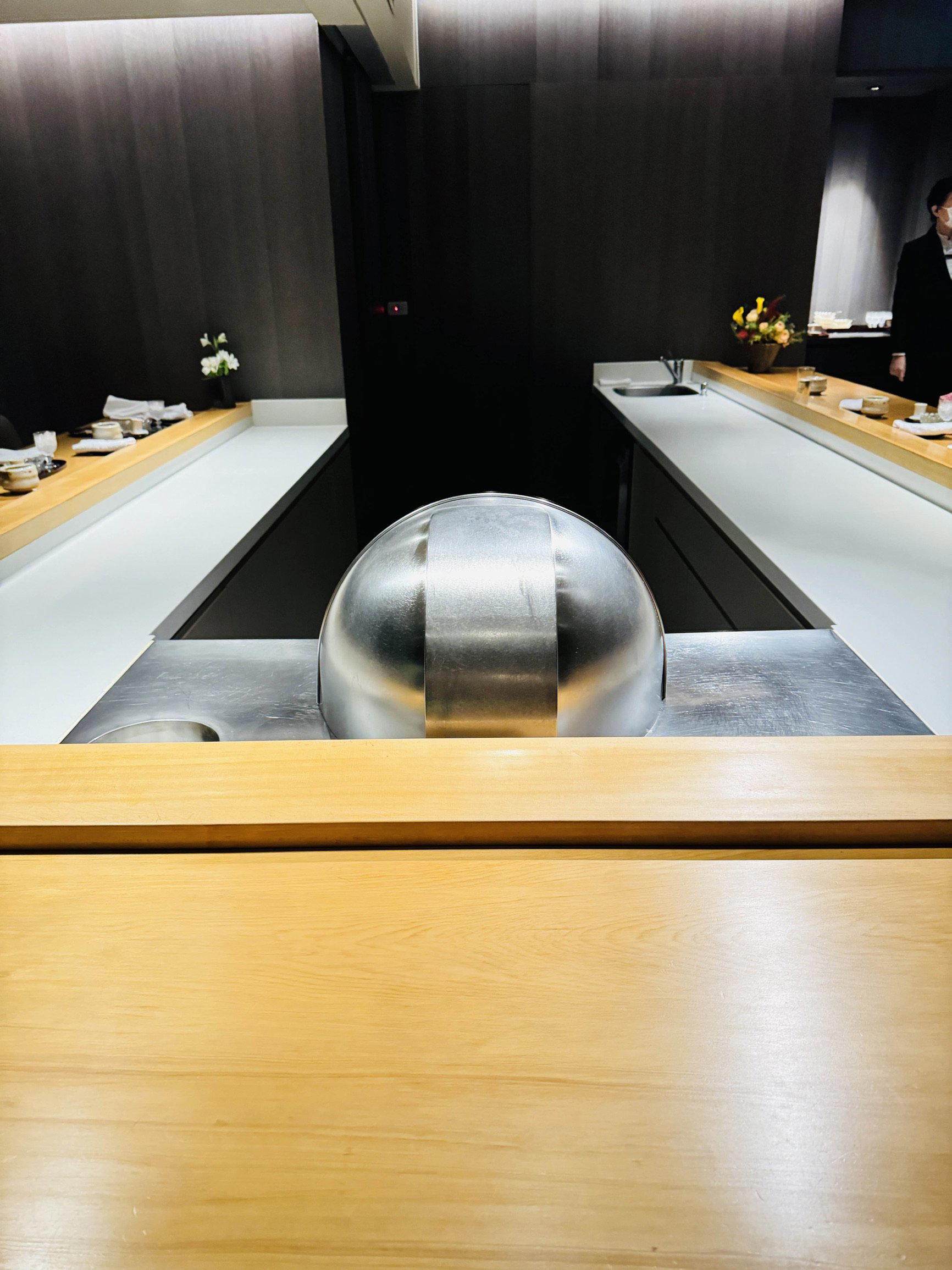
Da'an District has long been the address of choice for Taipei's serious Japanese dining, and Lane 181 off Zhongxiao East Road Section 4 fits that pattern without announcing itself. The approach to Kitcho is low-key in the way that credentialed counters in this city often are: no dramatic signage, no queue management theater. Inside, the room follows Japanese tradition closely, with pale wood surfaces, warm overhead lighting, and fabric-wrapped panels that absorb sound and signal a particular register of formality. It is a room designed for concentration, not spectacle.
That restraint is a deliberate alignment with a broader current in Taiwanese premium Japanese dining. Where some of Taipei's high-end restaurants have moved toward architectural statement and multi-sensory production, the serious sushi counters in this city have largely maintained the spare aesthetic inherited from Japan: nothing on the wall to compete with what is on the plate, nothing in the air to distract from the temperature of the fish.
The Cultural Weight Behind Taipei's Omakase Scene
To understand where Kitcho sits, it helps to understand what Taipei's Japanese food culture actually represents. Taiwan's deep structural connection to Japanese cuisine predates the contemporary omakase trend by decades. The island's historical relationship with Japan left lasting imprints on ingredient sourcing networks, cooking sensibility, and the institutional knowledge held by a generation of Taiwanese chefs who trained across Japan before returning home. That foundation is what separates Taipei's premium Japanese tier from analogous scenes in cities that assembled it more recently.
The contemporary omakase wave in Asia has produced credible counters in Hong Kong, Singapore, and Bangkok, but the depth of the Taipei scene, including counters like Sushi Akira, Sushi Ryu, Qi 27 (Sushi 27), Sasa, and Sushi Kajin, reflects something more layered. Across the region, Sushi Shikon in Hong Kong and Shoukouwa in Singapore occupy the top tier in their respective cities; in Tokyo, the benchmark is set by counters like Harutaka. Kitcho positions itself within that regional conversation, not beneath it.
The specific rice program here is one signal of where the kitchen's priorities lie. Niigata rice, a premium Japanese variety with well-documented characteristics, is seasoned with three vinegars, including akasu, the red vinegar derived from sake lees that adds depth and a mild umami quality absent from standard rice vinegar preparations. The choice of akasu over the more neutral white vinegar places Kitcho in a particular subset of Edomae-adjacent technique, one associated with older Tokyo tradition and a more complex flavor profile in the shari.
Credentials, Consistency, and What the Awards Reflect
Kitcho holds a Michelin one star as of the 2024 guide, and has appeared on Opinionated About Dining's Leading Restaurants in Asia list for three consecutive years, ranked 389th in 2025 and 357th in 2024, following a recommended listing in 2023. OAD rankings are crowd-sourced from frequent diners and food professionals rather than anonymous inspector visits, which means the trajectory here reflects sustained appreciation from a repeat-visit audience rather than a single assessment moment.
That combination of Michelin recognition and OAD traction places Kitcho in a meaningful position within Taipei's sushi tier: credentialed enough to benchmark against the city's established counters, with a growing score that suggests the kitchen is not stagnant. Chef Kyo Hsu leads the counter, and while biographical detail is limited in the public record, the rice program and the sake curation on offer suggest a kitchen that thinks in terms of ingredient relationships rather than isolated showmanship.
For context within Taipei's broader award landscape, the city's highest-recognition restaurants include JL Studio in Taichung with its cross-cultural framework, and Akame in Wutai Township, which has drawn sustained attention for its indigenous ingredient focus. Kitcho operates in a different register entirely, committed to Japanese form rather than Taiwanese reinvention. That is a defensible position: in a city where several counters are competing on the fusion axis, a kitchen that refines its technique within the tradition rather than departing from it becomes a counterpoint worth noting.
The Sake List and the Logic of Seasonal Alignment
The owner imports sake directly, and the list changes to follow the seasonal ingredients available at any given time. This is not a standard practice at Taipei's Japanese restaurants. Most wine and sake programs at this price tier are curated for breadth or prestige, organized around producer reputation or label recognition. A sake list that rotates in response to what the kitchen is sourcing reflects a different operating philosophy: the drink is positioned as a complement to the food's seasonal arc rather than as an independent feature of the experience.
Practically, this means the sake on offer in late winter will differ from what is poured in summer, and repeat visits become a way to follow those shifts. For diners who use sake programs as a guide to a restaurant's seriousness, this approach carries weight. It also creates a direct line between the owner's import relationships and what reaches the glass, which is a shorter supply chain than most counters in the city maintain.
Format, Flexibility, and How to Approach a Booking
Kitcho runs lunch and dinner service Tuesday through Saturday, with lunch from noon to 2:30 PM and dinner from 6 PM to 10:30 PM. Sunday is closed. The format is omakase, with cooked dishes available if ordered in advance. That pre-order requirement for cooked courses is common at Japanese counters operating at this level; it allows the kitchen to source and prepare without waste, and it places the coordination responsibility on the diner rather than the kitchen's spontaneous output.
The address, ground floor of a building on Lane 181, Section 4, Zhongxiao East Road, Da'an District, is direct to reach via the Da'an or Zhongxiao Fuxing MRT stations. The area is dense with Japanese dining options at various price points, which means comparison shopping is easy, but it also means Kitcho operates in a well-saturated neighborhood where the competition for this specific tier of guest is active.
The restaurant has no formal connection to the Kyoto kaiseki institution of the same name; the records are explicit on this point. For diners arriving with kaiseki expectations, the format here is sushi counter, not multi-course Japanese haute cuisine.
Where Kitcho Fits in the Wider Taiwan Dining Map
Taipei concentrates the island's premium Japanese dining, but the broader Taiwan restaurant scene extends well beyond the capital. GEN in Kaohsiung, A Cun Beef Soup in Tainan, and Volando Urai Spring Spa and Resort in Wulai District represent different registers of the island's food culture, and a complete picture of eating in Taiwan requires moving between them. Within Taipei itself, the full dining, bar, and hotel picture is covered across our Taipei restaurants guide, our Taipei bars guide, our Taipei hotels guide, our Taipei wineries guide, and our Taipei experiences guide.
For diners building a sushi-focused itinerary in Taipei, Kitcho represents the Michelin-credentialed, technique-focused end of the spectrum, the kind of counter where the rice program, vinegar selection, and sake curation are the points of differentiation rather than décor theatrics or imported celebrity lineage. That is a narrower value proposition than some, but for the guest it is designed for, it is a precise one.
What to Order at Kitcho
at Kitcho?
The omakase format means the kitchen drives the selection, so the better question is what to pay attention to rather than what to request. The rice program is the counter's clearest point of distinction: Niigata rice seasoned with three vinegars including akasu, the red vinegar derived from sake lees, produces a shari with more complexity than standard preparations. Ask the kitchen about the current sake pairings when you arrive; because the list rotates with seasonal ingredients, the server's answer will tell you something about what the kitchen is prioritizing that week. If you want cooked dishes alongside the omakase, pre-order at the time of booking rather than on arrival.
Comparison Snapshot
Comparable options at a glance, pulled from our tracked venues.
| Venue | Cuisine | Price | Awards | Notes |
|---|---|---|---|---|
| KitchoThis venue — the venue you are viewing | Modern Japanese Omakase | $200–300 | 1 Michelin Star | Not listed |
| logy | Modern Japanese-Taiwanese Fusion Omakase | $100–150 | 2 Michelin Stars · World's 50 Best #22 | Modern European, Asian Contemporary |
| Le Palais | Fine Dining Cantonese | $150–200 | 3 Michelin Stars · La Liste Top Restaurants | Cantonese |
| Taïrroir | Taiwanese-French Fusion Fine Dining | $150–200 | 3 Michelin Stars · La Liste Top Restaurants | Taiwanese/French, Taiwanese contemporary |
| Mudan Tempura | Michelin-Starred Tempura | Not listed | 2 Michelin Stars · La Liste Top Restaurants | Tempura |
| de nuit | Contemporary French | $150–200 | 1 Michelin Star · Star Wine List | French Contemporary |
Recognition history
Dated appearances from independent guides and award organizations, with the underlying list record or original source where available.
Michelin 1 Star
Michelin
Opinionated About Dining Top Restaurants in Asia Recommended
Opinionated About Dining
Full recognition history (7 entries)
Michelin 1 Star
Michelin
Opinionated About Dining Top Restaurants in Asia Ranked #389
Opinionated About Dining
Michelin 1 Star
Michelin
Opinionated About Dining Top Restaurants in Asia Ranked #357
Opinionated About Dining
Opinionated About Dining Top Restaurants in Asia Recommended
Opinionated About Dining
Continue exploring
More in Taipei
Restaurants in Taipei
Browse all →
Bars in Taipei
Browse all →
Hotels in Taipei
Browse all →
Wineries in Taipei
Browse all →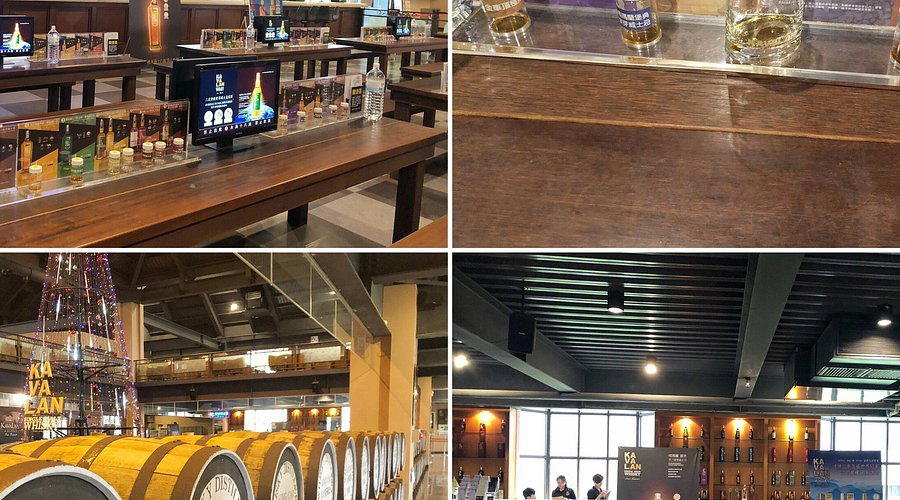
Details
- Intimate
- Elegant
- Sophisticated
- Cozy
- Date Night
- Special Occasion
- Solo
- Chefs Counter
- Open Kitchen
- Sake Program
- Sommelier Led
- Sustainable Seafood
- Omakase
- Counter Dining
- Tasting Menu
- Sake
- Allergy Accommodating
Current opening hours
- Monday
- 12–2:30 PM, 6–10:30 PM
- Tuesday
- 12–2:30 PM, 6–10:30 PM
- Wednesday
- 12–2:30 PM, 6–10:30 PM
- Thursday
- 12–2:30 PM, 6–10:30 PM
- Friday
- 12–2:30 PM, 6–10:30 PM
- Saturday
- 12–2:30 PM, 6–10:30 PM
- Sunday
- Closed
Hours can change for holidays and private events. Last verified .
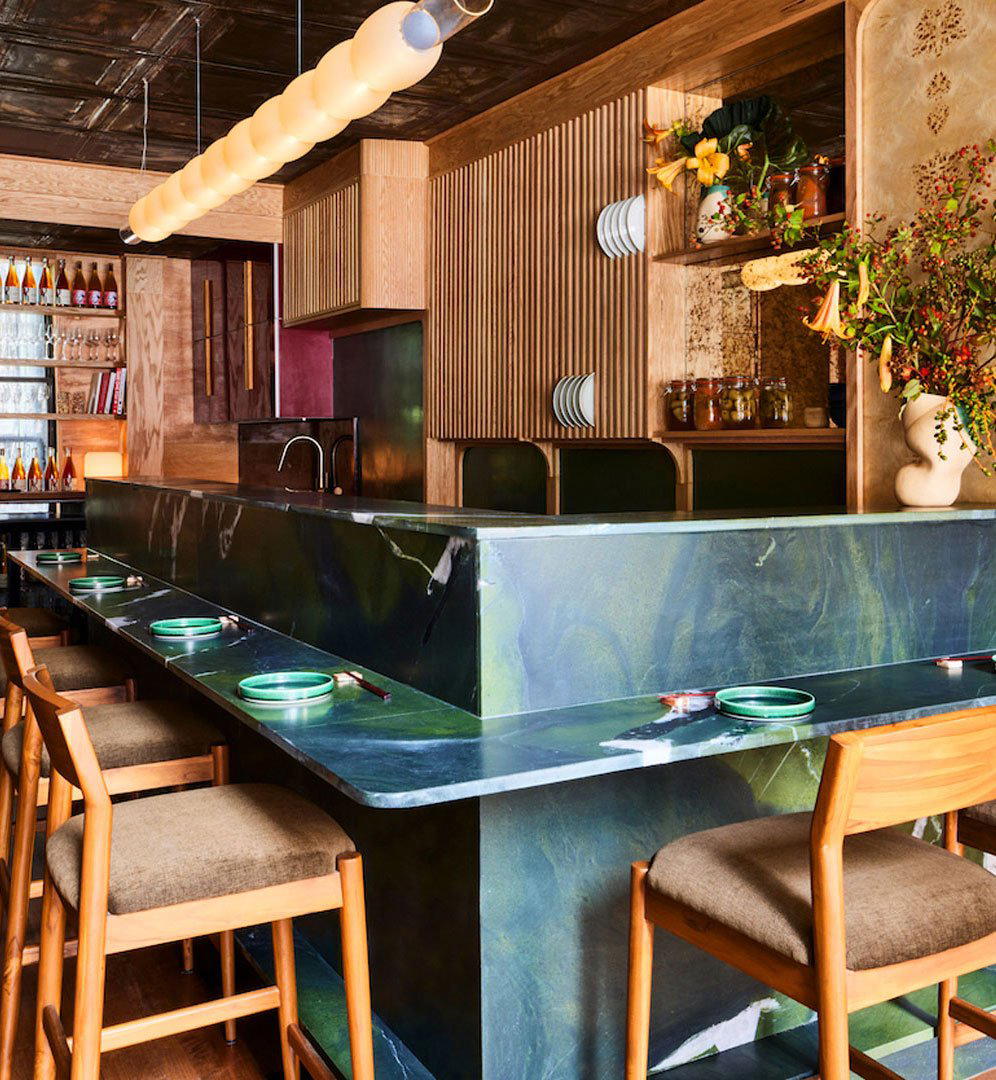
Intimate sushi bar with pale wood, warm lighting, and fabric-wrapped panels in traditional Japanese style; counter seating with L-shaped bar facing the chef.