
A Michelin Plate recipient in both 2024 and 2025, Kou Gyu Rou operates in Taipei's Datong District, where the city's oldest noodle traditions run deepest. Priced at the budget end of the spectrum, it holds, placing it among the more consistently regarded noodle shops in a city that treats the category with serious critical attention.
Pearl is the En Primeur Club membership app — saves, bookings, and concierge access live there. Same editors, same standards.
- Address
- No. 6號, Minle St, Datong District, Taipei City, Taiwan 103
- Website
- facebook.com
- Directions
- Get directions
 Saves & bookings on Pearl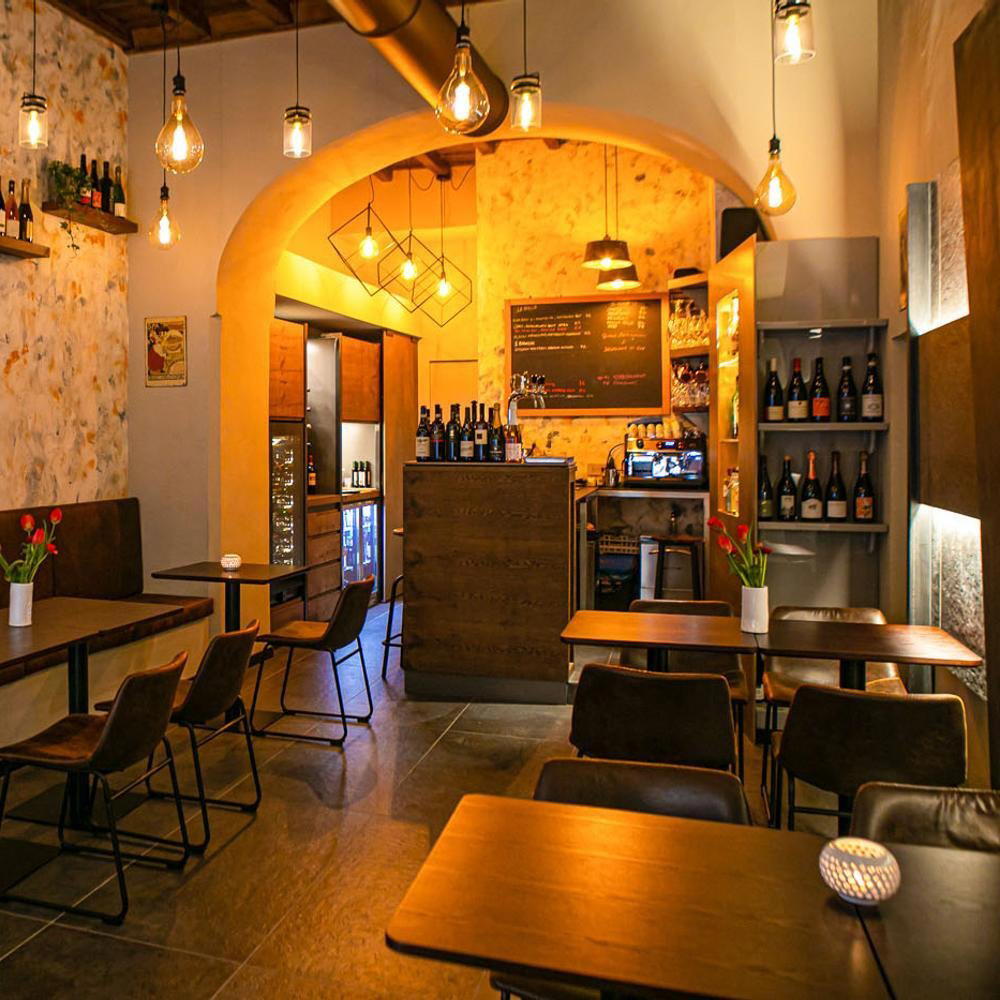
Where Datong's Noodle Culture Gets Formal Recognition
Minle Street in Datong District sits in one of Taipei's oldest urban grids, a neighbourhood where the density of traditional food shops reflects a continuity that the newer districts further south have largely lost. The streets here are narrow, the shopfronts low, and the kitchens visible in ways that feel less like theatre and more like function. Datong is where Taipei's working food culture has persisted across generations, and that context matters when you are trying to understand what Kou Gyu Rou represents within it.
Taiwan's noodle category is, by any serious measure, among the more competitive in Asia. Beef noodle soup alone has accumulated enough critical literature to fill a shelf, and Taipei's annual beef noodle festival has historically drawn chefs and judges from across the region. Within that environment, the Michelin Plate, awarded to Kou Gyu Rou in both 2024 and 2025, functions as a signal worth parsing. The Plate does not denote a starred kitchen; it denotes a restaurant that Michelin inspectors consider worth a visit. For a single-dollar establishment in a street-food-dense neighbourhood, that inclusion represents an external validation that cuts across price tiers.
The Case for Small-Footprint Cooking
Across Taipei's recognised noodle shops, a pattern holds: particularly consistent kitchens tend to be compact, with tightly controlled ingredient sourcing and minimal menu sprawl. This is not incidental. A shorter menu, fewer covers, and a focused supplier relationship produce more predictable outcomes than a broader operation managing multiple protein streams and rotating specials. Kou Gyu Rou's dollar-sign price tier places it at the accessible end of the market, but price alone does not explain the. That figure, sustained rather than spiked, suggests operational consistency over time.
In the context of sustainability and ethical sourcing, the small-footprint noodle shop model deserves more attention than it typically receives. Kitchens operating at this scale tend to produce less waste by design: portions are standardised, stock is made from bones and trimmings that larger restaurants discard, and the limited menu means fewer ingredients pass through before use. The beef noodle tradition in particular is built on slow-cooked cuts that would have little value in other formats, making it one of the more resource-efficient cooking traditions in the region. The restaurant's position at the budget end of the market, combined with its sustained critical recognition, fits that pattern.
Compare this against Taipei's higher-tier restaurants. Taïrroir and Le Palais, both Michelin three-star operations in the four-dollar price bracket, occupy a different part of the city's dining architecture entirely. So does logy, recognised for its modern European-Asian approach. The restaurant does not compete in that tier and does not need to. The relevant comparable set includes shops like Chang Hung Noodles, Lao Shan Dong Homemade Noodles, and Muji Beef Noodles, all operating within the same tradition and broadly the same price range. Within that cohort, Michelin recognition over consecutive years is a distinguishing credential.
Datong as a Context, Not Just an Address
Datong District is worth understanding on its own terms before arriving. It is one of Taipei's oldest districts, originally developed during the Japanese colonial period, and its street layout still reflects that era's planning logic. Dihua Street, running north through the district, remains the city's principal dry goods and traditional medicine corridor, and the surrounding lanes sustain food businesses that have operated across multiple generations. This is not a neighbourhood that reinvents itself for each cycle of food media attention.
That continuity shapes the character of the kitchens here. Sourcing relationships in this district tend to be longstanding, built on proximity to the wholesale markets and ingredient suppliers that have anchored this part of the city for decades. The result is cooking that is less trend-dependent and more ingredient-driven, which is consistent with the low-waste, high-utilisation ethos that makes traditional noodle shops an interesting reference point in discussions about sustainable kitchen practice.
Taiwan's Michelin Tier Without the Price Bracket
One of the more instructive aspects of Taiwan's Michelin scene is how far down the price scale its attention reaches. The guide's Taipei and Taichung editions have consistently included street-level and budget-tier operations alongside fine dining, which reflects both the quality density of Taiwanese cooking at that level and a willingness on Michelin's part to apply its framework across formats. JL Studio in Taichung and GEN in Kaohsiung represent the higher-investment end of Taiwan's recognised dining; the restaurant represents the opposite end of that distribution. Both are worth noting in an editorial sense because they demonstrate the range of what the guide considers worth a visitor's time.
Further afield in Taiwan, Akame in Wutai Township, A Cun Beef Soup in Tainan, and Volando Urai Spring Spa and Resort extend the country's dining and hospitality map in different directions.
Know Before You Go
- Address: No. 6, Minle Street, Datong District, Taipei City, Taiwan 103
- Price range: $ (budget)
- Awards: Michelin Plate 2024, Michelin Plate 2025 8 from 560 reviews
- Cuisine: Noodles
- Booking: No booking information available; walk-in format typical for this price tier in Datong
- Hours: Not confirmed; verify locally before visiting
What Do People Recommend at Kou Gyu Rou?
Given the kitchen's noodle focus and its positioning within Taipei's beef noodle tradition, returning visitors and online reviewers consistently point to the core noodle dishes as the draw. The restaurant holds Michelin Plate recognition for 2024 and 2025, which aligns with that reading: inspectors are returning to a kitchen that delivers a reliable, well-made product within a clearly defined format. Arriving with direct expectations for a traditional noodle format, priced accessibly and operating in one of Taipei's most historically dense food neighbourhoods, is the right framing.
What It’s Closest To
Comparable venues nearby, for context on price, style, and recognition.
| Venue | Cuisine | Price | Awards | Notes |
|---|---|---|---|---|
| Kou Gyu RouThis venue — the venue you are viewing | Modern Japanese-Style Taiwanese Beef Noodles | $$ | Michelin Plate | Not listed |
| Da-Wan | Michelin-Starred Japanese Yakiniku | $$$ | Michelin Plate | Bei'an |
| Sansan Bistro | Modern Sichuan Bistro | $$ | Michelin Plate | Huxiao |
| 竹村居酒屋 | Japanese Izakaya | $$ | Not listed | 信義區 |
| May Snow Hakka Food | Traditional Hakka | $$ | Michelin Plate | Yi'an |
| Tempura Sugimura | Japanese Tempura Counter | $$$$ | Michelin Plate | Xikang |
Recognition history
Dated appearances from independent guides and award organizations, with the underlying list record or original source where available.
Michelin Plate
Michelin
Michelin Plate
Michelin
Michelin Plate
Michelin
Continue exploring
More in Taipei
Restaurants in Taipei
Browse all →
Bars in Taipei
Browse all →
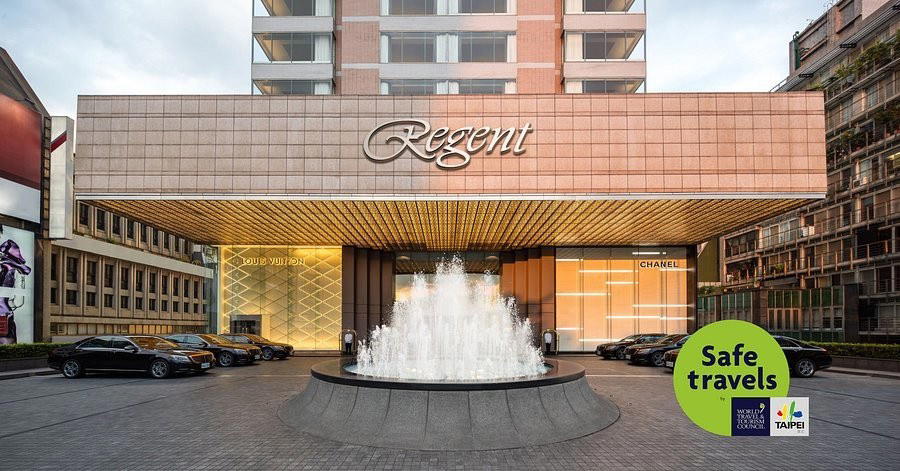
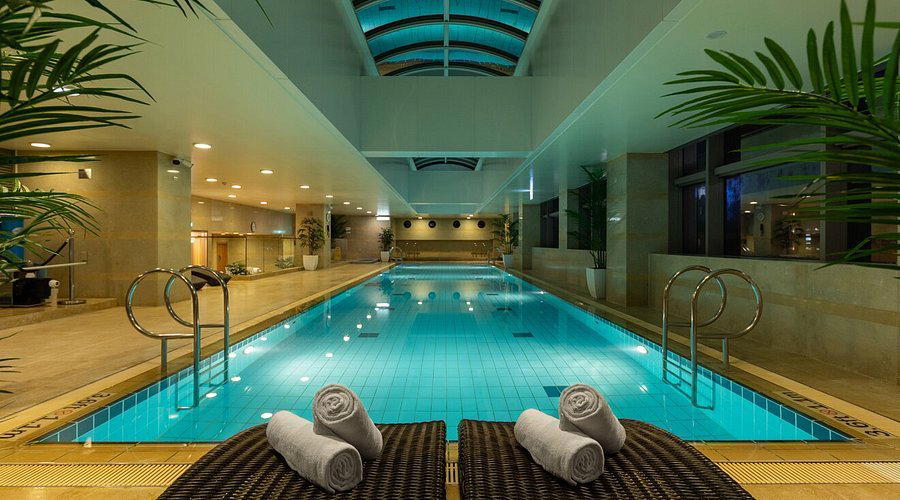
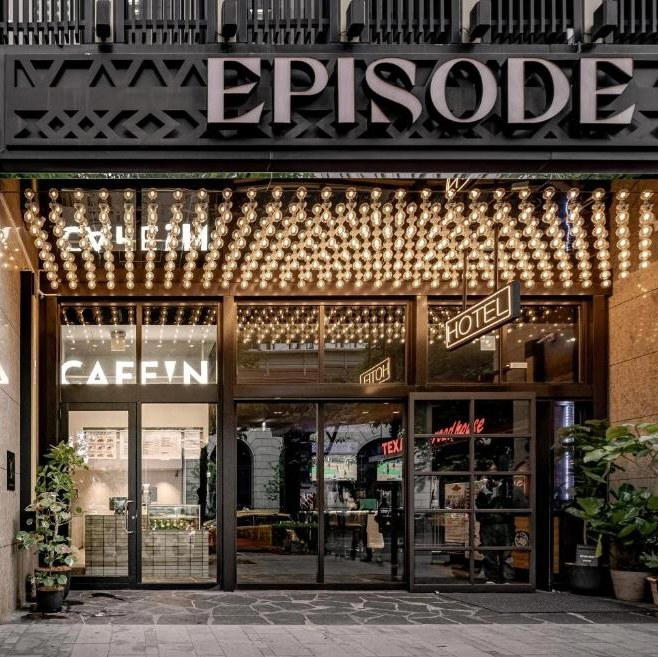
Hotels in Taipei
Browse all →

Wineries in Taipei
Browse all →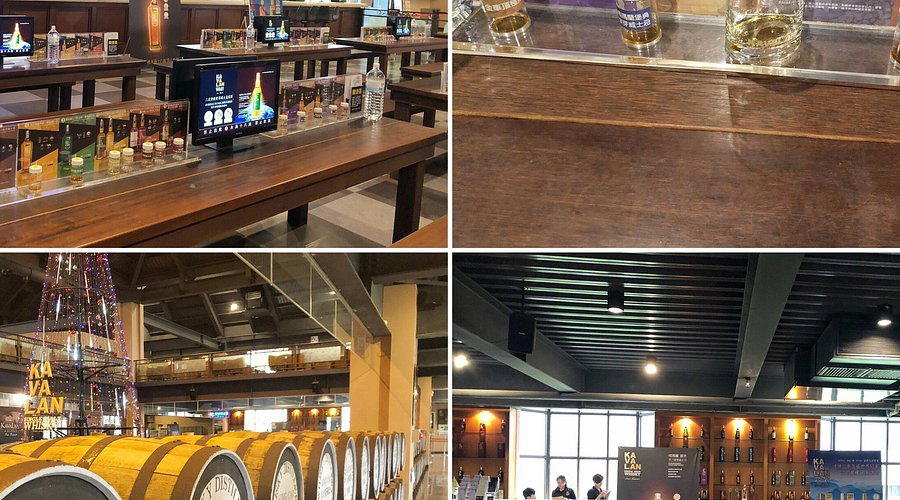
At a Glance
- Minimalist
- Intimate
- Cozy
- Solo
- Casual Hangout
- Open Kitchen
Current opening hours
- Monday
- Closed
- Tuesday
- Closed
- Wednesday
- 12–6 PM
- Thursday
- 12–6 PM
- Friday
- 12–6 PM
- Saturday
- 12–6 PM
- Sunday
- Closed
Hours can change for holidays and private events. Last verified .
Calm and confident atmosphere with counter seating close to the craft, steam rising gracefully, and curated silence between orders.