

1 Michelin Star · Star Wine List · The Best Chef One Knife
Our verdict
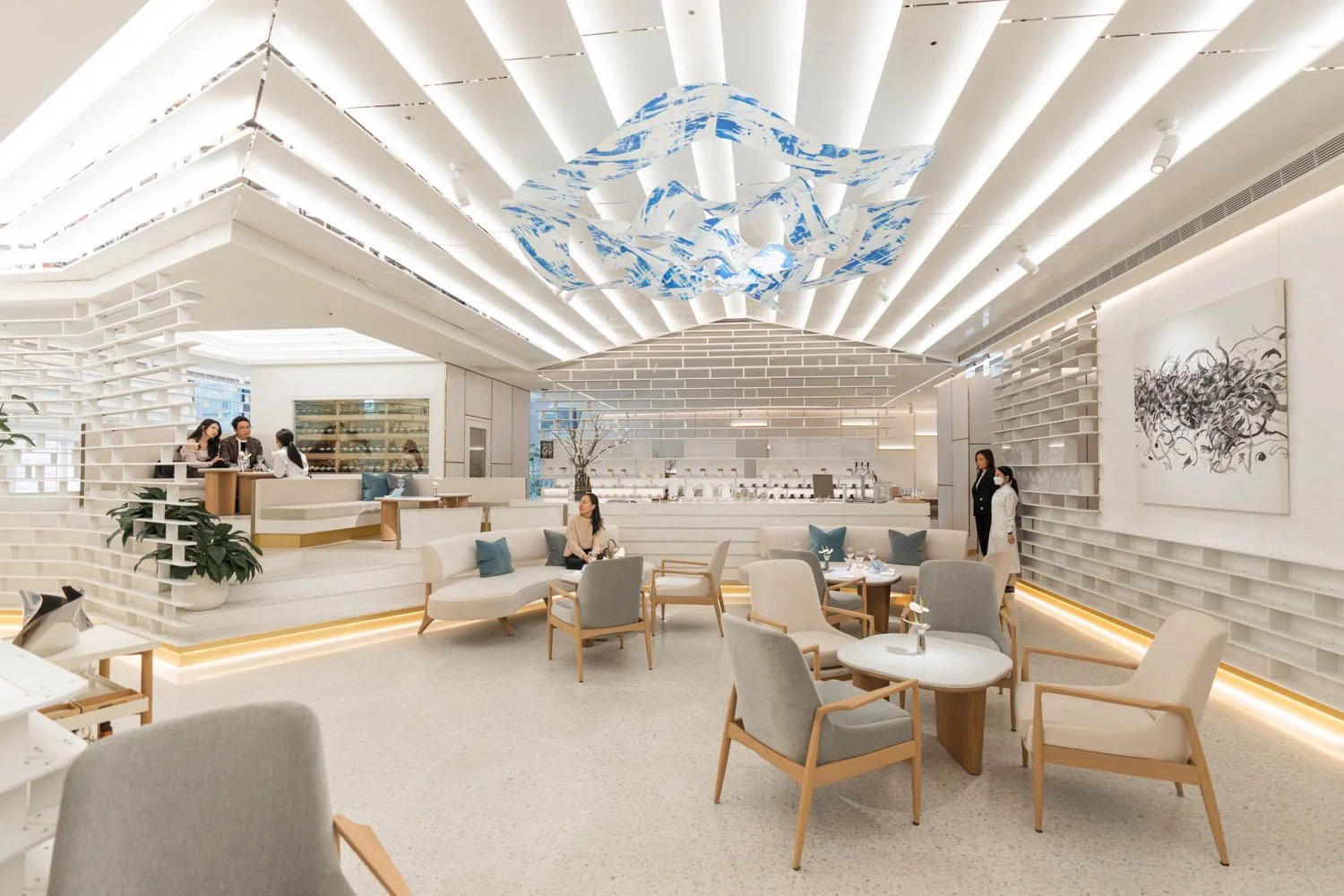
A Michelin-starred French contemporary restaurant in Taipei's Xinyi Anhe district, de nuit operates Tuesday through Sunday evenings, with weekend lunch service added. Chef Kei Koo leads an 8- or 10-course set menu rooted in classical French technique, driven by seasonal produce, and served in a room dressed in black, grey, and blue with brass trim and velvet upholstery.

Pearl is the En Primeur Club membership app — saves, bookings, and concierge access live there. Same editors, same standards.
- Address
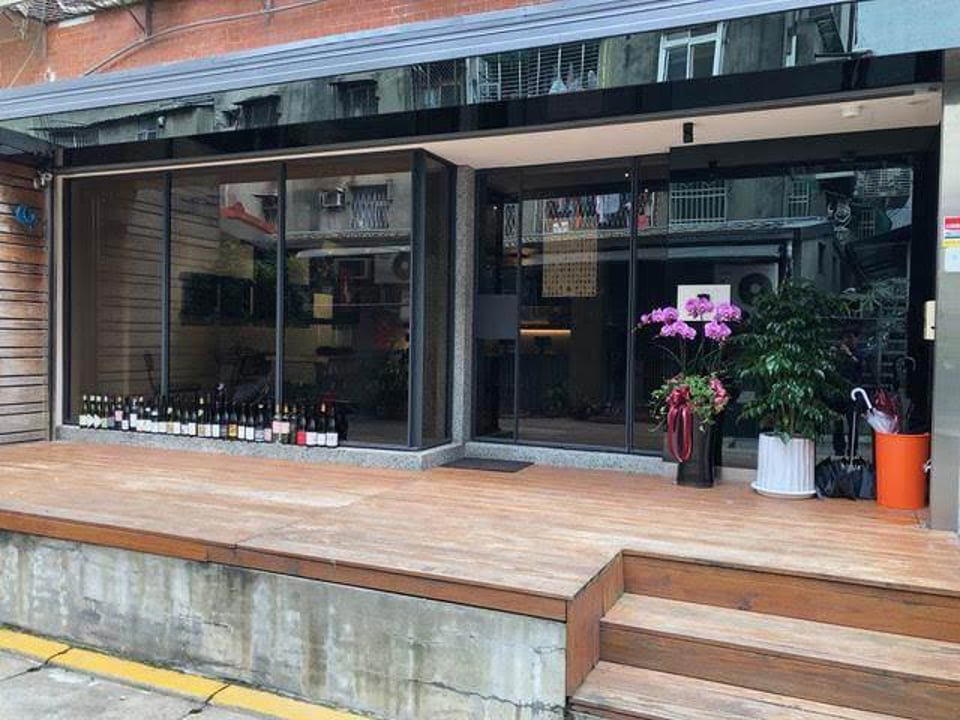
- No. 175號, Section 4, Xinyi Road, Da’an District, Taipei City, Taiwan 106
- Phone
- +886 2 2700 1958
- Hours
- Mon ClosedTue–Thu 6–10:30 PMFri–Sat 11:30 AM–3 PM, 6–10:30 PMSun Closed
- Website
- denuit.com.tw
- Directions
- Get directions
- Booking
- Book on the venue's website
A French Table After Dark in Da'an
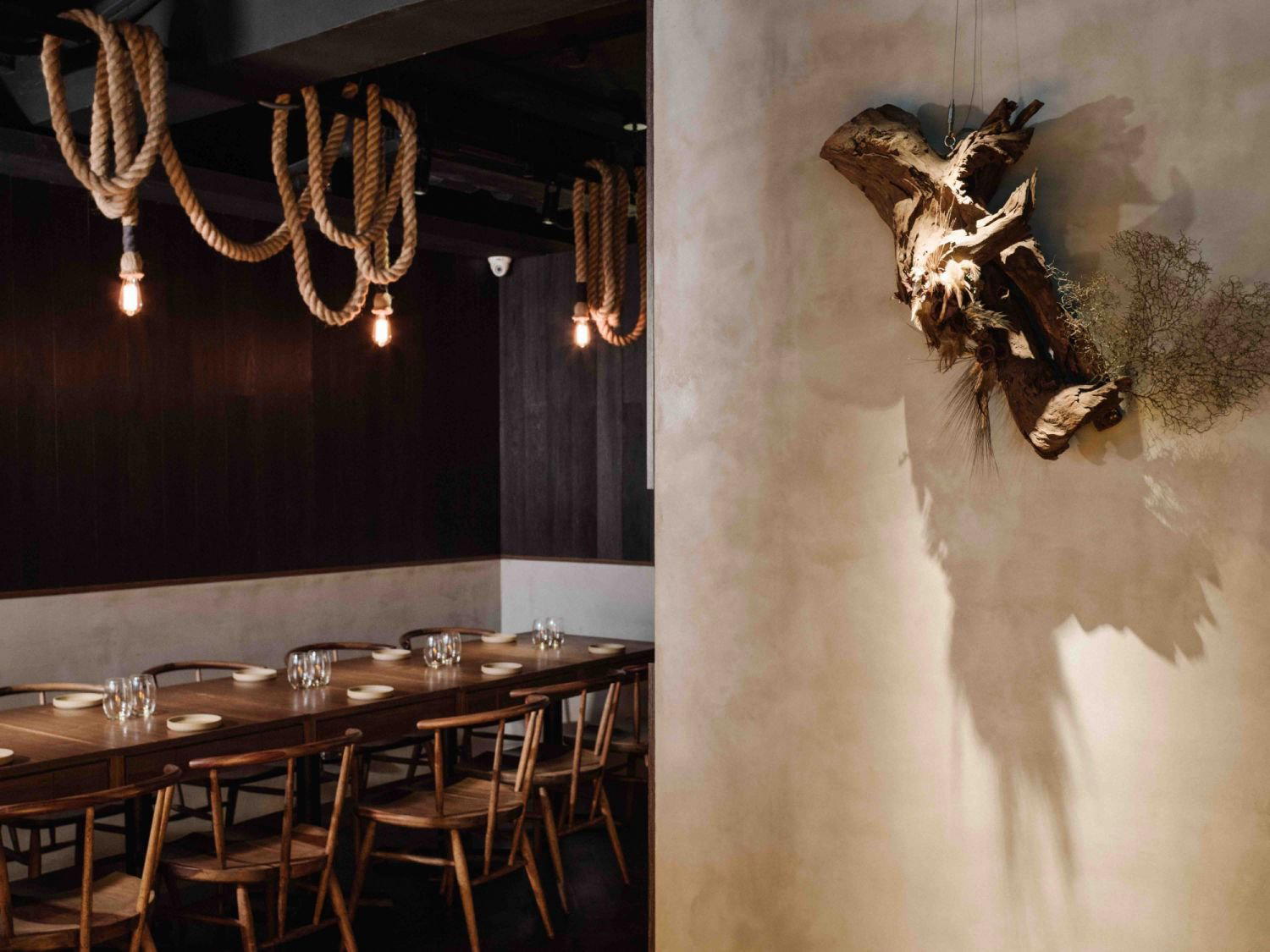
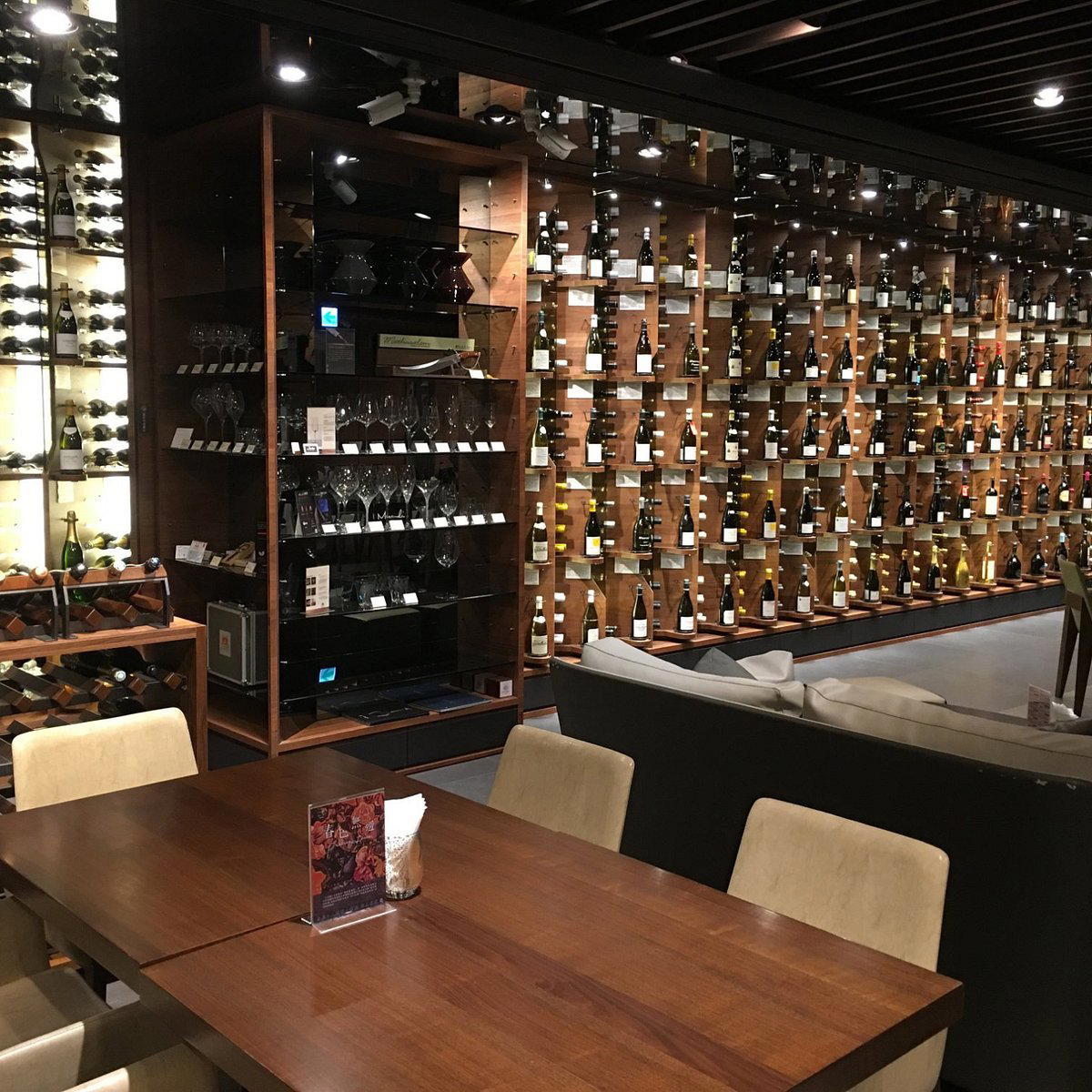
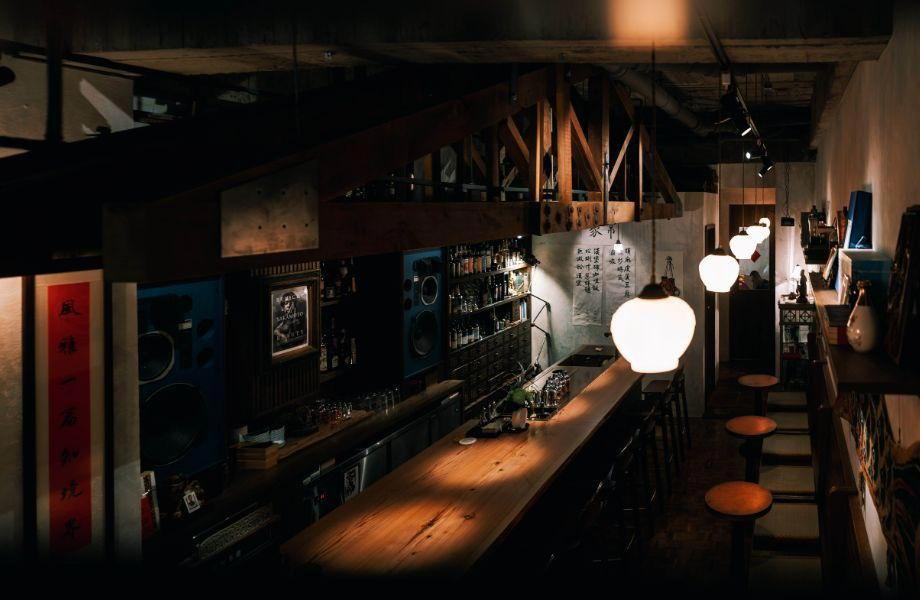
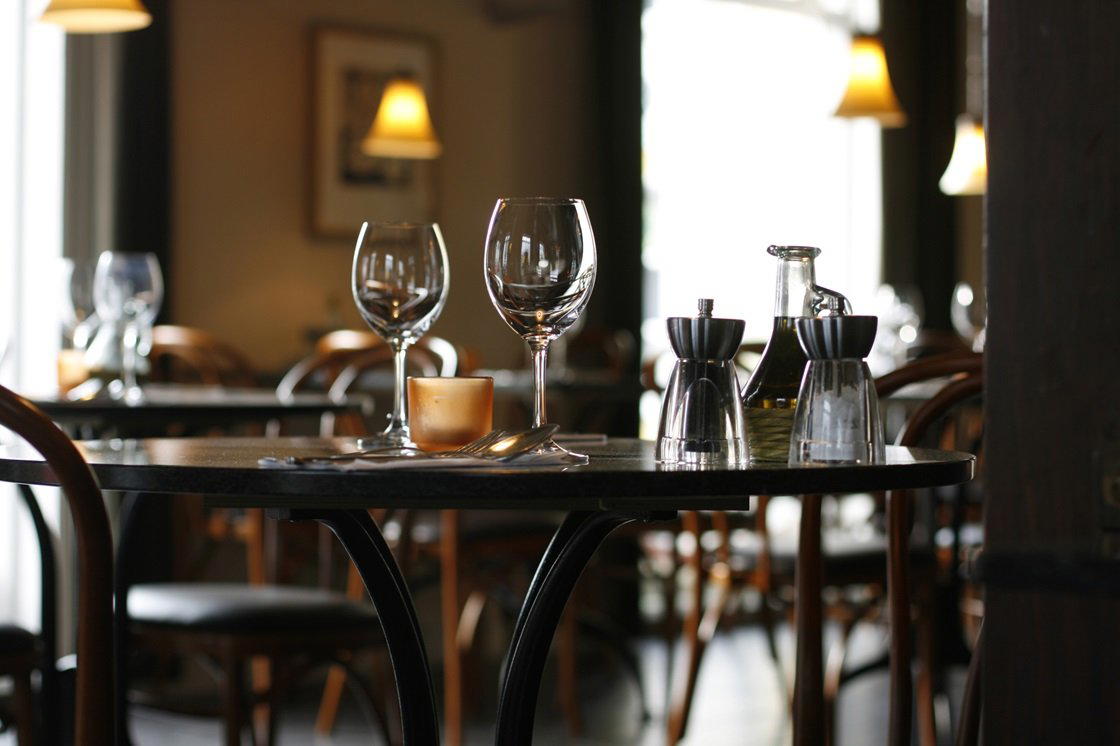
Xinyi Anhe has become one of Taipei's most concentrated stretches of serious dining, where French-influenced kitchens and technically ambitious menus cluster within a few blocks of each other. The district occupies a particular register in the city's restaurant hierarchy: expensive enough to signal occasion, residential enough to avoid the tourist circuit. De nuit, at No. 175 Section 4 Xinyi Road, sits squarely inside that character. The name — French for 'by night' — signals the kitchen's reference points before a guest has read a single dish description, and the room reinforces it: black, grey, and blue throughout, brass trim on fixtures, velvet upholstery on seating. It is a deliberate aesthetic, one that maps onto the mood of late-evening French dining rather than the brighter, more café-forward spaces that define the neighbourhood's lunch trade.
This is the editorial angle worth holding onto when considering where de nuit sits among Taipei's Michelin-starred restaurants. Xinyi Anhe has attracted starred kitchens across several cuisines, Clover and Cha Cha Thé Cuisine are nearby reference points, but French contemporary remains a relatively narrow lane in a city where the starred tier skews heavily toward Taiwanese, Cantonese, and Japanese formats. The three-star bracket is occupied by Taïrroir and Le Palais, kitchens working Taiwanese-French fusion and Cantonese respectively.
The Menu's Architecture
The 8- and 10-course set menus at de nuit are organised around French traditions, with seasonal produce driving the progression. The kitchen's approach is layering: textures and flavours built across courses with restraint rather than accumulation. Documented signatures from the Michelin inspectors include lamb with harissa and salmon with gooseberry, pairings that draw on classical French logic (acid against fat, spice against richness) while keeping ingredient sourcing current. The harissa pairing in particular reflects a broader movement in French contemporary kitchens across Asia, where North African and Middle Eastern aromatics have entered the French pantry as workable flavour bridges rather than novelty flourishes.
De nuit's single star places it below that bracket in formal recognition, but the format, evening-focused, set-menu-only, tasting-length progression, belongs to the same tradition. Robuchon au Dôme in Macau represents the classical Escoffier end of the spectrum; de nuit sits considerably closer to the contemporary, lighter-handed register.
Chef Kei Koo, who leads the kitchen, comes from Hong Kong, a background that carries specific culinary implications in this context. Hong Kong's high-end restaurant culture has long operated at the intersection of French technique and Asian ingredient sensibility, producing a generation of chefs trained in classical method but accustomed to working with produce and flavour profiles that depart from the Parisian reference. That cross-reference is visible in a menu that uses French architecture, course structure, sauce logic, plating geometry, while remaining open to ingredients that would read as unexpected in a more strictly orthodox kitchen. De nuit opened at the end of 2019 and earned its Michelin star within a few years of service, a trajectory that positions it as one of the more efficiently credentialed French openings in Taipei in the recent period.
Taipei's French Restaurant Scene in Context
French dining in Taipei occupies a different position than it does in, say, Tokyo or Hong Kong, where decades of apprenticeship culture and a larger pool of French-trained local chefs have produced a denser starred tier. Taipei's French contemporary entries tend to be newer establishments, often led by chefs with regional rather than strictly French training histories, and positioned against a market that still gives its highest occupancy and cultural prestige to Japanese and Taiwanese formats. Paris 1930 de Hideki Takayama approaches the French tradition from a Japanese chef's perspective, while 16 by Flo represents a more accessible price tier within the same culinary category. De nuit, at the $$$$ price level with a Michelin star and a tasting-menu-only format, occupies the premium end of the French contemporary segment in the city.
The comparison with A, another Taipei entry in the serious tasting-menu tier, is instructive: both kitchens operate set menus at a similar price point, but the culinary grammar is different enough that they serve largely non-overlapping preferences. De nuit's French specificity, in technique, in flavour logic, in the room's aesthetic language, means it is chosen deliberately rather than as a default for the occasion-dining category.
For readers building a broader picture of Taiwan's fine dining circuit, the starred tier extends well beyond Taipei. JL Studio in Taichung and GEN in Kaohsiung demonstrate how the country's Michelin recognition has spread south, while Tainan's A Cun Beef Soup and Wutai Township's Akame represent entirely different ends of the culinary spectrum. The mountain resort dining at Volando Urai Spring Spa and Resort in Wulai District offers a further contrast. De nuit sits at a specific coordinate within that spread: urban, nocturnal, European in reference, and calibrated for guests whose frame of reference is French technique rather than local ingredient narrative.
Planning a Visit
De nuit operates Tuesday through Thursday for dinner only, from 6 PM to 10:30 PM. Friday and Saturday extend to lunch service as well, running 11:30 AM to 3 PM before the evening sitting. The restaurant is closed Sunday and Monday. The address, No. 175 Section 4 Xinyi Road, Da'an District, places it in the Xinyi Anhe corridor, accessible by MRT via Xinyi Anhe Station. The $$$$ price designation reflects a tasting-menu format at a premium Taipei price point; the 8- and 10-course menu structure means a full evening commitment of two hours or more is the appropriate expectation. Booking details and current availability are not published here, but the relatively small size implied by a focused tasting-menu kitchen at this tier means advance planning is the practical approach. For further context on where de nuit sits within the broader dining options across the city, see our full Taipei restaurants guide. Those building a complete Taipei itinerary will also find depth in our Taipei hotels guide, our Taipei bars guide, our Taipei wineries guide, and our Taipei experiences guide.
Frequently asked questions
What kind of recognition has de nuit received?
de nuit has received recognition including: De Nuit opened in Taipei’s Xinyi Anhe district at the end of 2019 and has since been awarded one Michelin star. Chef Kei Koo showcases the contours of contemporary French cuisine, creating a variety o...; Chef: Kei Koo document.addEventList….
What kind of cuisine does de nuit serve?
What's the best thing to order at de nuit?
De nuit operates on set menus only — an 8-course or a 10-course progression — so ordering à la carte is not an option. The Michelin inspectors have specifically noted signatures built around layered textures and seasonal contrasts, citing dishes like lamb with harissa and salmon with gooseberry as representative of Chef Kei Koo's French-rooted approach. If the choice between the two formats is the question, the 10-course gives a fuller read of how the kitchen sequences flavour across an evening.
What price level is de nuit?
Pricing at de nuit is listed as $$$$.
Is de nuit open every day?
Hours at de nuit: Monday closed Tuesday 6 PM-10:30 PM Wednesday 6 PM-10:30 PM Thursday 6 PM-10:30 PM Friday 11:30 AM-3 PM 6 PM-10:30 PM Saturday 11:30 AM-3 PM 6 PM-10:30 PM Sunday closed.
Where exactly is de nuit?
de nuit is located at No. 175號, Section 4, Xinyi Road, Da’an District, Taipei City, Taiwan 106, Taipei.
Is de nuit chef-led?
The chef associated with de nuit is Kei Koo.
Reputation First
A small set of peers for context, based on recorded venue fields.
| Venue | Cuisine | Price | Awards | Notes |
|---|---|---|---|---|
| de nuitThis venue — the venue you are viewing | Contemporary French | $150–200 | 1 Michelin Star · Star Wine List | Not listed |
| logy | Modern Japanese-Taiwanese Fusion Omakase | $100–150 | 2 Michelin Stars · World's 50 Best #22 | Modern European, Asian Contemporary |
| Le Palais | Fine Dining Cantonese | $150–200 | 3 Michelin Stars · La Liste Top Restaurants | Cantonese |
| Taïrroir | Taiwanese-French Fusion Fine Dining | $150–200 | 3 Michelin Stars · La Liste Top Restaurants | Taiwanese/French, Taiwanese contemporary |
| Mudan Tempura | Michelin-Starred Tempura | Not listed | 2 Michelin Stars · La Liste Top Restaurants | Tempura |
| Golden Formosa | Traditional Taiwanese | $20–30 | 1 Michelin Star | Taiwanese |
Recognition history
Dated appearances from independent guides and award organizations, with the underlying list record or original source where available.
Michelin 1 Star
Michelin
Star Wine List
Star Wine List
Opinionated About Dining Top Restaurants in Asia Recommended
Opinionated About Dining
The Best Chef One Knife
The Best Chef
Full recognition history (6 entries)
Michelin 1 Star
Michelin
Michelin 1 Star
Michelin