Michelin Plate
Our verdict
Sushi Nanami sits in the upper tier of Taipei's omakase circuit, occupying a discreet address in Xinyi District that mirrors the format's preference for privacy over visibility.

Pearl is the En Primeur Club membership app, where members save venues, book tables and use the concierge.
The menu
What to order
- Omakase sushi selection featuring seasonal fish
- Delicate sashimi
- Artfully crafted desserts
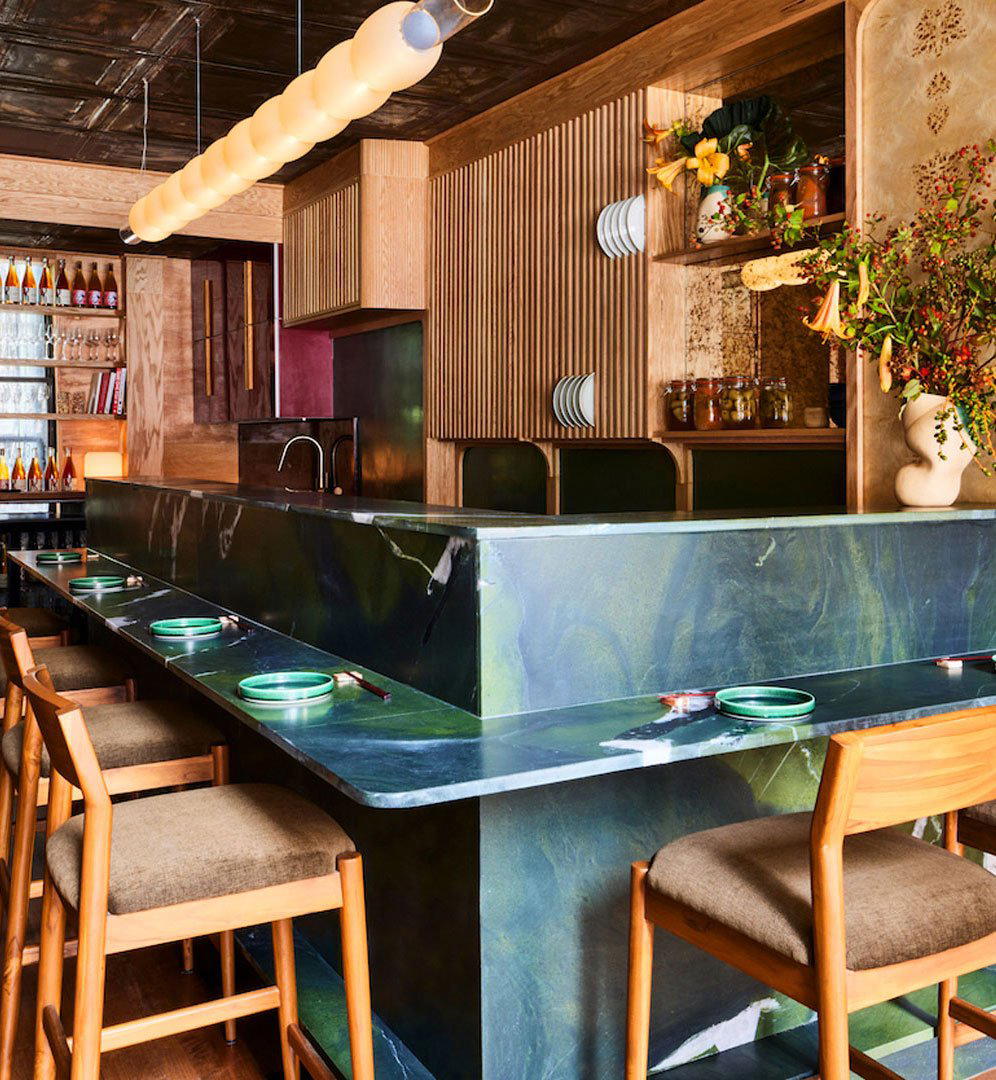
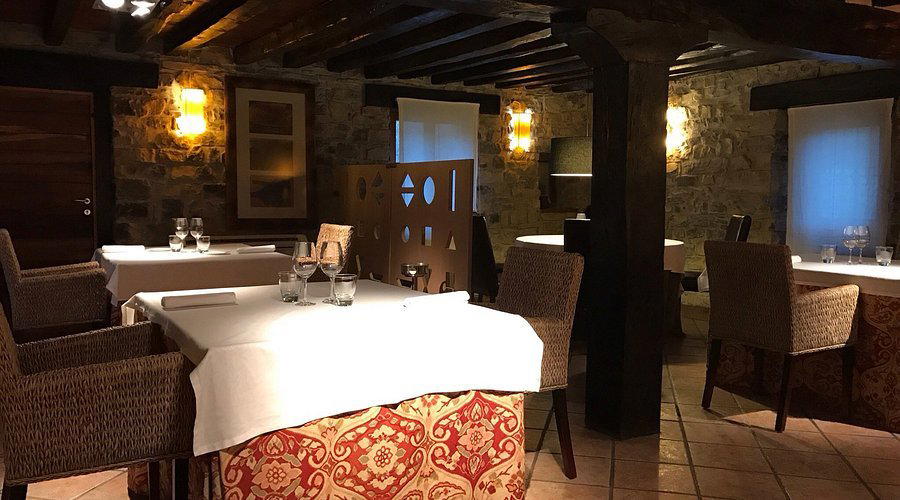
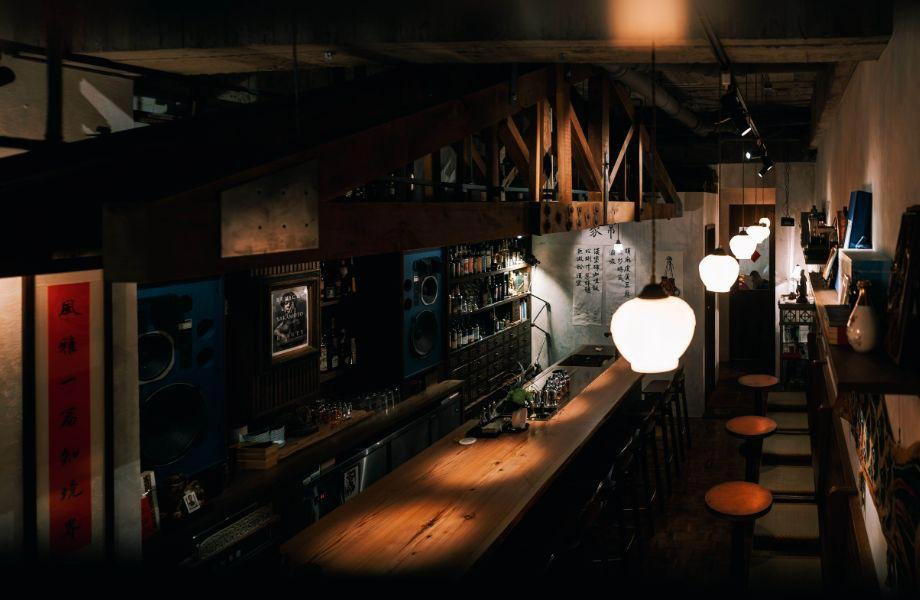
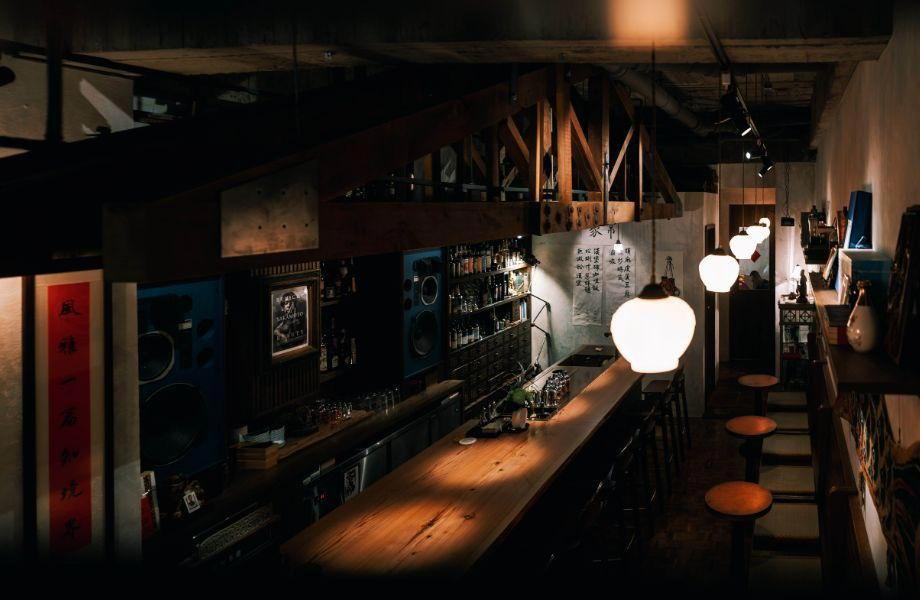
The Space as Statement: Omakase Architecture in Xinyi
Lane 452 off Section 4 of Ren'ai Road sits in the quieter residential-commercial seam of Xinyi District, where the glossy towers of Taipei 101 recede and the street scale drops. Arriving at an omakase counter in this part of the city involves a deliberate step away from the obvious, and that spatial logic is part of the dining proposition before you even sit down. The address on a numbered lane rather than a main boulevard signals exactly what the format demands: minimal signage, controlled foot traffic, and an interior that does the communicating the exterior refuses to do.
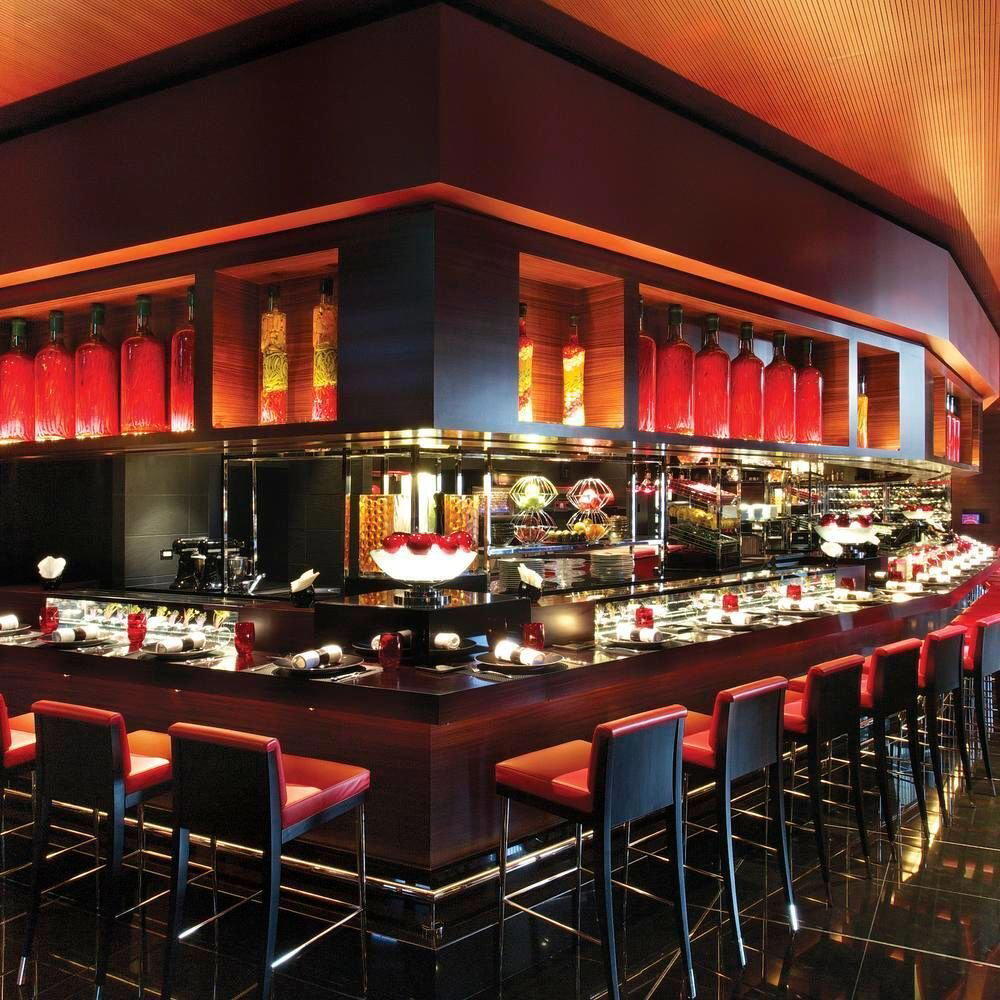
The physical design philosophy of Tokyo-lineage omakase counters, those that have transplanted the format into Taipei over the past decade, tends to converge on the same principles: pale wood, low-glare lighting, counter seating arranged to put the preparation surface at eye level, and a compression of space that forces attention onto what the chef is doing. These are not accident or aesthetic trend; they are functional requirements of a format where the counter is simultaneously kitchen, stage, and dining room. Sushi Nanami operates within that tradition, placing the guest in proximity to the work rather than at a remove from it.
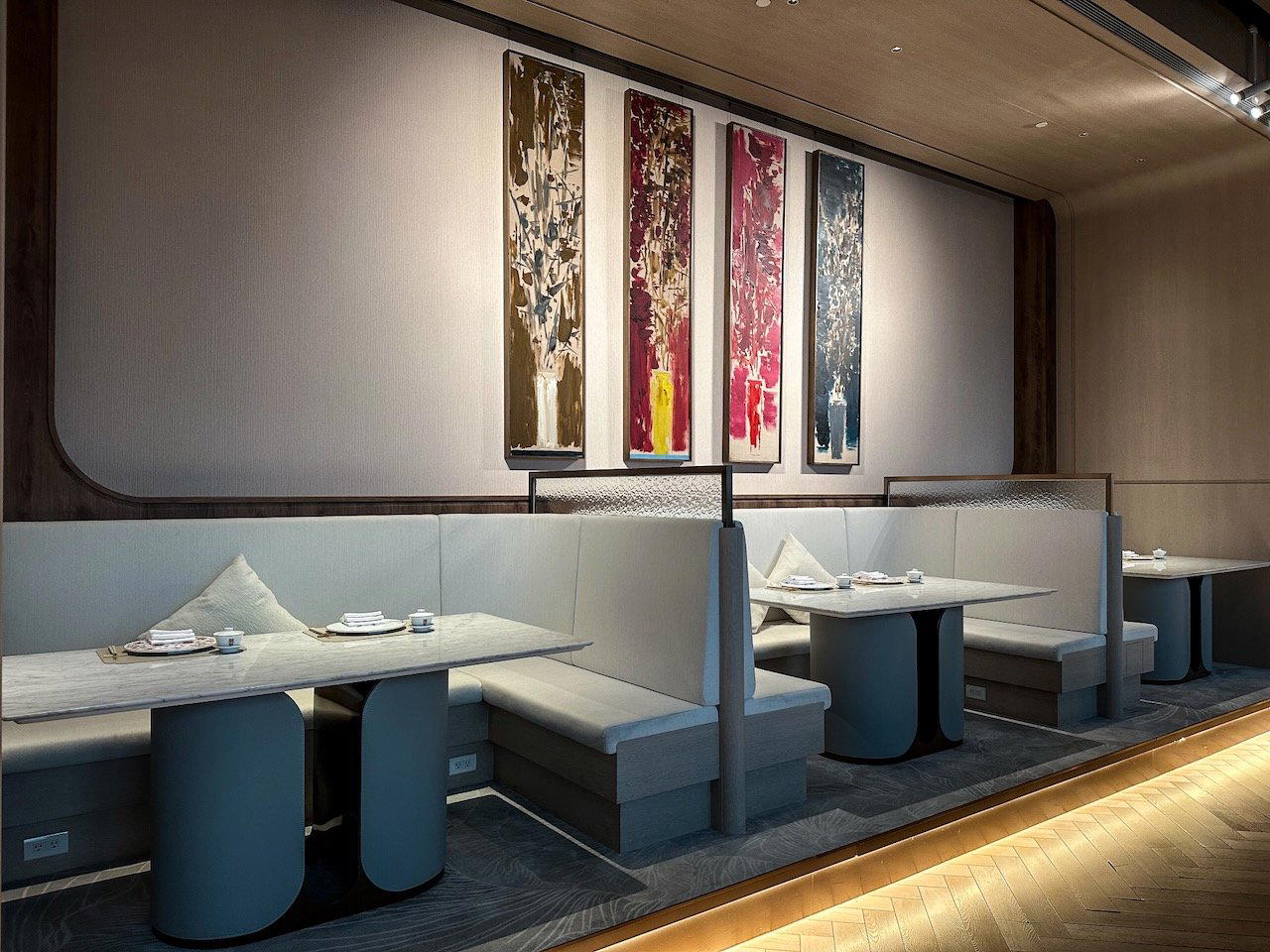
This matters because Taipei's high-end Japanese segment has bifurcated. One cohort favours the larger, hotel-based format, spacious rooms, room for a sake trolley, separation between kitchen and guest. The other, where Sushi Nanami sits, compresses everything. The room exists to hold the counter. The counter exists to hold the exchange between preparation and guest. That distinction is architectural before it is culinary, and it shapes the entire experience that follows.
Taipei's Omakase Circuit: Where This Counter Fits
Taipei has assembled one of Asia's more serious concentrations of Japanese counter dining outside Japan itself. The reasons are partly historical, Taiwan's long cultural proximity to Japan, sustained through culinary migration and ingredient sourcing relationships, and partly economic, as the city's $$$$ dining tier expanded through the 2010s to absorb a range of counter formats that would have had few peers a generation earlier.
Within that tier, the Michelin Plate designation that Sushi Nanami received in 2024 places it in a specific bracket: recognized by the guide's inspection process as a kitchen producing food of consistent quality, but operating below the starred cohort. In practical terms this means it shares a competitive set with counters like Sushi Akira, Sushi Ryu, Qi 27 (Sushi 27), and Sasa, all operating at the same price point, all drawing from the same pool of guests who rotate through Taipei's counter circuit with some regularity. Kitcho represents a further reference point for guests mapping the full range of Japanese fine dining in the city.
The score itself is consistent with a kitchen that executes reliably rather than erratically.
For context on how Taipei's counter culture compares regionally, the conversation inevitably pulls toward Tokyo as the reference city. Counters like Harutaka in Tokyo define the upper register of the format. Sushi Shikon in Hong Kong and Shoukouwa in Singapore represent how other Asian cities have absorbed and formalized the omakase export. Taipei's version has its own character: ingredient sourcing is split between Japanese imports (bluefin, sea urchin, quality shellfish) and Taiwanese domestic produce that holds genuine interest, particularly during seasons when local catch quality competes with anything crossing the strait.
The Cuisine: Counter Format and Seasonal Logic
The omakase structure that Sushi Nanami operates within is defined by sequence rather than choice. Guests follow a progression determined by the kitchen, typically moving through lighter preparations toward richer cuts, with nigiri as the main event and soup marking the close. What distinguishes counters within this shared structure is the quality of sourcing, the precision of rice temperature and seasoning, and the judgment applied to aging and resting fish before service.
Taiwan's seasonal rhythms add a layer that Tokyo-centric omakase framing sometimes underweights. Spring brings different local catch profiles than autumn; summer in Taipei alters what arrives fresh at the counter versus what has traveled. Guests visiting between October and March will generally find the combination of imported Japanese product and local winter catch at its most coherent, a period when the counter's sourcing decisions are most legible to an attentive diner.
Taipei's broader fine-dining context is worth holding in mind. The city's $$$$ tier spans cuisines well beyond Japanese counter formats: Kitcho extends the Japanese register further; Cantonese precision is available at Le Palais; modern Taiwanese expression appears at Taïrroir. Guests building a multi-dinner itinerary will find Sushi Nanami occupies a specific niche within a varied scene rather than competing across all categories.
Taiwan Beyond Taipei: The Wider Table
A serious eating itinerary through Taiwan reaches well past Taipei's Xinyi counters. JL Studio in Taichung represents a different formal register entirely, with its Southeast Asian-inflected tasting menu drawing sustained international attention. GEN in Kaohsiung anchors the south. A Cun Beef Soup in Tainan offers a useful corrective to the idea that premium eating in Taiwan means Japanese counter formats. Akame in Wutai Township extends the reach into indigenous Taiwanese cooking with serious critical recognition. For those extending a visit into nature, Volando Urai Spring Spa and Resort in Wulai District sits within reach of Taipei.
For planning the Taipei portion of any itinerary, our full Taipei restaurants guide covers the range across cuisine types and price tiers. Our Taipei hotels guide, bars guide, wineries guide, and experiences guide round out the planning picture for guests spending serious time in the city.
Know Before You Go
| Detail | Information |
|---|---|
| Address | No. 6, Lane 452, Section 4, Ren'ai Road, Xinyi District, Taipei |
| Cuisine | Omakase Sushi |
| Price Range | $$$$ |
| Awards | Michelin Plate (2024) |
| Booking | Advance reservation strongly advised for this format and price tier |
| Hours |
Frequently Asked Questions
Frequently asked questions
Is Sushi Nanami more mid-range or high-end?
Pricing at Sushi Nanami is listed as $$$$.
How would you describe the cuisine at Sushi Nanami?
Is Sushi Nanami Michelin-listed?
Sushi Nanami has received recognition including: Michelin Plate (2024).
What's the signature dish at Sushi Nanami?
The Michelin Plate recognition Sushi Nanami received in 2024 confirms the kitchen's technical consistency, but specific dishes are determined by the omakase sequence and what the market delivers seasonally. Omakase by definition means the counter sets the progression, so no single dish is fixed or promoted as a signature. At the $$$$ price tier in Taipei's Xinyi District, expect a structured multi-course format where the fish selection shifts with availability rather than a menu printed in advance.
Where is Sushi Nanami in Taipei?
Sushi Nanami is located at No. 6號, Lane 452, Section 4, Ren'ai Rd, Xinyi District, Taipei City, Taiwan 110, Taipei.
Do they take walk-ins at Sushi Nanami?
Walk-ins are structurally incompatible with omakase counter dining at the $$$$ tier. Each seat on a counter like Sushi Nanami's is allocated to a specific booking so the kitchen can source and prepare with precision. Plan ahead and check the venue's official channels through the address on Lane 452, Section 4, Ren'ai Road, Xinyi District to arrange a reservation.
City Peers
Comparable venues nearby, for context on price, style, and recognition.
| Venue | Cuisine | Price | Awards | Notes |
|---|---|---|---|---|
| Sushi NanamiThis venue (the venue you are viewing) | Premium Japanese Omakase | Not listed | Michelin Plate | Not listed |
| Baho (Da'an) | Japanese Wagyu Yakiniku | $50–100 | Michelin Plate | Dun'an |
| Wamaki | Japanese Kappo with Taiwanese Ingredients | $50–100 | Michelin Plate | Zhuyuan |
| Zan | Japanese Teppanyaki | Not listed | Michelin Plate | Fude |
| Sasa | Traditional Edomae Omakase | $100–150 | Michelin Plate | Zhongshan |
| 鮨 天本 | Japanese Cafe | Not listed | Not listed | Zhengsheng |
Recognition history
Dated appearances from independent guides and award organizations, with the underlying list record or original source where available.
Michelin Plate
Michelin