On Shabazi Street in Tel Aviv's Neve Tzedek quarter, Dallal occupies one of the neighbourhood's most recognisable historic buildings, drawing a crowd that comes for the all-day dining format and a wine list with genuine depth. The kitchen leans into the Mediterranean-Levantine register that defines this part of the city, while the courtyard setting gives the whole operation a particular character that few addresses in Tel Aviv can match.
Pearl is the En Primeur Club membership app — saves, bookings, and concierge access live there. Same editors, same standards.
- Address
- Shabazi St 10, Tel Aviv-Yafo, Israel
- Phone
- +97235109292
- Website
- dallal.co.il
- Directions
- Get directions
 Saves & bookings on Pearl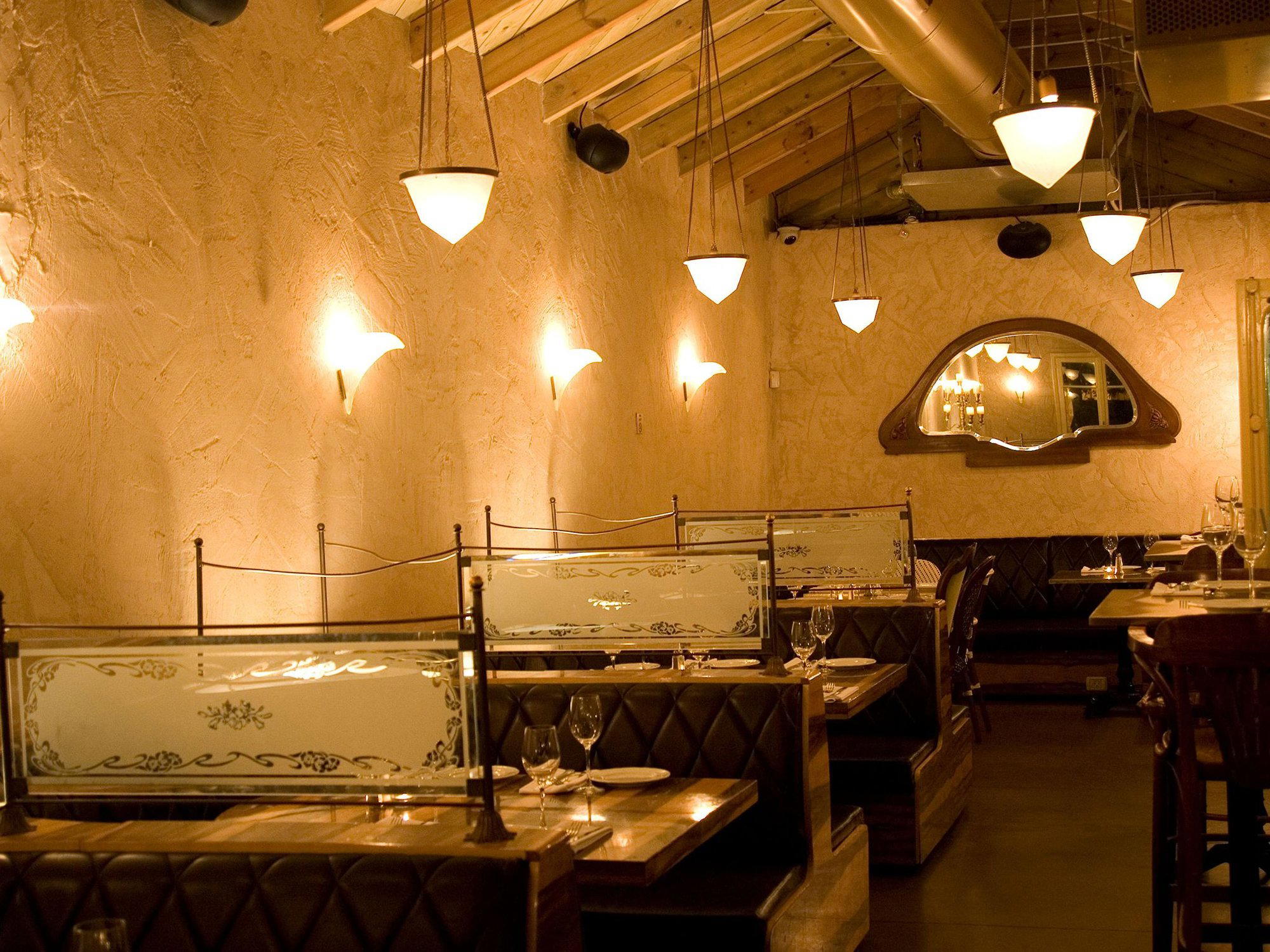
Neve Tzedek and the Address That Shapes the Room
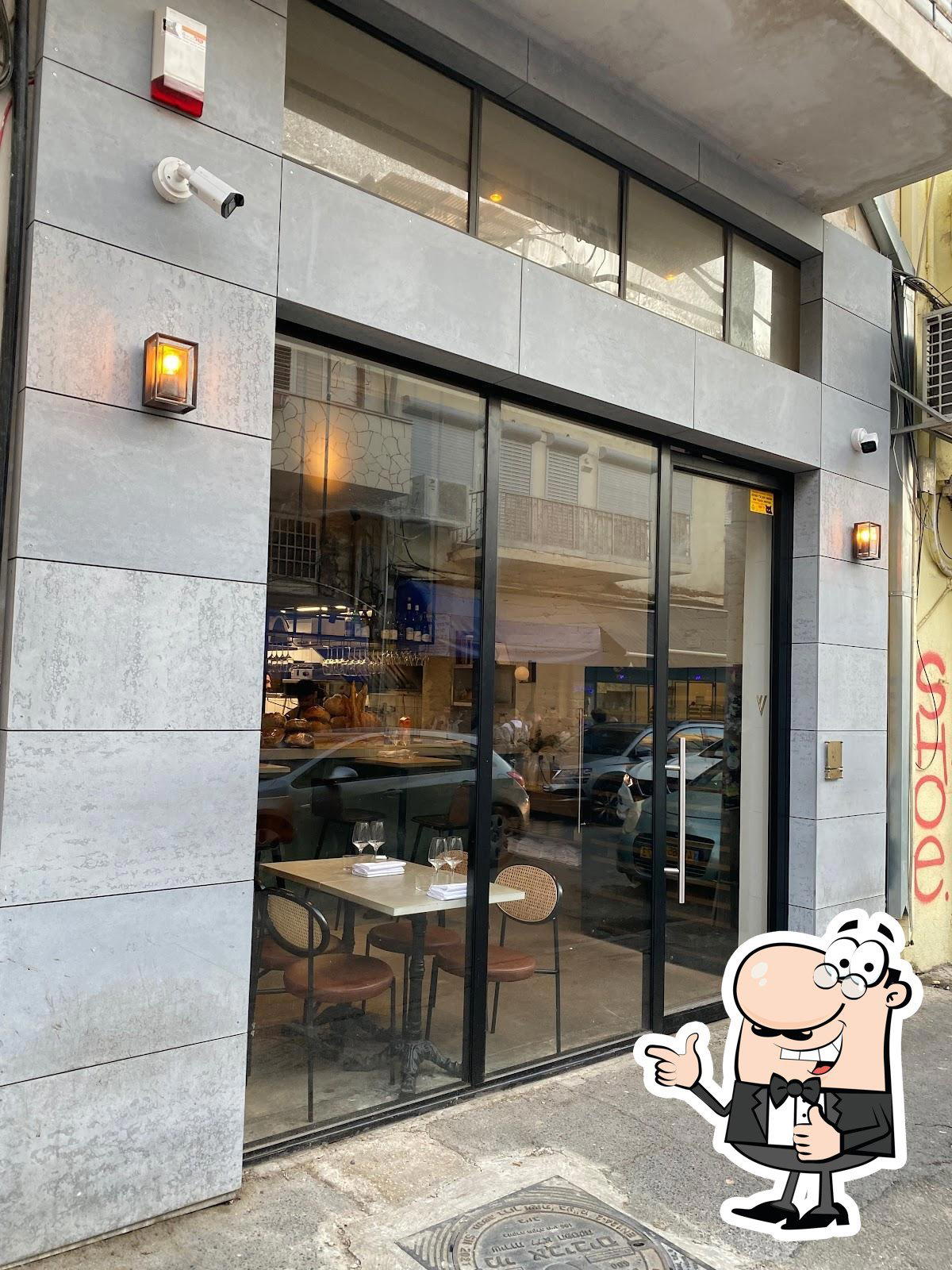
Shabazi Street runs through the heart of Neve Tzedek, Tel Aviv's oldest neighbourhood and the one that most consistently attracts the city's design-conscious dining crowd. The street itself is narrow, lined with restored Ottoman-era buildings, and the approach to Dallal on foot gives you the measure of the place before you sit down: a preserved stone facade, a courtyard that opens into the restaurant's interior, and the particular quality of afternoon light that makes this corner of the city worth walking slowly through. In a city where new openings cluster around Rothschild Boulevard and the market districts, Neve Tzedek operates as a quieter counterpoint, and Dallal has long been part of the reason people make the detour.
The neighbourhood itself sets expectations that the room sustains. Neve Tzedek was Tel Aviv's first residential quarter outside Jaffa, and its architecture reflects that layered history, with Ottoman stonework alongside early 20th-century construction. Restaurants that work well here tend to read as extensions of the built environment rather than impositions on it. Dallal fits that description, with an interior that feels calibrated to the scale of the building rather than squeezed into it.
The Wine Conversation in Tel Aviv's Better Dining Rooms
Israeli wine has undergone a structural shift over the past two decades. The industry moved from bulk production toward smaller-batch, terroir-aware bottlings, particularly from the Galilee highlands and the Judean Hills, and the better restaurant wine programs in Tel Aviv have tracked that shift closely. The dining rooms that have kept pace with this change offer something more than a token local selection beside a predictable European list: they treat Israeli wine as a primary category, not a novelty.
Dallal's wine program positions it within this more attentive tier of Tel Aviv restaurants. The Neve Tzedek address, with its long-established reputation for quality dining rather than quick-turnover casual eating, supports a wine list that can be read seriously. In the broader context of Israeli fine dining, where sommeliers at the stronger urban addresses are increasingly pulling from small Galilee producers alongside Bordeaux and Burgundy selections, a wine list with genuine curation depth matters as a signal of where a restaurant places itself in the competitive set. For the reader who approaches a restaurant through its wine program, Dallal warrants attention on that basis.
The Israeli wine category worth knowing before you sit down: look for bottles from the Judean Hills appellation, where altitude and limestone soils produce whites and reds with considerably more restraint than the country's warmer coastal zones, and for producers working with indigenous varieties alongside international ones. A wine list that ranges across these sub-regions tells you the program has been assembled with some intentionality. Compare this with peers like Alena at The Norman, where the wine offer is structured around the hotel's broader luxury positioning, or Aria, which takes a different approach to the Mediterranean-European overlap.
What the Kitchen Is Working With
Tel Aviv's restaurant scene has consolidated around a Mediterranean-Levantine core: shared plates, vegetables treated with the same attention as protein, and an instinct toward the wood-fired and the pickled. It is a cuisine shaped by proximity to the Carmel Market, by the city's demographics, and by a generation of chefs who trained abroad and came back to cook in an idiom that felt local. The better addresses in this category are not doing fusion in any diluted sense; they are working with a genuine regional tradition that happens to sit at the intersection of several culinary histories.
Dallal operates within this frame. The all-day format, which is characteristic of the Neve Tzedek dining culture, means the kitchen covers more ground than a dinner-only tasting menu operation. Brunch crowds on Fridays, the traditional Israeli start-of-weekend, shift into dinner service by early evening, and the wine list functions across both registers. This differs from the tighter, more theatre-driven format of a place like Abie, and from the market-adjacent informality of Azura. Dallal sits in the middle tier: ambitious without the rigidity of a structured tasting menu, casual without the roughness of a market stall.
For broader context on how Tel Aviv's dining scene compares to other Israeli cities, the contrast is instructive. Chakra in Jerusalem occupies a comparable position in that city's more conservative dining culture, while coastal restaurants like Uri Buri in Acre and Helena in Caesarea take the seafood-led Mediterranean approach in a very different physical setting. Tel Aviv's advantage is density: the city packs more serious dining into a small area than anywhere else in Israel, which means competition is direct and restaurants are under pressure to be specific about what they do.
Planning the Visit
Neve Tzedek is walkable from the southern end of Rothschild Boulevard and from the old port of Jaffa, making Dallal a practical choice for visitors staying in central Tel Aviv who want to combine a meal with a walk through the neighbourhood. The address on Shabazi Street is well-known locally, and the building is easy to identify. Friday is the high-demand day across all Neve Tzedek restaurants, and the lunch-into-dinner transition period fills quickly; booking ahead for Friday, and for Saturday evening once the Sabbath ends, is the sensible approach regardless of how busy the room looks online on other days.
For those building a wider itinerary across Israel, the full Tel Aviv restaurants guide covers the city's range in more depth. For dining outside Tel Aviv, Majda in Har Nof and Abu Hassan in Jaffa represent very different expressions of the region's culinary range, the former a destination restaurant with a particular cultural narrative, the latter a hummus institution that operates on different terms entirely. For international comparison points on what serious wine-led dining looks like at the highest level, Le Bernardin in New York City and Lazy Bear in San Francisco offer reference points, though the Tel Aviv context is distinct enough that direct comparisons are limited to format rather than food.
Other Israeli addresses worth considering alongside Dallal for a broader trip: Pescado in Ashdod, Herbert Samuel Herzliya, and Diana in Nazareth each sit in different city contexts and serve different functions in a regional itinerary. מידס in Ashqelon and Burger 232 in Maggen represent the more casual end of the spectrum for comparison. The a listing rounds out the Tel Aviv picture for readers building a multi-stop itinerary.
How Dallal Restaurant Tel Aviv compares with similar nearby venues.
| Venue | Cuisine |
|---|---|
| Popina | Israeli Cuisine |
Continue exploring
More in Tel Aviv
Restaurants in Tel Aviv
Browse all →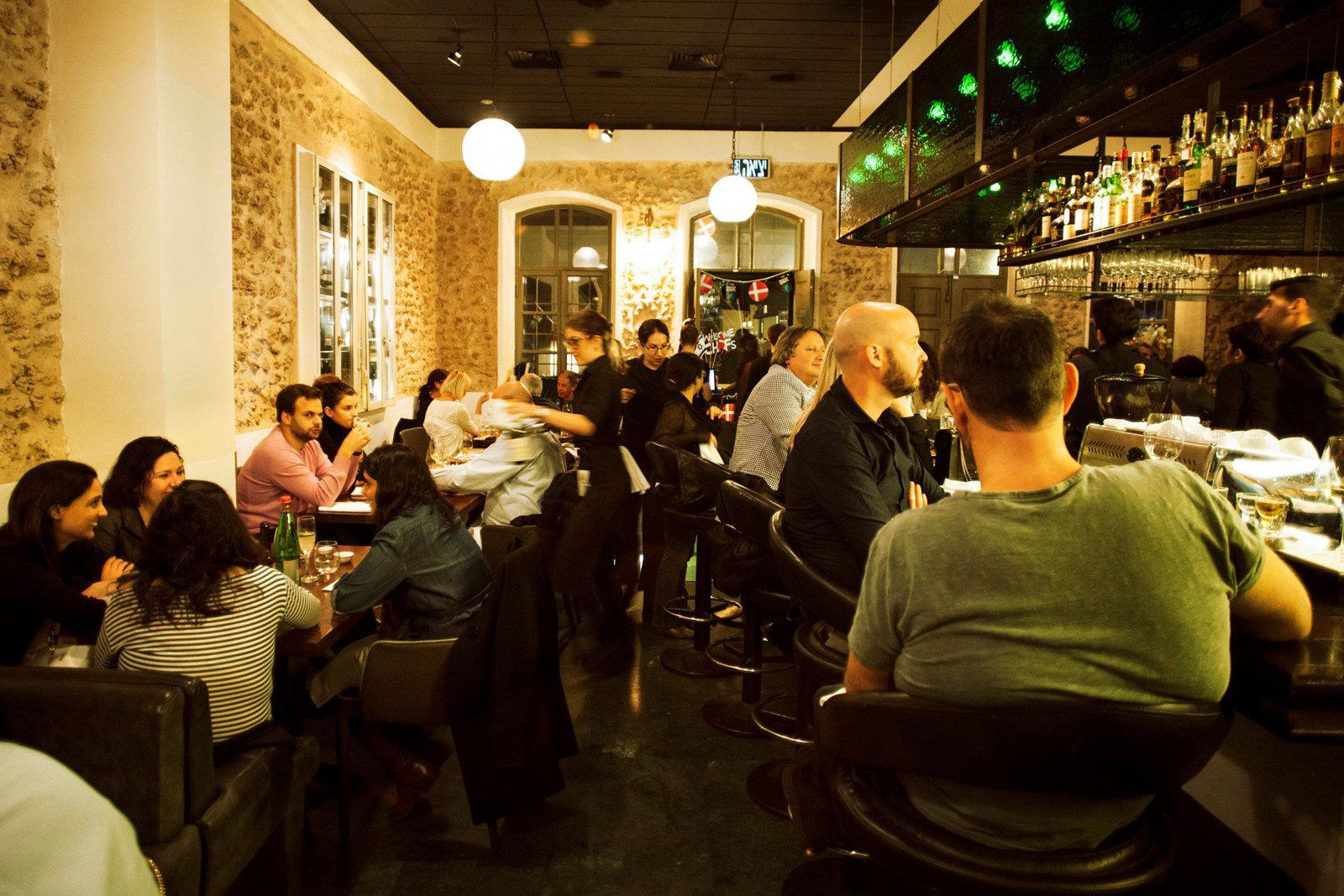
Bars in Tel Aviv
Browse all →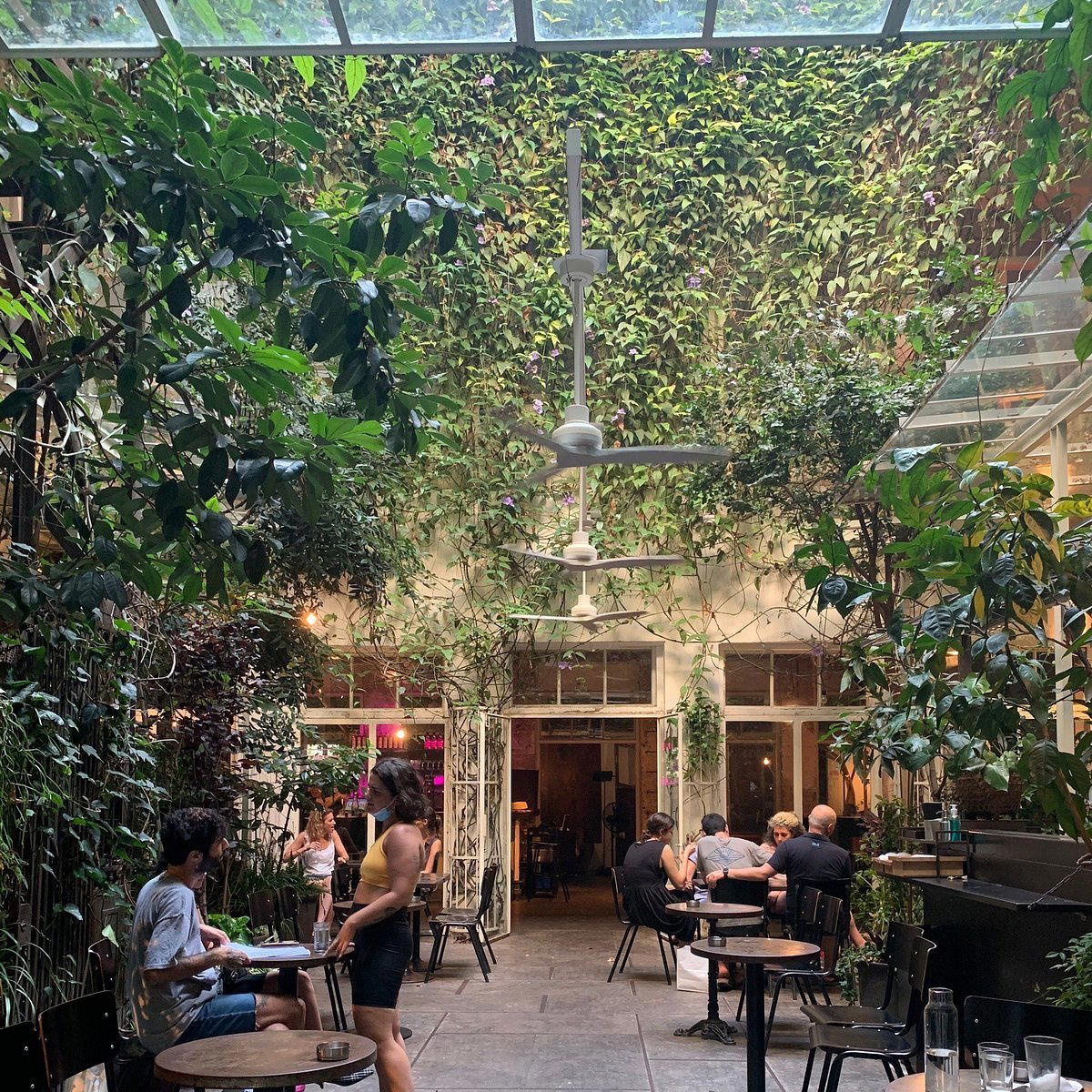

Hotels in Tel Aviv
Browse all →
At a Glance
- Romantic
- Elegant
- Cozy
- Trendy
- Intimate
- Date Night
- Brunch
- Business Dinner
- Family
- Casual Hangout
- Garden
- Terrace
- Historic Building
- Design Destination
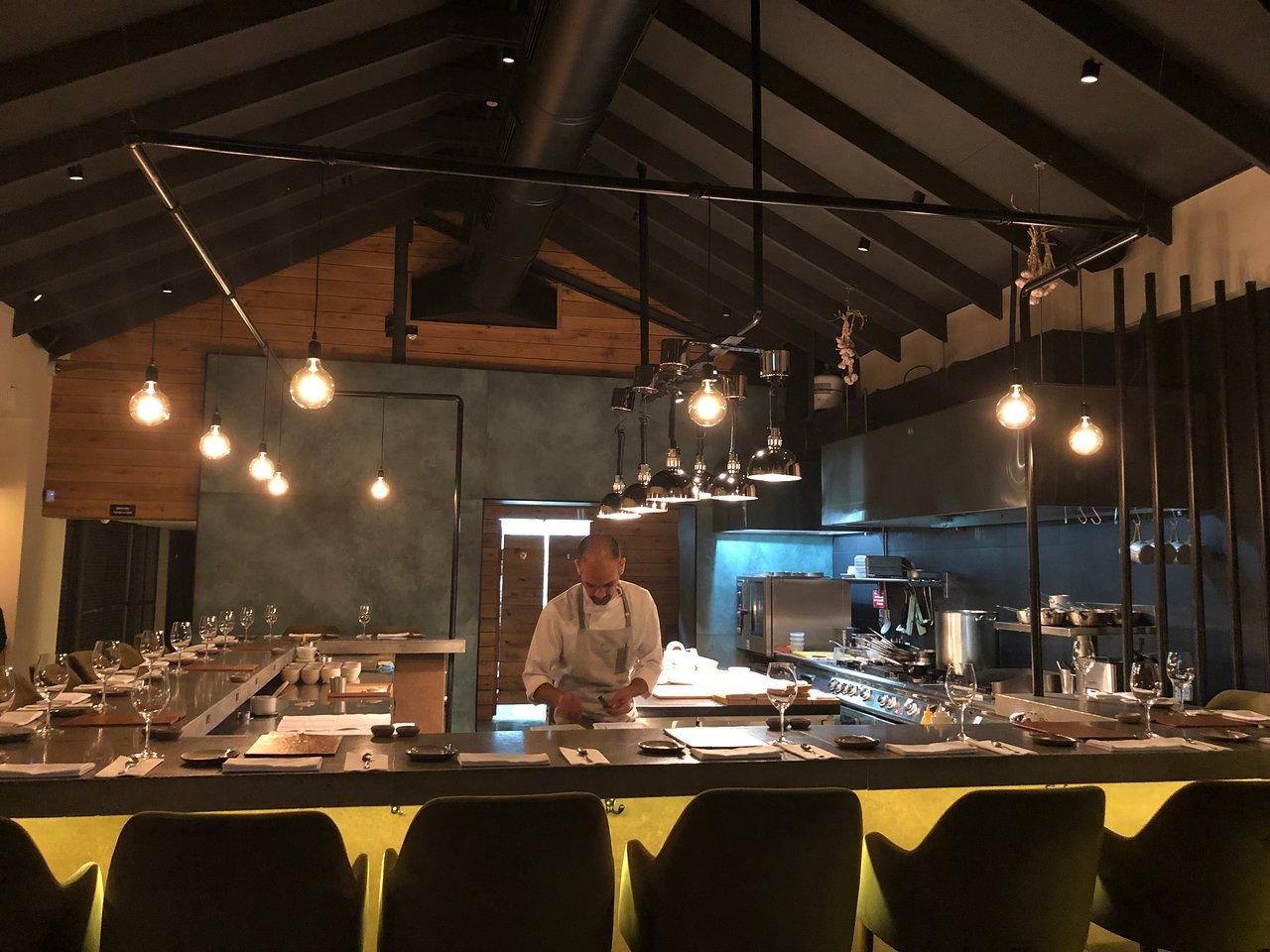
- Open Kitchen
- Extensive Wine List
- Craft Cocktails
- Farm To Table
- Local Sourcing
- Organic
- Garden
Current opening hours
- Monday
- 11 AM–11 PM
- Tuesday
- 11 AM–11 PM
- Wednesday
- 11 AM–11 PM
- Thursday
- 11 AM–11 PM
- Friday
- 9 AM–11 PM
- Saturday
- 9 AM–11 PM
- Sunday
- Closed
Hours can change for holidays and private events. Last verified .
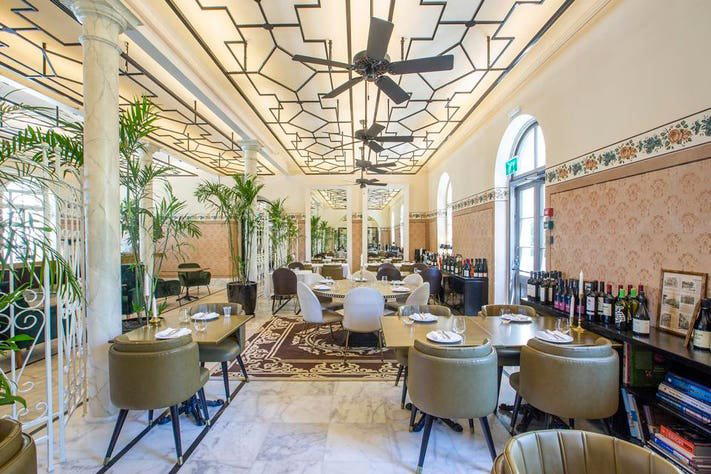
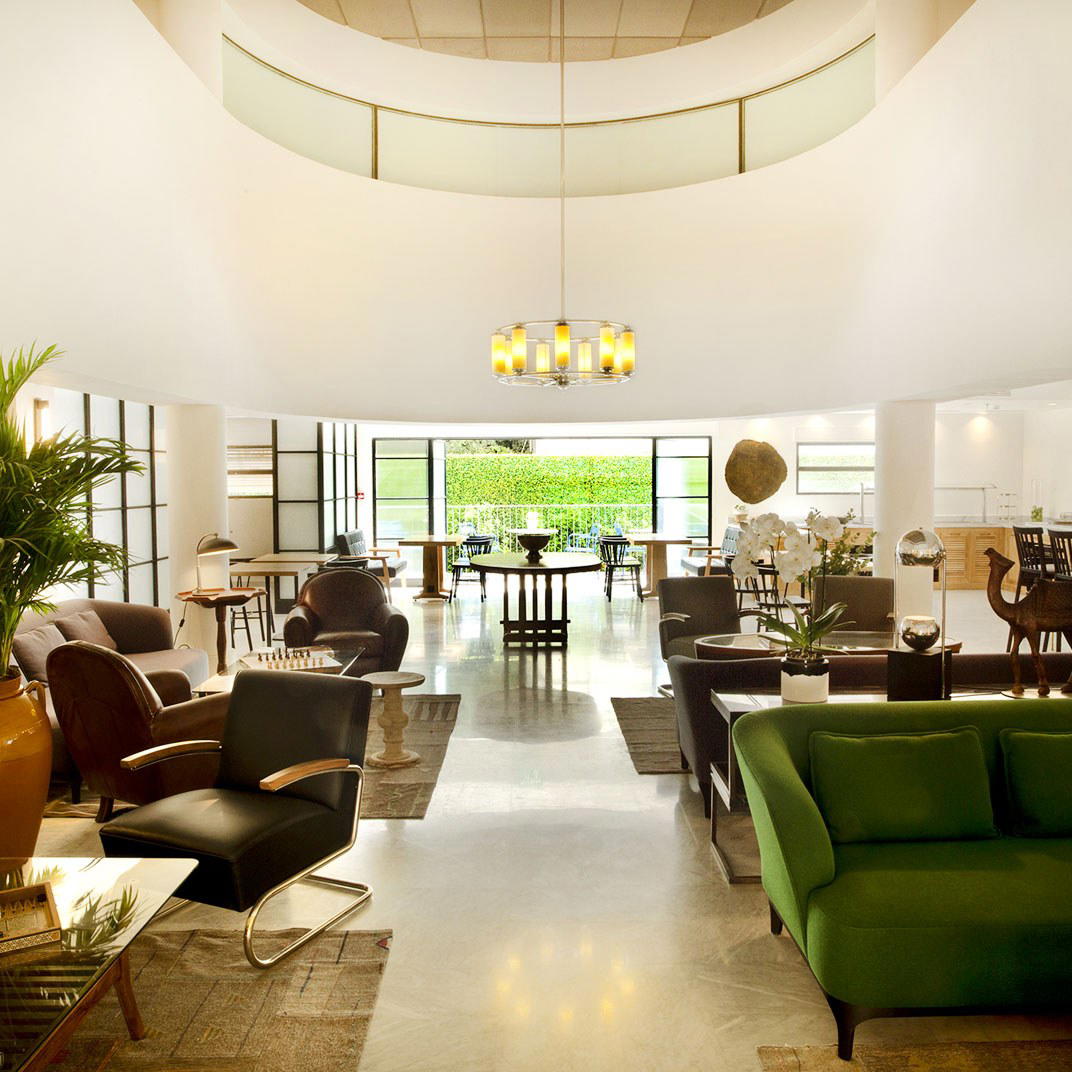
Airy and romantic with white drapery, natural light flowing through tall trees and blooming flowers in the garden, blending contemporary Tel Aviv style with timeless old-world charm.
Know Before You Go
- Getting there
- Shabazi St 10, Tel Aviv-Yafo, Israel