Our verdict
A neighbourhood fixture in Tel Aviv's dining scene, Michael's Local Bistro draws a loyal following through consistent cooking and a relaxed, familiar atmosphere. The kind of place where regulars eat more than once a week, it represents the city's appetite for honest, ingredient-led food over spectacle. Details on the full offering are best confirmed directly with the venue.

The menu
What to order
- Cauliflower tabbouleh
- Arais lamb
- Shrimp
What the Regulars Know
Tel Aviv's dining culture has long rewarded the neighbourhood bistro over the destination restaurant. While the city generates substantial international attention for its chef-driven tasting menus and coastal seafood institutions, the venues that locals actually return to mid-week tend to be smaller, less theatrical, and harder to find in a glossy magazine. Michael's Local Bistro occupies that quieter tier, the kind of address that doesn't need a publicity campaign because its regulars do the work for it.
That pattern, a loyal inner circle sustaining a restaurant through word of mouth rather than awards-season visibility, is a reliable marker in Tel Aviv's food culture. The city has a particular tolerance for informality, and restaurants that lean into it rather than reaching for white-tablecloth credibility often hold their audience longer. The bistro format, with its implied promise of consistent cooking in an unpretentious room, fits that appetite well. For context on where Michael's Local Bistro sits within the wider Tel Aviv picture, the our full Tel Aviv restaurants guide maps the city's dining tiers more broadly.
The Bistro Format in a City That Understands It
The word bistro carries different weight depending on where you are. In Paris, it signals a specific historical category, zinc counters and chalkboard menus, a tradition that has been romanticised nearly to death. In Tel Aviv, the borrowing is more practical: a bistro here tends to mean a mid-format restaurant that takes its cooking seriously without demanding that the diner treat the visit as an occasion. The city's most-frequented neighbourhood tables operate on that understanding.
What keeps regulars returning to a place like this is rarely one dish or one night. It's the accumulation of reliable visits, the confidence that the kitchen is consistent and the room doesn't require a special justification to enter. Tel Aviv's food scene has enough high-end theatre, from the long tasting counters to the coastal destination restaurants, that the more grounded end of the market fills a genuine gap. Comparable neighbourhood-anchored formats elsewhere in Israel, such as Michael Local Bistro in Liman, suggest that this kind of bistro sensibility travels across the country's dining culture, not just its major cities.
Tel Aviv's restaurant range runs from the counter-service hummus institutions of Jaffa, where Abu Hassan in Jaffa has held a fixed position in the city's culinary conversation for decades, to high-format restaurants like Alena at The Norman, which operates within a hotel setting and targets a more international-facing clientele. Michael's Local Bistro positions itself neither at the institutional end of that spectrum nor at the destination end.
Within that tier, the competition is meaningful. Venues like Habasta and a have established followings built on similar principles: honest cooking, local ingredients, and a room that doesn't feel designed for Instagram. Abie and Aria each hold their own corners of the city's regular-diner circuit. In that company, a bistro earns its place through repetition and trust rather than a single standout moment. The regulars who return weekly aren't chasing novelty; they're confirming a relationship with a kitchen they've come to depend on.
For those interested in exploring Israel's wider dining geography, the country's regional restaurant culture is worth attention. Uri Buri in Acre represents a very different register, a seafood-focused destination that draws visitors from Tel Aviv specifically. Diana in Nazareth and Majda in Har Nof point to the depth of cooking traditions outside the coastal urban corridor. Even further south, Pitmaster in Beersheba signals that specialist formats are gaining ground in cities that previously sat outside Israel's food media focus.
The Unwritten Menu
Every restaurant with a real regular clientele operates two menus: the printed one and the one built from habit. The unwritten menu is the dish a returning guest orders without looking at the list, the table that gets held on Thursday evenings, the timing that avoids the room at its noisiest. That accumulated knowledge is what distinguishes a local from a first-time visitor in any city's dining culture, and Tel Aviv is no different.
The bistro format tends to encourage this. Unlike tasting-menu restaurants, where the kitchen controls the sequence and the experience is largely identical from table to table, a bistro allows for more individual navigation. A regular learns which dishes stay on the menu long-term versus which rotate with the market, which evenings the kitchen is at its most focused, and how much the room shifts in character between a quiet Tuesday and a crowded Friday. That knowledge is worth something, and for venues with a strong repeat audience, it's the most reliable indicator of consistent quality. Azura is another address in the city that operates partly on this principle, a place where familiarity with the format pays dividends.
For international points of comparison, the discipline required to hold a loyal regular clientele is one that top-tier restaurants globally understand well. Le Bernardin in New York City has maintained its core audience for decades through consistency rather than reinvention, a model that operates at a different price point but reflects the same underlying logic. Atomix in New York City demonstrates how a more progressive kitchen can also cultivate a devoted regular following when the format earns genuine trust.
Planning Your Visit
In Tel Aviv's mid-tier restaurant segment, walk-in availability varies significantly by day of the week, and Friday evenings in particular tend to fill quickly across the neighbourhood bistro category. Arriving with a reservation, if the venue accepts them, is the lower-risk approach. Comparable addresses in the city's neighbourhood dining tier, such as Herbert Samuel Herzliya in Herzliya and Helena in Caesarea, tend to reward advance planning, particularly during peak summer months when the coastal dining corridor operates at full capacity.
Tel Aviv's neighbourhood restaurant culture is dense enough that a single visit rarely captures the full picture. The venues that hold their audiences across years do so because the experience improves with familiarity, not because any one meal is a revelation. That is the compact the local bistro offers, and it is a reasonable one.
Frequently asked questions
How does Michael's Local Bistro fit into Tel Aviv's broader dining scene?
Tel Aviv runs a wide dining range, from the fixed-price counter institutions in Jaffa to high-concept destination restaurants drawing international attention. Michael's Local Bistro occupies the neighbourhood table category in between: the kind of address that holds a regular city clientele rather than competing for tourist footfall or awards-circuit recognition.
What's the signature dish at Michael's Local Bistro?
Tel Aviv's neighbourhood bistro culture tends to anchor around a small core of returning dishes built from habit rather than a formal tasting menu, so the practical move is to ask staff what regulars order most frequently when you arrive.
Should I book Michael's Local Bistro in advance?
In Tel Aviv's neighbourhood bistro category, where regular clientele occupies tables on repeat, securing a reservation ahead of time is generally the safer approach, particularly on weekends.
What's Michael's Local Bistro best at?
Based on available data, Michael's Local Bistro positions itself within Tel Aviv's neighbourhood bistro format, a category the city takes seriously alongside its larger destination restaurants. The bistro format in Tel Aviv rewards consistency and familiarity over spectacle, which is the register this venue operates in.
Is Michael's Local Bistro allergy-friendly?
As with any restaurant in Tel Aviv, where dairy-free and kosher dietary structures already shape many kitchens, it is worth calling ahead directly to confirm specific requirements before your visit.
Is Michael's Local Bistro good value for money?
Tel Aviv's neighbourhood bistro tier generally sits below the city's destination dining prices while still reflecting Israel's higher food-cost baseline, so expect mid-range spend rather than budget-level pricing.
Cuisine Lens
| Venue | Cuisine | Price | Awards | Notes |
|---|---|---|---|---|
| Michael's Local BistroThis venue (the venue you are viewing) | Galilean Farm-to-Table Bistro | Not listed | Not listed | Not listed |
| Dr. Shakshuka | Israeli Shakshuka | $20–30 | Not listed | Middle Eastern |
| Ha'Achim | Modern Israeli Mediterranean | $30–50 | Not listed | Israeli |
| Habasta | Modern Mediterranean Market-Driven | $30–50 | Star Wine List · World's Best Wine Lists Awards WBWL 3-Star | Israeli |
| HaSalon | Modern Mediterranean | $100–150 | Not listed | Israeli - Mediterranean, Israeli |
| Jasmino | Israeli Charcoal-Grilled Kebab Pita | $1–10 | Not listed | Kebabs |
Continue exploring
More in Tel Aviv
Restaurants in Tel Aviv
All restaurants in Tel Aviv →
Hotels in Tel Aviv
All hotels in Tel Aviv →

Details
- Cozy
- Rustic
- Scenic
- Date Night
- Special Occasion
- Garden
- Farm To Table
- Local Sourcing
- Garden
- A La Carte
- Vegetarian Friendly
- Vegan Options
- Gluten Free Options
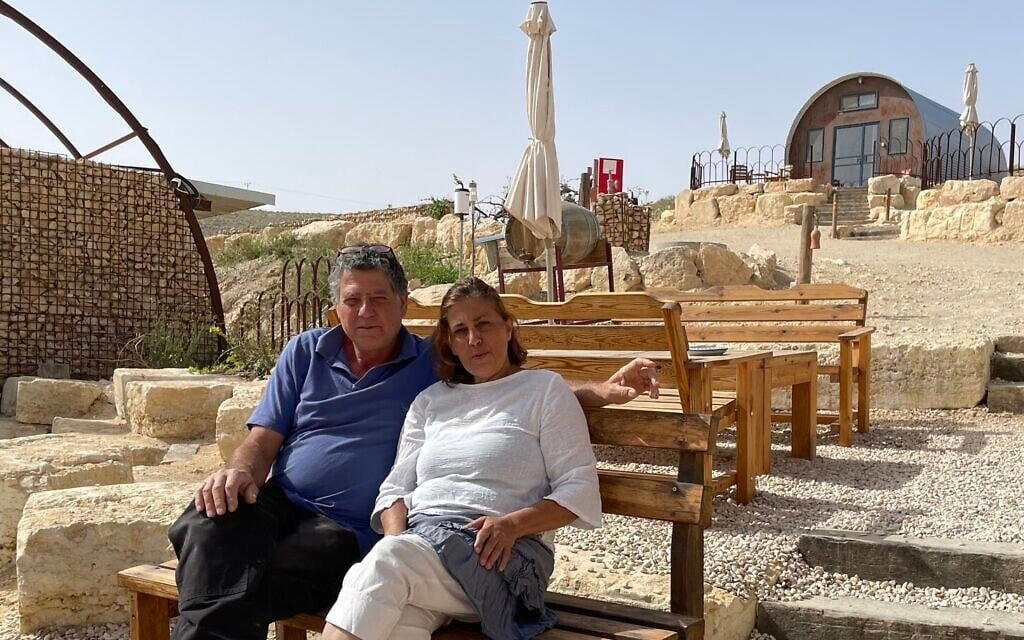
Warm, welcoming rural atmosphere in a pastoral structure surrounded by a colorful bustan orchard.