

OCD Restaurant on Tirtsa Street brings a highly structured, ritual-paced tasting format to Tel Aviv's modern Israeli dining scene. Chef Raz Rahav holds dual rankings in both the Opinionated About Dining Europe and Asia lists for 2024 and 2025, and La Liste placed the restaurant at 89.5 points in 2025. Dinner runs Tuesday through Friday evenings, with Friday lunch the only midday service.
Pearl is the En Primeur Club membership app — saves, bookings, and concierge access live there. Same editors, same standards.
- Address
- Tirtsa St 17, Tel Aviv-Yafo, Israel
- Phone
- +972 3-556-6774
- Website
- ocdtlv.com
- Directions
- Get directions
 Saves & bookings on Pearl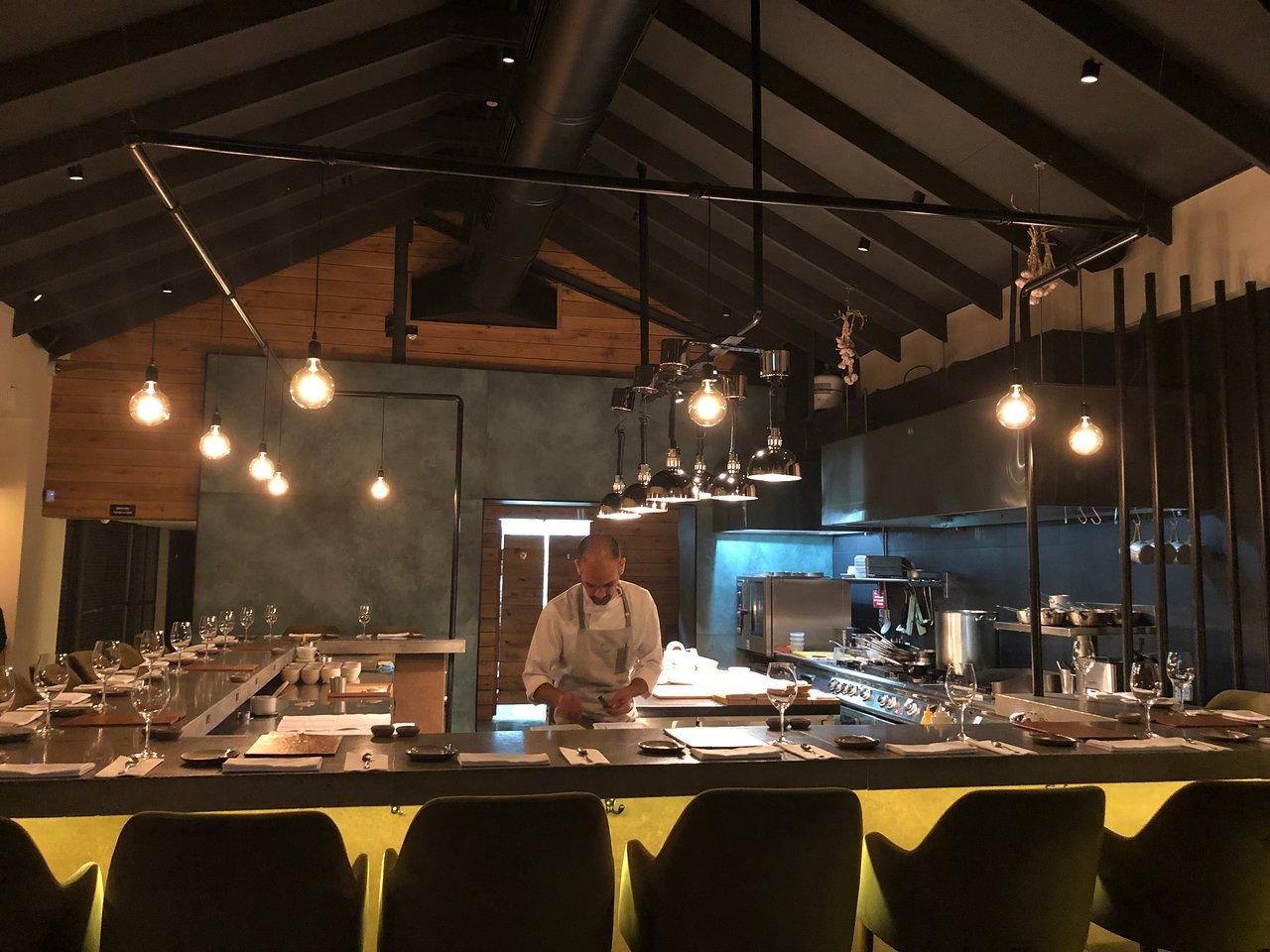
The Format Before the Food
OCD Restaurant is a modern Israeli fusion tasting restaurant in Tel Aviv-Yafo, with chef Raz Rahav at the helm and an average price of about $150 per person. On a quiet residential stretch of Tirtsa Street in south Tel Aviv, the approach to OCD Restaurant offers little fanfare. The building sits among low-rise housing rather than the restaurant corridors of the northern neighbourhoods, and that displacement is deliberate. What happens inside is calibrated around a single extended meal, served over a fixed sequence, at a pace the kitchen controls. In that respect, OCD belongs to a small international cohort, alongside places like Atomix in New York City and Lazy Bear in San Francisco, where the dining ritual itself is the organising principle, and where arriving with expectations borrowed from à la carte will leave you out of step.
Tel Aviv's serious dining tier has expanded considerably over the past decade. The city now sustains a range of formats, from the convivial neighbourhood tables of Ha'Achim and the market-driven cooking at Claro to the more ceremonial register occupied by OCD. Chef Raz Rahav runs the kitchen, and the restaurant's name signals the approach: obsessive attention to sequence, precision, and repetition. That is not a marketing position, it is a structural choice that shapes every element of how the meal unfolds.
A Meal That Moves on Its Own Terms
Tasting-format restaurants in cities with strong culinary traditions tend to divide into two types: those that use the format as a vehicle for ingredient showcasing, and those that use it to construct an argument about cuisine, technique, or place. OCD sits in the second group. Modern Israeli cooking, when it operates at this level, draws on a layered set of influences, the spice grammar of the Levant, the pickling and curing traditions that arrived with successive waves of migration, and a Mediterranean coastal sensibility that runs through fish, citrus, and olive oil. At OCD, that inheritance is not simply deployed; it is organised into a sequence where each course positions the next.
The pacing at this kind of restaurant is not incidental. Diners who have eaten at Le Bernardin in New York City or similarly structured rooms will recognise the rhythm: dishes arrive with enough interval to consider what just happened, service is attentive without interrupting thought, and the meal builds rather than plateaus. That structure requires the kitchen to commit to a fixed format on any given night.
Where It Sits in the Rankings
The dual Asia and Europe classification reflects Tel Aviv's position as a city that registers differently across different critical frameworks. Some ranking systems treat Israel as part of the Middle East or Asia; others file it under Europe. OCD appearing in both lists simultaneously is less a quirk and more an indicator that the restaurant is performing at a level where the classification question becomes secondary to the score. Within the Israeli context, it occupies the same small premium tier as Alena at The Norman and represents a different register from the casual-format Israeli cooking found at George & John or the traditional Jaffa kitchen of Abu Hassan.
Tel Aviv's Tasting Counter Tier
The question worth asking about any restaurant in this bracket is what it contributes to the conversation about its cuisine, not just whether it executes technically. Modern Israeli cooking at the tasting-menu level has a particular challenge: the underlying food culture is intensely social, built around shared plates, abundant spreads, and the kind of table generosity that resists portion control. Restaurants that impose a European tasting structure on that tradition sometimes lose the warmth in the process. The better ones find a way to preserve the hospitality logic of Israeli eating, the sense that feeding someone well is a form of care, while still maintaining the discipline that a sequential format demands.
Rooms operating at this price and format level often accumulate fewer reviews, and those reviews tend to be more polarised. A 4.6 average across a substantial volume suggests the room converts both the curious and the committed rather than catering exclusively to a narrow specialist audience. For comparison, similarly structured experiences in the city draw on a much thinner review base. The breadth of that audience is itself an editorial point about how OCD has managed to operate at the serious end of modern Israeli dining without closing off the conversation.
Getting There and Planning the Visit
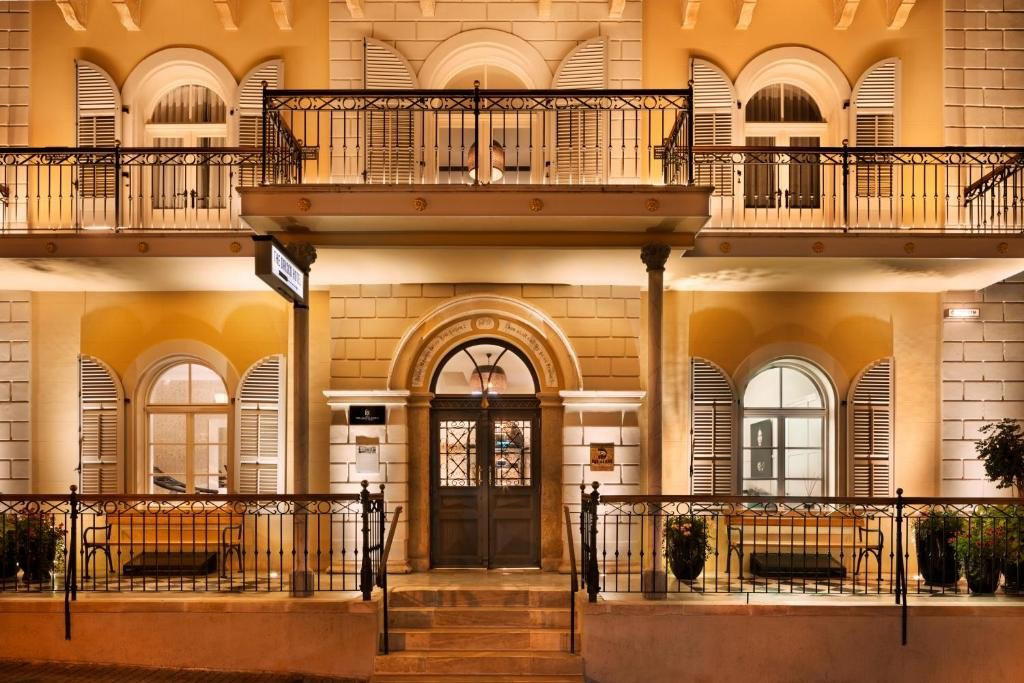
Tirtsa Street sits in a residential part of Tel Aviv-Yafo, south of the main dining concentration around Florentin and the Carmel Market area. The address, Tirtsa St 17, is precise enough for navigation. Tel Aviv's light rail and bus network cover the broader area.
Given the fixed-sequence format and the limited weekly service window, planning the visit in advance is not optional. Monday through Thursday evenings and Friday lunch are the only options. There is no walk-in culture here. First-time visitors to Tel Aviv's premium dining tier who want a comparison point in a more relaxed format might consider Dr. Shakshuka in Jaffa for a different register entirely, or Chakra in Jerusalem if a day trip south is on the itinerary. For modern Israeli cooking in other contexts, Susar in Toronto and Pescado in Ashdod offer useful points of reference. Those with a connection to the New Orleans dining scene may also find it useful to note that the structured tasting format OCD employs shares philosophical territory with the chef-driven ceremony at Emeril's in New Orleans, even if the cuisines and contexts are entirely different.
Cost and Credentials
Comparable venues nearby, for context on price, style, and recognition.
| Venue | Cuisine | Price | Notes |
|---|---|---|---|
| OCD RestaurantThis venue — the venue you are viewing | Modern Israeli | $$$$ | Not listed |
| R48 | Not listed | $$$$ | Newe Sha'anan, Far East-Inspired Modern Fusion Tasting Menu |
| Oasis | Newe Ẕedeq, Modern Global Fusion | $$$$ | Not listed |
| Habasta | Not listed | $$$ | Nachalat Binyamin, Modern Mediterranean Market-Driven |
| Hiba | HaQirya, Modern Israeli-Arab Fine Dining | $$$$ | Not listed |
| Opa | Florentine, Innovative Vegan Fine Dining | $$$$ | Not listed |
Recognition history
Dated appearances from independent guides and award organizations, with the underlying list record or original source where available.
La Liste Top Restaurants
La Liste
Opinionated About Dining Top Restaurants in Europe Recommended
Opinionated About Dining
La Liste Top Restaurants
La Liste
Opinionated About Dining Top Restaurants in Europe Ranked #353
Opinionated About Dining
Opinionated About Dining Top Restaurants in Asia Ranked #304
Opinionated About Dining
Opinionated About Dining Top Restaurants in Europe Ranked #442
Opinionated About Dining
Opinionated About Dining Top Restaurants in Asia Ranked #318
Opinionated About Dining
Opinionated About Dining Top New Restaurants in Europe Recommended
Opinionated About Dining
Continue exploring
More in Tel Aviv
Restaurants in Tel Aviv
Browse all →
At a Glance
- Modern
- Intimate
- Trendy
- Elegant
- Sophisticated
- Date Night
- Special Occasion
- Open Kitchen
- Chefs Counter
- Extensive Wine List
Current opening hours
- Monday
- 6–11:30 PM
- Tuesday
- 6–11:30 PM
- Wednesday
- 6–11:30 PM
- Thursday
- 6–11:30 PM
- Friday
- Closed
- Saturday
- Closed
- Sunday
- 6–11:30 PM
Hours can change for holidays and private events. Last verified .
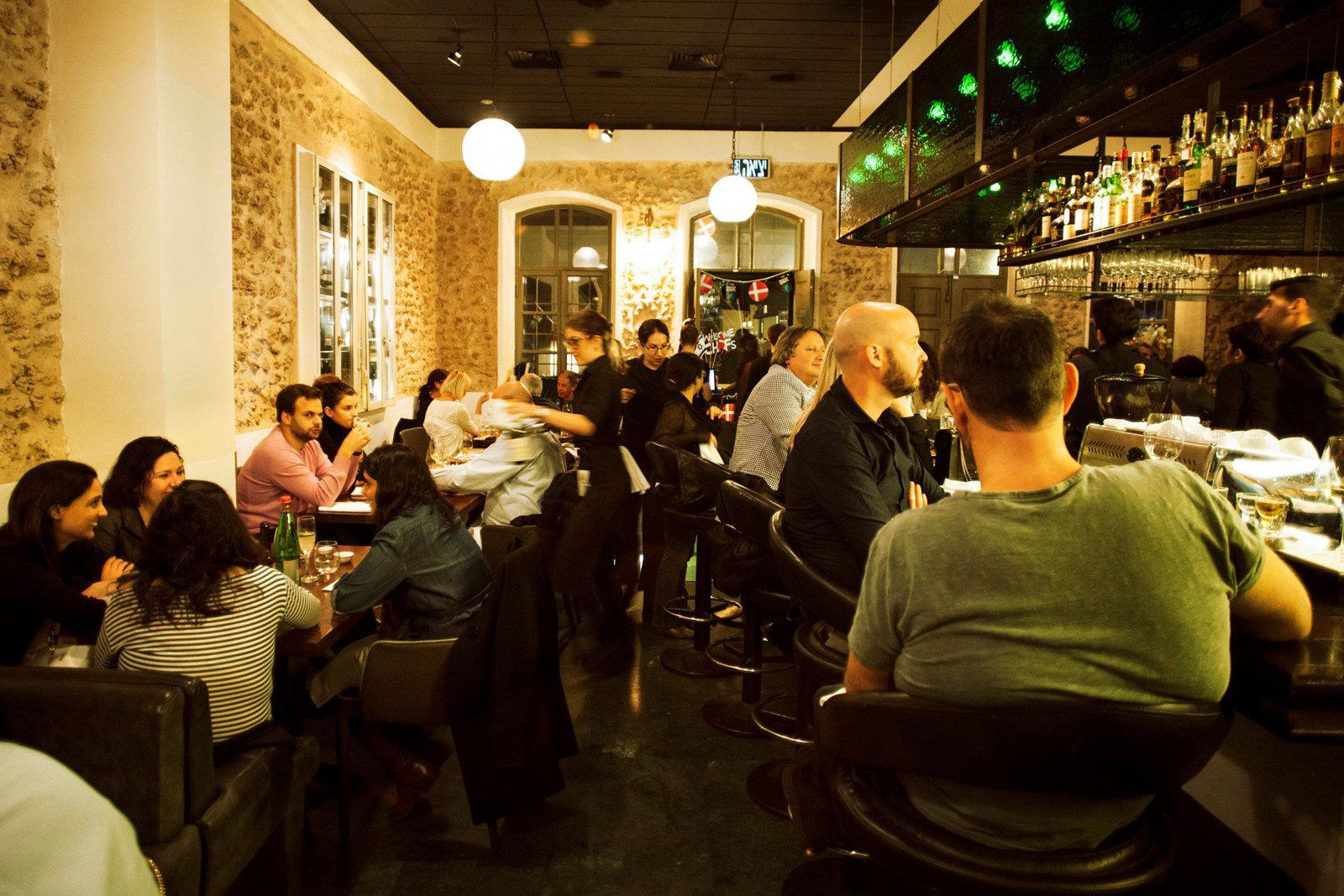
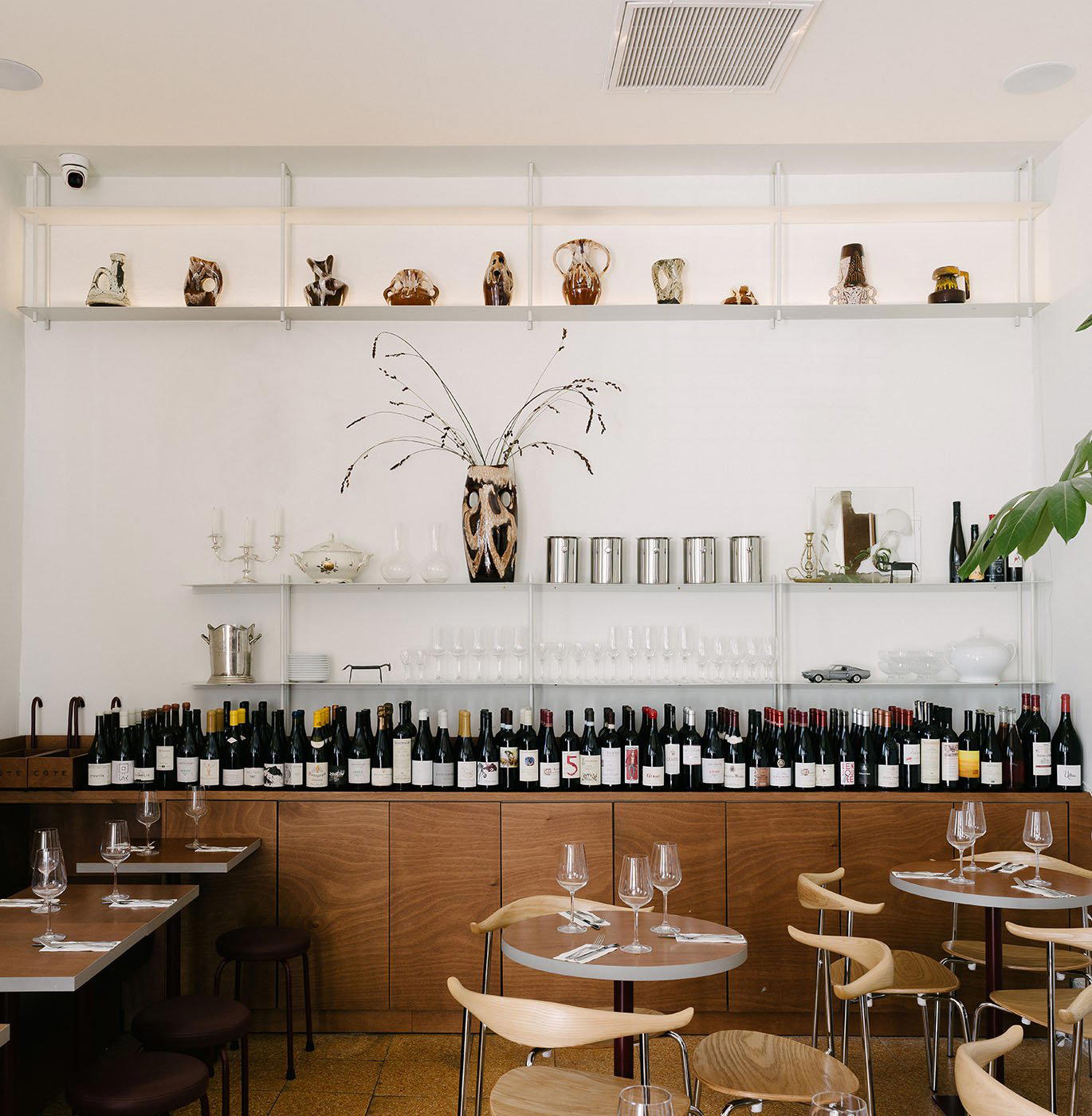
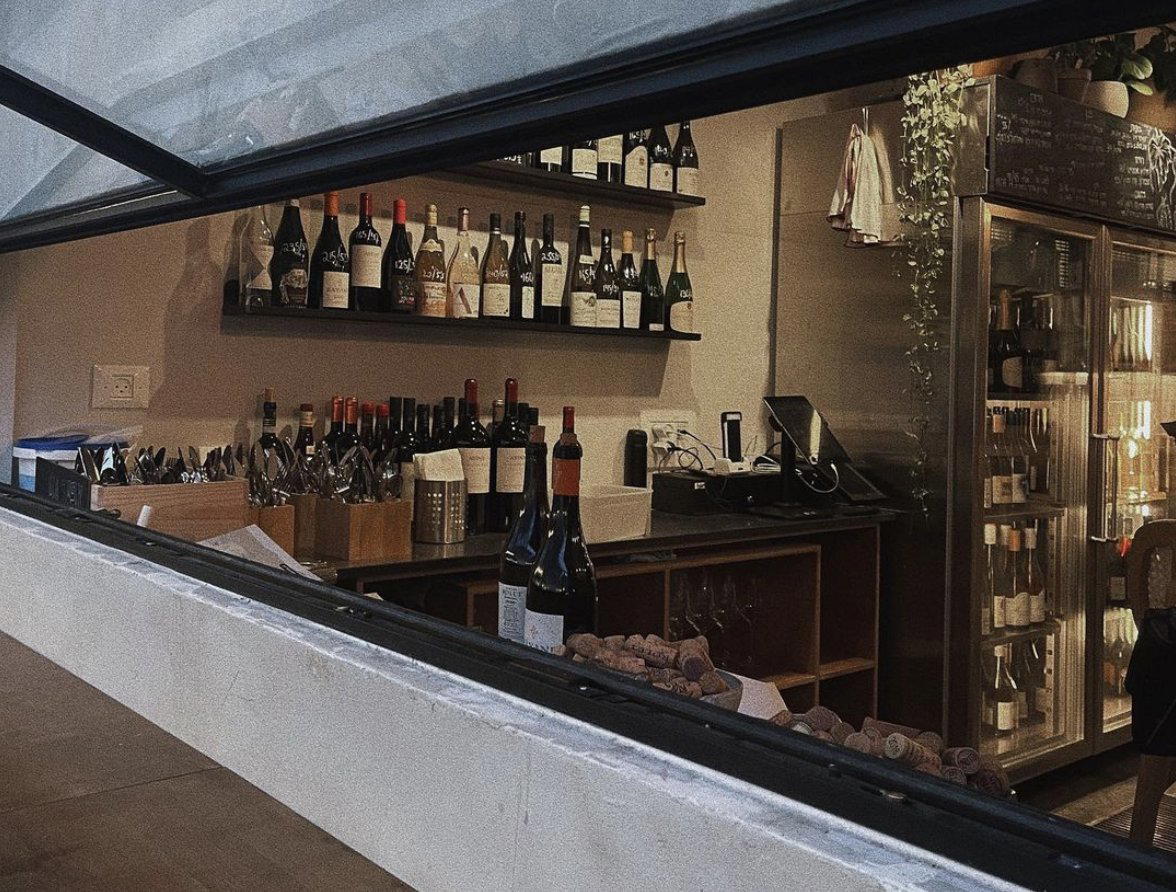
Comfortable atmosphere with peaceful music, attentive service, and an industrial interior centered around the open kitchen.