
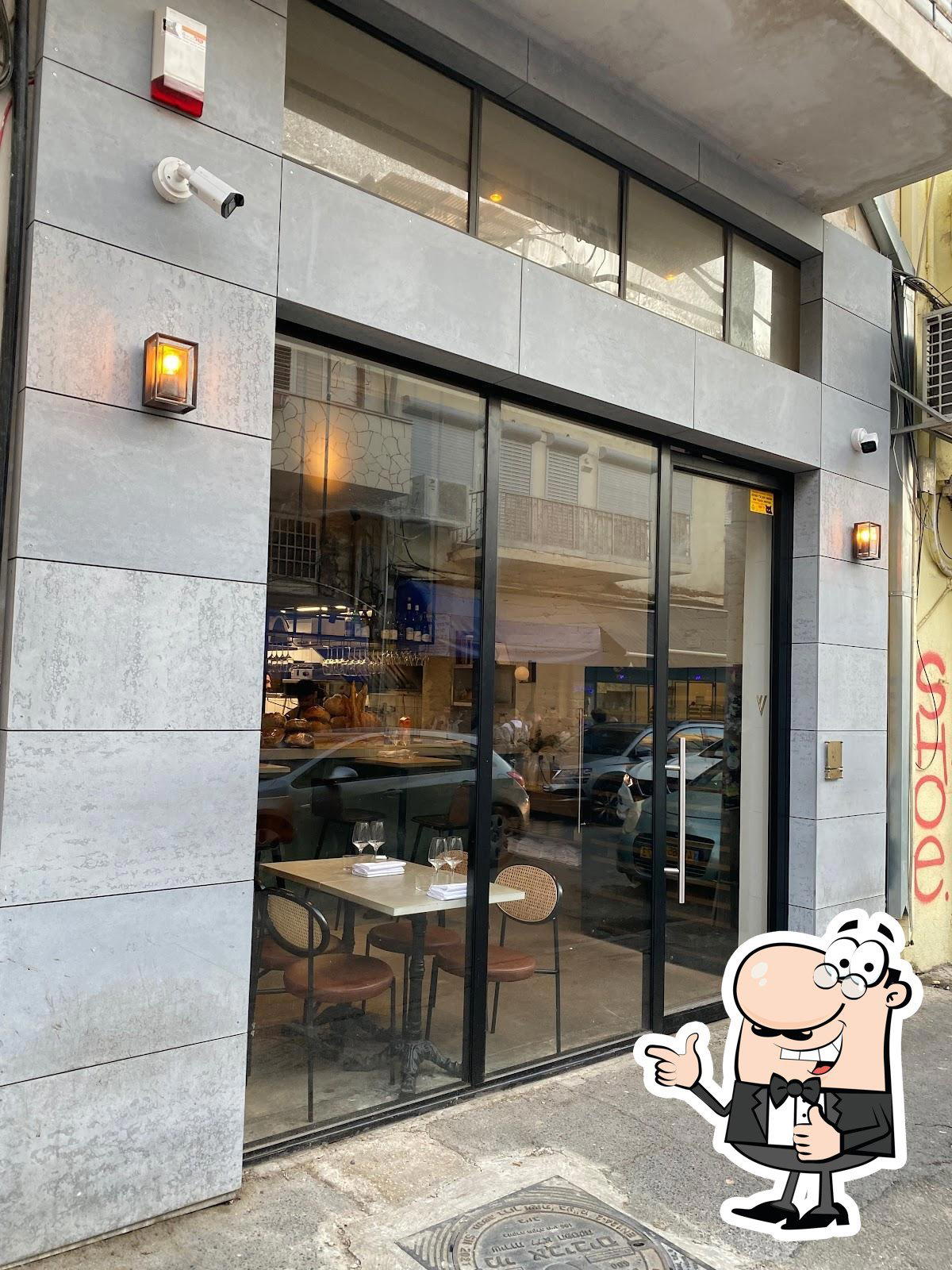
Popina holds consecutive La Liste recognition (77pts in 2025, 76pts in 2026),100 reviews, placing it firmly among Tel Aviv's most consistently regarded Israeli cuisine addresses. Located on Ahad Ha'Am Street in the city centre, it draws both neighbourhood regulars and visitors looking for a serious introduction to the city's modern Israeli table.
Pearl is the En Primeur Club membership app — saves, bookings, and concierge access live there. Same editors, same standards.
- Address
- Ahad Ha'Am St 3, Tel Aviv-Yafo, Israel
- Phone
- +972 3-575-7477
- Website
- popina.co.il
- Directions
- Get directions
 Saves & bookings on Pearl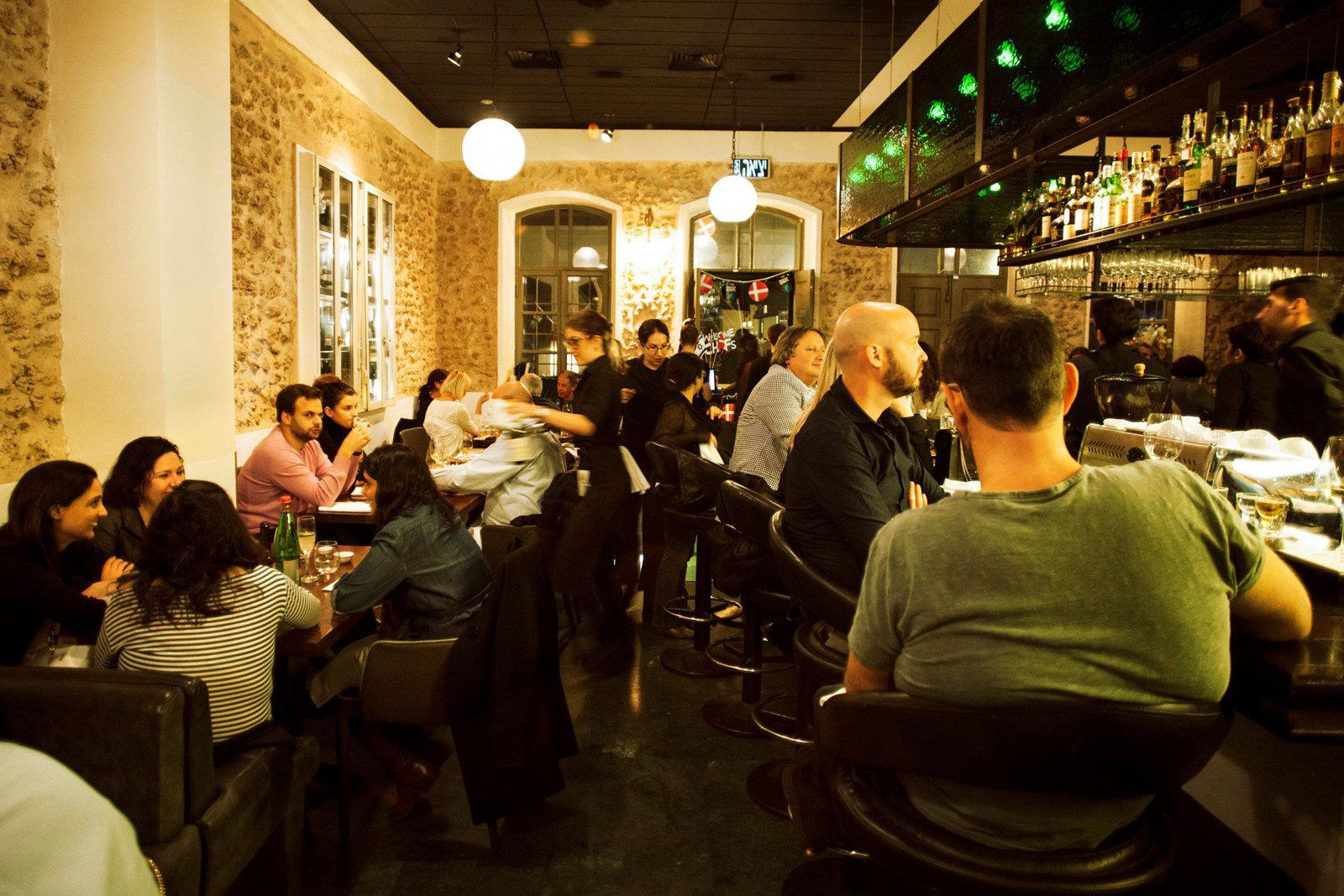
Ahad Ha'Am and the City's Culinary Pulse
Tel Aviv's central dining corridor runs through neighbourhoods where Bauhaus architecture meets late-night street energy, and Ahad Ha'Am Street sits close to that axis. The immediate surroundings are neither tourist-facing nor aggressively local: this is the kind of address that rewards people who pay attention to a city rather than follow a highlights reel. Popina at number three occupies that register, positioned in an area where the foot traffic is mixed, the expectations are informed, and the dining is taken seriously.
The broader context matters here. Israeli cuisine in Tel Aviv has split along two tracks over the past decade. One track runs through the levantine street-food tradition, where places like Dr. Shakshuka in Jaffa and Abu Hassan represent a genre built on generational authority and a single dish done with complete conviction. The other track belongs to restaurants that synthesise those same ingredients and traditions into a more composed, table-service format — places that speak in both languages, the ancestral and the contemporary. Popina belongs to the latter.
La Liste, the Paris-based annual ranking that aggregates critical scores, guide listings, and public ratings, placed Popina at 77 points in 2025 and 76 points in 2026. Two consecutive appearances at that level is a different signal than a single spike: it suggests a kitchen operating with consistent output rather than one exceptional performance cycle. For context, restaurants in the 70-80 La Liste range tend to sit in a tier that has outrun the generic and has not yet reached the rarefied pricing and access of the leading fifty globally. In Tel Aviv terms, that places Popina in company with addresses like Alena at The Norman, George & John, and Claro, all of which operate in the serious-but-accessible register rather than the hard-to-book tasting-menu format.
Restaurants that score highly with specialists often polarise general audiences; a 4.3 at this volume suggests Popina has calibrated its offer well enough to land with both.
The Sensory Register of Israeli Cuisine at This Level
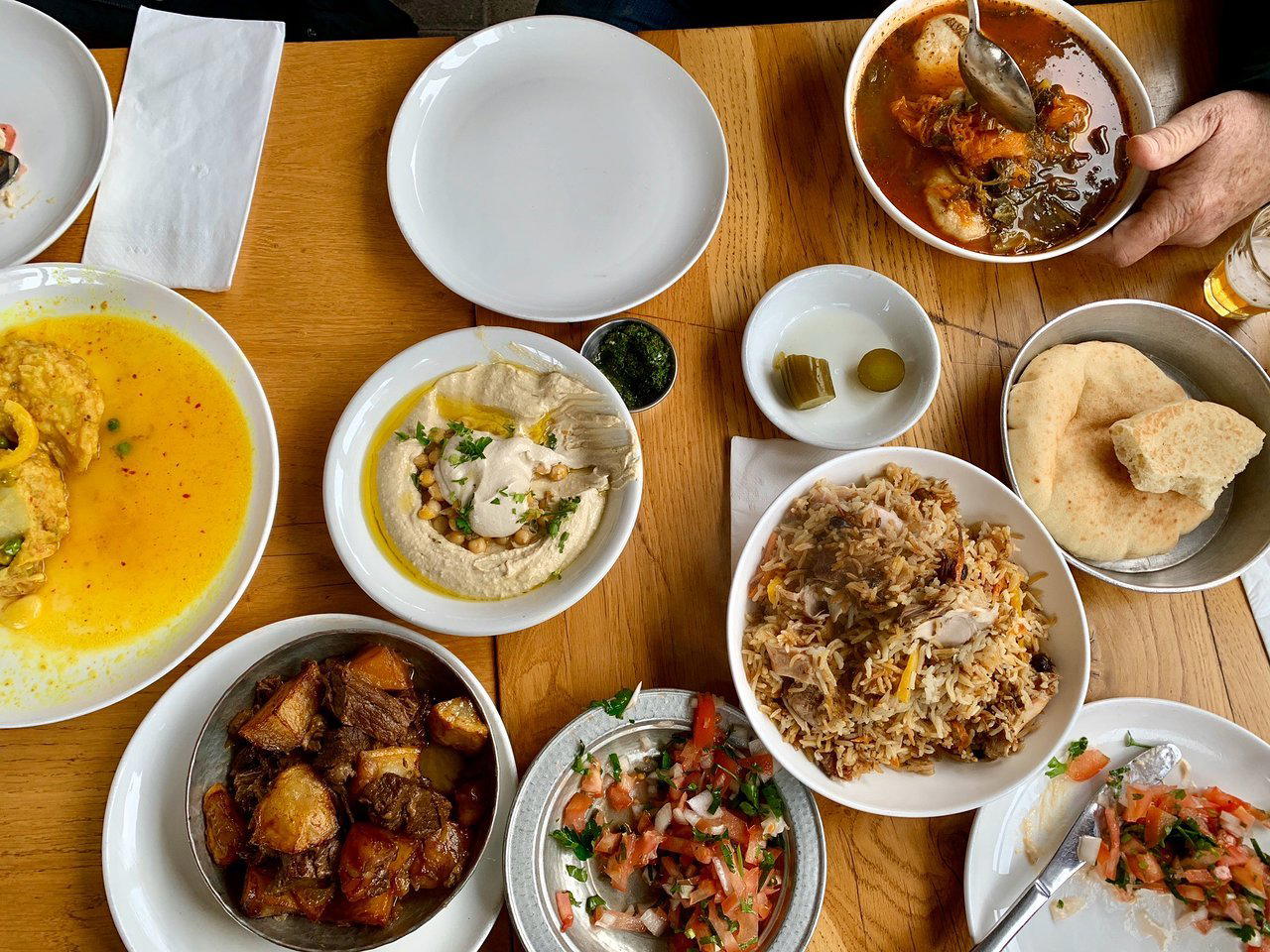
Israeli cuisine at the table-service end of the spectrum draws on a specific set of sensory codes: the acid brightness of preserved lemon and amba, the dry warmth of cumin and za'atar, the richness of tehina against the clean sharpness of fresh herbs. These are not subtle flavours. They land early and they linger. Restaurants working in this tradition face a particular challenge at the composed end of the market, which is that the flavour vocabulary is intense enough that precision matters more than abundance. Too much of any one element and the dish loses its architecture. The kitchens at this level tend to work with restraint in construction while maintaining intensity in individual components.
The physical setting in which those flavours arrive shapes how they register. Israeli dining rooms in this tier have generally moved away from the maximalist aesthetic of the early 2000s toward something quieter: warm materials, low-level lighting, acoustics that allow conversation. That shift mirrors what has happened in comparable cities, from Athens to Istanbul, where the serious end of regional cuisine moved toward environments that do not compete with the food for attention. For visitors coming from cities like New York, where restaurants such as Atomix and Le Bernardin set a certain standard for how a room should feel around ambitious cooking, Tel Aviv's better restaurants offer a warmer, less formal version of that attentiveness.
Placing Popina in the Tel Aviv Hierarchy
Tel Aviv dining has a well-documented middle tier problem. There are abundant casual options, from hummus counters to kebab houses like the genre that Jasmino represents, and there are a handful of restaurants operating at international reference level. The gap between those poles has historically been filled inconsistently. Restaurants that hold La Liste scores in the mid-seventies for consecutive years occupy exactly that gap, and Popina's position there is more meaningful because that middle tier is genuinely contested. Claro works the wood-fire angle. George & John operates inside a hotel context with a different audience draw. Popina on Ahad Ha'Am is a neighbourhood-anchored address competing on the merits of its food and room rather than a concept hook.
For visitors planning a longer stay in Israel, it is worth noting the range of serious cooking available outside Tel Aviv. Chakra in Jerusalem and Pescado in Ashdod each operate in distinct regional registers. Israeli cuisine has also found international expression: Safta in Denver demonstrates how well the flavour tradition travels when handled with seriousness. But the original context, the city where the synthesis of Levantine, North African, Eastern European, and Yemeni food cultures is most legible, remains Tel Aviv.
Planning Your Visit
Ahad Ha'Am Street is walkable from the southern end of Rothschild Boulevard and from several central hotels. The Drisco Tel Aviv is among the nearby accommodation options for visitors who want to be within easy reach of this part of the city. The city eats late: a 9pm reservation is standard, not late. For broader planning across the city's dining, drinking, and cultural offer, our full Tel Aviv restaurants guide, bars guide, hotels guide, wineries guide, and experiences guide cover the full picture. Visitors who enjoy the food-focused end of American restaurant culture may also find useful reference points in the San Francisco scene around places like Lazy Bear or the New Orleans tradition at Emeril's, both of which share Popina's emphasis on a defined regional identity expressed through a composed, table-service format.
The Quick Read
| Venue | Cuisine |
|---|---|
| PopinaThis venue — the venue you are viewing | Israeli Cuisine |
| Dr. Shakshuka | Middle Eastern |
| Ha'Achim | Israeli |
| Habasta | Israeli |
| HaSalon | Israeli - Mediterranean, Israeli |
| Jasmino | Kebabs |
Recognition history
Dated appearances from independent guides and award organizations, with the underlying list record or original source where available.
La Liste Top Restaurants
La Liste
La Liste Top Restaurants
La Liste
Continue exploring
More in Tel Aviv
Restaurants in Tel Aviv
Browse all →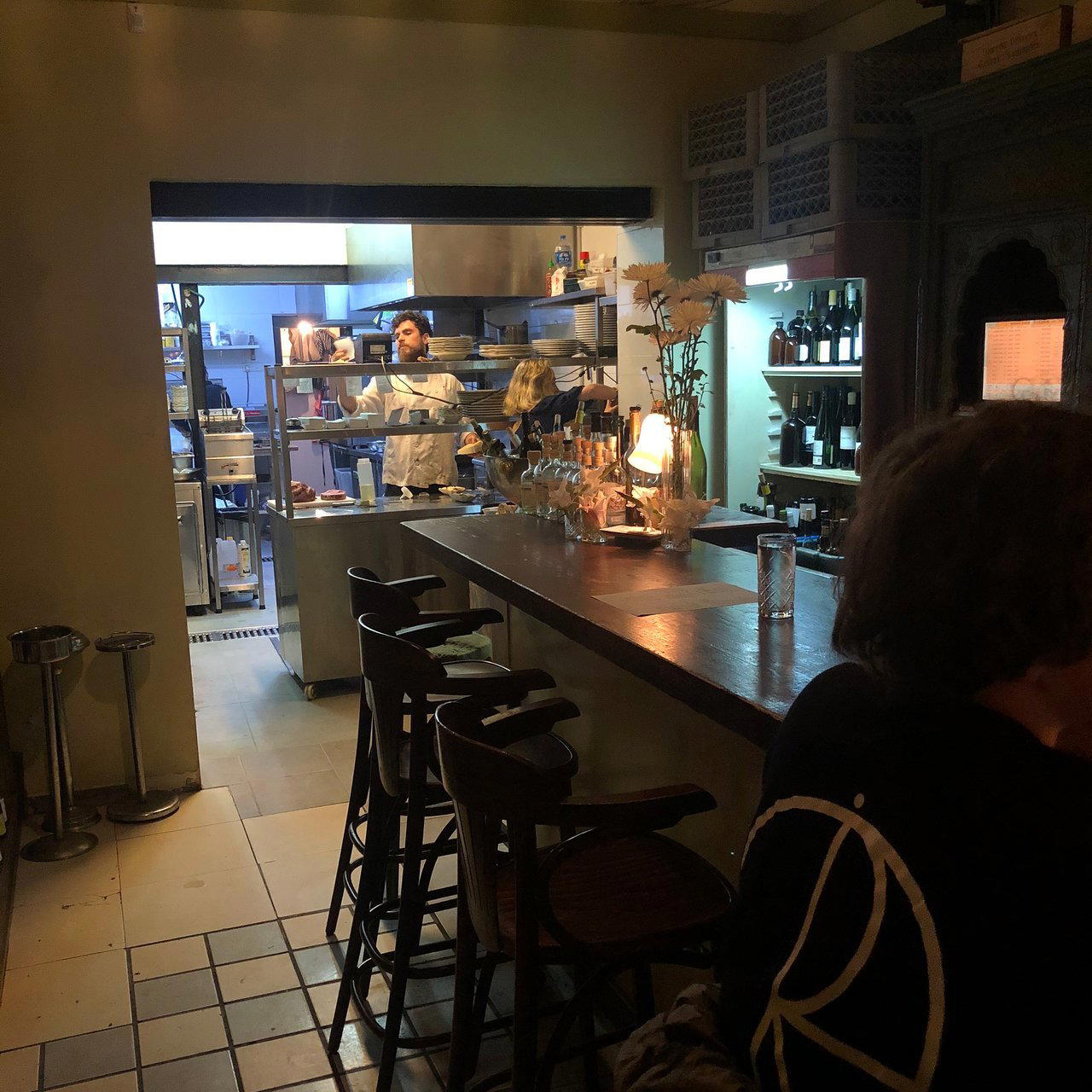
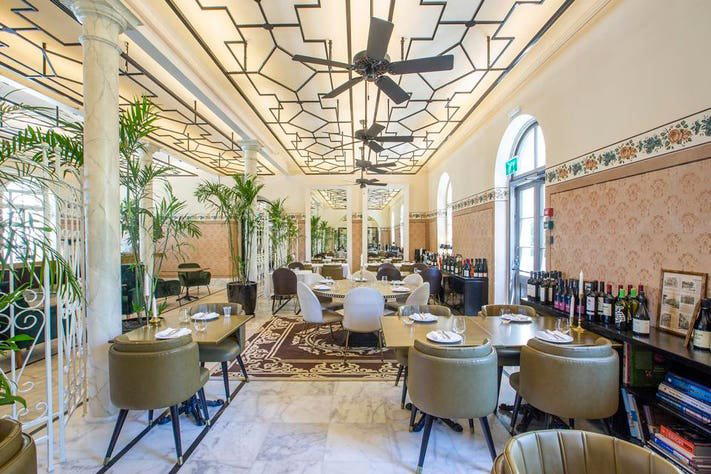
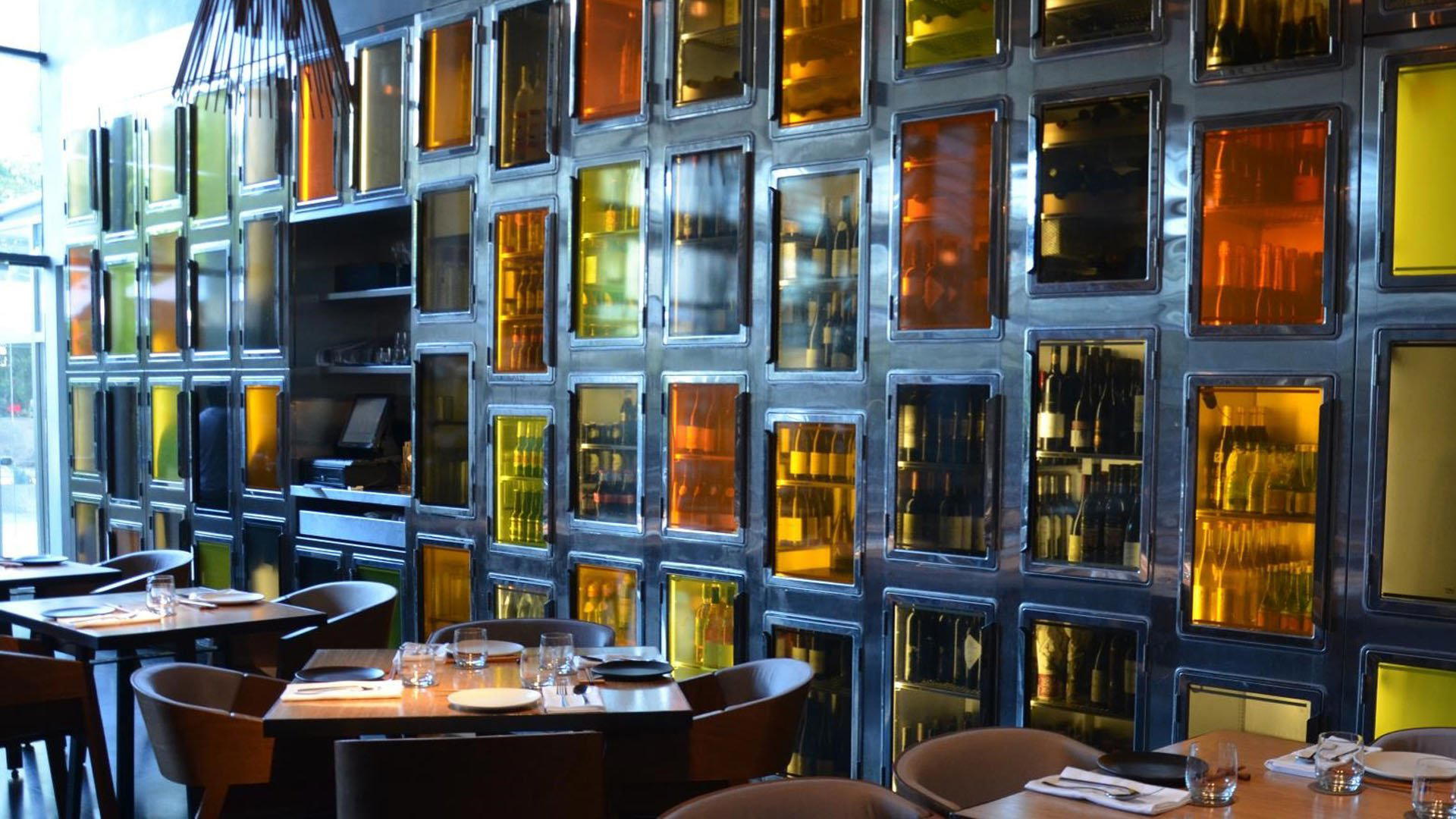
Bars in Tel Aviv
Browse all →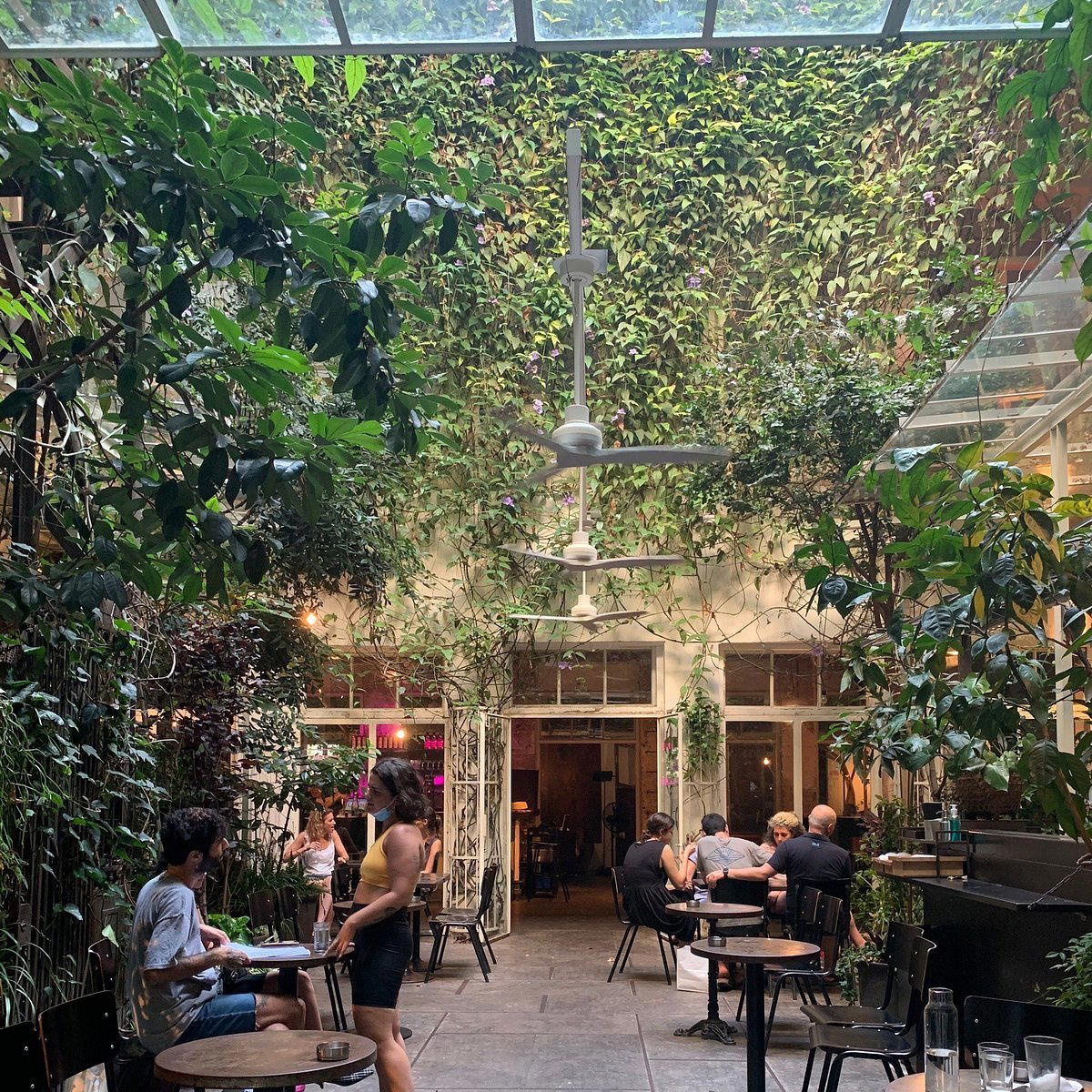
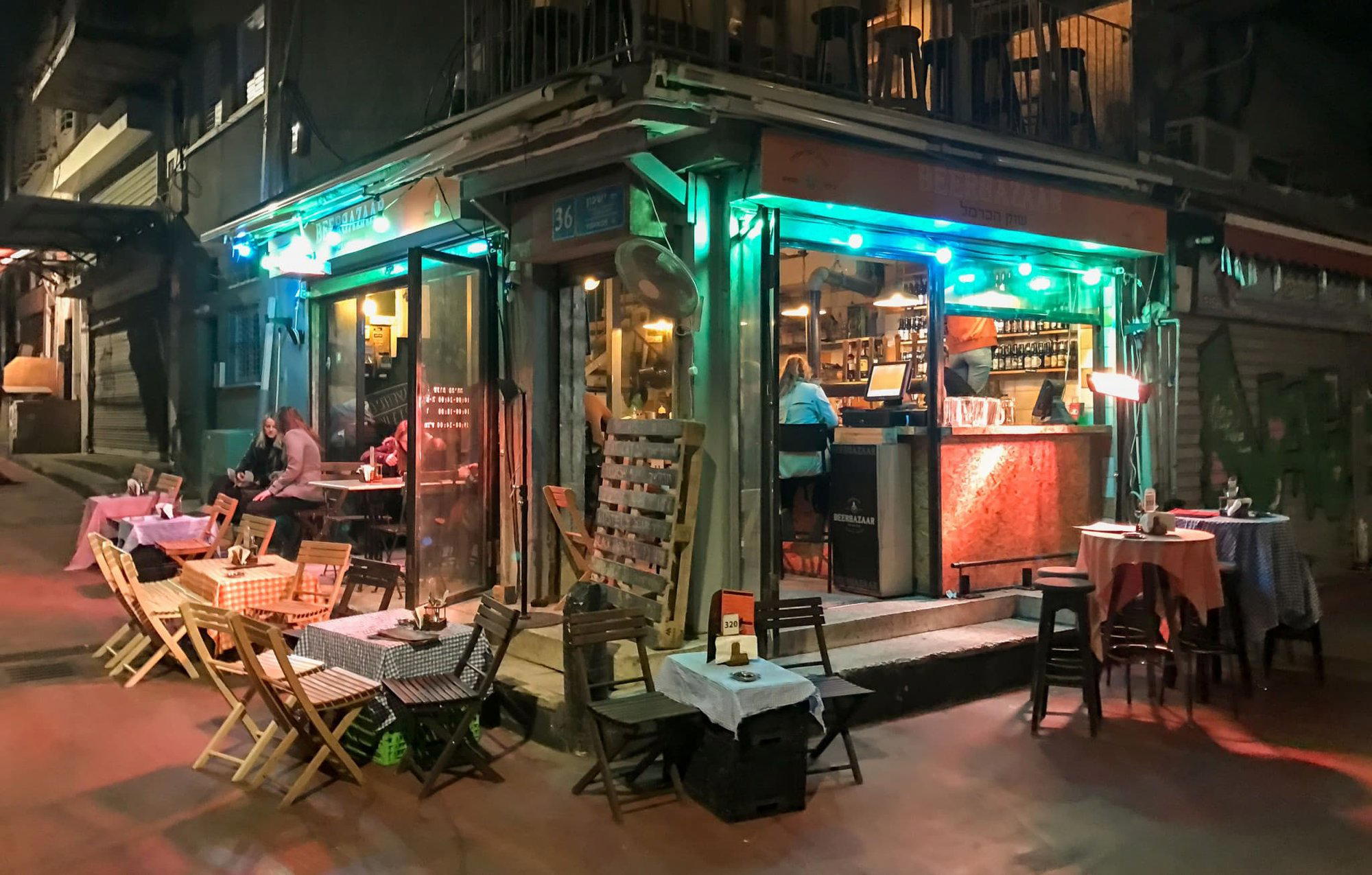

Hotels in Tel Aviv
Browse all →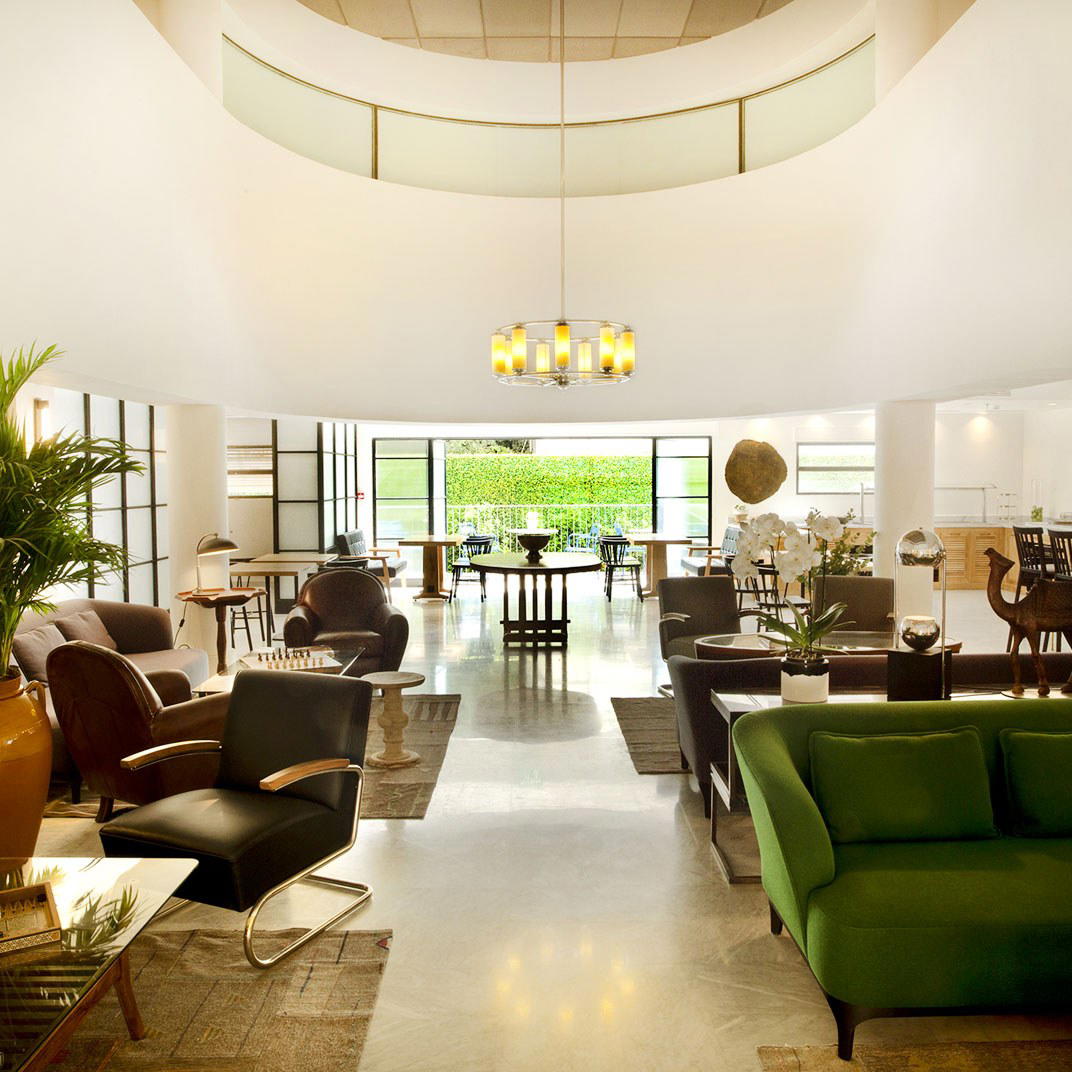
At a Glance
- Elegant
- Modern
- Cozy
- Intimate
- Sophisticated
- Date Night
- Special Occasion
- Business Dinner
- Open Kitchen
- Extensive Wine List
- Local Sourcing
- Garden
Current opening hours
- Monday
- 6–11 PM
- Tuesday
- 6–11 PM
- Wednesday
- 6–11 PM
- Thursday
- 6–11 PM
- Friday
- 6–11 PM
- Saturday
- Closed
- Sunday
- 6–11 PM
Hours can change for holidays and private events. Last verified .
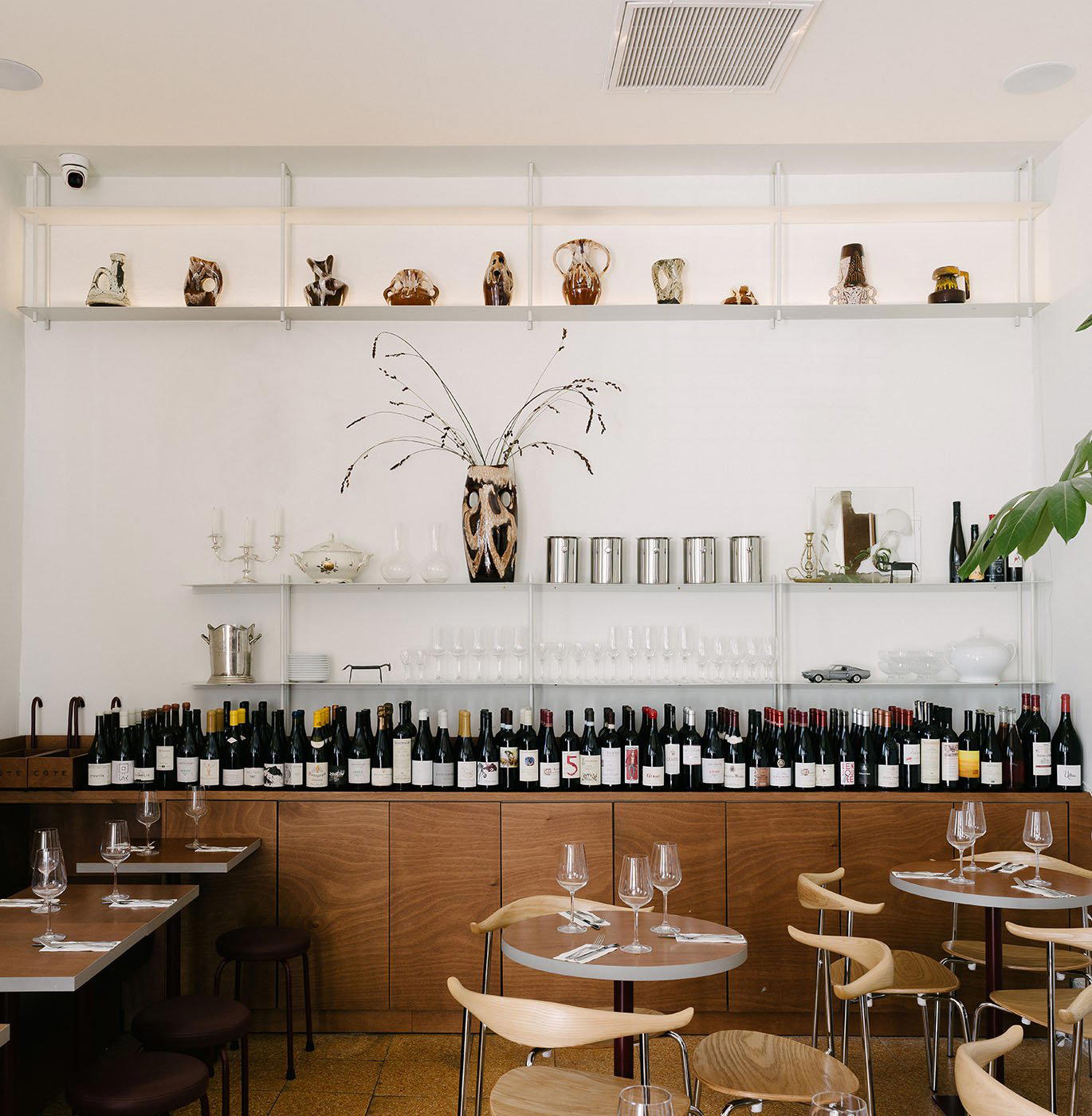
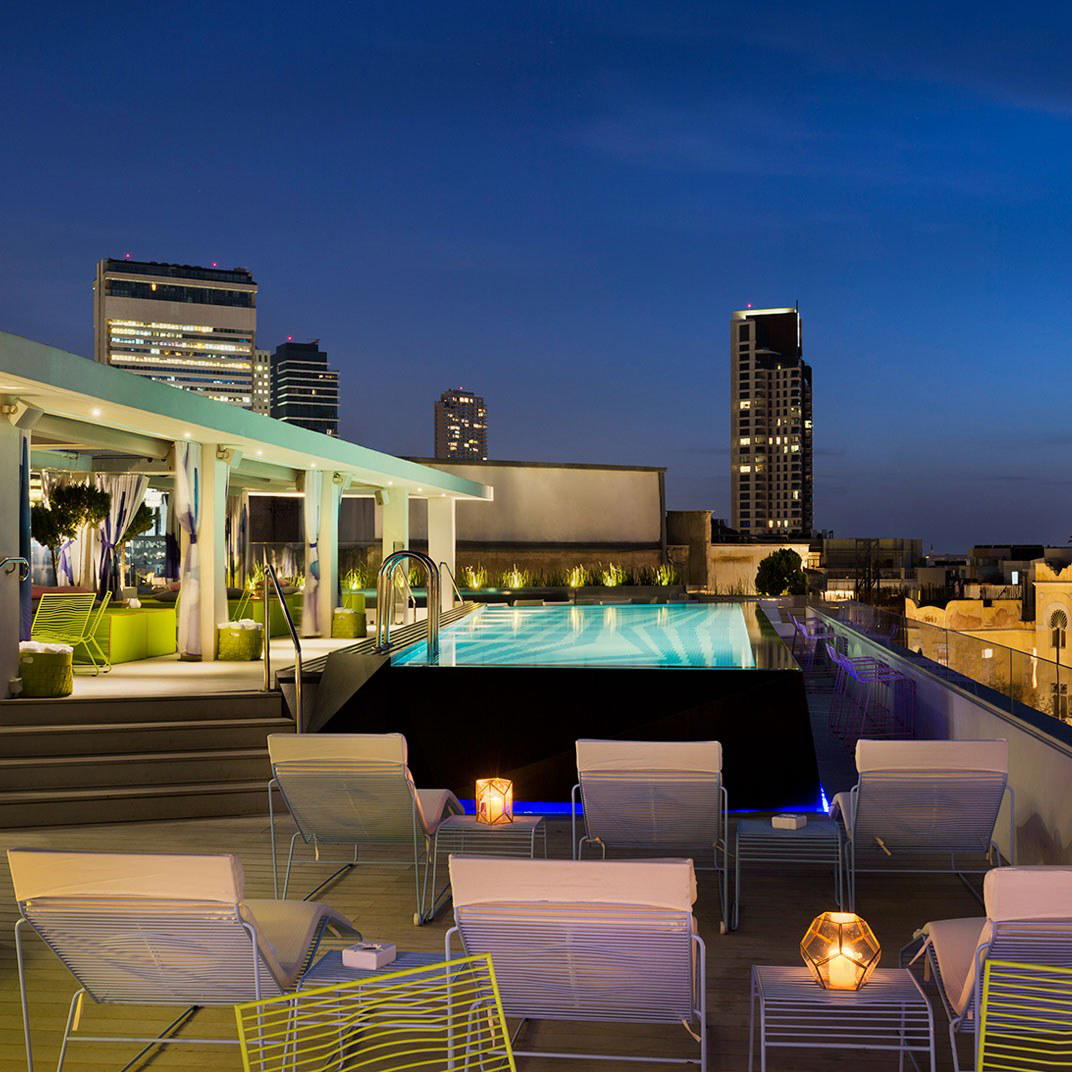
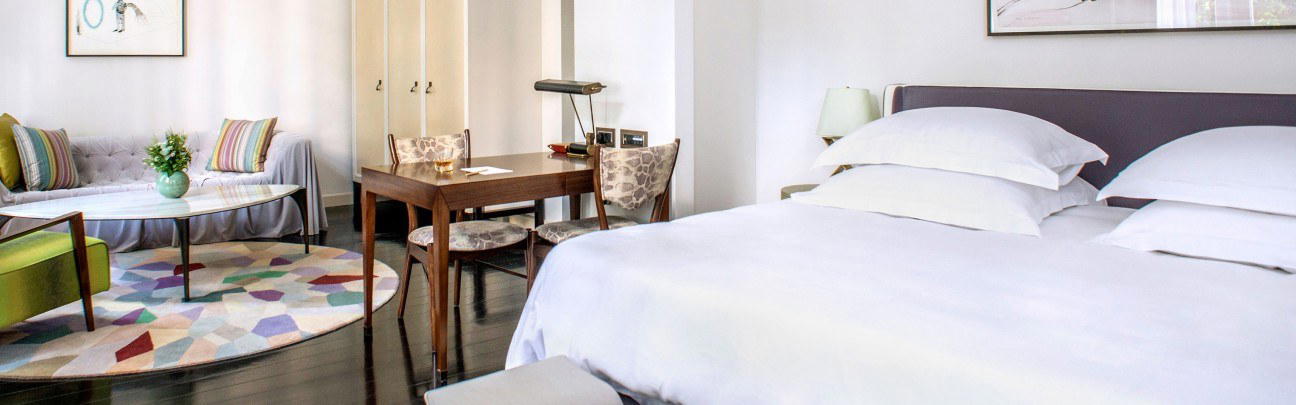
Casual and understated historic building with exposed brick walls, dark leather chairs, glass floor over wine cellar, and lively open kitchen.
Know Before You Go
- Getting there
- Ahad Ha'Am St 3, Tel Aviv-Yafo, Israel