
1 Michelin Key
A 19-room property in Yamagata's Akayu onsen district, Yamagata The Takinami occupies a centuries-old snow-country farmhouse reworked with Nordic-influenced interiors and Tendo Mokko furniture. Each room includes a private open-air bath fed by natural hot springs.

Pearl is the En Primeur Club membership app — saves, bookings, and concierge access live there. Same editors, same standards.
- Address
- 3005 Akayu, Nanyō, Yamagata 999-2211
- Phone
- +81 238-43-6111
- Website
- yamagata-the-takinami.com
- Directions
- Get directions
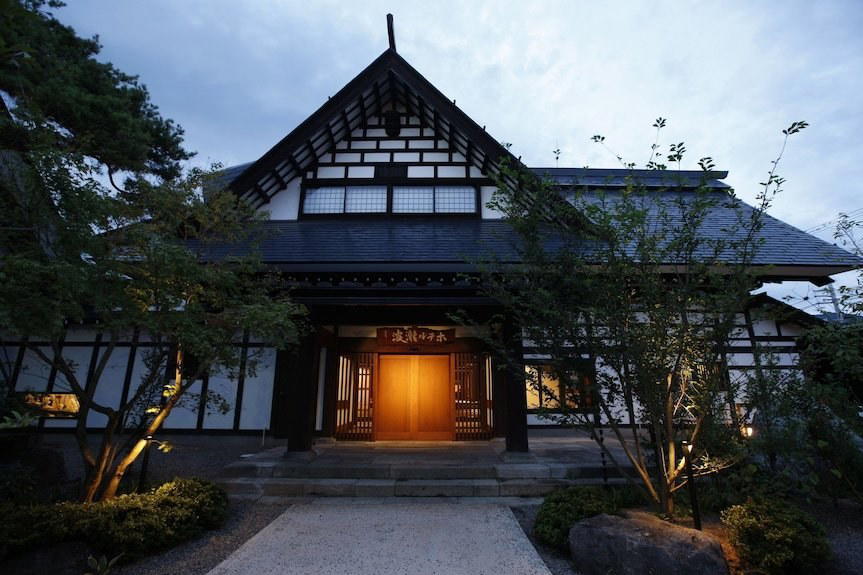
Snow Country Architecture, Reframed
Japan's rural hot spring properties have split into two clear camps over the past decade: traditional ryokan operations that preserve tatami formats almost unchanged, and a younger cohort of design-led conversions that strip those buildings back to their structural bones and introduce contemporary material languages. Yamagata The Takinami belongs firmly to the second group. The approach is gaining traction across rural Japan, from Hokkaido to the Izu Peninsula, but it is less common in Tohoku, which makes the Akayu district of Nanyo a more deliberate destination than a casual detour.
The building itself is centuries old, constructed with the deep eaves and heavy structural timber typical of Yamagata's snow-country vernacular — the kind of architecture engineered to carry roof loads that would collapse lighter frames. Behind the thatched-roof gate, however, the interiors read as something closer to a Scandinavian design edit than a conventional Japanese inn. Arne Jacobsen's Swan chairs sit beside picture windows at ground level; guest rooms feature furniture by Tendo Mokko, the Yamagata-based manufacturer whose mid-century bent-plywood work has appeared in Japanese design collections for over sixty years. The palette runs to calming white and native timber throughout, which keeps the visual register consistent across 19 rooms spread across the main house and an adjacent converted storehouse.
The Onsen Programme and What It Signals
Akayu's hot springs have drawn visitors to this part of Yamagata since the Edo period. The mineral content here is characteristically high-sodium sodium chloride, which retains heat and is associated locally with muscle recovery — a claim backed by the district's long history as a post-travel recuperation stop on the old Tohoku road network. At Takinami, each of the 19 rooms has its own private open-air bath fed directly by these springs, managed by a small on-site team of hot spring attendants. That staffing choice is worth noting: dedicated onsen attendants at this room count signal an operational commitment to the bathing programme rather than treating it as a standard amenity.
The private-bath format places Takinami alongside a specific tier of Japanese property, those that have moved away from communal bathing halls toward fully privatised onsen access as a differentiator. Properties like Zaborin in Kutchan, Gora Kadan in Hakone, and Asaba in Izu operate on a comparable logic: limited keys, in-room or semi-private spring access, and design programmes that justify a premium over conventional ryokan pricing. ENOWA Yufu in Yufu and Fufu Kawaguchiko in Fujikawaguchiko pursue a similar model in their respective onsen districts. Takinami's 19-room scale keeps it in this specialist category rather than the larger resort formats.
Design Lineage and What It Says About the Market
The Tendo Mokko furniture choice carries more editorial weight than it might initially appear. Tendo Mokko was founded in Yamagata Prefecture and remains based there; its bent-plywood chairs and tables were produced in collaboration with figures including Sori Yanagi and Isamu Noguchi from the 1950s onward. Specifying Tendo Mokko in a Yamagata property is therefore an act of regional coherence, not simply a design flourish. It connects the building's contemporary interior to the industrial and craft history of the prefecture in a way that imported furniture could not.
Nordic reference, most visible in the Swan chairs, functions differently. Jacobsen's work appears in Japanese hospitality contexts with some regularity, partly because its formal restraint aligns with Japanese minimalism without imitating it. The combination of Scandinavian mid-century seating and Japanese craft furniture is not accidental; it reflects a design strategy that international travellers with a literacy in both traditions will read immediately. Properties at this tier in Japan's design-led ryokan market are increasingly calibrated for guests arriving with that kind of visual fluency, as much as for domestic travelers seeking traditional formats.
For comparison, the urban end of Japan's design-hospitality spectrum, Bvlgari Hotel Tokyo in Tokyo or HOTEL THE MITSUI KYOTO in Kyoto, operates within a global luxury hotel grammar that translates readily across markets. Rural conversions like Takinami are making a different argument: that the building, the spring water, and the local material culture are the actual product, and that the design programme exists to frame them rather than replace them.
Nanyo and Akayu in Context
Nanyo sits in the置賜 (Okitama) basin in southern Yamagata, about two hours from Sendai by road. The Akayu hot spring district has functioned as the area's hospitality anchor for generations, but it receives considerably less international attention than comparable onsen towns in Hakone, Beppu, or the Izu Peninsula. That low profile is partly geographic: Tohoku's tourism infrastructure, though improving since the Shinkansen extension to Shin-Aomori, remains less developed for overseas visitors than western Japan's routes. Akayu in particular sits off the main Shinkansen corridor, requiring a local connection from Yonezawa or Kaminoyama-Onsen stations.
The consequence is a town that operates on a predominantly domestic schedule, with seasonal rhythms tied to winter snow, autumn foliage, and the local Okitama cherry blossom season in spring. Guests arriving at Takinami outside peak domestic travel windows can expect a quieter register than equivalent stays in Hakone or Kinosaki, closer in feel to properties like Nishimuraya Honkan in Kinosaki-cho during its shoulder periods. Nanyo's broader food and accommodation scene is covered in our full Nanyo restaurants guide, including Osteria Sincerita, which operates in the same district.
Planning a Stay
Takinami operates 19 rooms across the main historic house and a converted adjacent storehouse, with room configuration varying across those two structures. The storehouse rooms offer a different spatial character from the main building, and guests with a preference for either should specify at booking. All rooms include private open-air baths with natural spring water. Room availability data in the current season is flagged as limited, so advance reservation is advisable, particularly for winter and Golden Week periods when Yamagata onsen properties book earliest among domestic travellers.
Getting to Akayu requires a transfer from the Yamagata Shinkansen line at Yonezawa, followed by a local bus or taxi to the hot spring district. The property does not publish direct contact details in current listings; booking through a specialist Japan travel agent or a curated platform with confirmed availability is the most reliable approach. For travelers building a wider northern Japan itinerary, comparable design-led onsen properties to consider include Amanemu in Mie, Benesse House in Naoshima, and Araya Totoan in Kaga, each representing a different regional expression of the same design-meets-onsen format that Takinami pursues in Yamagata.
Booking and Cost Snapshot
| Venue | Awards |
|---|---|
| Yamagata The TakinamiThis venue — the venue you are viewing | 1 Michelin Key |
| Bvlgari Hotel Tokyo | 3 Michelin Keys · World's 50 Best #24 |
| Aman Kyoto | 2 Michelin Keys · World's 50 Best #74 |
| Aman Tokyo | 2 Michelin Keys · World's 50 Best #11 |
| Amanemu | 3 Michelin Keys · La Liste Top Hotels |
| Four Seasons Hotel Tokyo at Otemachi | 3 Michelin Keys · La Liste Top Hotels |
Recognition history
Dated appearances from independent guides and award organizations, with the underlying list record or original source where available.
Michelin 1 Key
Michelin
Full recognition history (2 entries)
Michelin 1 Key
Michelin
Continue exploring
More in Nanyo
Hotels in Nanyo
Browse all →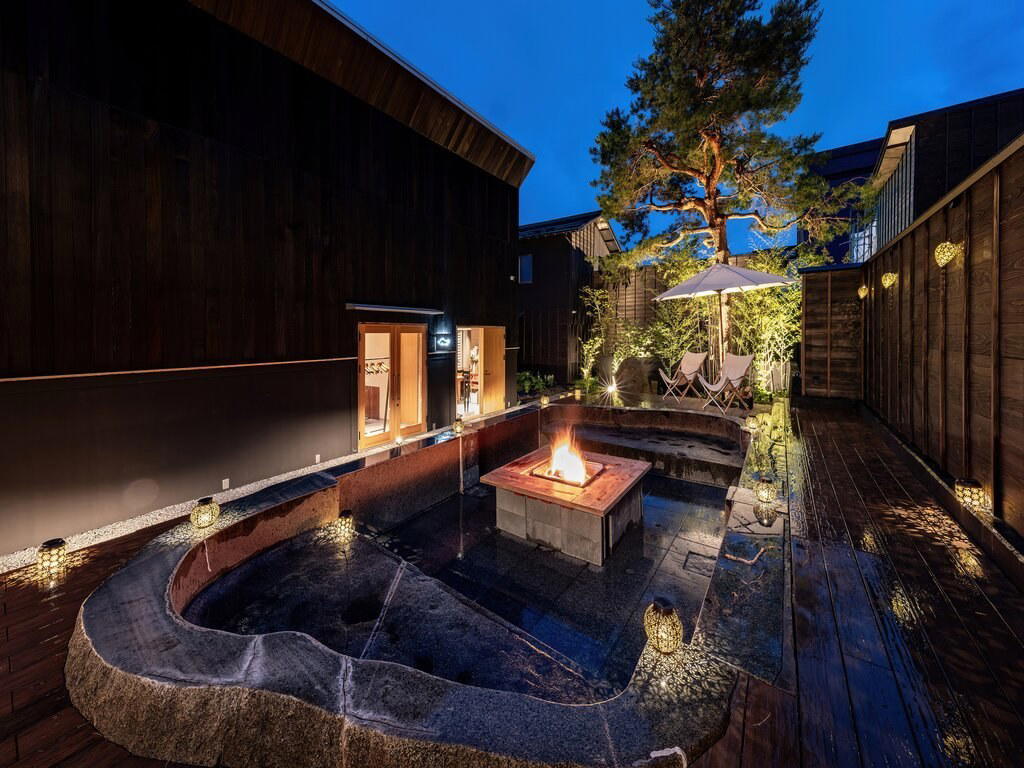
Restaurants in Nanyo
Browse all →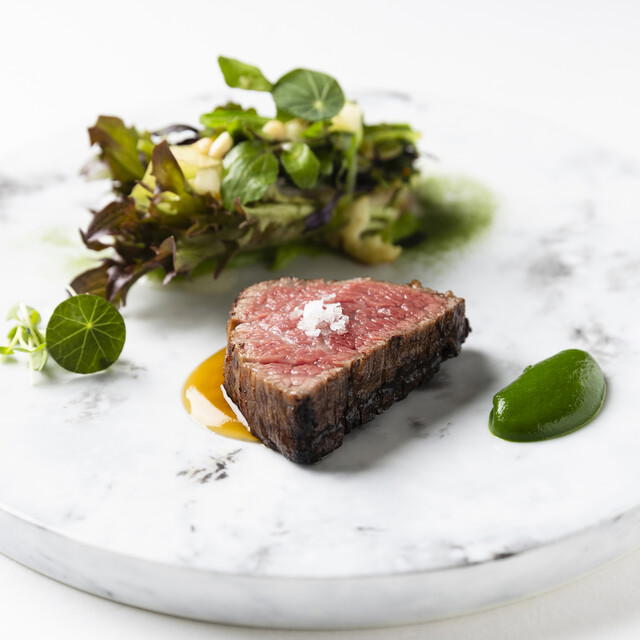
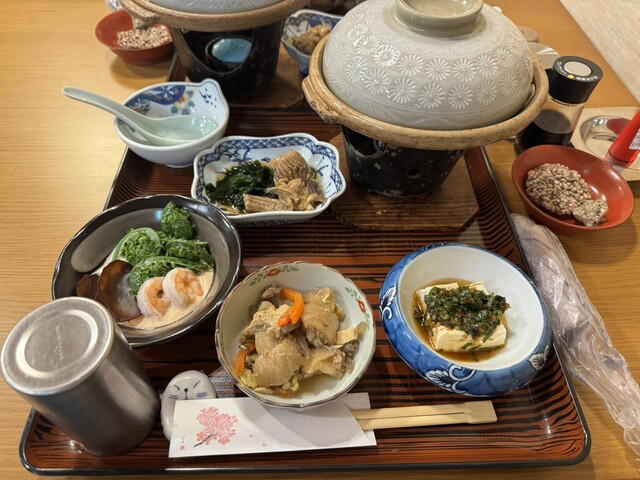
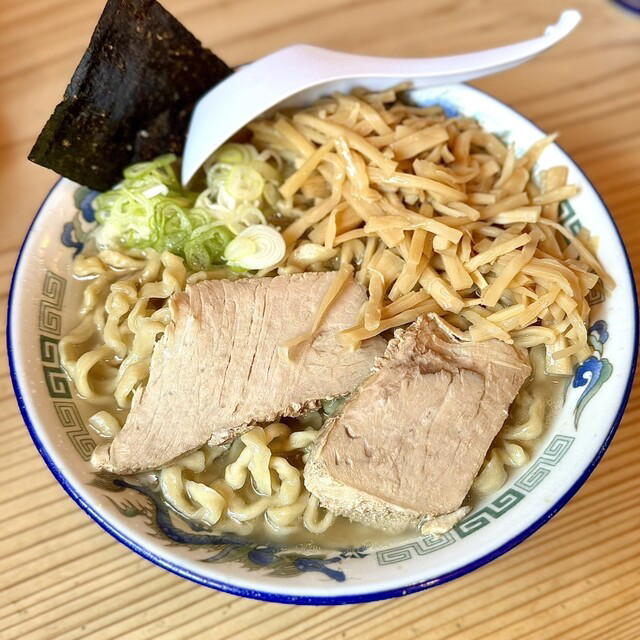
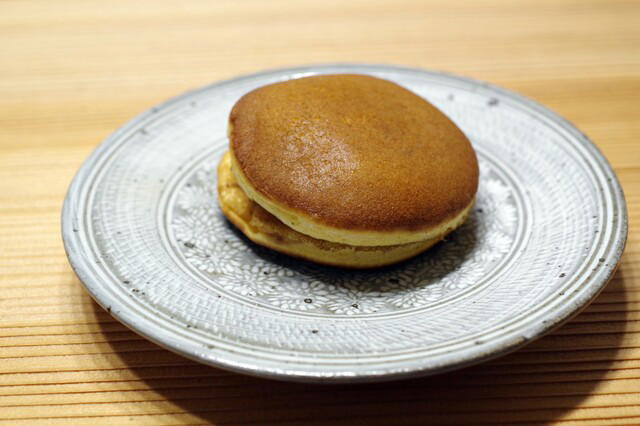
Wineries in Nanyo
Browse all →
Details
- Quiet
- Elegant
- Scenic
- Cozy
- Sophisticated
- Minimalist
- Romantic Getaway
- Anniversary
- Wellness Retreat
- Weekend Escape
- Garden
- Historic Building
- Wi Fi
- Public Bath
- Massage
- Restaurant
- Garden
- Garden
- Mountain
Serene and calming with minimalist interiors in white and native wood, tranquil Japanese garden views, and a peaceful onsen atmosphere praised for comprehensive relaxation.