
Yamagata’s beef culture gives yakiniku a sharper local meaning than it has in many larger cities, where the format can feel interchangeable. Yakiniku Meisho Yamagyu Yamagata ten belongs to the serious end of that conversation, recognized in Tabelog 100 - Yakiniku - EAST - 2025 and built around Japanese BBQ and tripe rather than a generic grill-room script.
Pearl is the En Primeur Club membership app — saves, bookings, and concierge access live there. Same editors, same standards.
- Address
- 1 Chome-8-15 Hatagomachi, Yamagata, 990-0047, Japan
- Phone
- +81 23-666-6129
- Website
- yamagyu.com
 Saves & bookings on Pearl
The first signal is structure, not theatricality: a yakiniku room built for smoke, heat, pacing, and groups choosing how much attention to give the grill. In Yamagata, that matters. Beef is not borrowed luxury language here; the prefecture has its own cattle reputation, winter appetite, and dining culture that treats grilled meat as both occasion and local grammar. Yakiniku Meisho Yamagyu Yamagata ten sits in that context, not the flashier metropolitan yakiniku race.
Japanese BBQ is often flattened abroad into premium slices over charcoal, but stronger restaurants are judged by sourcing discipline, cut selection, offal confidence, and how well the room lets diners control tempo. Tripe on the category line is a clue: a yakiniku restaurant that treats horumon and tripe as core is playing a fuller game than one built only around marbled beef for photographs. It asks the table to think about texture, fat, chew, and seasoning across the animal, not just highly marbled gratification.
Yamagata beef country gives the grill a different frame
Yamagata’s food identity is often discussed through fruit, rice, soba, sake, and mountain vegetables, but beef is equally relevant for visitors who want to understand the prefecture at the table. In larger cities, yakiniku can be a nightlife staple, interchangeable by district. In Yamagata, the format has a more direct relationship to regional produce and local habits. The luxury is less performative: the grill is central, ordering is flexible, and pleasure comes from calibrating richness rather than submitting to a chef-led tasting sequence.
Recognition in Tabelog 100 - Yakiniku - EAST - 2025 places the restaurant in a competitive eastern Japan category, not merely a local recommendation list. That helps travellers because yakiniku does not always translate cleanly across guide systems. Michelin attention tends to cluster around sushi, kaiseki, tempura, French, and Italian; Tabelog category lists give visibility to everyday Japanese genres that can be technically demanding without formal dining codes. A 2025 yakiniku EAST selection is therefore a relevant trust signal for a beef-focused stop in Yamagata.
The city comparison is instructive. Eigyoku Do operates in a far lower spend band, while JAY occupies a casual mid-range position. Kawashima sits higher in the dinner budget tier. Yakiniku Meisho Yamagyu Yamagata ten occupies the middle-to-upper local lane for meat-focused dining, where sourcing and format matter more than ceremony. For a Yamagata itinerary, it is a useful counterweight to ramen, sweets, izakaya drinking, and more formal Japanese cooking.
The serious order is built beyond marbling
Read a yakiniku menu not as a ladder from cheap to expensive cuts, but as a sequence of fat, lean, offal, and seasoning. The table shapes the meal: lighter cuts open the appetite, richer beef anchors the middle, and tripe or other offal brings snap and chew when the palate needs a reset. This rewards diners who resist ordering only heavily marbled beef. The point is contrast.
Drink positioning matters too. Sake, shochu, and wine are all part of the program, with particular attention to sake and wine. That breadth suits Yamagata, where local sake culture is strong and grilled beef can move several ways: rice-driven sake for salt and fat, shochu for a cleaner cut, wine when the table leans into richer beef. The value is not only the meat, but a format that absorbs several drinking styles without forcing one script.
There is no named chef narrative here, and that is not a weakness. Yakiniku at this level is less biography than procurement, trimming, seasoning, ventilation, pacing, and confidence with familiar cuts and less polite textures. The category rewards consistency over charisma. Counter seating, tatami, sunken seating, and private rooms suggest a broader social function than a narrow destination counter: family meals, dates, work dinners, and visitors wanting regional beef without formal kappo rituals.
For a broader Yamagata map, place this meal beside different expressions of the prefecture rather than against another beef dinner. Chuka Soba Dokoro Konpiraso points to noodle culture; Goryouriya Ito gives a more composed Japanese-restaurant register; Izakaya Denshichi belongs to the city’s drinking-food side. Together, these meals explain Yamagata better than one grand dinner.
How it fits into a Yamagata itinerary
This restaurant works when the day has been shaped by travel, snow-country appetite, or the need for social looseness. The table has agency: order narrowly for a concise beef dinner, or across categories for a study in texture. The non-smoking policy, private-room availability, child-friendly setup, and 90-seat scale make it more accessible than the small-counter restaurants that dominate premium dining discourse in Japan.
Travellers should also think beyond restaurants. EP Club’s wider Yamagata coverage connects the dining room to the trip: Our full Yamagata restaurants guide, Our full Yamagata hotels guide, Our full Yamagata bars guide, Our full Yamagata wineries guide, and Our full Yamagata experiences guide help turn a beef dinner into part of a fuller regional itinerary.
For readers comparing beef and grill culture across Japan and beyond, useful reference points sit outside Yamagata too: -Grilled beef Sukiyaki- KAMAKURA TANUKIAN 鎌倉 たぬき庵 in Kamakura approaches beef through sukiyaki rather than yakiniku;. 鮪と炭火焼き うお炭 秋葉原店 in Tokyo brings charcoal into a different urban register;.cafe in Osaka,.know in Kumamoto, (Shoku) Vietnam in Kawasaki, [Curry Senmon Ten] Maruyama Kyoju. in Sapporo, Jōdo Saké Bar in Los Angeles, and Onigiri Time in Pasadena show how Japanese dining formats travel, mutate, or stay rooted depending on city and audience.
The editorial case for Yakiniku Meisho Yamagyu Yamagata ten is direct: it gives Yamagata beef culture a grill-room expression with category recognition, practical scale, and enough offal presence to avoid the monotony of marbling worship. Seek it out when the goal is not a hushed tasting menu, but a serious regional meat meal that leaves the table in charge.
Comparable Spots, Quickly
Comparable venues by cuisine and price in the same metro.
| Venue | Cuisine | Price | Awards | Notes |
|---|---|---|---|---|
| Yakiniku Meisho Yamagyu Yamagata tenThis venue — the venue you are viewing | Yamagata Beef Yakiniku | $$ | , | |
| レストラン横倉 | Western-Japanese Ski Resort Fare | $$ | , | Zao Onsen |
| Yamada Ya | Japanese traditional sweets | $ | , | Honcho |
| Kawashima | Chicken-focused Japanese set-menu dining | $$$ | , | Nanukamachi |
| Eigyoku Do | Traditional Japanese wagashi & dorayaki cafe | $ | , | Yamagata |
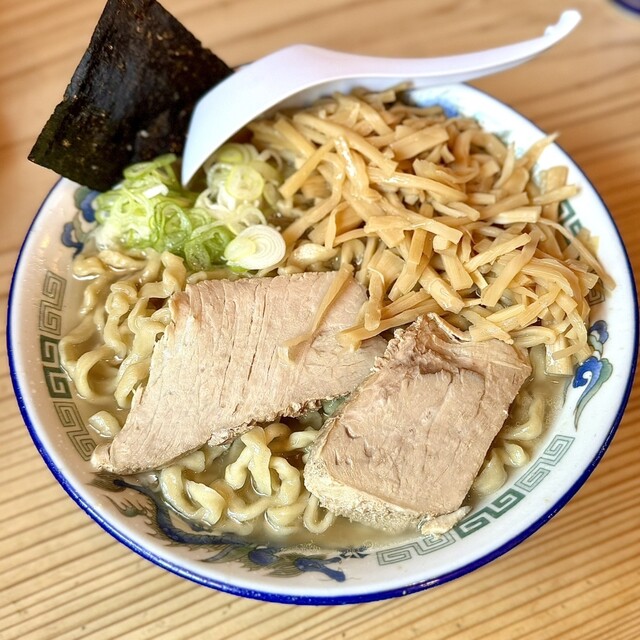
| Kenchan Ramen Yamagata | Kenchan-style niboshi ramen with hand-cut extra-thick noodles | $ | , | Nishida |
Continue exploring
More in Yamagata
Restaurants in Yamagata
Browse all →
Hotels in Yamagata
Browse all →
Wineries in Yamagata
Browse all →
At a Glance
- Cozy
- Quiet
- Classic
- Scenic
- Intimate
- Family
- Business Dinner
- Celebration
- Group Dining
- Casual Hangout
- Garden
- Private Dining
- Standalone
- Beer Program
- Sake Program
- Local Sourcing
- Garden
A relaxed Japanese dining space with a black-toned interior, sunken-floor seating, private rooms, and views of an inner garden that create a calm, elegant atmosphere.