
Tabelog 100 #33
Our verdict
Yamada Ya belongs to Yamagata’s old-school wagashi culture, where the ritual is quick, specific, and rooted in gifting as much as eating. Founded in 1931 and selected for Tabelog’s Japanese traditional sweets and sweets lists across multiple years, it is a take-out counter rather than a sit-down dessert room, with dorayaki and traditional sweets defining the visit.

Pearl is the En Primeur Club membership app, where members save venues, book tables and use the concierge.
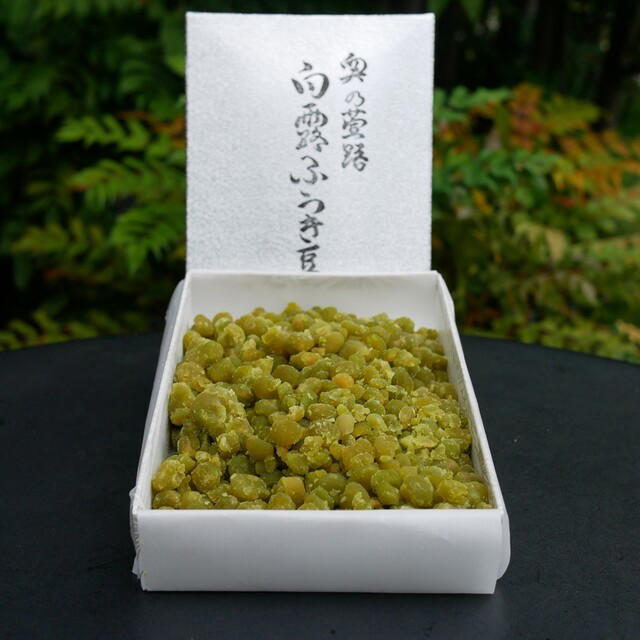
Approaching an established wagashi shop in a regional Japanese city changes the tempo of eating. The ritual is not built around lingering at a table, asking for pairings, or watching a chef perform. It is closer to an errand with cultural weight: step in, choose with purpose, carry the sweets away intact, and decide later whether they belong with tea, as a gift, or as a quiet afternoon punctuation. In Yamagata, that compact exchange carries particular force because the city’s food culture is often discussed through soba, ramen, fruit, beef, and sake, while wagashi works on a smaller register.
Yamada Ya sits inside that register. Recognized in the 2023 Tabelog Hyakumeiten listings, with a posted score of 3.69 and categories including Japanese traditional sweets and dorayaki, it belongs to the kind of shop where specialist focus matters more than dining-room theatre. The format places the emphasis on selection, packaging, timing, and the etiquette of carrying sweets through the day rather than treating them as a formal plated finale.
Yamagata wagashi, handled as a daily ritual rather than dessert theatre
Japanese traditional sweets often function differently from Western dessert. Wagashi is tied to tea, seasonality, visits, and small social obligations; a box can carry as much meaning as a plated course. In cities outside Tokyo and Kyoto, the category is often less performative and more embedded in habit. The useful question is not whether a shop produces a long tasting sequence, but whether it understands the daily grammar of sweetness: modest portions, portable formats, and flavors calibrated to accompany green tea rather than dominate a meal.
That is why the compact sweets-shop model matters. A stop like this asks the visitor to treat the purchase as part of a wider day in Yamagata, not only as a self-contained restaurant booking. It suits travelers building a route around local eating: noodles, a more formal meal, or casual evening dining elsewhere in the city. Wagashi fits between those meals rather than competing with them.
Dorayaki, one of the listed categories here, also explains the shop’s appeal to visitors who may not speak the full language of wagashi. The format is legible: two small pancakes around a sweet filling. Its simplicity is not a weakness. In traditional Japanese sweets, restraint is often the test; sweetness, texture, and portability have to align without garnish or elaborate plating.
Recognition places the shop in a serious sweets bracket
Tabelog’s Hyakumeiten selections are useful for a category like wagashi because they separate specialist shops from general dessert stops. Yamada Ya’s 2023 recognition, alongside its 3.69 score and listed focus on Japanese traditional sweets and dorayaki, gives the shop a documented position in the sweets conversation. This is not the same competitive arena as a tasting-menu restaurant or cocktail bar; the signals are quieter, but they matter in a country where small specialist formats can command deep loyalty.
Within Yamagata, that puts the shop near a different decision point from higher-spend restaurants such as Kawashima or Yakiniku Meisho Yamagyu Yamagata ten, and closer in use to another sweets address such as Eigyoku Do. The comparison is practical rather than hierarchical: a traveler choosing between dinner venues is making a different decision from a traveler choosing where to buy sweets. Yamada Ya works as a low-ceremony stop with serious credentials, while restaurants such as JAY sit in another meal category.
The broader lesson is that Yamagata rewards mixed pacing. A strong food day here does not need to stack only full meals. It can move from noodles to sweets to sake, with enough space between each stop for the city to register. For a wider map, Our full Yamagata restaurants guide is the useful anchor; travelers building a fuller itinerary can also cross-check Our full Yamagata hotels guide, Our full Yamagata bars guide, Our full Yamagata wineries guide, and Our full Yamagata experiences guide.
How to fold a sweets stop into a larger Japan itinerary
For travelers moving across Japan, the value of a specialist sweets counter is that it sharpens the sense of place without requiring another large meal. It belongs in the same itinerary logic as a focused regional restaurant, a sake bar, or a single-purpose casual shop. That may mean pairing Yamagata with heavier dining elsewhere in Japan, or using lighter unnamed stops in other cities to keep the route varied.
The same principle applies beyond Japan. A concise food stop can define a neighborhood as clearly as a long dinner when the format is disciplined. That is why a traveler might place a Yamagata wagashi counter in the same mental category as other tightly focused food stops: not because the food is similar, but because the experience is narrow, readable, and rooted in a clear eating custom.
The editorial case for Yamada Ya is therefore not built on spectacle. It is built on a sweets-shop ritual, 2023 Tabelog Hyakumeiten recognition, a 3.69 score, and a category that rewards precision over display. In a city where many visitors arrive hungry for noodles or regional produce, making room for wagashi gives the day a different kind of structure.
Frequently asked questions
What's Yamada Ya's location?
Yamada Ya is located in Yamagata.
What should I budget for a meal at Yamada Ya?
Pricing at Yamada Ya is listed as - JPY 999 - JPY 999 View spending breakdown.
How hard is it to get a table at Yamada Ya?
Yamada Ya is best treated as a focused sweets stop rather than a long restaurant booking. Its 2023 Tabelog Hyakumeiten recognition and listed pricing of - JPY 999 - JPY 999 make it an accessible, low-ceremony visit in Yamagata.
What is Yamada Ya known for?
Yamada Ya is known for Japanese traditional sweets and dorayaki in Yamagata.
Style and Standing
Nearby venues at a similar price tier for orientation.
| Venue | Cuisine | Price | Awards | Notes |
|---|---|---|---|---|
| Yamada YaThis venue (the venue you are viewing) | Japanese traditional sweets | $1–10 | Tabelog 100 #33 | Not listed |
| Soneta Yakitoriya | Traditional Yakitori | $20–30 | Tabelog 100 #71 | Kasumicho |
| Goryouriya Ito | Seasonal Japanese Kaiseki | $50–100 | Tabelog 100 #85 | Not listed |
| Chuka Soba Dokoro Konpiraso | Traditional Japanese ramen (chuka soba) | $1–10 | Tabelog 100 #12 | Sanze |
| Izakaya Denshichi | Traditional Japanese Izakaya | $30–50 | Tabelog 100 #22 | near Yamagata Station (east exit) |
| Kenchan Ramen Yamagata | Kenchan-style niboshi ramen with hand-cut extra-thick noodles | $1–10 | Tabelog 100 #21 | Nishida |
Recognition history
Dated appearances from independent guides and award organizations, with the underlying list record or original source where available.
Tabelog 100 #33 · No. 33
Tabelog · Tabelog 100 - Japanese traditional sweets / Japanese sweets cafe - EAST - 2023
Continue exploring
More in Yamagata
Restaurants in Yamagata
All restaurants in Yamagata →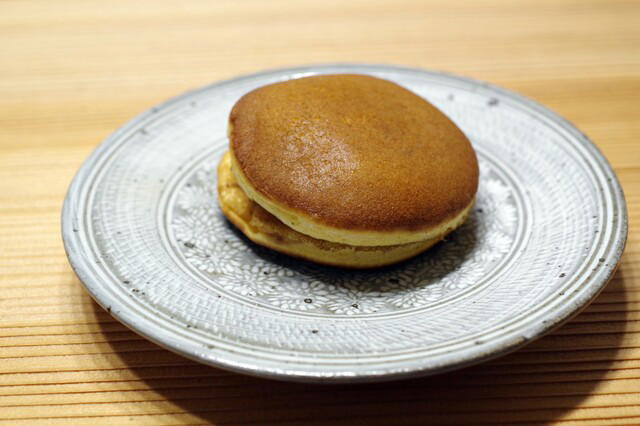
Hotels in Yamagata
Browse all →

Wineries in Yamagata
Browse all →
Details
- Classic
- Cozy
- Solo
- Casual Hangout
- Standalone
- Street Scene
- A La Carte
- Vegetarian Friendly
- Vegan Options
A modest, traditional Japanese sweet shop atmosphere with a simple, unpretentious feel focused on product quality rather than dining-room theatrics.