Our verdict
In the mountains of Gifu Prefecture, 摘草料理 かたつむり (Tsumikusa Ryori Katatsumuri) practices tsumikusa ryori — a discipline of cooking built around foraged mountain greens and wild plants gathered from the surrounding terrain. The format sits firmly in Japan's rural fine-dining tradition, where seasonal proximity and ingredient sourcing carry more weight than kitchen spectacle. Reservations are essential and planning ahead is advised for visitors travelling from Yamagata city.

Pearl is the En Primeur Club membership app — saves, bookings, and concierge access live there. Same editors, same standards.
- Address
- 502 Nagataki, Yamagata, Gifu 501-2135, Japan
- Phone
- +819054979792
- Hours
- Daily 12–2 PM, 6–9 PM
- Website
- restaurant.ikyu.com
- Directions
- Get directions
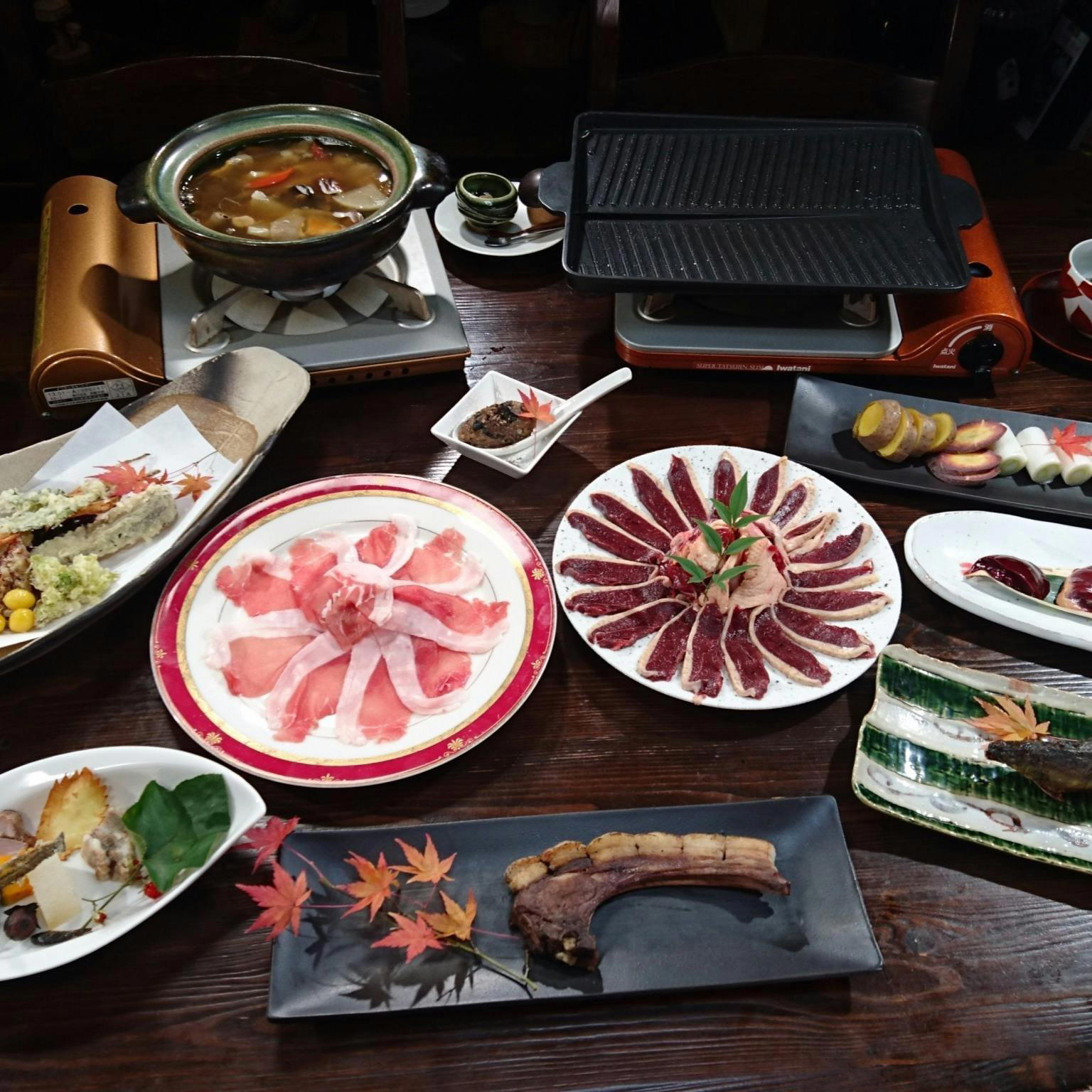
Mountain Foraging as Menu Architecture
There is a category of Japanese restaurant that makes the sourcing of ingredients its structural argument. Not as a talking point printed on a menu card, but as the organizing logic of every dish, every season, every course. Tsumikusa ryori — literally "plucked-grass cuisine" — is one of the older expressions of that philosophy, rooted in the practice of gathering wild mountain plants before they are cooked or preserved. 摘草料理 かたつむり, situated in Nagataki in the mountains of Gifu Prefecture (postal address: 502 Nagataki, Yamagata, Gifu 501-2135), operates inside this tradition with a seriousness that separates it from the broader wave of "farm-to-table" framing that has softened the concept elsewhere.
The name itself is a signal. Katatsumuri means snail in Japanese, an animal associated with slowness, moisture, and the kind of terrain where wild greens actually grow. Combined with tsumikusa ryori, the name describes both the method and the pace: ingredient-first cooking that follows the rhythm of what the surrounding mountain environment offers, not what a supply chain can deliver. In that sense, the menu architecture here is not designed in a kitchen. It is assembled in the field first, then interpreted at the stove.
What Tsumikusa Ryori Actually Means on the Plate
Japan has a long-established vocabulary for regional, terrain-specific cooking. Kaiseki formalizes seasonal precision into a codified sequence; shojin ryori applies Buddhist restraint to plant-based preparation; sansai ryori focuses on mountain vegetables gathered from forested slopes. Tsumikusa ryori sits closest to that last tradition, though it carries a more intimate, less institutionalized character. The dishes tend to reflect immediate availability rather than a fixed seasonal template, which means the menu at a place like かたつむり shifts not just season by season but week by week, depending on what the surrounding terrain is producing.
This creates a kind of menu architecture that resists standardization. There is no set piece dish that defines the restaurant the way a signature preparation might anchor a kaiseki counter in Kyoto. Instead, the structure is cumulative: small preparations, each plant or green handled according to its own texture and flavor profile, building toward a picture of the mountain at a specific moment in time. Restaurants in Japan's cities that attempt this format, and several do, in Osaka, Tokyo, and Kyoto, must work through intermediaries and scheduled deliveries. A restaurant physically located in the mountain terrain it draws from operates under different conditions entirely.
For points of comparison within Japan's broader fine-dining conversation, venues like Gion Sasaki in Kyoto or HAJIME in Osaka represent the end of the spectrum where technical mastery and formal kaiseki logic dominate. Harutaka in Tokyo and akordu in Nara show how ingredient-led thinking can coexist with formal structure. かたつむり represents the opposite pole: a place where the terrain dictates the format, not the other way around.
The Setting as Context, Not Backdrop
Nagataki sits in a valley in Gifu Prefecture, in the mountainous interior of Honshu. This is not a city-adjacent countryside destination. Getting here from Yamagata city in Gifu, or from larger transit hubs, requires deliberate planning and likely a car or arranged transport. That physical remove is not incidental to what the restaurant does, it is constitutive of it. The logic of tsumikusa ryori depends on proximity to source terrain, and the surrounding landscape here provides exactly the kind of forested, moisture-rich mountain environment where wild greens, edible plants, and seasonal herbs grow in quantity and variety.
Japan has a broader tradition of destination dining in rural or mountainous settings, where the journey is understood as part of the experience rather than an obstacle to it. Venues like 湖畔荘 in Takashima and 鷹羽荘 in Nishikawa Machi operate in similar registers, places where the setting is inseparable from the food's meaning. In that company, かたつむり makes geographic sense: you are not travelling despite the location, you are travelling because of it.
Planning and Practical Considerations
Specific booking methods, hours, and pricing are not publicly listed through standard channels, and the venue does not appear to maintain an accessible website or phone number in international directories. This is consistent with a category of small, rural Japanese restaurant that operates primarily through local knowledge, repeat visitors, and word-of-mouth referral. Visitors planning a trip should research current contact methods through Japan-based travel specialists or regional tourism resources well in advance of intended travel.
For those building a wider Yamagata and Gifu itinerary, the full Yamagata restaurants guide covers the broader dining picture, including urban options like Chuka Soba Dokoro Konpiraso, イル・コテキーノ, クレド, and レストラン パ・マル. Each represents a different register of the city's dining scene, useful context for understanding where かたつむり sits relative to the region's broader offerings.
The restaurant's rural location and format type also place it in a peer group with other mountain-terrain and nature-led dining experiences across Japan. 古代山乃 in Sapporo, 三本松 石川製 in Nanao, and Goh in Fukuoka each demonstrate, in their own ways, how regional Japanese cooking can carry national critical relevance without operating in a major urban center. Birdland in Sakai and Bistro Ange in Toyohashi further illustrate how destination dining outside Japan's main cities continues to attract serious attention. Even internationally, the shift toward terrain-specific tasting formats, visible at places like Le Bernardin in New York City and Atomix in New York City, reflects an appetite for menus that carry a legible argument about place and sourcing.
Frequently asked questions
Where is 摘草料理 かたつむり located?
摘草料理 かたつむり is located at 502 Nagataki, Yamagata, Gifu 501-2135, Japan, Yamagata.
Is 摘草料理 かたつむり suitable as a day trip from Nagoya or Gifu City?
Nagataki, Gifu, sits in a mountainous interior valley roughly in the direction of the Gujo highlands, making it a destination that requires deliberate routing rather than a casual detour. Road conditions and transit links in this part of Gifu Prefecture mean that travel time from Gifu City or Nagoya can be substantial depending on the season. Most visitors with a serious interest in the cooking treat it as a standalone destination rather than a stop on a broader itinerary.
What should I eat at 摘草料理 かたつむり?
The kitchen is organised around tsumikusa ryori, a style of cooking that centres on foraged mountain plants, wild herbs, and terrain-specific ingredients gathered from the surrounding Gifu highlands. Dishes follow what is seasonally available from the slopes around Nagataki rather than a fixed printed menu, so the selection shifts through the year. Expect preparations rooted in regional Japanese tradition, with the foraged ingredient as the primary subject rather than a garnish.
How far ahead should I plan for 摘草料理 かたつむり?
The venue does not maintain a publicly listed booking channel or website, which means advance planning here starts with sourcing a contact method before a reservation can even be made. Given that Nagataki sits in a remote valley in Gifu Prefecture with limited accommodation nearby, visitors typically need to coordinate lodging and transport alongside any booking. Building in several weeks of lead time at minimum is advisable, particularly if travelling from outside the Chubu region.
What makes 摘草料理 かたつむり worth seeking out?
The address at 502 Nagataki places this restaurant in one of Honshu's more isolated mountain valleys, and the journey itself filters the clientele to those with a specific reason to arrive. The cooking category, tsumikusa ryori, is not widely represented in accessible urban dining; the style depends on proximity to the terrain being foraged, which is precisely what this location provides. For anyone researching Japan's regional, non-urban food traditions, this is one of the few places operating inside the source landscape rather than importing it.
Standing Among Peers
Comparable venues nearby, for context on price, style, and recognition.
| Venue | Cuisine | Price | Awards | Notes |
|---|---|---|---|---|
| 摘草料理 かたつむりThis venue — the venue you are viewing | 摘草・ジビエ料理 | $100–150 | Not listed | Not listed |
| レストラン横倉 | Yoshoku and Ski Resort Comfort Food | $10–20 | Not listed | Zao Onsen |
| Kawashima | Chicken-focused Japanese set-menu dining | $50–100 | Tabelog 100 #89 | Nanukamachi |
| Kanazawa Ya Gyuniku Ten | Traditional Yamagata beef sukiyaki & shabu-shabu | $50–100 | Tabelog 100 #52 | Nanokamachi |
| Chuka Soba Dokoro Konpiraso | Yamagata Chuka Soba | $10–20 | Not listed | Sanze |
| クレド | Modern French | $50–100 | Tabelog 100 #35 | Iida |



Details
- Rustic
- Cozy
- Intimate
- Elegant
- Special Occasion
- Standalone
- Local Sourcing
- Set Menu
Current opening hours
- Monday
- 12–2 PM, 6–9 PM
- Tuesday
- 12–2 PM, 6–9 PM
- Wednesday
- 12–2 PM, 6–9 PM
- Thursday
- 12–2 PM, 6–9 PM
- Friday
- 12–2 PM, 6–9 PM
- Saturday
- 12–2 PM, 6–9 PM
- Sunday
- 12–2 PM, 6–9 PM
Hours can change for holidays and private events. Last verified .
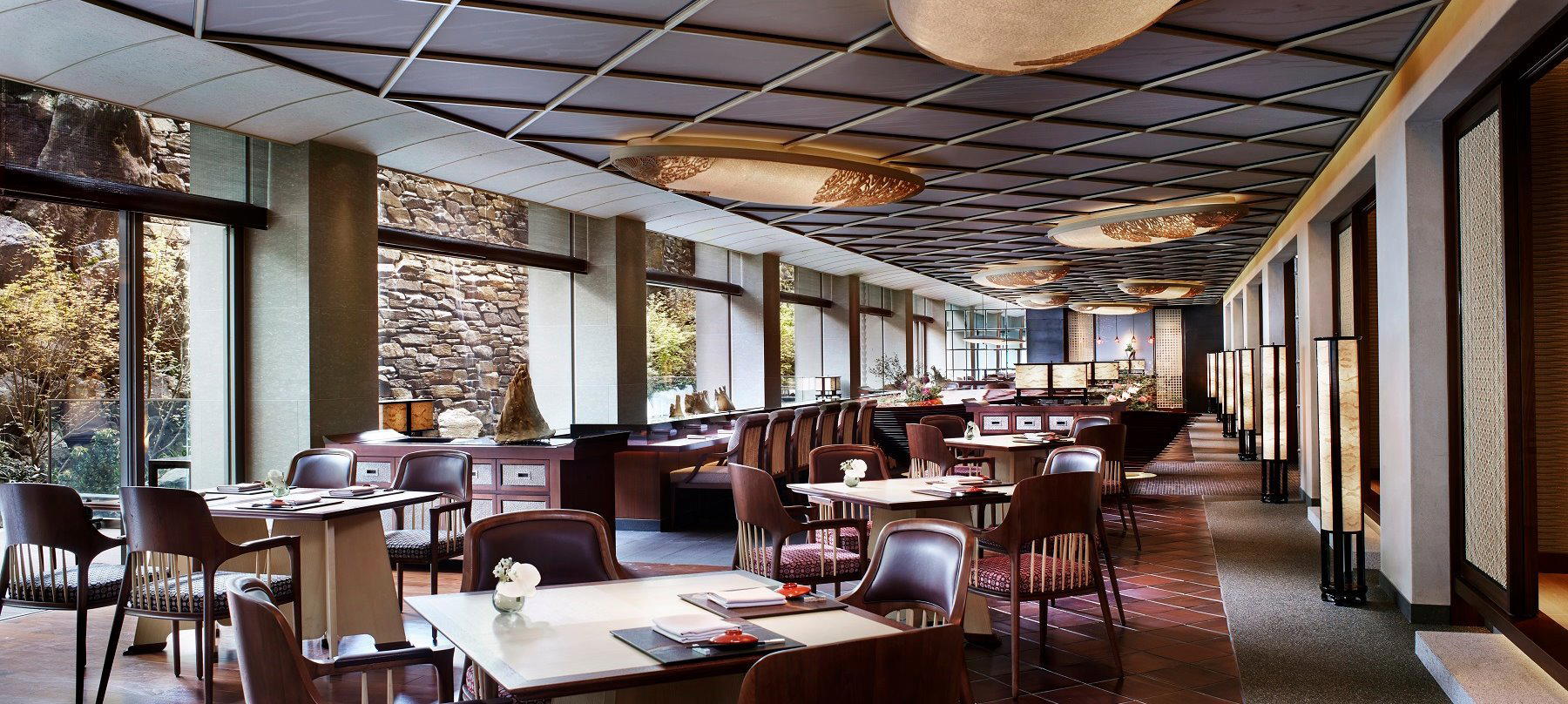
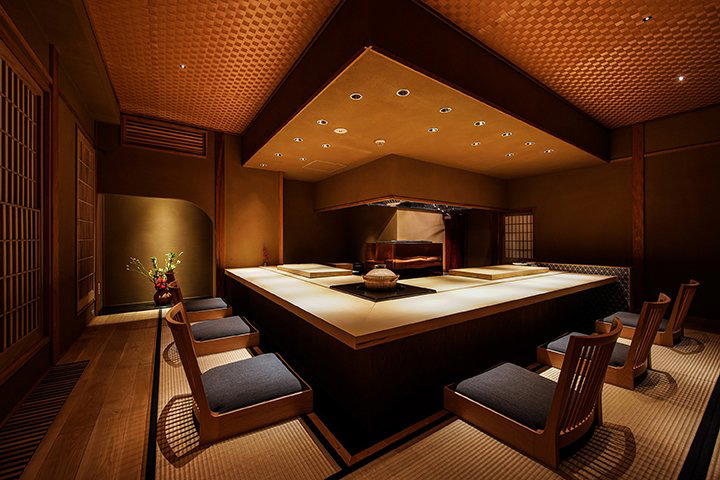
民家風の平屋で温かみのある素朴な雰囲気。