
Yamagata’s izakaya culture is strongest when fish, sake, and small-room discipline carry the evening rather than spectacle. Izakaya Denshichi sits in that serious local tier: a 26-seat tavern selected for Tabelog 100 Izakaya EAST in 2024 and 2025, with a fish-led kitchen and a drinks program built around nihonshu and shochu.
Pearl is the En Primeur Club membership app — saves, bookings, and concierge access live there. Same editors, same standards.
- Address
- 5-1 Saiwaicho, Yamagata, 990-0042, Japan
- Phone
- +81 23-622-4434
- Website
- denshichi.owst.jp
- Directions
- Get directions
 Saves & bookings on Pearl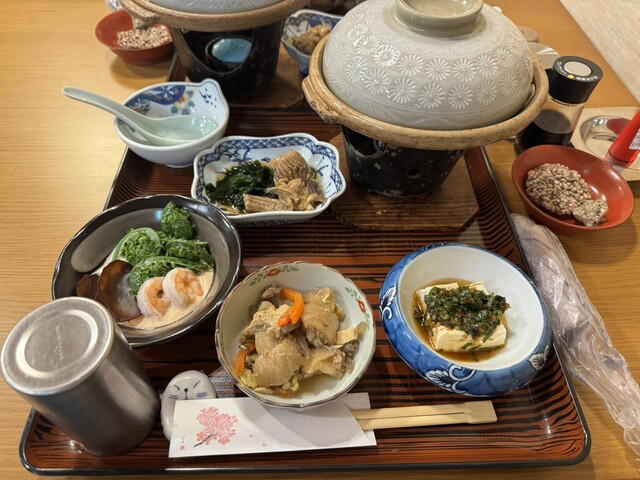
Approaching Yamagata’s station-side dining streets at night, the city’s serious eating tends to announce itself quietly: short service windows, compact rooms, and menus that assume the table will drink as attentively as it eats. The izakaya here is not a casual prelude to dinner; it is often the dinner itself, with fish, sake, shochu, and a sequence of small plates doing the work that tasting menus handle elsewhere. Izakaya Denshichi belongs to that tradition, a 26-seat room whose Tabelog 100 Izakaya EAST selections in 2024 and 2025 place it in a regional category where consistency matters more than décor theatre.
Fish-led izakaya cooking in a sake country city
Yamagata’s food identity is frequently discussed through rice, mountain vegetables, fruit, and beef, but its drinking culture gives fish a different role: not as coastal bragging rights, but as a counterweight to local sake. In a proper izakaya sequence, grilled, simmered, fried, and raw preparations can all appear without the formality of a kaiseki progression. The point is balance, salt, fat, texture, and temperature set against the glass.
That is where Izakaya Denshichi’s positioning is useful. The kitchen is marked as particular about fish, while the drinks side is equally specific about nihonshu and shochu. Those two signals explain the restaurant better than a long menu inventory would. This is the izakaya as sourcing-and-pairing format, not a general tavern throwing every regional speciality onto one card. For travellers using our full Yamagata restaurants guide, it represents the city’s adult evening register: less about sightseeing consumption, more about how locals structure a table around drinking food.
The comparison set in Yamagata helps define the tier. Tachinomi En and Soneta Yakitoriya operate at leaner price bands, useful for standing drinks or skewers. Yakiniku Meisho Yamagyu Yamagata ten sits in a meat-focused lane, with a higher dinner bracket tied to beef. Eigyoku Do, also useful to know through Eigyoku Do, belongs to a lower-cost everyday register. Against that spread, Denshichi occupies the mid-evening, fish-and-sake slot: serious enough to plan around, informal enough to keep the izakaya rhythm intact.
The value of a small room is control, not exclusivity
In Japan’s regional cities, small capacity is often a practical discipline rather than a luxury pose. A 26-seat izakaya can pace frying, grilling, slicing, and drinks service without turning dinner into a production line. It also narrows the margin for vague ordering. The stronger move is to treat the meal as a drinking table with food, choosing across fish preparations and letting sake or shochu define the tempo.
Tabelog’s Hyakumeiten lists are useful here because they reward category strength rather than international glamour. Selection for the Izakaya EAST list in consecutive years signals that Denshichi is being judged against other taverns across eastern Japan, not only against nearby casual restaurants. That matters in a city where the difference between a pleasant drink and a destination izakaya can be a few details: freshness of fish handling, breadth of sake, timing from kitchen to table, and whether the room encourages another round without stretching the night.
There is also a practical cultural distinction. Tokyo izakaya often split into concept-heavy formats, seafood specialists, sake bars, yakitori counters, neo-izakaya rooms, and nostalgia-driven taverns. Yamagata’s stronger rooms tend to feel more integrated. The fish, rice-country drinking habits, and compact urban geography sit closer together. A traveller could build a wider regional itinerary around Chuka Soba Dokoro Konpiraso for ramen, Goryouriya Ito for a different restaurant register, JAY, and Kanazawa Ya Gyuniku Ten; the izakaya slot remains the clearest way to read how the city drinks.
How to place it in a Yamagata itinerary
The right expectation is a focused local tavern, not a chef-narrative restaurant. No public chef biography is needed to understand the appeal; the stronger evidence is format, recognition, fish emphasis, and the drinks categories. Reservations are available, which matters for a compact room, and the venue’s no-parking status makes it better suited to a station-area evening than a driving itinerary. Smoking is allowed, a material detail for travellers who are sensitive to room conditions.
For a broader Yamagata stay, the meal pairs naturally with the city’s slower travel rhythm: hot springs, snow-country produce, sake, and rail-linked evenings rather than late-night sprawl. Planning beyond the table is easier through our full Yamagata hotels guide, our full Yamagata bars guide, our full Yamagata wineries guide, and our full Yamagata experiences guide. Travellers extending the Japan dining thread can compare different regional formats through -Grilled beef Sukiyaki- KAMAKURA TANUKIAN 鎌倉 たぬき庵 in Kamakura. 鮪と炭火焼き うお炭 秋葉原店 in Tokyo.cafe in Osaka.know in Kumamoto, (Shoku) Vietnam in Kawasaki, and [Curry Senmon Ten] Maruyama Kyoju. in Sapporo. Outside Japan, Jōdo Saké Bar in Los Angeles and Onigiri Time in Pasadena show how Japanese drinking and rice-based formats travel, though the Yamagata version is defined by proximity to its own sake culture.
The editorial call is simple: choose Denshichi when the evening calls for a fish-forward izakaya rather than ramen, beef, or a quick standing drink. Its value lies in category clarity. In a city with deep agricultural identity and serious sake habits, that clarity is enough.
Comparison Snapshot
Comparable venues by cuisine and price in the same metro.
| Venue | Cuisine | Price | Notes |
|---|---|---|---|
| Izakaya Denshichi | Traditional Japanese Izakaya | $$$ | near Yamagata Station (east exit) |
| Kanazawa Ya Gyuniku Ten | Traditional Yamagata beef sukiyaki & shabu-shabu | $$$ | Nanokamachi |
| Yakiniku Meisho Yamagyu Yamagata ten | Yamagata Beef Yakiniku | $$ | Hatagomachi |
| Kenchan Ramen Yamagata | Kenchan-style niboshi ramen with hand-cut extra-thick noodles | $ | Nishida |
| Eigyoku Do | Traditional Japanese wagashi & dorayaki cafe | $ | Yamagata |
| JAY | Dining | Not listed | Yamagata |
Recognition history
Dated appearances from independent guides and award organizations, with the underlying list record or original source where available.
Tabelog 100 #22 · No. 22
Tabelog · Tabelog 100 - Izakaya - EAST - 2025
Continue exploring
More in Yamagata
Restaurants in Yamagata
Browse all →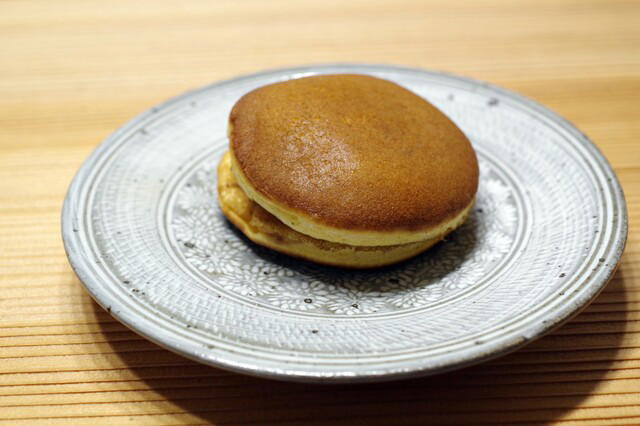
Hotels in Yamagata
Browse all →
Wineries in Yamagata
Browse all →
At a Glance
- Cozy
- Classic
- Lively
- Intimate
- After Work
- Casual Hangout
- Group Dining
- Solo
- Date Night
- Standalone
- Sake Program
- Beer Program
- Local Sourcing
Current opening hours
- Monday
- 5:30–9:30 PM
- Tuesday
- 5:30–9:30 PM
- Wednesday
- 5:30–9:30 PM
- Thursday
- 5:30–9:30 PM
- Friday
- 5:30–9:30 PM
- Saturday
- 5:30–9:30 PM
- Sunday
- Closed
Hours can change for holidays and private events. Last verified .
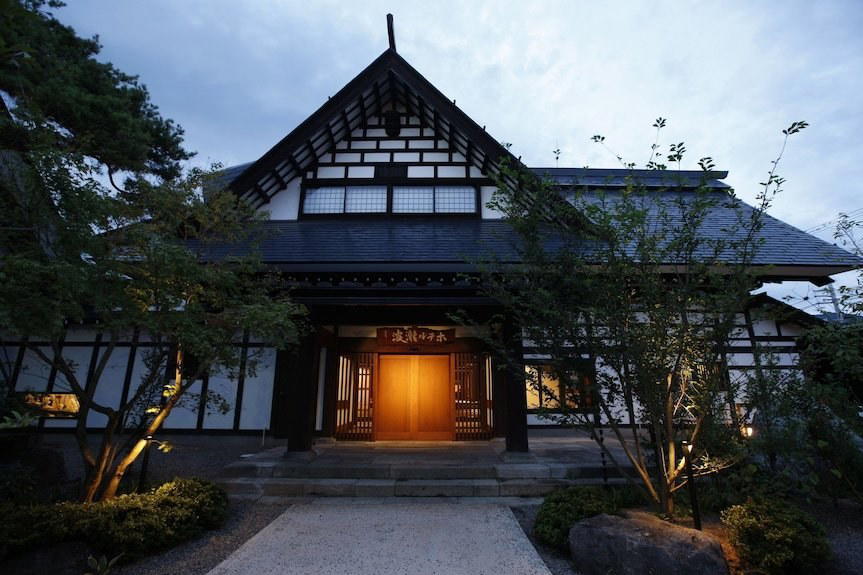
Traditional Japanese interior with mainly tatami floor seating and a small counter, relaxed and comfortable, welcoming to solo diners and small groups, with a warm, lived‑in izakaya feel rather than a modern design space.