Our verdict
In Yamagata, where cold winters and agricultural depth have long shaped a distinct regional table, Chuka Soba Dokoro Konpiraso represents the kind of neighbourhood ramen shop that serious eaters seek out precisely because it operates without fanfare. The kitchen draws on Yamagata's produce traditions, and the bowl reflects a regional identity that diverges meaningfully from Tokyo or Sapporo ramen orthodoxy.

Pearl is the En Primeur Club membership app — saves, bookings, and concierge access live there. Same editors, same standards.
- Address
- Yamagata, Japan
- Directions
- Get directions
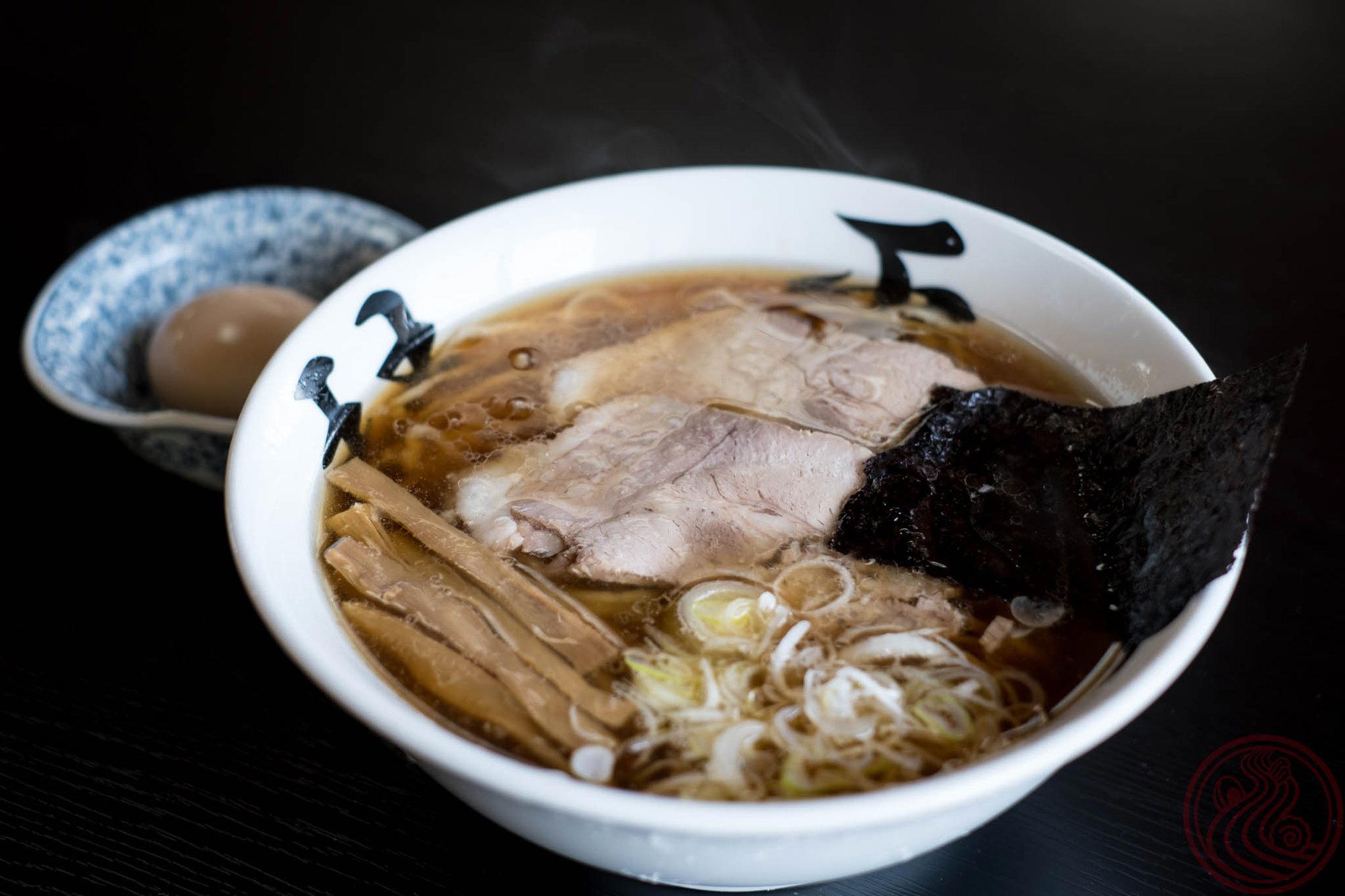
The menu
What to order
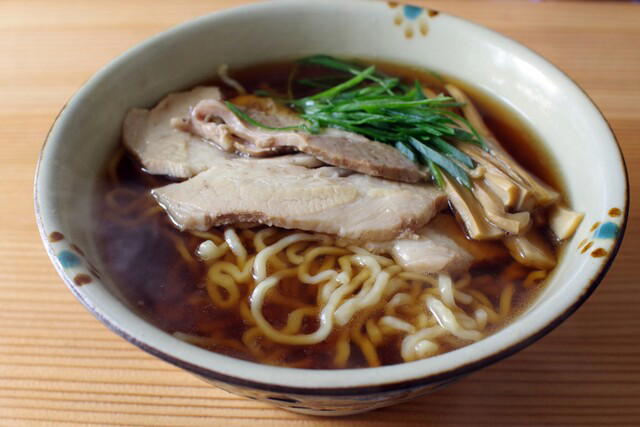
- Chuka Soba
- Chashu Ramen
Ramen as Regional Statement: Yamagata's Cold-Weather Bowl Culture
In Japan's ramen geography, Yamagata Prefecture occupies a position that most travelers overlook. Sandwiched between the Pacific-facing warmth of Miyagi and the Sea of Japan's heavy snowfall on the Akita side, Yamagata has developed a cold-weather food culture built on agricultural self-sufficiency — a condition that shaped its ramen in ways that distinguish it from the celebrity bowls of Sapporo, Hakata, or Tokyo's Nishi-Ogikubo. Chuka Soba Dokoro Konpiraso sits inside this tradition, operating as a local specialist in a city where the ramen conversation is conducted quietly and seriously, without the international press that follows Michelin-rated counters like Harutaka in Tokyo or multi-course kaiseki rooms like Gion Sasaki in Kyoto.
The name itself carries regional weight. Konpira is associated with the Kotohira shrine network that extends across Japan, lending a sense of place and local rootedness that distances the shop from the franchise and chain ramen economy that dominates many provincial cities. In Yamagata, shops that trade on this kind of local naming tend to function as neighbourhood anchors, places where regulars arrive on weekday lunches and where the kitchen's sourcing decisions are made at the prefecture level, not the national distribution level.
What Yamagata Puts in the Bowl
The ingredient story in Yamagata ramen is inseparable from the prefecture's agricultural identity. Yamagata is Japan's leading producer of several cold-climate crops, including a significant proportion of the country's edamame, and its mountain-fed water systems support the kind of clean, mineral-forward stock bases that work in soy-seasoned broths. The region's proximity to tended rice paddies and upland vegetable farms means that seasonal garnishes in a Yamagata bowl can reflect genuine provenance rather than the generic sourcing that supplies most urban ramen chains.
This is the editorial lens through which Chuka Soba Dokoro Konpiraso is worth reading. In a city where Italian-influenced spots like イル・コテキーノ and European bistro formats like クレド and レストラン パ・マル compete for dinner-time attention, the ramen specialist occupies a different position entirely. It serves a format that Yamagata residents have eaten through generations, and it does so in conversation with local supply rather than against a cosmopolitan template. For a more explicitly foraged and ingredient-driven reading of Yamagata's produce depth, 摘草料理 かたつむり offers a kaiseki-adjacent approach to the same mountain-valley terroir.
The Physical Register of a Yamagata Ramen Shop
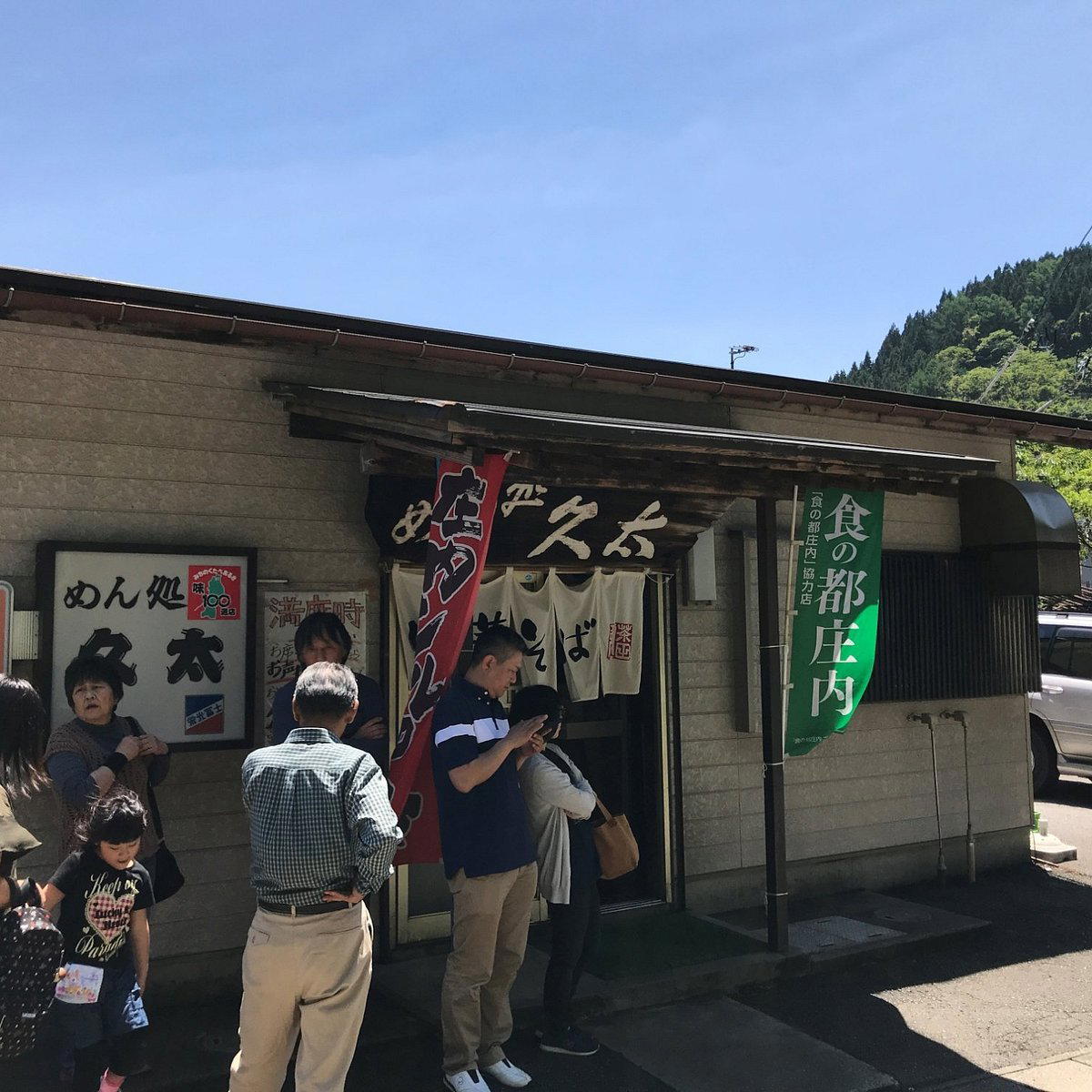
Arriving at a shop like Konpiraso means reading a particular set of physical cues that signal seriousness within the neighbourhood ramen tier. The absence of elaborate branding, the queue management that forms outside before opening, the worn wooden fittings that accumulate meaning over years of daily service — these are not aesthetic choices but functional signals. They tell a regular customer that the kitchen's attention is directed at the bowl rather than at the room's staging.
Yamagata's winters, which regularly push well below freezing, make the heated interior of a well-run ramen shop a genuine shelter rather than a constructed atmosphere. The warmth is utilitarian, and the experience it shapes is accordingly direct: sit, order, eat. This compressed social format is part of why neighbourhood ramen culture in cities like Yamagata remains distinct from the longer, more ceremonial formats found at places like HAJIME in Osaka or akordu in Nara. The ramen shop does not ask for your evening, it asks for your lunch hour, and it delivers within it.
Yamagata's Dining Scene: What Surrounds Konpiraso
Yamagata city has built a dining identity that punches above its prefectural population. The city's fruit production, particularly its Yamagata cherries and La France pears, supplies pastry programs and dessert courses at the city's more formal tables. Its cold-water rivers yield trout and sweetfish that appear in both washoku and hybrid French menus. Within this context, the ramen shop functions as the baseline, the format that carries the most daily volume and that connects most directly to what ordinary Yamagata residents eat across a year.
Japan's regional ramen specialists often go unrecognized by the award frameworks that track high-end dining. The Michelin Guide's prefectural coverage of Tohoku has historically been thinner than its Tokyo or Kyoto output, which means that shops operating at the quality level of Konpiraso may not carry a star but function as local reference points recognized by food journalists and regional food media rather than international guides. This is a different kind of credential, harder to verify from the outside, but meaningful within the local eating conversation. For comparison, other Japan-wide specialists recognized by formal award programs include Goh in Fukuoka and regionally anchored operations like 一本杉川島 in Nanao.
Planning a Visit
Yamagata city is accessible by shinkansen from Tokyo on the Yamagata Shinkansen line, with journey times of approximately two and a half hours from Tokyo Station. The city sits at the center of a prefecture that warrants more than a single-day visit, the Dewa Sanzan mountain shrines to the northwest, the Zao mountain range to the south, and the Ginzan Onsen hot spring village to the north collectively make Yamagata one of Tohoku's more coherent travel destinations for visitors willing to move beyond the major Honshu cities.
For a shop at this tier, practical logistics are best confirmed locally on arrival or through current Japanese-language resources, as hours, seating, and queue systems at neighbourhood ramen specialists can change seasonally or without advance notice. The absence of a published reservation system at most Yamagata ramen shops reflects the format's walk-in, counter-service character rather than any limitation on quality. Visitors planning a broader Yamagata dining day should consult our full Yamagata restaurants guide for context on how the city's ramen tier sits alongside its French and Italian operations.
Other regional Japanese specialists operating in similarly low-profile markets include 友好山乃 in Sapporo, 湖畔荘 in Takashima, and 鷹羽屋 in Nishikawa Machi, the last of which is geographically close to Yamagata city and worth noting for visitors extending into the mountain corridor west of the city. For those coming from further afield, the Tohoku food circuit that includes Yamagata connects usefully with destinations like Birdland in Sakai and Bistro Ange in Toyohashi for travelers routing through central Honshu.
Frequently asked questions
Is Chuka Soba Dokoro Konpiraso a good ramen stop after arriving by shinkansen from Tokyo to Yamagata?
Yamagata city is approximately two and a half hours from Tokyo on the Yamagata Shinkansen, making a dedicated ramen visit logistically straightforward for a day trip or an overnight stay. Konpiraso, as a neighbourhood chuka soba shop in Yamagata city, represents the kind of regional-specific bowl that doesn't translate to Tokyo or Sendai equivalents. For anyone arriving via shinkansen specifically to eat in Yamagata, a shop operating at this traditional register makes a coherent first stop.
What should I eat at Chuka Soba Dokoro Konpiraso?
Konpiraso operates within Yamagata's chuka soba tradition, where the bowl typically centres on a soy-based broth built for the prefecture's harsh winters. Yamagata ramen shops at this neighbourhood tier tend to keep the menu tight, with the core soba offering carrying the identity of the house. Ordering the standard chuka soba is the clearest way to read what the kitchen is about.
How hard is it to get a table at Chuka Soba Dokoro Konpiraso?
Konpiraso sits in the neighbourhood ramen tier in Yamagata city, a category where seating is typically compact and turnover-driven rather than reservation-based. Serious local shops at this level in Japan often draw lunch queues that form before opening, particularly on weekends. Arriving early or timing a visit outside the midday peak is the practical approach.
What's the defining dish or idea at Chuka Soba Dokoro Konpiraso?
The defining idea is Yamagata's cold-weather bowl culture, which the shop represents at a neighbourhood level. Yamagata ramen is built around a soy-tare broth calibrated for Tohoku winters, using locally sourced ingredients that reflect the prefecture's agricultural output. The shop's name, Konpiraso, signals a traditional register that prioritises the craft of the bowl over ambient theatrics.
Is Chuka Soba Dokoro Konpiraso overpriced or worth every penny?
Neighbourhood ramen shops in Yamagata city typically price a bowl between ¥800 and ¥1,200, placing them at a fraction of the cost of Tokyo's destination-ramen counters. Konpiraso operates in that same regional pricing bracket, where value is measured against craft and local sourcing rather than room design or chef prestige. At that price point, the question of value rarely applies.
At-a-Glance Comparison
Comparable venues nearby, for context on price, style, and recognition.
| Venue | Cuisine | Price | Awards | Notes |
|---|---|---|---|---|
| Chuka Soba Dokoro KonpirasoThis venue — the venue you are viewing | Yamagata Chuka Soba | $10–20 | Not listed | Not listed |
| Soneta Yakitoriya | Traditional Yakitori | $20–30 | Tabelog 100 #71 | Kasumicho |
| Teuchi Soba Umesoba | Traditional Hand‑made Soba | $10–20 | Tabelog 100 #12 | / Yamagata Station area |
| Yamada Ya | Japanese traditional sweets | $1–10 | Tabelog 100 #33 | Honcho |
| 摘草料理 かたつむり | 摘草・ジビエ料理 | $100–150 | Not listed | Yamanashi |
| Eigyoku Do | Traditional Japanese wagashi & dorayaki cafe | Not listed | Tabelog 100 #57 | Yamagata |
Details
- Classic
- Rustic
- Scenic
- Casual Hangout
- Family
- Solo
- Standalone
- Waterfront
- A La Carte
- Counter Dining
Relaxing traditional Japanese space with tatami rooms and spacious seating overlooking ocean views, operating seasonally from October through May.