


Tabelog 100 #29
Our verdict
レストラン パ・マル occupies a quiet address in Nanukamachi, one of Yamagata city's older commercial streets, and represents the kind of European-leaning dining room that provincial Japanese cities quietly support without much fanfare. The restaurant positions itself in a dining tier distinct from the region's ramen counters and izakayas, offering a more considered format for visitors and locals seeking a sit-down meal with European reference points.

Pearl is the En Primeur Club membership app — saves, bookings, and concierge access live there. Same editors, same standards.
- Address
- 2 Chome-3-16 Nanukamachi, Yamagata, 990-0042, Japan
- Phone
- +81236871099
- Hours
- Mon–Tue 12–3 PM, 6–11 PMWed ClosedThu–Sun 12–3 PM, 6–11 PM
- Website
- yamagatafrench-pasmal.com
- Directions
- Get directions
- Booking
- Book on the venue's website
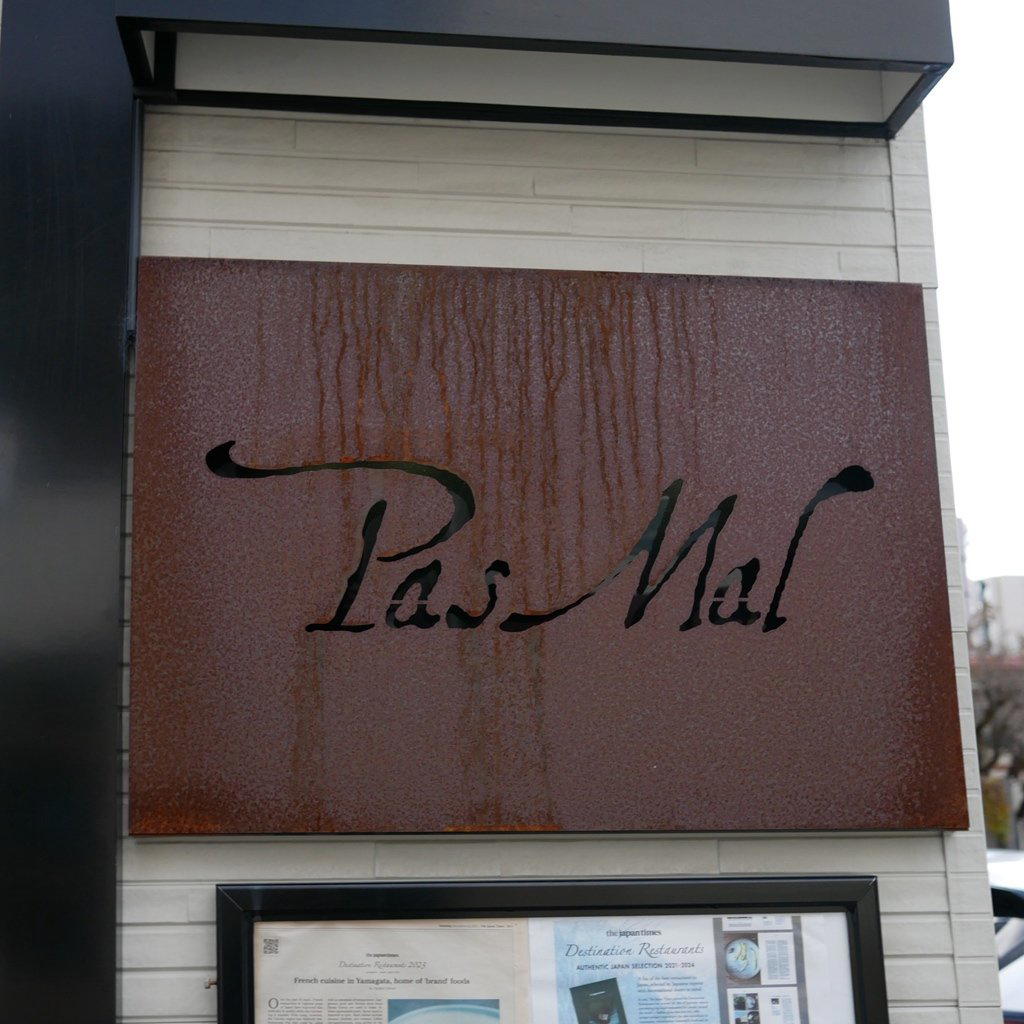
Nanukamachi and the Case for Dining Outside the Obvious
Yamagata city is not a place most food-focused travelers put at the top of their itinerary. The prefecture earns attention for its cherries, its hot springs at Zao, and the austere beauty of Yamadera temple. The city itself, however, contains a dining culture that rewards those who slow down enough to notice it. Nanukamachi — the address where レストラン パ・マル is located — is one of the older commercial corridors in central Yamagata, a street that has retained a degree of neighbourhood character that the newer retail zones around Yamagata Station have traded away for convenience. Restaurants that plant themselves here are typically making a quiet statement about their intended clientele: local regulars, returning visitors, people who prefer a street with some history underfoot.
That geographic choice matters more than it might appear. Yamagata's dining scene splits fairly cleanly between the casual and the considered. On one end sit the ramen shops, and Yamagata's cold ramen tradition is serious enough to draw specialists from across Japan, alongside izakayas serving the prefecture's excellent sake alongside grilled skewers. On the other end, a smaller tier of restaurants occupies a European-influenced format, the kind of room where the menu structure owes something to French or Italian tradition, even when the ingredients are thoroughly local. レストラン パ・マル operates in that second register. Its name alone signals the orientation: French in character, intimate in implied scale. In a city of Yamagata's size, a restaurant with this kind of framing has a specific role to play, and its location in Nanukamachi rather than a hotel corridor or a shopping complex suggests it plays that role on its own terms.
What European-Format Dining Means in Provincial Japan
To understand what a restaurant like レストラン パ・マル represents, it helps to understand how European-influenced fine dining functions outside Japan's three major metropolitan corridors. In Tokyo, Osaka, or Kyoto, the competition is dense enough that restaurants are constantly measured against international benchmarks. Venues like HAJIME in Osaka, Harutaka in Tokyo, or Gion Sasaki in Kyoto exist in ecosystems dense with critics, award cycles, and well-traveled diners who cross-reference everything they eat against a global frame. Provincial cities operate differently. A French-named restaurant on a neighbourhood street in Yamagata is not competing with Le Bernardin in New York City or Atomix for the same diner's attention. It is competing for the loyalty of a much smaller, more consistent local pool, and for the occasional traveler who has done enough research to look beyond the obvious.
That dynamic creates a specific type of restaurant: technically grounded, often understated in presentation, and reliant on repeat business rather than destination-diner traffic. The model is not unique to Yamagata, you find its equivalent in places like Bistro Ange in Toyohashi or, in a different regional register, venues that have built reputations in smaller cities across Japan's Sea of Japan coast. What distinguishes the better examples of this format is precisely what the setting demands: consistency, a clear sense of what the kitchen does well, and enough engagement with local produce to give the menu a reason to exist where it exists rather than anywhere else.
Yamagata prefecture's agricultural output is substantial. The Yamagata beef designation is held in the same broad premium category as Matsuzaka or Omi, though it travels less aggressively as a brand. The prefecture's vegetables, driven by the same mountain-fed soil that produces its famous fruit, give any kitchen sourcing locally a genuine material advantage. A European-format restaurant in Nanukamachi that connects its menu to this supply network is not making a niche choice, it is making the most sensible one available.
The Neighbourhood as Context for the Meal
Arriving at an address on Nanukamachi puts you in a part of Yamagata that functions on a human scale. The street does not have the tourist infrastructure of the areas closer to Yamadera or the ski access points, and that absence defines the experience before you even open a door. Restaurants here are not performing for passing foot traffic. They are serving people who came specifically, which shifts the atmosphere of any room toward the deliberate rather than the incidental.
For visitors to Yamagata, the practical approach is to treat レストラン パ・マル as part of a broader day in the city rather than a standalone destination. Yamagata Station is the central logistics hub, with shinkansen access connecting the city to the Tohoku main line and, from there, to Tokyo in around two and a half hours. The Nanukamachi area sits within reasonable distance of the station, making it accessible without requiring a car. Reservations, given the restaurant's format and implied scale, are the sensible approach rather than a walk-in attempt, particularly for evening service when the room's capacity is most likely to be tested by local regulars.
Those building a wider picture of Yamagata's dining options will find useful reference points across different formats. Chuka Soba Dokoro Konpiraso represents the city's serious ramen tradition, while イル・コテキーノ and クレド offer further points of comparison within the European-leaning tier. For something rooted more explicitly in Yamagata's natural environment, 摘草料理 かたつむり works in a foraged-plant format that reflects the prefecture's mountain character in a very different direction. A fuller picture of what the city offers is available in our full Yamagata restaurants guide.
For those comparing regional European-format dining across Japan more broadly, the category extends from akordu in Nara and Goh in Fukuoka to smaller-city examples like Birdland in Sakai and venues further afield such as 一本杉川嶋 in Nanao, 北のたまゆら in Sapporo, 湖畔荘 in Takashima, and 鶴羽屋 in Nishikawa Machi. Each operates within a similar logic: a considered format, a provincial address, and a reliance on local patronage that tends to keep quality honest in a way that destination-dependent restaurants sometimes lose.
Planning Your Visit
レストラン パ・マル is located at 2 Chome-3-16 Nanukamachi, Yamagata, 990-0042. Given the limited publicly available data on current hours, pricing, and reservation policy, the most reliable approach is to contact the restaurant directly or to consult a recent local dining resource before visiting. Yamagata city is leading reached via the Yamagata Shinkansen from Tokyo, with journey times of approximately two and a half hours depending on service. For those already in the Tohoku region, Yamagata connects to Sendai by limited express in under an hour.
Frequently asked questions
Does レストラン パ・マル work for a family meal?
The European fine dining format that defines レストラン パ・マル on Nanukamachi skews toward adult dining occasions: business meals, date nights, and occasions where the pace and formality of a structured menu are the point. Families with older children who are comfortable in that kind of setting will find it appropriate; those travelling with young children would likely be better served by Yamagata city's less formal alternatives.
What is the atmosphere like at レストラン パ・マル?
The address at 2 Chome-3-16 Nanukamachi places the restaurant on a street that operates at a human scale, away from the tourist corridors. European-influenced fine dining in provincial Japanese cities typically produces a precise, quiet room where the service structure carries the evening rather than the décor. Expect measured, deliberate pacing rather than the informal energy of a bistro.
Is レストラン パ・マル representative of Yamagata city's broader fine dining scene?
Yamagata city has a quiet but considered restaurant culture that rarely surfaces in national food media, which tends to concentrate on Tokyo, Kyoto, and Osaka. A European-format restaurant like レストラン パ・マル on Nanukamachi occupies a specific niche within that scene: it serves the city's own population of regular fine dining guests rather than positioning itself for culinary tourism. That distinction shapes everything from the reservation dynamic to the service register.
What should I order at レストラン パ・マル?
European-format restaurants at this level in provincial Japan generally present a fixed-course structure rather than à la carte options, which removes the guesswork from ordering and lets the kitchen set the narrative of the meal.
What's the address for レストラン パ・マル?
レストラン パ・マル is located at 2 Chome-3-16 Nanukamachi, Yamagata, 990-0042, Japan, Yamagata.
Do I need a reservation for レストラン パ・マル?
Given the small-scale dining room typical of European fine dining addresses in Yamagata city, arriving without a reservation carries real risk, particularly on weekends or during cherry blossom and harvest seasons when the prefecture draws visitors. check the venue's official channels or plan through your hotel concierge in advance. Publicly listed contact details are limited, so approaching via the venue's local presence is the most reliable route.
A Tight Comparison
Comparable venues nearby, for context on price, style, and recognition.
| Venue | Cuisine | Price | Awards | Notes |
|---|---|---|---|---|
| レストラン パ・マルThis venue — the venue you are viewing | Authentic French with Yamagata Ingredients | $100–150 | Tabelog 100 #29 | Not listed |
| Tsukumo | Tempura and soba | $30–50 | Tabelog 100 #82 | Narisawanishi, Tempura and soba |
| Teuchi Soba Umesoba | Traditional Hand‑made Soba | $10–20 | Tabelog 100 #12 | / Yamagata Station area, Traditional Hand‑made Soba |
| クレド | Modern French | $50–100 | Tabelog 100 #35 | Iida, Modern French |
| レストラン横倉 | Yoshoku and Ski Resort Comfort Food | $10–20 | Not listed | Zao Onsen, Western-Japanese Ski Resort Fare |
| JAY | Dining | Not listed | Tabelog 100 #21 | Not listed |
Recognition history
Dated appearances from independent guides and award organizations, with the underlying list record or original source where available.
Opinionated About Dining Top Restaurants in Japan Recommended
Opinionated About Dining
Tabelog 100 #29 · No. 29
Tabelog · Tabelog 100 - French - EAST - 2025
The Japan Times Destination Restaurants Destination Restaurants Selection #2
The Japan Times Destination Restaurants
Continue exploring
More in Yamagata
Restaurants in Yamagata
Browse all →
Hotels in Yamagata
Browse all →
Wineries in Yamagata
Browse all →
Details
- Elegant
- Intimate
- Sophisticated
- Classic
- Date Night
- Special Occasion
- Sake Program
- Local Sourcing
- Tasting Menu
- Prix Fixe
Current opening hours
- Monday
- 12–3 PM, 6–11 PM
- Tuesday
- 12–3 PM, 6–11 PM
- Wednesday
- Closed
- Thursday
- 12–3 PM, 6–11 PM
- Friday
- 12–3 PM, 6–11 PM
- Saturday
- 12–3 PM, 6–11 PM
- Sunday
- 12–3 PM, 6–11 PM
Hours can change for holidays and private events. Last verified .
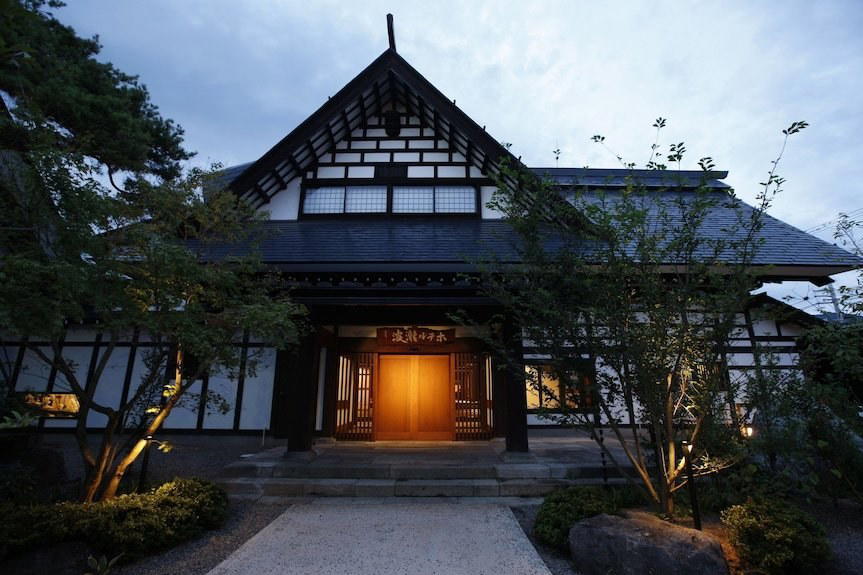
クラシカルな雰囲気 with a private, one-house feel featuring counter on 1F and tables on 2F.