
Tabelog 100 #52
Our verdict
Yamagata’s beef culture reads differently when sukiyaki, shabu shabu, steak, local sake, and a house-style room sit under one roof. Kanazawa Ya Gyuniku Ten belongs to the city’s serious hot-pot conversation, backed by Tabelog 100 Hot Pot 2024 recognition and a format built around carefully selected Yamagata beef rather than theatrical tasting-menu choreography.

Pearl is the En Primeur Club membership app — saves, bookings, and concierge access live there. Same editors, same standards.
- Address
- 3 Chome-4-16 Nanukamachi, Yamagata, 990-0042, Japan
- Phone
- +81 23-631-2106
- Hours
- Mon 11:30 AM–1 PM, 5–8:30 PMTue ClosedWed–Fri 11:30 AM–1 PM, 5–8:30 PMSat 11:30 AM–1:30 PM, 5–8:30 PMSun 11:30 AM–1:30 PM, 5–8 PM
- Website
- kanazawaya-gyunikuten.com
- Directions
- Get directions
- Booking
- Book on TableCheck
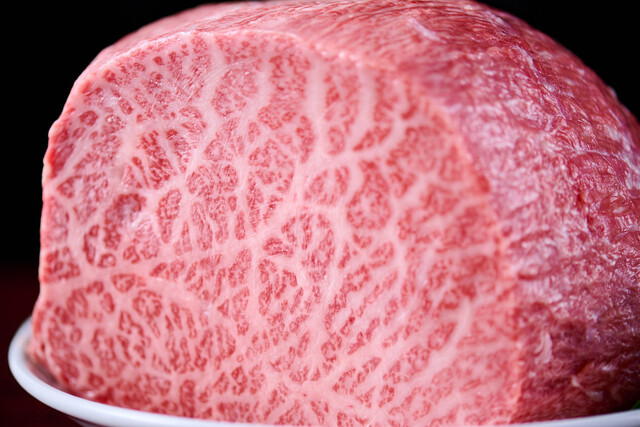
The menu
What to order
- Yamagata beef sukiyaki
- Yamagata beef shabu-shabu
- Yamagata beef steak
- Beef-focused course menus
Approach Kanazawa Ya Gyuniku Ten as a Yamagata restaurant whose appeal is focused rather than theatrical: a local meat specialist built around hot pot and steak. In a city many travellers know for snow, fruit, soba, and onsen routes, the beef table makes a different regional argument. Sukiyaki and shabu shabu are not just warming dishes here; they are ways to read fat, cut, heat, sweetness, dipping sauce, and pace.
Kanazawa Ya Gyuniku Ten sits in that lane with a clear view: beef as the centre of gravity, presented through sukiyaki, shabu shabu, and steak rather than treated as an isolated luxury product. Its 2024 Tabelog Hyakumeiten recognition places it in a hot-pot conversation, but the more useful reading is local. Yamagata’s dining identity rewards restaurants that connect agriculture, season, and hospitality without making ceremony the point.
Beef gives the hot-pot format its reason to travel
Japan’s beef regions are often reduced to marbling shorthand, but their table cultures vary sharply. In Yamagata, beef can belong to a colder-climate food language: richness, heat, rice, pickles, sake, and rooms built for lingering. Sukiyaki and shabu shabu make that language legible because cooking happens close to the diner, where small differences in cut and timing matter more than garnish or plating.
The categories here are direct: sukiyaki, shabu shabu, and steak. That matters. Serving all three lets diners choose sweet soy depth, broth-led restraint, or grill-focused beef clarity rather than a single expression of the ingredient. The practical signal is simple: attention belongs on the beef itself, not on a long scripted sequence.
In the city’s broader dining field, this is not trying to occupy the same mood as Goryouriya Ito, or the everyday rhythm of Eigyoku Do. It also differs from the casual social register of other Yamagata dining rooms and the noodle-pilgrimage logic attached to unnamed local favourites. For travellers building a Yamagata eating itinerary, the useful contrast is format: ramen, sweets, drinking food, composed dining, and beef hot pot each explain a different part of the prefecture’s appetite.
The meal also points to a regional style rather than a narrow beef showcase. Sukiyaki’s sweetness, shabu shabu’s lighter profile, and steak’s more direct expression do not ask diners to think about the ingredient in the same way. That breadth is useful for groups because the table can move between richer and cleaner readings of beef without leaving the restaurant’s core identity.
A house restaurant rather than a counter performance
The room is best understood through the food rather than through performance. Hot pot pushes the experience away from hushed counter dining and toward shared cooking, conversation, and a longer meal. This is a serious beef restaurant that can function as a regional table as much as a special stop for visitors.
That approachable frame should not be mistaken for casualness in the ingredient sense. Hot pot restaurants live or fail on sourcing, portion judgment, and rhythm. The stronger ones know sukiyaki can become cloying if treated as sugar and fat, while shabu shabu can feel thin if the beef lacks presence. The appeal here is choosing the format by appetite and company: sukiyaki for depth, shabu shabu for a cleaner read, steak for diners who want less shared cooking and more direct beef expression.
The Tabelog score of 3.54 is less important than the specific 2024 Hyakumeiten recognition, because hot-pot recognition can surface regional specialists outside the usual Tokyo-Kyoto-Osaka circuit. Yamagata does not need to mimic metropolitan luxury dining. Its stronger argument is ingredient-led: fruit, rice, sake, mountain vegetables, soba, and beef all have local weight, and this restaurant belongs to the beef chapter.
Planning should be simple, not careless. The listed budget is dinner at JPY 6,000 - JPY 7,999 and lunch at JPY 1,000 - JPY 1,999, which makes the choice of meal period part of the strategy. Travellers should confirm current opening details directly before going, especially on short Yamagata stays. The category focus is clear enough: come for sukiyaki, shabu shabu, or steak, and build the rest of the itinerary around that beef-centred stop.
How to place it in a Yamagata itinerary
For a compact trip, treat this as the beef anchor rather than the only serious meal. A Yamagata route can move from noodle depth at unnamed local shops to sweets at Eigyoku Do, other casual dining, and a more composed dinner at Goryouriya Ito. JAY fills a different price and mood slot. The point is not to rank them, but to avoid treating Yamagata as a single-dish city.
Readers comparing beef across Japan can use the same lens elsewhere without forcing a direct one-to-one comparison. Other dining rooms in Japan and abroad show how format, diaspora, and local habit shape what a Japanese meal becomes outside its region. Kanazawa Ya Gyuniku Ten is better read more narrowly: as a Yamagata address for sukiyaki, shabu shabu, and steak, recognised in a hot-pot context rather than as a generic luxury template.
Use the city guides for the wider plan: Our full Yamagata restaurants guide, Our full Yamagata hotels guide, Our full Yamagata bars guide, Our full Yamagata wineries guide, and Our full Yamagata experiences guide. The editorial call is clear: Kanazawa Ya Gyuniku Ten is strongest when chosen for what beef can do in shared hot-pot form in Yamagata, not as a generic celebration dinner that could be anywhere in Japan.
Frequently asked questions
Does Kanazawa Ya Gyuniku Ten work for a family meal?
Kanazawa Ya Gyuniku Ten is a Yamagata restaurant focused on sukiyaki, shabu shabu, and steak. For family-specific facilities or policies, confirm directly with the restaurant before visiting.
What's the vibe at Kanazawa Ya Gyuniku Ten?
It reads as a beef-focused Yamagata restaurant built around shared hot-pot formats and steak. The 2024 Tabelog Hyakumeiten recognition and the sukiyaki, shabu shabu, and steak focus give it a grounded regional character.
How much does it cost to eat at Kanazawa Ya Gyuniku Ten?
Pricing at Kanazawa Ya Gyuniku Ten is listed as dinner: JPY 6,000 - JPY 7,999; lunch: JPY 1,000 - JPY 1,999.
What are the operating hours at Kanazawa Ya Gyuniku Ten?
Specific operating hours are not included in the provided listing details. Confirm current hours directly with Kanazawa Ya Gyuniku Ten before visiting Yamagata.
How It Stacks Up
Comparable venues by cuisine and price in the same metro.
| Venue | Cuisine | Price | Awards | Notes |
|---|---|---|---|---|
| Kanazawa Ya Gyuniku TenThis venue — the venue you are viewing | Traditional Yamagata beef sukiyaki & shabu-shabu | $50–100 | Tabelog 100 #52 | Not listed |
| Izakaya Denshichi | Traditional Japanese Izakaya | $30–50 | Tabelog 100 #22 | near Yamagata Station (east exit) |
| Tsukumo | Tempura and soba | $30–50 | Tabelog 100 #82 | Narisawanishi |
| Yakiniku Meisho Yamagyu Yamagata ten | Yamagata Beef Yakiniku | $30–50 | Tabelog 100 #22 | Hatagomachi |
| Yamada Ya | Japanese traditional sweets | $1–10 | Tabelog 100 #33 | Honcho |
| クレド | Modern French | $50–100 | Tabelog 100 #35 | Iida |
Recognition history
Dated appearances from independent guides and award organizations, with the underlying list record or original source where available.
Tabelog 100 #52 · No. 52
Tabelog · Tabelog 100 - Hot Pot - 2024
Continue exploring
More in Yamagata
Restaurants in Yamagata
Browse all →
Hotels in Yamagata
Browse all →
Wineries in Yamagata
Browse all →
Details
- Classic
- Cozy
- Elegant
- Well Known
- Business Dinner
- Group Dining
- Family
- Celebration
- Special Occasion
- Private Event
- Private Dining
- Historic Building
- Standalone
- Sake Program
- Local Sourcing
- Set Menu
- A La Carte
- Tasting Menu
- Sake
- Beer
- Soft Drinks
Current opening hours
- Monday
- 11:30 AM–1 PM, 5–8:30 PM
- Tuesday
- Closed
- Wednesday
- 11:30 AM–1 PM, 5–8:30 PM
- Thursday
- 11:30 AM–1 PM, 5–8:30 PM
- Friday
- 11:30 AM–1 PM, 5–8:30 PM
- Saturday
- 11:30 AM–1:30 PM, 5–8:30 PM
- Sunday
- 11:30 AM–1:30 PM, 5–8 PM
Hours can change for holidays and private events. Last verified .
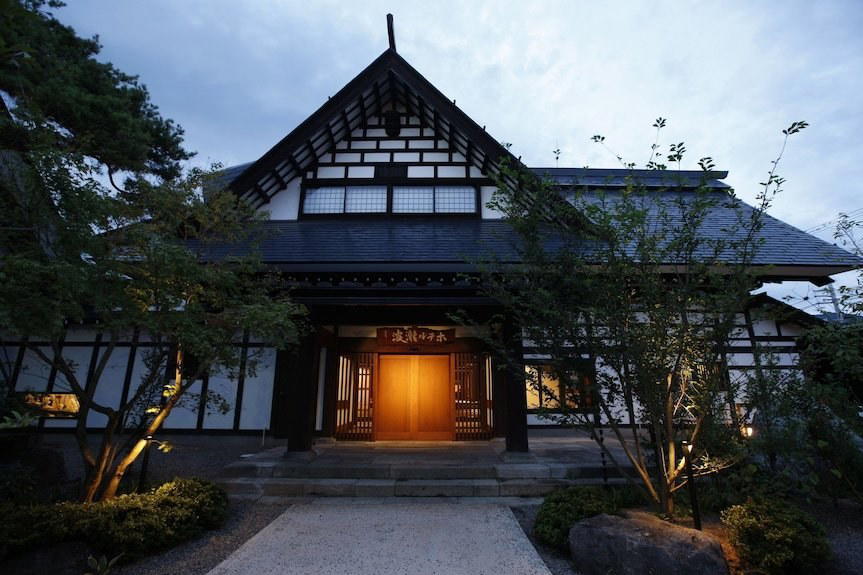
Traditional Japanese meat restaurant with a classic, slightly formal atmosphere: table seating on the first floor and tatami-style rooms upstairs, suited to family gatherings and business dinners rather than a loud or trendy scene.