
Teuchi Soba Umesoba belongs to Yamagata’s plain-spoken soba culture: hand-cut buckwheat noodles, a house-restaurant setting, and a price band that keeps the meal closer to daily ritual than ceremony. Its selection for Tabelog 100 Soba EAST in 2025, with earlier selections in 2024 and 2022, places it among the region’s more closely watched soba addresses without changing the essential appeal of a focused noodle house.
Pearl is the En Primeur Club membership app — saves, bookings, and concierge access live there. Same editors, same standards.
- Address
- 山形県山形市東原町3-5-10
- Phone
- +81236228377
- Website
- www10.ocn.ne.jp
 Saves & bookings on Pearl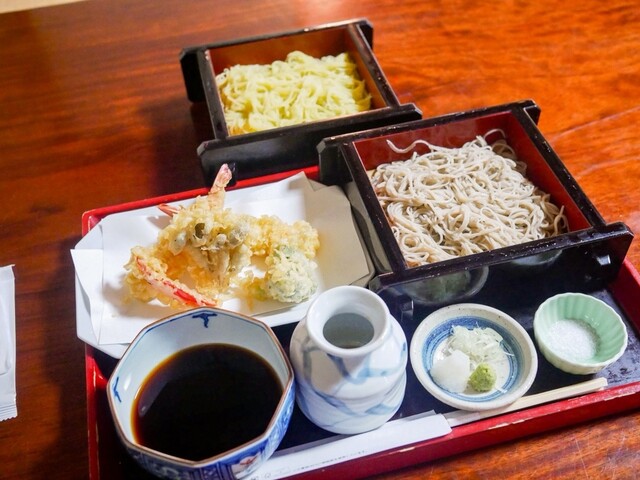
Approaching a soba house in Yamagata is different from arriving at a metropolitan tasting counter. The city’s noodle culture is tied to mountain weather, agricultural rhythm, and the practical appetite of people who eat buckwheat as a staple rather than a novelty. Teuchi Soba Umesoba fits that register: a house-style restaurant, tatami rooms, tables, and a format built around hand-made soba rather than theatrical service.
That matters because Yamagata is a serious buckwheat prefecture. Soba here is not just a light lunch between sightseeing stops; it belongs to a broader inland food culture shaped by cold winters, preserved vegetables, strong local grains, and a preference for direct flavours. The category rewards texture, cut, water, and broth balance more than embellishment. A restaurant selected for Tabelog 100 Soba EAST in 2025, after selections in 2024 and 2022, is being judged within that demanding grammar, not against luxury dining conventions.
Hand-cut soba in a prefecture that treats buckwheat as everyday craft
The editorial case for Teuchi Soba Umesoba begins with ingredient logic. Soba is only as persuasive as its buckwheat handling: milling, hydration, rolling, cutting, and timing all show themselves quickly at the table. In Yamagata, where buckwheat has deep regional relevance, the standard is not decorative plating but whether the noodles carry grain character and enough structure to justify the word teuchi, hand-made.
The price band keeps the experience grounded. Lunch and dinner are both listed at JPY 1,000 to JPY 1,999, which puts the restaurant in a practical bracket for Yamagata rather than the high-ceremony category that dominates much of premium Japanese dining coverage. That affordability is not a minor detail. It explains why soba houses can remain part of routine local eating while still being subject to intense scrutiny from noodle specialists and ranking platforms.
Recognition sharpens the point. The Tabelog 100 Soba EAST list is category-specific, so selection signals strength inside soba rather than general restaurant prestige. A 3.60 Tabelog score, in this context, should be read with Japan’s compressed user-rating culture in mind; scores around this level can indicate a restaurant taken seriously by domestic diners, especially in craft categories where expectations are narrow and unforgiving.
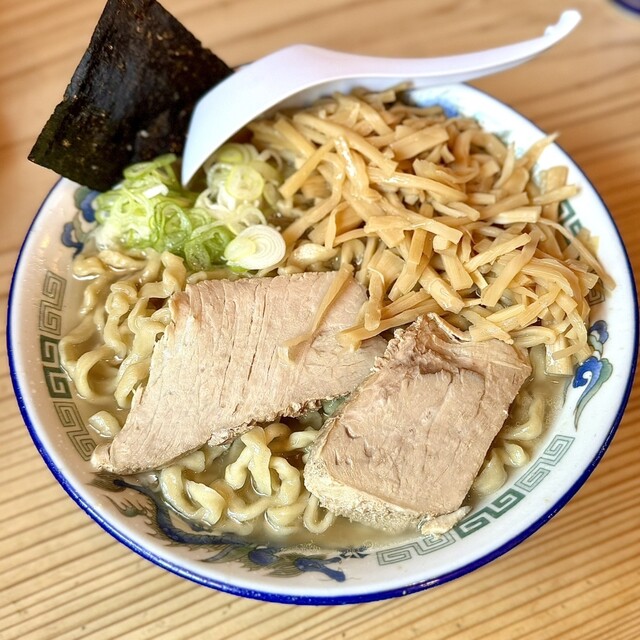
Yamagata’s dining range is broader than buckwheat, and that contrast helps frame the meal. A city itinerary might move from ramen at Chuka Soba Dokoro Konpiraso to sweets at Eigyoku Do, or from Japanese cooking at Goryouriya Ito to drinks and small plates at Izakaya Denshichi. Against that spread, soba offers the clearest expression of grain, water, and restraint.
A modest room, a serious list placement, and no reservation cushion
The setting reinforces the category. The room has 27 seats across tables and tatami rooms, which places it in the small neighbourhood-restaurant tier rather than a large-format dining room. Private rooms and private use are unavailable, and the restaurant is non-smoking. Children are welcome, so the experience reads as local and familial, not hushed or exclusionary.
There is, however, a practical edge to the format: reservations are unavailable. In soba culture, that usually shifts the burden from planning months ahead to choosing timing well. The listed hours are daytime-focused, with service from 11:30 AM to 2:30 PM on operating days and a note that service runs until sold out. Tuesday is the regular closure, with occasional temporary closures also noted. For travellers, this makes the meal a lunch anchor rather than a flexible backup.
Payment is another useful signal. Credit cards, electronic money, and QR code payments are not accepted, so cash is the sensible assumption. Parking exists, including covered spaces in front and reserved spaces across the street, which suits Yamagata’s more car-oriented dining patterns. The location is also listed as a 20-minute walk from Yamagata Station, putting it within reach for rail travellers who build enough time into the day.
Compared with Yamagata peers in the same broad price ecosystem, the restaurant’s position is clear. JAY sits in a slightly higher listed band at JPY 2,000 to JPY 2,999, while Tachinomi En is listed around JPY 1,000 to JPY 1,999 and Yamada Ya below JPY 999. Teuchi Soba Umesoba occupies the affordable specialist lane: narrower in scope than a multi-dish restaurant, more craft-focused than a casual stop, and judged primarily by noodle execution.
How to place it in a Yamagata food itinerary
The right way to use a soba lunch in Yamagata is not to over-program it. This is a compact, ingredient-led meal that works well before an afternoon train, a temple visit, or a drive toward the mountains. Sake and shochu are listed, but the core experience remains buckwheat noodles rather than a long drinking session. The house-restaurant setting and tatami rooms also make the meal easier for mixed-age groups than a counter-only specialist.
Travellers building a broader city plan should treat soba as one strand in Yamagata’s food identity, alongside ramen, confectionery, izakaya cooking, and regional Japanese restaurants. For wider planning, see Our full Yamagata restaurants guide, then pair meals with Our full Yamagata hotels guide, Our full Yamagata bars guide, Our full Yamagata wineries guide, and Our full Yamagata experiences guide. Readers comparing Japanese regional dining beyond the prefecture can also look at -Grilled beef Sukiyaki- KAMAKURA TANUKIAN 鎌倉 たぬき庵 in Kamakura,. 鮪と炭火焼き うお炭 秋葉原店 in Tokyo,.cafe in Osaka,.know in Kumamoto, (Shoku) Vietnam in Kawasaki, [Curry Senmon Ten] Maruyama Kyoju. in Sapporo, Jōdo Saké Bar in Los Angeles, and Onigiri Time in Pasadena.
The recommendation is simple: go for a focused Yamagata soba meal when the day allows for lunch timing and a cash-first approach. The value lies in regional specificity, category recognition, and the discipline of a small room devoted to buckwheat.
Side-by-Side Snapshot
Comparable venues by cuisine and price in the same metro.
| Venue | Cuisine | Price | Awards | Notes |
|---|---|---|---|---|
| Teuchi Soba UmesobaThis venue — the venue you are viewing | Traditional Hand‑made Soba | $ | , | |
| Chuka Soba Dokoro Konpiraso | Yamagata Chuka Soba | $ | , | Sanze |
| Goryouriya Ito | Seasonal Japanese Kaiseki | $$$ | , | / |
| レストラン横倉 | Western-Japanese Ski Resort Fare | $$ | , | Zao Onsen |
| Yamada Ya | Japanese traditional sweets | $ | , | Honcho |
| Tachinomi En | Japanese tachinomi standing bar | $ | , | / |
Continue exploring
More in Yamagata
Restaurants in Yamagata
Browse all →

Hotels in Yamagata
Browse all →
Wineries in Yamagata
Browse all →
At a Glance
- Cozy
- Classic
- Quiet
- Hidden Gem
- Solo
- Casual Hangout
- Family
- Standalone
A small, unpretentious soba shop with a classic local feel: plain wooden furnishings, bright but soft lighting, and a calm, quiet atmosphere focused on enjoying freshly made noodles rather than decor.