Our verdict
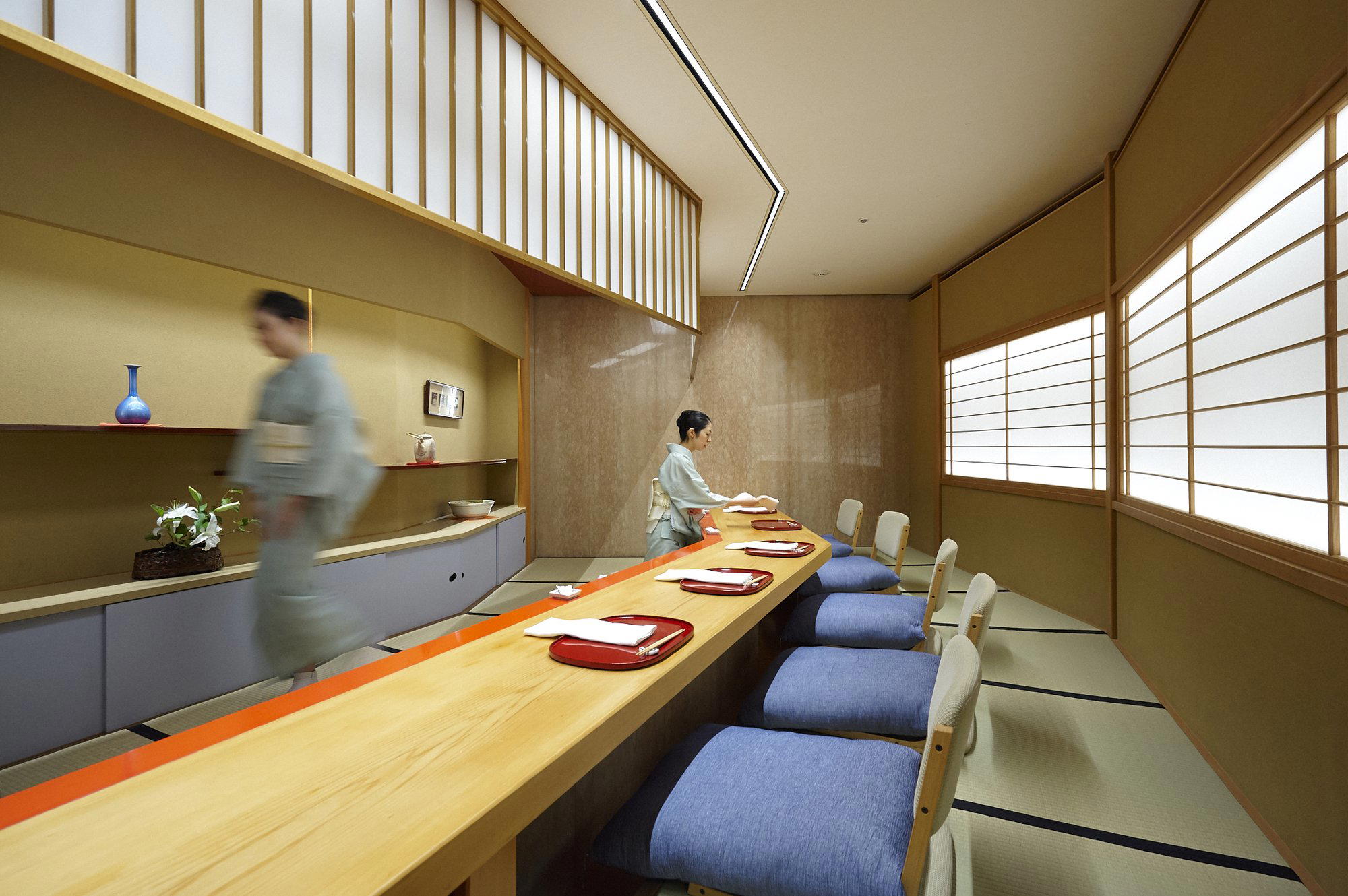
Sitting on the third floor of a Ginza building at 7-chome, 銀座 三笠 occupies a position in one of Tokyo's most concentrated blocks of serious dining. The address places it inside a neighbourhood where counter-format restaurants and kaiseki houses compete for a guest profile that benchmarks its choices against Michelin-rated peers. Precise booking intelligence and format details are worth confirming directly before visiting.

Pearl is the En Primeur Club membership app, where members save venues, book tables and use the concierge.
Ginza's Third-Floor Register
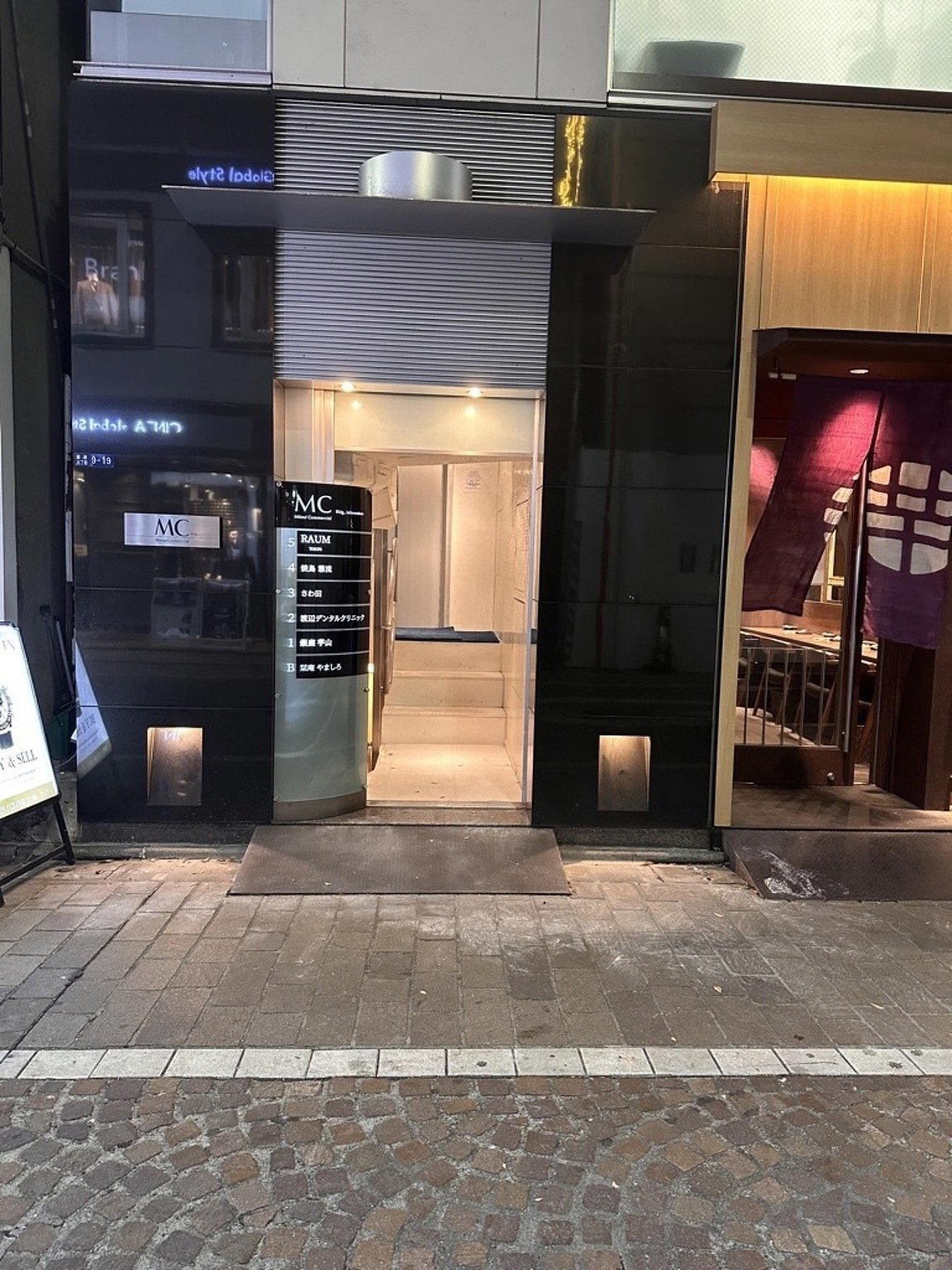
The elevator opens on the third floor of AGI Building in Ginza 7-chome, and the address alone carries a specific set of expectations. Ginza's 6-chome to 8-chome corridor has, over the past two decades, become one of the most densely populated stretches of high-commitment dining in any city in the world. Counter seats, private rooms, and prix-fixe formats dominate the block; restaurants here are not drop-in destinations. They are considered decisions, usually made weeks or months in advance, by guests who arrive knowing what category of experience they have booked into. 銀座 三笠 holds a position in that geography, at an address that already signals intent before the door opens.
This matters because place, in Tokyo's dining culture, is not incidental. Ginza functions differently from Roppongi's more internationally oriented dining cluster or Minami-Aoyama's design-forward restaurant scene. It carries an older, more formal commercial register, department stores, jewellers, galleries, and the restaurants that have chosen to open here tend to mirror that seriousness. A third-floor address in a Ginza office building, rather than a ground-floor shopfront, is itself a legible signal: the room is for people who know they are looking for it. Walk-in traffic is not the model.
The Neighbourhood Context: Why Ginza Produces This Format
Ginza's concentration of serious restaurants is not accidental. The neighbourhood's high real-estate costs select for operators who are confident in a repeat-guest or reservation-led model. Tasting menus, omakase counters, and kaiseki formats dominate because they generate the per-cover economics that justify the rents and, more importantly, because they match the expectations of a clientele that comes prepared. Harutaka, one of the area's most recognised sushi counters, operates on a similar premise: a small room, a committed guest base, and a format that rewards return visits. The same pattern holds across RyuGin in nearby Roppongi Hills, where kaiseki at the top end of the market demands a guest who arrives with at least a basic literacy in the format.
What distinguishes Ginza's specific restaurant culture from Tokyo's other premium nodes is the balance between Japanese culinary tradition and the international fine-dining grammar that has layered over it. French-influenced kitchens such as L'Effervescence and Sézanne have found their footing in the city's wider fine-dining tier, but Ginza's core identity remains oriented toward Japanese culinary forms. It is a neighbourhood that tends to reward visitors who are looking for depth in a single tradition rather than breadth across many.
What the Format Signals
What the address and neighbourhood context make legible is the competitive tier the restaurant operates in. Ginza's 7-chome restaurant floor is not where casual dining lives. Comparable addresses in this block run from serious counter-format Japanese restaurants to multi-course French hybrid operations, nearly all of them in the ¥¥¥¥ tier when benchmarked against verified peers like Crony, which operates its innovative French menu at the same price register.
The implication for a first-time visitor is practical: approach the booking process with the same preparation you would bring to any Ginza restaurant at this address level. Confirming format, menu structure, and reservation lead time before arrival is not optional, it is part of the experience. Tokyo's premium dining market across all neighbourhoods, from Ginza to Fukuoka's Goh to Osaka's HAJIME, operates on the expectation that the guest has done their preparation.
Ginza in the Wider Japanese Dining Circuit
Tokyo's Ginza is the most internationally legible of Japan's premium dining addresses, but it sits inside a wider circuit that serious food travellers increasingly move through rather than using as a sole destination. Kyoto's Gion Sasaki represents the kaiseki tradition in its most regionally specific form. akordu in Nara demonstrates what happens when European technique is applied to ingredients sourced from Japan's older culinary heartland. Even further north, restaurants like 古代山乃芋 in Sapporo and 三本茶屋川制 in Nanao indicate how Japan's regional dining infrastructure has deepened over the past decade, giving Tokyo-focused itineraries a reason to extend beyond the capital.
Within that national map, Ginza functions as the reference point, the address that sets the benchmark others in the circuit are measured against. A restaurant that opens here is, by proximity alone, entering into a conversation with the city's most scrutinised dining category.
Planning a Visit
Where 銀座 三笠's own data is unverified, the comparison offers a calibration guide for expectations.
| Venue | Neighbourhood | Cuisine | Price Tier | Format Signal |
|---|---|---|---|---|
| 銀座 三笠 | Ginza 7-chome | Unconfirmed | Unconfirmed | Third-floor, reservation-likely |
| Harutaka | Ginza | Sushi | ¥¥¥¥ | Counter, omakase |
| RyuGin | Roppongi | Kaiseki | ¥¥¥¥ | Multi-course, reservation-only |
| Crony | Tokyo | Innovative French | ¥¥¥¥ | Counter, tasting menu |
| L'Effervescence | Nishi-Azabu | French | ¥¥¥¥ | Multi-course, reservation-only |
For a broader orientation to Tokyo's dining options across price tiers and neighbourhoods, EP Club's full Tokyo restaurants guide provides mapped context. Visitors building multi-city itineraries may also find it useful to cross-reference with regional references: Bistro Ange in Toyohashi, 湖辺旅亭 in Takashima, and 鶴羽屋 in Nishikawa Machi each represent different registers of the Japanese dining circuit that Tokyo visitors sometimes overlook. For those extending a journey internationally, the precision-driven counter format found at Ginza addresses has meaningful parallels in how Le Bernardin in New York City or Atomix have structured guest experience around format commitment rather than open-seating flexibility. Birdland in Sakai is another reference point for how Japanese culinary formats travel across regions.
Frequently asked questions
Is 銀座 三笠 okay with children?
Ginza's upper dining tier is generally oriented toward adult guests, and the AGI Building address in Ginza 7-chome reflects that register.
What's the address for 銀座 上瀧?
銀座 上瀧 is located at Japan, 〒104-0061 Tokyo, Chuo City, Ginza, 7 Chome−5−15 AGIビル 3F, Tokyo.
Is 銀座 上瀧 reservation-only?
Reservations are recommended for 銀座 上瀧 in Tokyo. Confirm current policy via the venue's official channels.
What do critics highlight about 銀座 上瀧?
銀座 上瀧 is best approached by focusing on the core concept and signature offerings.
Compact Comparison
A quick snapshot of similar venues for side-by-side context.
| Venue | Cuisine | Price | Awards | Notes |
|---|---|---|---|---|
| é座 ä¸ç§This venue (the venue you are viewing) | Not listed | Not listed | Not listed | Not listed |
| Harutaka | Edo-Style Omakase Sushi | $200–300 | 3 Michelin Stars · World's 50 Best #76 | Sushi |
| L'Effervescence | Modern French with Japanese Influences | $200–300 | 3 Michelin Stars · World's 50 Best #69 | French |
| RyuGin | Modern Kaiseki | $500+ | 3 Michelin Stars · World's 50 Best #41 | Kaiseki, Japanese |
| Crony | Modern French with Japanese Influences | $150–200 | 2 Michelin Stars · World's 50 Best #34 | Innovative, French |
| Florilège | Modern French-Japanese Plant-Based Fine Dining | $50–100 | 2 Michelin Stars · World's 50 Best #31 | French |
Continue exploring
More in Tokyo
Restaurants in Tokyo
All restaurants in Tokyo →


Bars in Tokyo
All bars in Tokyo →



Details
- Special Occasion
- Chefs Counter
- Sake Program
- Counter Dining