Google: 4.0 · 441 reviews
.png)
Few restaurants in Tokyo hold a Michelin Bib Gourmand while drawing directly on one of the oldest food-trade relationships in culinary history. Cristiano's in Tomigaya serves Portuguese cooking that reads through a Japanese lens — shared fish, shared rice, and the kind of table-centred generosity that the Nanban era made possible. It prices at ¥¥, well below the city's starred European tier.
 Discover on Pearl
Pearl is the En Primeur Club membership app — saves, bookings, and concierge access live there. Same editors, same standards.
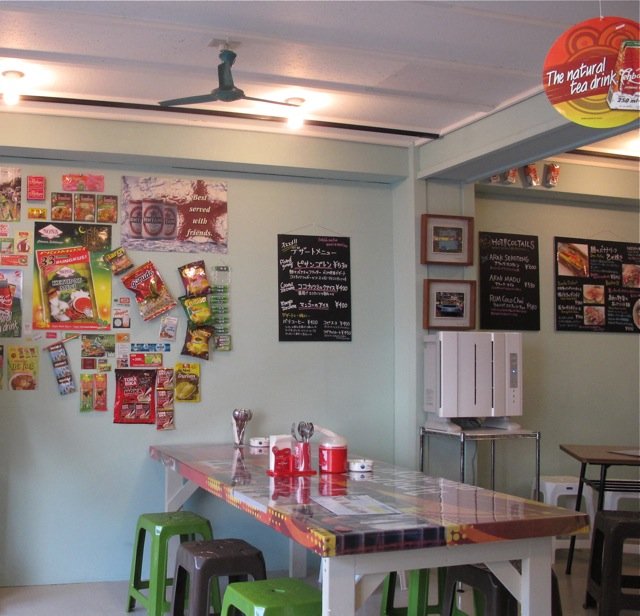
Where Tomigaya Meets the Atlantic
Tomigaya occupies the quiet residential edge of Shibuya, a neighbourhood where the city's density thins into low-rise streets and independent shops. The area has developed a reputation for considered, low-key dining over the past decade — not the grand-statement restaurants of Ginza or Minami-Aoyama, but places where the cooking does the talking. It is the kind of neighbourhood that suits Portuguese food well, because Portuguese food, at its structural core, is not about spectacle.
What you encounter at Cristiano's is a culinary argument that has historical weight behind it. Portugal and Japan established a trading relationship during the Nanban period — roughly the 16th and 17th centuries , that left a permanent mark on Japanese cooking. Tempura is the most cited example, derived from the Portuguese peixinhos da horta technique brought by Jesuit missionaries and traders. That shared origin story is not decorative background here; it shapes the logic of a menu where the two traditions are allowed to speak to each other rather than merely coexist. For coverage of Tokyo's broader dining map, see our full Tokyo restaurants guide.
The Ingredient Logic
Portuguese cooking is built around a small number of ingredients treated with extreme seriousness: salt cod, sardines, octopus, rice, olive oil, and wine. The approach is resolutely local in spirit, even when the ingredients travel long distances, because the cooking tradition is tied to the family table rather than the professional kitchen's desire for elaboration. That same sourcing philosophy , specific ingredients, cooked directly , maps onto Japanese food culture in ways that few other European cuisines do.
At Cristiano's, the menu reflects this overlap practically. Char-grilled sardines arrive as they would in Lisbon, with the fish doing the work. Tempura octopus makes the historical connection explicit: a Portuguese-derived technique applied to a cephalopod that both countries cook with care. Takikomi-gohan, Japanese seasoned rice cooked with vegetables and proteins, shares structural DNA with arroz dishes across Portugal. A gruel-like risotto sits closer to caldo verde or açorda in spirit than to Italian risotto, using the grain as a base for something more integrated and soupy. The menu is meant to be shared, which is both a Portuguese and a Japanese instinct , the family table is the common reference point for both food cultures.
The Portuguese wine list extends the sourcing logic into the glass. Portugal's wine regions , Alentejo, Douro, Vinho Verde, Dão , produce bottles that pair naturally with the fish-and-rice cooking on the plate. These are not wines chosen for prestige; they are chosen because they work with the food, which is how Portuguese wine has always operated at home.
Where Cristiano's Sits in Tokyo's European Dining Tier
Tokyo's European restaurant spectrum is unusually wide. At one end, you have three-Michelin-star French operations like L'Effervescence, Sézanne, and the kaiseki-adjacent precision of RyuGin, all priced at ¥¥¥¥ and requiring advance planning. Innovative French venues like Crony occupy the ¥¥¥¥ tier with two Michelin stars. Even the city's celebrated sushi , Harutaka among them , operates at the upper price point.
Cristiano's prices at ¥¥ and holds a Michelin Bib Gourmand, the guide's marker for cooking that represents notable quality at moderate cost. The Bib Gourmand is a distinct recognition from the star system , it signals value-conscious excellence, not a consolation prize. In a city where European dining so frequently skews toward the high end, a Bib Gourmand Portuguese restaurant in a residential neighbourhood fills a real gap in the market. The 417 Google reviews at an average of 4.0 suggest consistent delivery over a meaningful volume of visits.
For European cooking that engages seriously with Japanese context, the comparison points are instructive. akordu in Nara is the reference case for a Portuguese restaurant operating in Japan with deep local integration , it holds a Michelin star and has drawn considerable attention for how it bridges the two cultures. Cristiano's works on different terms: lower price point, Tomigaya rather than Nara, and a menu built around sharing rather than tasting-course formality. The two restaurants are not in direct competition; they represent different formats within the same cultural conversation.
Outside Japan, the comparison with Tasca by José Avillez in Dubai and Vinha in Vila Nova de Gaia illustrates how Portuguese cooking is being positioned internationally: as a cuisine with serious credentials and export potential, not just as a regional European curiosity.
Planning Your Visit
Cristiano's is located at 1 Chome-51-10 Tomigaya, Shibuya, Tokyo 151-0063. The address places it a short walk from Yoyogi Park, in the quieter northern reaches of Shibuya ward. The ¥¥ price range makes it one of the more accessible Michelin-recognised European restaurants in the city by cost.
| Venue | Cuisine | Price | Recognition |
|---|---|---|---|
| Cristiano's | Portuguese | ¥¥ | Michelin Bib Gourmand (2024) |
| Crony | Innovative French | ¥¥¥¥ | Michelin 2 Stars |
| L'Effervescence | French | ¥¥¥¥ | Michelin 3 Stars |
| akordu (Nara) | Portuguese | N/A | Michelin 1 Star |
For broader planning across the city, EP Club maintains guides to Tokyo hotels, Tokyo bars, Tokyo wineries, and Tokyo experiences. Restaurants elsewhere in Japan worth noting in a similar register include HAJIME in Osaka, Gion Sasaki in Kyoto, Goh in Fukuoka, 1000 in Yokohama, and 6 in Okinawa.
A Lean Comparison
These are the closest comparables we have in our database for quick context.
| Venue | Notes | Price |
|---|---|---|
| Cristiano's | This venue | ¥¥ |
| Harutaka | Sushi, ¥¥¥¥ | ¥¥¥¥ |
| RyuGin | Kaiseki, Japanese, ¥¥¥¥ | ¥¥¥¥ |
| L'Effervescence | French, ¥¥¥¥ | ¥¥¥¥ |
| HOMMAGE | Innovtive French, French, ¥¥¥¥ | ¥¥¥¥ |
| MAZ | Innovative, ¥¥¥¥ | ¥¥¥¥ |

At a Glance
- Cozy
- Lively
- Intimate
- Elegant
- Date Night
- Group Dining
- Casual Hangout
- Celebration
- Live Music
- Terrace
- Open Kitchen
- Extensive Wine List
- Sommelier Led
- Local Sourcing
- Sustainable Seafood
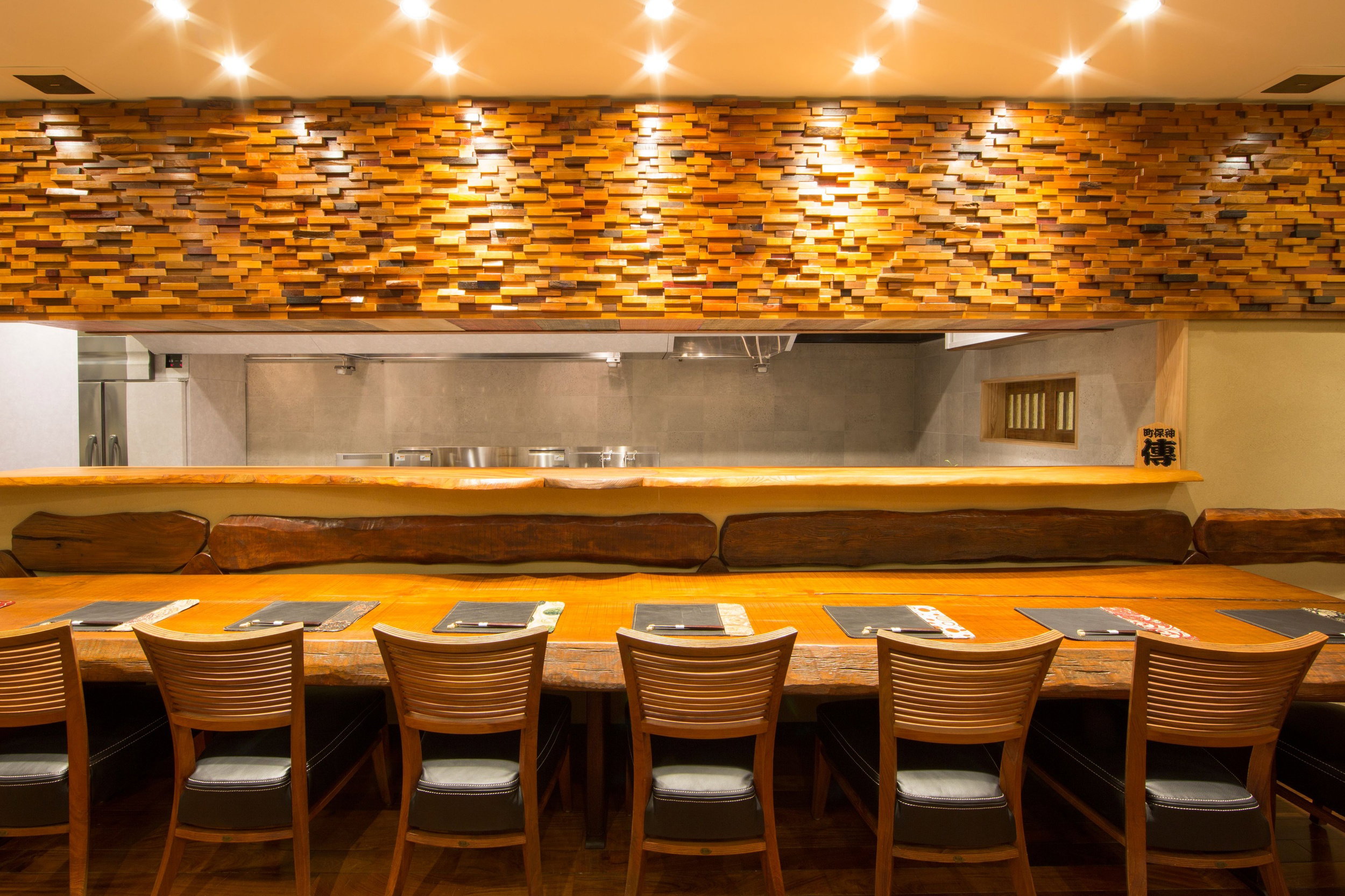
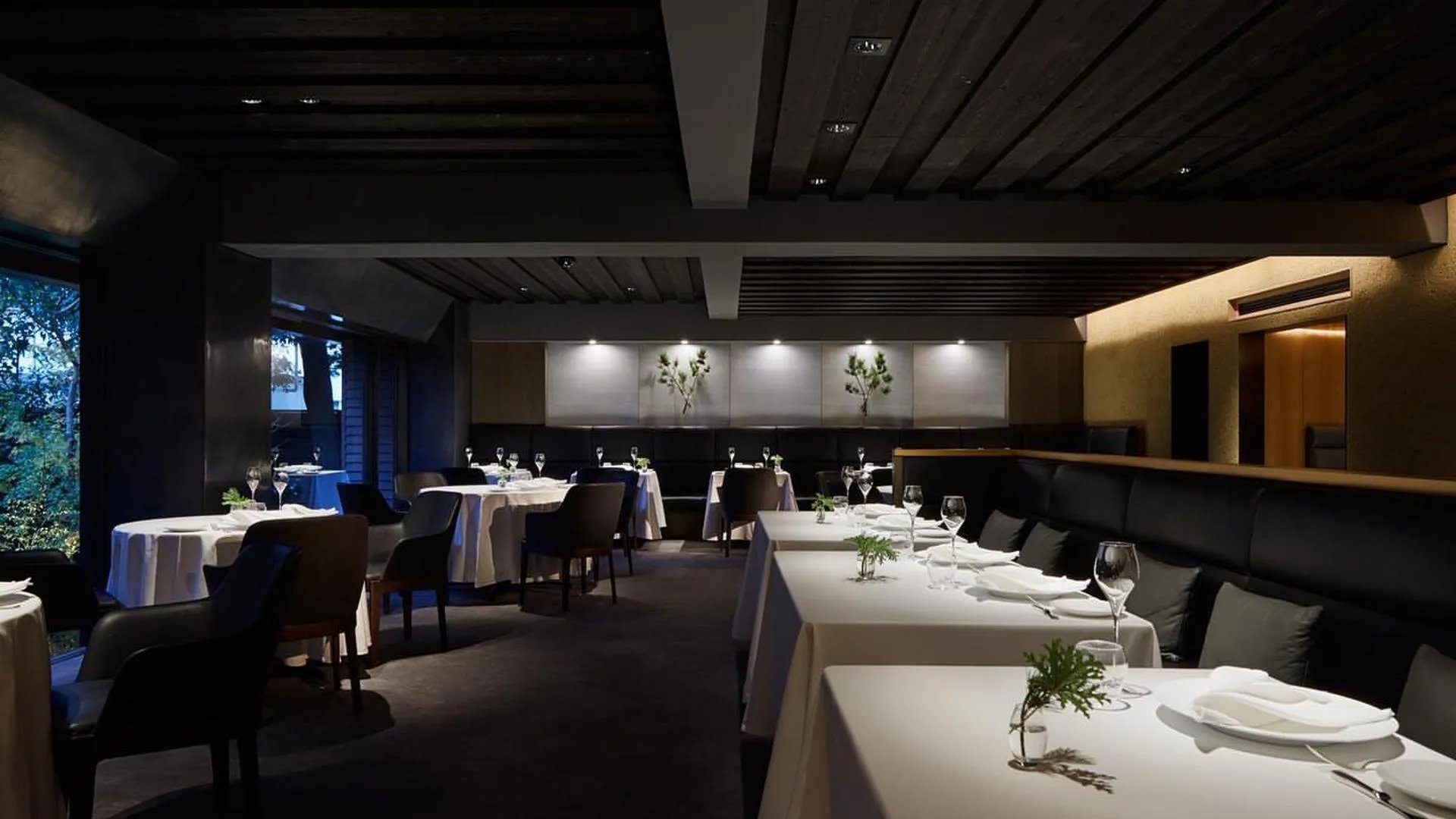
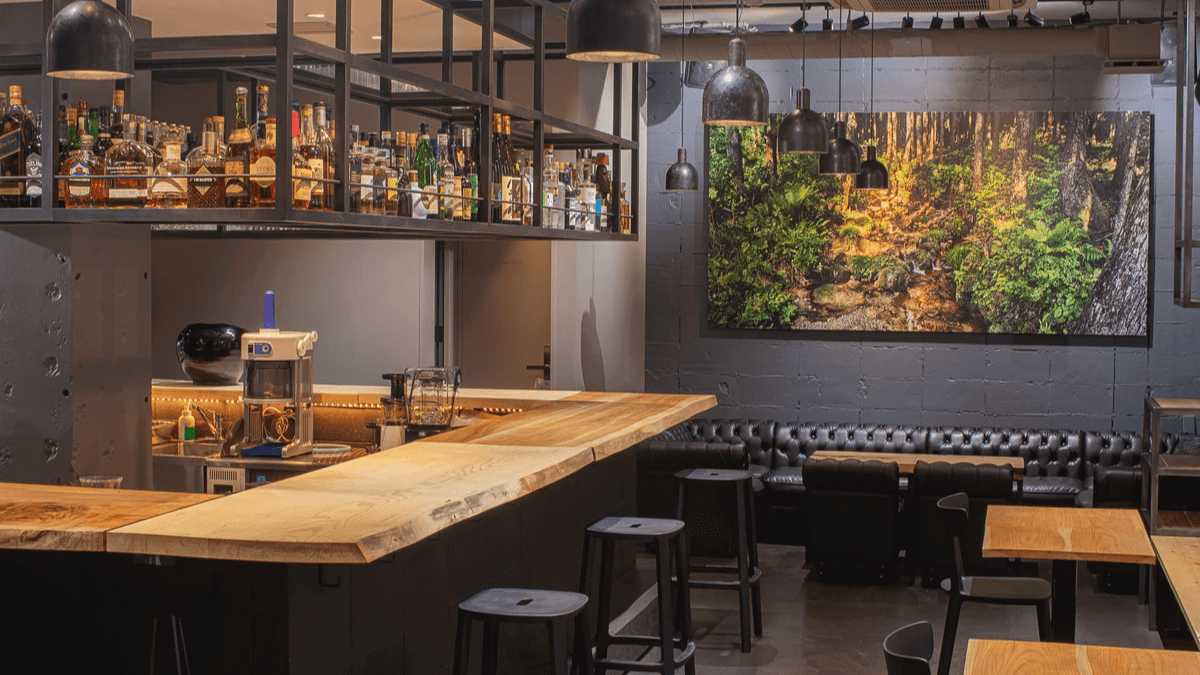
Warm, homey interior decorated with traditional Portuguese tiles, gallo figurines, and rooster illustrations; vibrant and colorful with wood accents creating an exotic yet welcoming neighborhood eatery feel.