Kissaten Culture in Nagasaki: Where the Coffee Comes First There is a particular quality of light in an old Japanese kissaten in the late morning, when the counter stools are half-filled and the smell of roasted coffee reaches the street before...
 Request Booking on Pearl
Pearl is the En Primeur Club membership app — saves, bookings, and concierge access live there. Same editors, same standards.
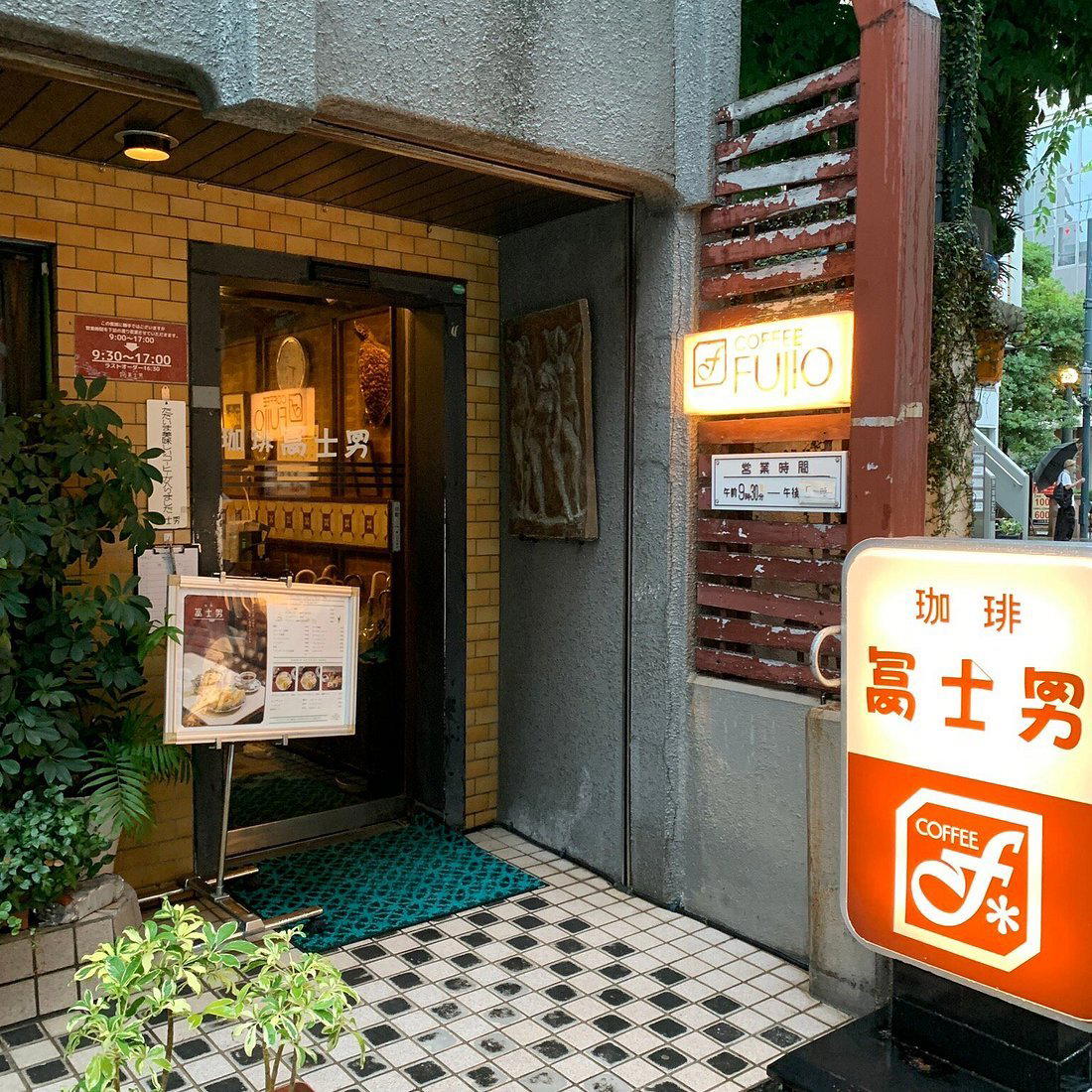
Kissaten Culture in Nagasaki: Where the Coffee Comes First
There is a particular quality of light in an old Japanese kissaten in the late morning, when the counter stools are half-filled and the smell of roasted coffee reaches the street before you push through the door. Nagasaki has preserved more of this tradition than most Japanese cities, partly because its port history brought outside influences early, and partly because the city never had the density of chain expansion that erased so many of these spaces in larger urban centres. Coffee Fujio belongs to that surviving tier of kissaten, the neighbourhood coffee house that operates as a social institution rather than a caffeine stop.
Nagasaki's dining and drinking character is shaped by centuries of contact with Portuguese, Dutch, and Chinese traders, a fact that shows up in everything from the city's chanpon noodles to its castella sponge cake. The kissaten fits within this layered food culture as a Japanese-Western hybrid from an earlier era, the Showa-period coffee house that took the espresso culture arriving from Europe and bent it into something distinctly local: slower, more seated, often accompanied by a thick slice of toast or a simple egg dish. Coffee Fujio sits within that tradition, at the intersection of local sourcing habits and the kind of menu where ingredient provenance matters more than presentation spectacle.
Sourcing and Kyushu's Larder
Kyushu, the southwestern island on which Nagasaki sits, is one of Japan's most productive agricultural regions. The prefecture contributes wagyu cattle, fresh seafood from the Goto Islands and Tsushima, local vegetables from the volcanic-soil farms inland, and citrus from the hillside groves along the coast. For a kissaten like Coffee Fujio, the connection to that larder is practical rather than aspirational: proximity means freshness, and freshness means a morning egg dish or a sandwich made from local produce arrives at the table with the kind of ingredient integrity that a supply chain running through a central distribution hub cannot replicate.
Across Japan, the kissaten format has seen a modest revival among younger drinkers and diners who want the opposite of the standardised third-wave specialty coffee shop. That revival is partly about nostalgia for a physical setting, but it is also about a different relationship to sourcing. The kissaten tradition often drew ingredients from the surrounding neighbourhood, the bakery two streets over, the egg farm on the rural edge of the city. Where that model has survived intact, it produces a hospitality experience with a specificity that cannot be manufactured, only inherited. Nagasaki's geography, somewhat removed from the supply standardisation that affects larger cities, has helped some of its kissaten maintain precisely that local-ingredient logic.
For visitors approaching Nagasaki's dining scene through the broader Japan lens, the local context differs meaningfully from what is on offer at Michelin-tracked counters in Osaka or Tokyo. A restaurant like HAJIME in Osaka or Harutaka in Tokyo operates within a formal high-end competition, where peer recognition and sourcing credentials are published and ranked. The kissaten operates by entirely different rules, where the evidence of quality is accumulated through repeat local patronage rather than guide placement.
Nagasaki's Dining Scene: Where Coffee Fujio Sits
Nagasaki's restaurant scene is compact relative to Japan's major culinary cities but has a range of registrations worth understanding before you plan an itinerary. At the innovative end, Pesceco applies a creative approach to local seafood that positions it squarely in the modern Japanese fine-dining conversation. Doyama and Villa del nido represent other registers in the city's offering. Coffee Fujio operates well below the fine-dining tier, in the everyday category where the local population actually eats on an ordinary weekday morning. That is not a limitation; it is a different kind of editorial subject.
Visitors who have spent time at Gion Sasaki in Kyoto or akordu in Nara will arrive in Nagasaki with a calibrated sense of what Japanese fine dining can achieve. Coffee Fujio offers a reset from that register, a chance to observe how sourcing logic and ingredient quality operate at the neighbourhood level where no critic is watching and no award is pending. That contrast is itself editorially useful for anyone building a broader picture of Japan's food culture. The same Kyushu produce that flows into the prep kitchens of celebrated restaurants also ends up in the morning sandwich at a neighbourhood kissaten, albeit with far less ceremony and far lower overhead.
For the wider Japan itinerary, restaurants like Goh in Fukuoka are worth considering for the regional kaiseki experience that sits between the kissaten and the capital-city fine-dining tier. Fukuoka is under two hours by limited express from Nagasaki, making a day trip a viable planning option. Within Nagasaki itself,
The broader Japan picture also includes strong regional venues worth cross-referencing: the Nanao counter, the Sapporo venue, and the Takashima restaurant each represent the kind of region-specific dining that rewards travellers willing to move beyond the major city trail. Similarly, the Nishikawa Machi option, Birdland in Sakai, and Bistro Ange in Toyohashi provide reference points for the kind of regionally embedded dining that defines Japan's food culture outside its three major cities. Blue Ocean Steak in Nakagami District rounds out the regional Japan comparison for visitors tracking beef-sourcing specificity across Kyushu and Okinawa.
Planning a Visit
The kissaten tradition runs heaviest in the late morning, roughly 9am to noon, which is also the time slot most aligned with the format Coffee Fujio represents.
Comparable Venues
Comparable venues nearby, for context on price, style, and recognition.
| Venue | Cuisine | Price | Awards | Notes |
|---|---|---|---|---|
| Coffee FujioThis venue — the venue you are viewing | Retro Japanese Cafe Sandwiches | $$ | , | |
| Shokan Do | Nagasaki Castella & Japanese Sweets | $ | , | Meganebashi Bridge |
| Unagiya | Traditional Unagi (eel) Restaurant | $$$ | , | Higashi-Nagasaki |
| 竹彩 | 鉄板焼き | $$$ | , | 秋月町 |
| Primrose | Yoshoku / Japanese-Western Cuisine | $$ | , | Furukawa-machi / Meganebashi |
| Hountei Honten Torifuku | Traditional Nagasaki gyoza & karaage izakaya | $$ | , | Dozamachi |
Continue exploring
More in Nagasaki
Restaurants in Nagasaki
Browse all →
At a Glance
- Retro
- Cozy
- Hidden Gem
- Casual Hangout
- Solo
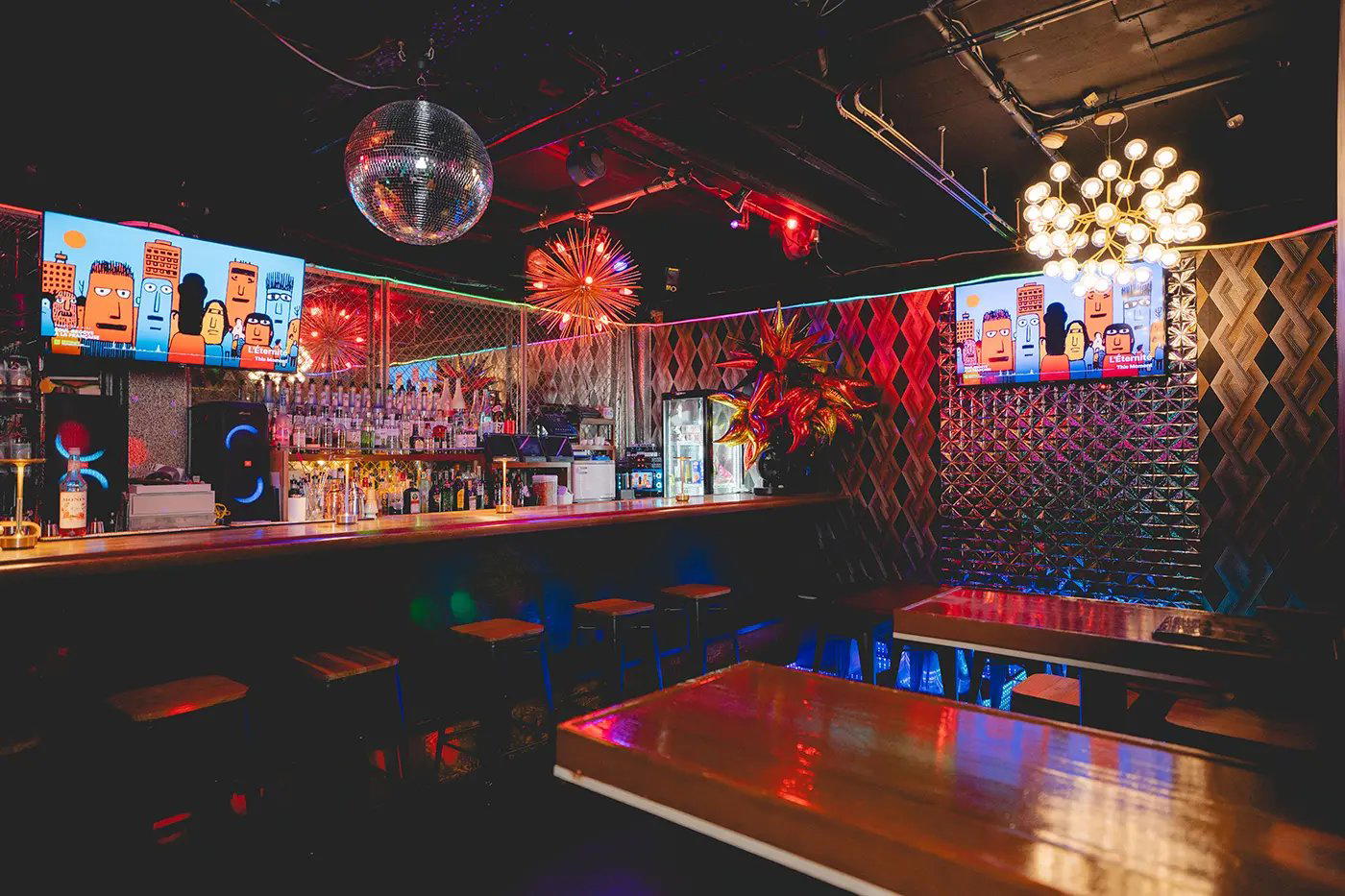
Retro atmosphere with booth seats, counter seating, sofa seating, stylish and relaxing space evoking nostalgic charm.