
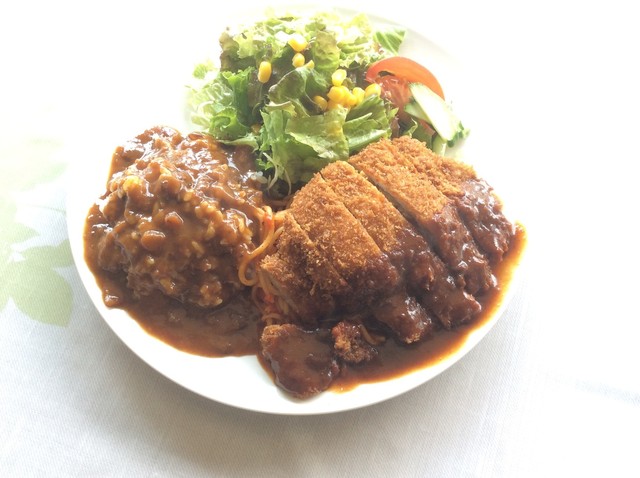
Kanro puts Nagasaki’s Chinese-derived comfort cooking in a compact Shianbashi setting, with champon noodle soup listed beside Chinese cooking and Tabelog 100 Chinese WEST selections in 2021, 2023, 2024, and 2026. The appeal is not luxury coding; it is the city’s port-cuisine inheritance expressed at small scale, low spend, and high local signal.
Pearl is the En Primeur Club membership app — saves, bookings, and concierge access live there. Same editors, same standards.
- Address
- 2-18 Motoshikkuimachi, Nagasaki, 850-0901, Japan
- Phone
- +81 95-821-0373
- Website
- tabelog.com
 Saves & bookings on Pearl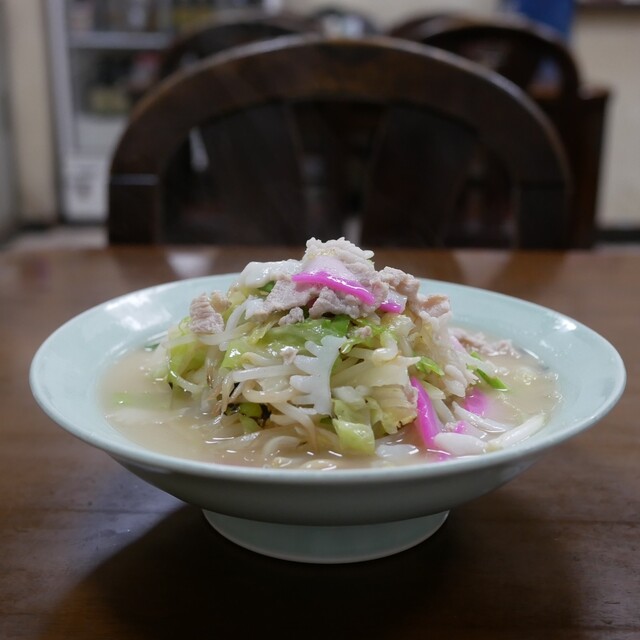
Shianbashi is the kind of Nagasaki district where the city’s appetite feels compressed into a few tight blocks: tram stops, late evening lights, small rooms, and menus shaped by the port’s long exchange with China. Kanro belongs to that Nagasaki rather than to the polished tasting-menu circuit. Its category pairing, Chinese cooking and champon noodle soup, says a great deal before a dish is named. This is a city where noodles, broth, seafood, pork, and vegetables have long carried the evidence of trade, migration, and local adaptation.
That matters because Nagasaki’s Chinese restaurants are not a borrowed genre in the way they can be in other Japanese cities. The city’s relationship with Chinese food is structural, tied to Dejima-era contact, Shinchi Chinatown, and the practical food culture of a port that absorbed outside technique without surrendering local preference. Champon is the shorthand, but the broader lesson is sourcing and abundance: a bowl can be read as a local inventory, pulling from Nagasaki’s access to seafood, vegetables, and everyday meat rather than from luxury ingredients. Kanro’s place in that conversation is unusually direct.
Nagasaki Chinese cooking, stripped of luxury theatre
The current premium dining conversation in Japan often rewards scarcity: smaller counters, higher fixed menus, and reservation systems that turn access into status. Nagasaki offers a counterargument. A compact, 16-seat room with four tables can carry serious local weight without behaving like a destination counter in Tokyo or Kyoto. Kanro’s Tabelog score of 3.68 and selection for Tabelog 100 Chinese cuisine WEST in 2026 place it inside a regional award frame, but the price signal points in another direction. This is not a high-spend restaurant using Chinese technique as spectacle. It sits closer to the everyday side of Nagasaki’s dining culture, where repetition, speed, and familiarity matter.
The comparison within the city is useful. Unryu Tei Honten and Unryu Tei Douza ten occupy a low-to-mid spend zone, Hountei Honten Torifuku moves slightly above that, while Steak House Okano and Osaka Ya Hamachou ten sit in a higher dinner bracket. Kanro’s listed price range sits below those examples, which changes the reader’s expectations. The draw is not a long-form menu or a chef-led performance. The draw is a narrow, local format where Nagasaki’s Chinese-derived cooking remains accessible and tightly connected to its neighbourhood.
Ingredient sourcing is the quiet logic behind the category. Champon, as a Nagasaki form, depends less on rare product than on the cumulative effect of ordinary ingredients used generously and quickly. The city’s coastal position gives seafood a natural role in the cuisine, while Chinese technique gives structure to broth, wok work, and noodle composition. Without inventing a house specialty, it is fair to say that the venue’s listed categories place it in a tradition where the pantry is local by necessity and the format is democratic by design.
Why the Shianbashi setting changes the reading
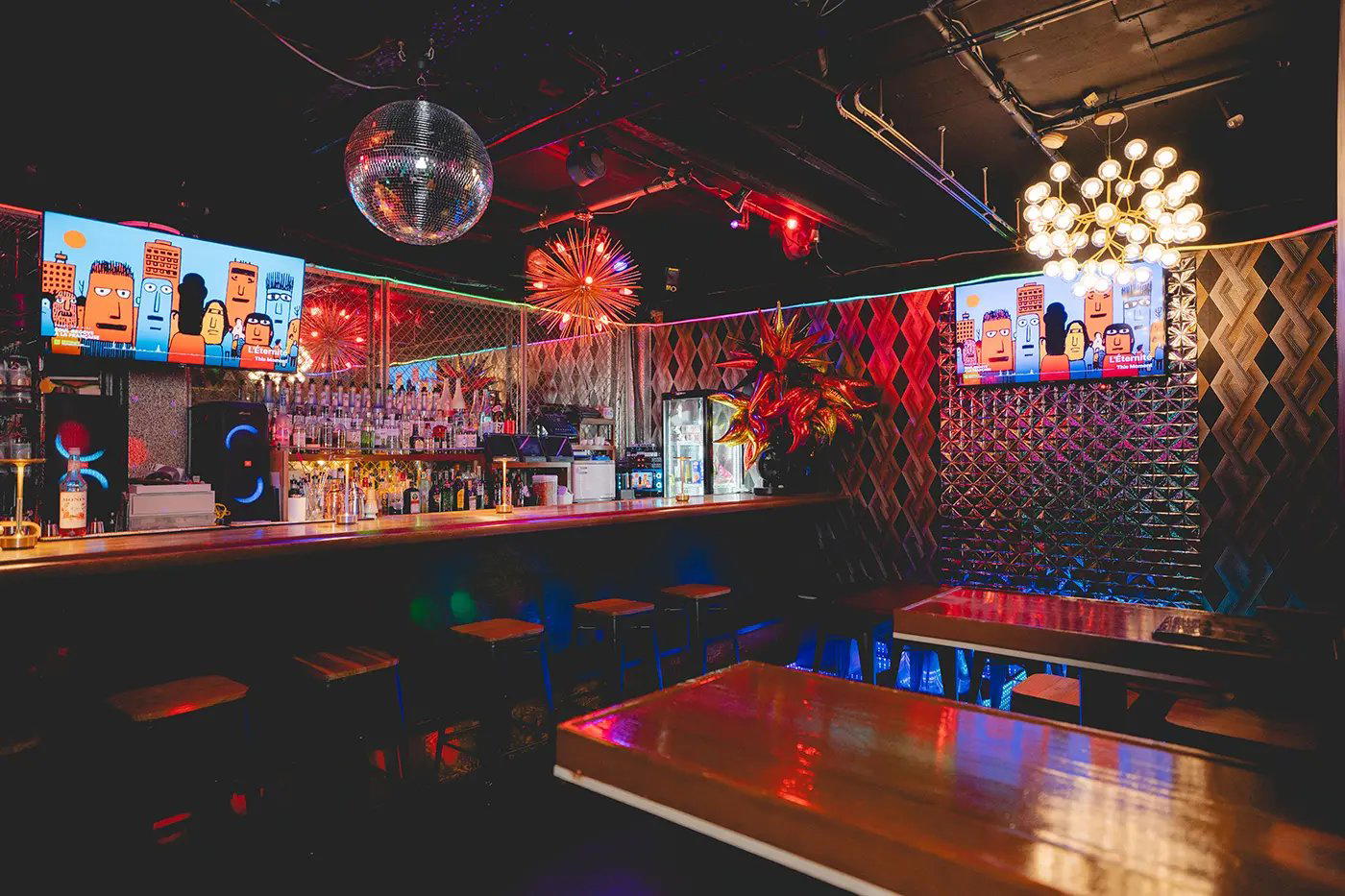
Location is not background here. Shianbashi is Nagasaki’s evening district, and a small Chinese-and-champon room in Motoshikkuimachi reads differently from a waterfront hotel restaurant or a Chinatown dining hall built for groups. The scale is part of the editorial signal: 16 seats means the experience is closer to neighbourhood eating than banquet culture. Private rooms are not part of the format, and the table layout favours small parties rather than ceremonial dining.
The practical texture is also old-school. Cash is the safest assumption because credit cards, electronic money, and QR code payments are not accepted. Reservations are unavailable, which makes timing more important than planning weeks ahead. Dinner service runs Tuesday through Sunday, with Monday closed, and the address at 2-18 Motoshikkuimachi puts it within the Shianbashi orbit. Smoking is allowed, a detail that some travellers will treat as atmosphere and others as a deciding factor. Parking is unavailable, so the tram-and-walk pattern fits the room better than arriving by car.
The award history gives the place more than passing-interest status. Selections for Tabelog Chinese WEST in 2021, 2023, 2024, and 2026 suggest sustained regional recognition rather than a single-season spike. In a city with strong Chinese dining identity, that matters. Awards can overstate polish, but here they are more useful as a filter: among many inexpensive, locally embedded Nagasaki restaurants, this one has been repeatedly flagged in a category that matches the city’s historic strength.
For a wider Nagasaki eating map, pair this address with nearby and category-adjacent references rather than treating it as a standalone trophy. EP Club’s city coverage includes Asa Honten, BEARD, bread A espresso, Chinese cuisine GUNRAIKEN, and Chinese Saikan Kozanro Chuukagai shinkan. For broader trip planning, use Our full Nagasaki restaurants guide, Our full Nagasaki hotels guide, Our full Nagasaki bars guide, Our full Nagasaki wineries guide, and Our full Nagasaki experiences guide.
How to place it in a Japan itinerary
Kanro makes sense for travellers who want Nagasaki to taste like Nagasaki, not like a portable luxury format dropped into another city. The case rests on category, price, room size, and recognition: Chinese cooking, champon noodle soup, a 16-seat dining room, and repeated Tabelog 100 Chinese WEST selections. That combination is tighter than a generic casual dinner recommendation.
Readers building a wider Japan dining route can compare how regional formats shift across cities: -Grilled beef Sukiyaki- KAMAKURA TANUKIAN 鎌倉 たぬき庵 in Kamakura,. 鮪と炭火焼き うお炭 秋葉原店 in Tokyo,.cafe in Osaka,.know in Kumamoto, (Shoku) Vietnam in Kawasaki, and [Curry Senmon Ten] Maruyama Kyoju. in Sapporo all show different versions of local demand. Across the Pacific, Jōdo Saké Bar in Los Angeles and Onigiri Time in Pasadena underline how Japanese food categories travel, simplify, or change context. Nagasaki’s version is older and more entangled: Chinese influence is not an import trend here, but part of the city’s culinary grammar.
A Quick Peer Check
Comparable venues by cuisine and price in the same metro.
| Venue | Cuisine | Price | Awards | Notes |
|---|---|---|---|---|
| KanroThis venue — the venue you are viewing | Chinese Noodle House | $ | , | |
| Chinese cuisine GUNRAIKEN | Chinese (Nagasaki Champon) | $$ | , | Edomachi |
| Shokan Do | Nagasaki Castella & Japanese Sweets | $ | , | Meganebashi Bridge |
| Iwanaga Baijuken | Traditional Japanese wagashi & castella shop | $ | , | Suwamachi |
| Hountei Honten Torifuku | Traditional Nagasaki gyoza & karaage izakaya | $$ | , | Dozamachi |
| Unryu Tei Douza ten | Nagasaki gyoza & Chinese small plates | $ | , | Kanko Dori |
Continue exploring
More in Nagasaki
Restaurants in Nagasaki
Browse all →
Hotels in Nagasaki
Browse all →

Wineries in Nagasaki
Browse all →
At a Glance
- Classic
- Cozy
- Hidden Gem
- Intimate
- Solo
- Late Night
- Casual Hangout
- Standalone
- Street Scene
Nostalgic, local, and compact, with a late-night Chinese diner feel that reviewers describe as comforting and iconic for Nagasaki cuisine.