
Primrose puts Nagasaki’s yoshoku tradition in a small-room, low-price bracket that rewards planning rather than ceremony. Its 2025 Tabelog 100 Yoshoku WEST selection gives the restaurant a clear credential, while the format stays close to the everyday Japanese-Western dining that grew out of port-city appetites and domestic adaptation.
Pearl is the En Primeur Club membership app — saves, bookings, and concierge access live there. Same editors, same standards.
- Address
- 長崎県長崎市古川町3-3 若喜屋ビル 2F
- Phone
- +81958292115
- Website
- restaurant-primrose.com
 Saves & bookings on Pearl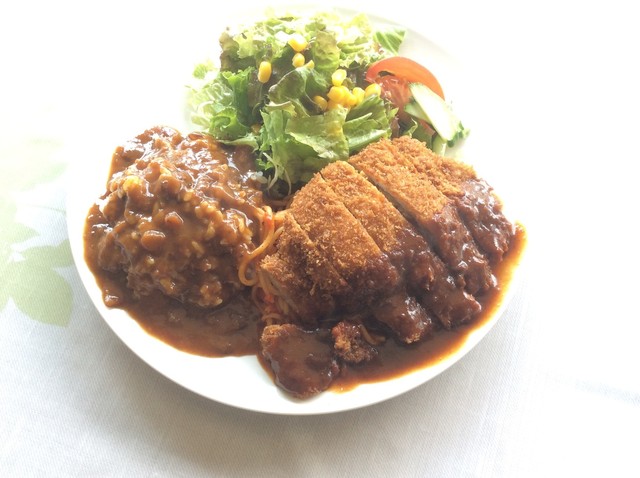
Furukawamachi is the right setting for yoshoku: close to Nagasaki’s old mercantile routes, compact in scale, and better suited to second-floor dining rooms than grand dining-room theatre. Primrose sits in that register, a table-seating-only room near Meganebashi where the appeal is not spectacle but a particular Nagasaki reading of Japanese-Western cooking. In a city shaped by Chinese, Dutch, Portuguese, and domestic Kyushu influences, yoshoku is not a novelty category. It is part of the local grammar of eating.
That matters because yoshoku is often misunderstood outside Japan as a loose translation of Western food. The stronger version is more specific: sauces are adjusted for rice, frying and braising are calibrated for set-meal pacing, and the pantry tends to absorb Western forms without giving up Japanese expectations of balance and portion. Primrose belongs to that lineage rather than to the luxury tasting-menu lane. Its selection for Tabelog 100 Yoshoku WEST 2025 places it inside a regional conversation about craft, consistency, and category identity, not inside the trophy economy of long menus and formal service.
Nagasaki yoshoku works because the city has always cooked through contact
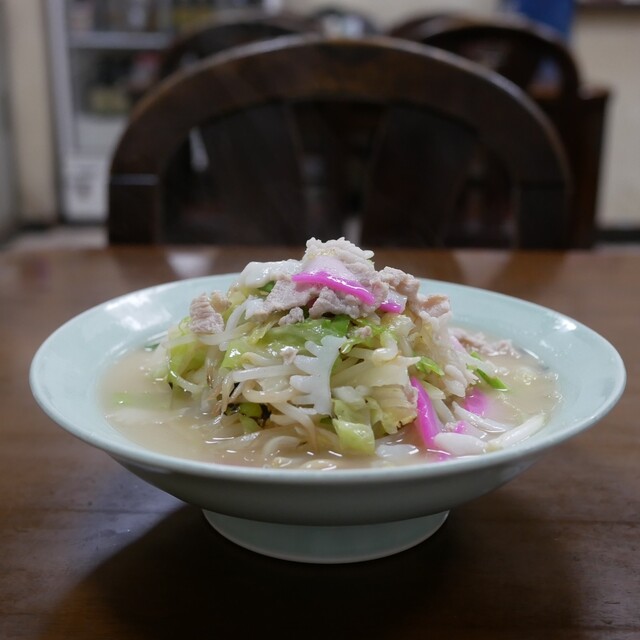
Nagasaki’s restaurant culture has a different centre of gravity from Tokyo’s precision counter dining or Kyoto’s ritualised seasonality. The city’s port history made outside influence part of daily eating, and that is why yoshoku feels especially credible here. Chinese dining has its own public face in the city, visible through addresses such as Chinese cuisine GUNRAIKEN and Chinese Saikan Kozanro Chuukagai shinkan, while local sweets and bakery culture carry another side of the same history, from Asa Honten to bread A espresso. Yoshoku sits between those poles: familiar, adapted, urban, and rooted in appetite rather than purism.
The ingredient question is where this category becomes interesting. Yoshoku does not usually announce provenance with the language of farm names and tasting notes. It expresses sourcing through practical decisions: what holds up in a sauce, what works with rice, what gives a plate enough structure for lunch without turning dinner into formality. In Nagasaki, that means the surrounding sea, Kyushu produce routes, and the city’s long-standing taste for hybrid dishes all shape expectations even when a menu does not read like a regional manifesto. Primrose is persuasive because it operates inside that modesty. The cooking category asks for comfort, but the award context suggests the execution has enough discipline to be noticed beyond the neighbourhood.
A small price bracket with a serious signal
Price is part of the editorial story. Nagasaki has restaurants at different levels of spend: Osaka Ya Hamachou ten occupies a higher dinner bracket at JPY 8,000 to JPY 9,999, while Kanro sits in the under-JPY 999 lane; Shokan Do and Unryu Tei Honten cluster around accessible everyday ranges, and Iwanaga Baijuken moves into a modestly higher bracket. Primrose sits close to the democratic end of that spectrum, with dinner listed at JPY 1,000 to JPY 1,999 and lunch below JPY 999. That combination, low spend plus Tabelog 100 Yoshoku WEST 2025 recognition, is the useful signal: this is not expense masquerading as quality.
The format reinforces the point. Twenty seats, table seating only, no private rooms, non-smoking, children welcome, wine and cocktails available. Those facts describe a local dining room rather than a chef’s counter. Reservations are available, and the room size makes that relevant even when the price bracket feels casual. Credit cards and QR code payments are accepted; electronic money is not. Parking is unavailable, which matters in Nagasaki because the central restaurant map rewards tram-and-walk planning more than car-based dining.
For visitors building a Nagasaki itinerary, Primrose fits better as a category lesson than as a trophy stop. It explains how the city absorbs outside culinary language and turns it into an everyday plate. Pairing it with Chinese, bakery, and local-casual addresses gives a clearer read on Nagasaki than chasing a single grand meal. The broader city edit belongs in Our full Nagasaki restaurants guide; trip structure can widen through Our full Nagasaki hotels guide, Our full Nagasaki bars guide, Our full Nagasaki wineries guide, and Our full Nagasaki experiences guide.
How to read it against Japan's broader casual-dining map
Japan’s casual dining categories travel well because they are disciplined without demanding ceremony. A sukiyaki specialist such as -Grilled beef Sukiyaki- KAMAKURA TANUKIAN 鎌倉 たぬき庵 in Kamakura, a Tokyo seafood-and-charcoal address such as. 鮪と炭火焼き うお炭 秋葉原店 in Tokyo, and a curry specialist such as [Curry Senmon Ten] Maruyama Kyoju. in Sapporo all show how a narrow format can carry a city’s habits. Primrose should be read the same way. It is a small Nagasaki answer to a national pattern: accessible cooking, category fluency, and enough recognition to separate it from anonymous everyday dining.
That pattern also extends beyond Japan. The focused-casual logic behind Onigiri Time in Pasadena or Jōdo Saké Bar in Los Angeles depends on clarity of format rather than scale. Within Japan, a cafe address such as.cafe in Osaka, a Kumamoto dining room such as.know in Kumamoto, and a Vietnamese specialist such as (Shoku) Vietnam in Kawasaki each show a different kind of specificity. Primrose belongs to the same critical conversation, but with Nagasaki’s port-city hybridity as the frame.
The sharper recommendation is this: use Primrose when the trip needs a grounded meal that explains place without requiring a formal evening. The award gives confidence, the price keeps expectations honest, and the small room argues for planning. In Nagasaki, that combination is more useful than another generic premium reservation.
Comparable Spots, Quickly
Comparable venues by cuisine and price in the same metro.
| Venue | Cuisine | Price | Awards | Notes |
|---|---|---|---|---|
| PrimroseThis venue — the venue you are viewing | Yoshoku / Japanese-Western Cuisine | $$ | , | |
| Coffee Fujio | Retro Japanese Cafe Sandwiches | $$ | , | Kajiyamachi |
| ペッパーランチ | Japanese Pepper Steak Rice | $$ | , | 茂里町 |
| Iwanaga Baijuken | Traditional Japanese wagashi & castella shop | $ | , | Suwamachi |
| Osaka Ya Hamachou ten | Premium Kyushu Wagyu Yakiniku | $$$ | , | Shianbashi / Hamanomachi |
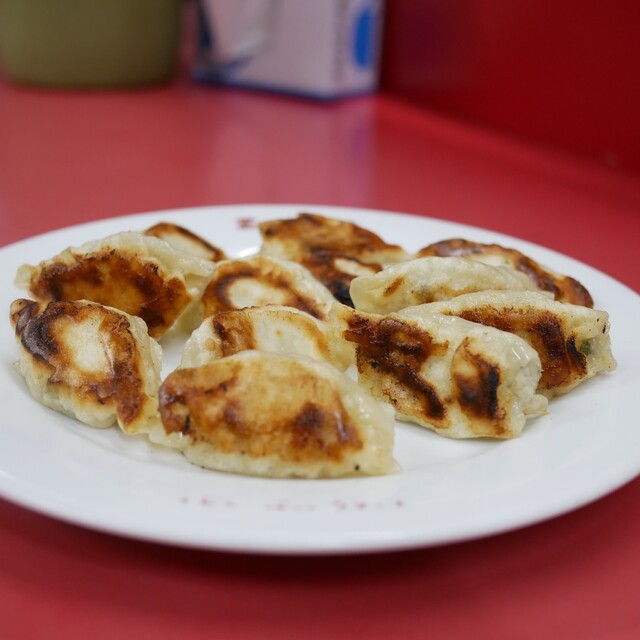
| Unryu Tei Honten | Traditional Nagasaki bite‑sized gyoza shop | $$ | , | Shianbashi |
Continue exploring
More in Nagasaki
Restaurants in Nagasaki
Browse all →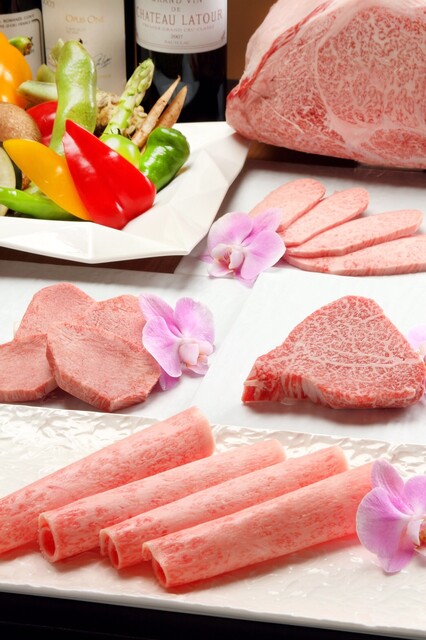
Hotels in Nagasaki
Browse all →
Wineries in Nagasaki
Browse all →
At a Glance
- Scenic
- Cozy
- Classic
- Intimate
- Family
- Group Dining
- Celebration
- Casual Hangout
- Private Event
- Panoramic View
- Standalone
- Beer Program
- Craft Cocktails
- Extensive Wine List
- Waterfront
- Street Scene
A stylish yet approachable Western-style dining room with a relaxed, family-friendly feel and a scenic bridge-and-river backdrop.