
Shokan Do belongs to Nagasaki’s old sweet-making current, where castella and wagashi carry the city’s history of trade, sugar, eggs, and gift culture. Its Tabelog 100 selection for Japanese traditional sweets and sweets cafés in WEST 2023 places it in a serious regional conversation rather than a casual snack stop.
Pearl is the En Primeur Club membership app — saves, bookings, and concierge access live there. Same editors, same standards.
- Address
- 長崎県長崎市魚の町7-24
- Phone
- +81958261123
- Website
- shokando.jp
 Saves & bookings on Pearl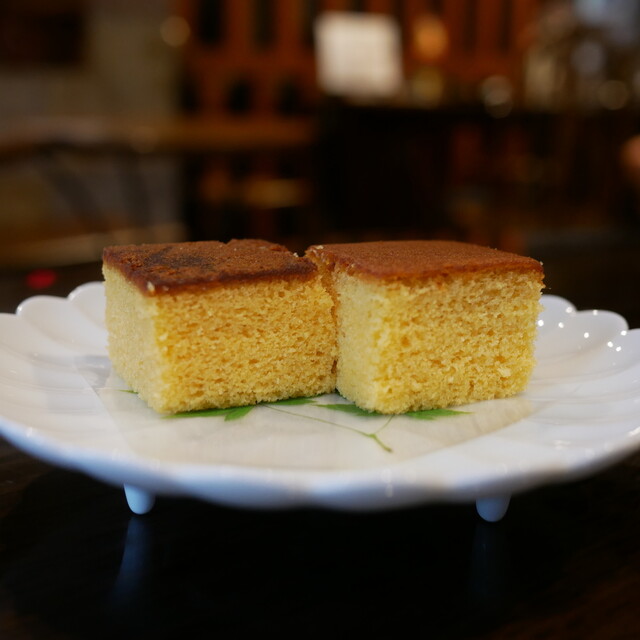
Approaching Nagasaki’s central sweet shops is rarely about spectacle. The city’s confectionery culture works at a quieter register: boxes carried home, slices shared after tea, recipes shaped by the long movement of sugar through port trade. Shokan Do fits that Nagasaki rhythm, closer to a specialist wagashi and castella address than a restaurant built around a long meal.
That distinction matters. In Nagasaki, sweets are not an afterthought to dining; castella is part of the city’s edible identity, and wagashi sits in the space between craft, season, ceremony, and everyday gifting. A serious sweet shop here competes less with dessert counters and more with the city’s long memory of Portuguese influence, Japanese tea culture, and omiyage buying. For a broader read on the city’s dining range, our full Nagasaki restaurants guide places this kind of stop alongside meals rather than after them.
Castella and wagashi as Nagasaki's edible trade history
Nagasaki’s sweet tradition is inseparable from ingredients. Castella depends on a narrow grammar of eggs, sugar, flour, and technique, but the story behind those ingredients is larger than the recipe. Sugar once marked status and connection; in Nagasaki it also marked exchange, because the city’s port history gave confectioners a different set of influences from inland castle towns. Wagashi, meanwhile, carries a Japanese grammar of restraint, portion, wrapping, and seasonality. Put together, the category has unusual depth: a visitor can read Nagasaki through sweets without pretending they are merely souvenirs.
Shokan Do’s category listing, castella, Japanese traditional sweets, and sweets, puts it exactly in that overlap. The Tabelog 100 selection for Japanese traditional sweets and Japanese sweets cafés in WEST 2023 is the clearest external signal: this is not simply a neighborhood counter with local affection, but part of a wider western Japan field where traditional sweet makers are judged against specialist peers. In a city where Chinese, Dutch, Portuguese, and Japanese strands all left food traces, that recognition carries more weight than a generic dessert rating.
The sourcing angle is not about naming a farm or producer here; it is about what the sweets demand from their base materials. Castella exposes eggs and sugar rather than hiding them. Wagashi exposes bean paste, rice, starch, and seasonal shaping rather than burying them under excess. In that context, a shop working across castella and wagashi is dealing with ingredients that leave little room for distraction. The craft is measured in balance, shelf life, texture, and the discipline of making sweets that travel well without becoming anonymous.
Where it sits in Nagasaki's sweet-shop hierarchy
Nagasaki has several ways to spend on sweets, from modest daily purchases to formal gift boxes. Shokan Do sits in the accessible specialist tier, not the luxury dining tier. Compared with Primrose in Nagasaki, which appears in a similar everyday price band, it reads more firmly as a traditional sweets address. Iwanaga Baijuken occupies a higher sweet-shop bracket, while Asa Honten moves into a more expensive local category again. Osaka Ya Hamachou ten sits far above that range, closer to a full restaurant spend than a casual confectionery stop. Kanro, at the lower end, belongs to a different use case.
That spread explains the decision for travelers. This is not where to look for a drawn-out dining occasion; it is where to understand Nagasaki through a precise, portable format. The city rewards that kind of itinerary. A serious day of eating might start with bread at bread A espresso, move through local Chinese cooking at Chinese cuisine GUNRAIKEN or Chinese Saikan Kozanro Chuukagai shinkan, and leave room for wagashi rather than treating sweets as an afterthought. BEARD shows another side of Nagasaki’s contemporary table, but the sweet-shop tradition is older, quieter, and more specific to the city’s port identity.
For travelers building a wider Nagasaki stay, the surrounding editorial map matters. Our full Nagasaki hotels guide helps anchor the base, while our full Nagasaki bars guide, our full Nagasaki wineries guide, and our full Nagasaki experiences guide cover the rest of the day. The point is sequence: traditional sweets work better when placed into the rhythm of a city, not squeezed in as a sugar stop between appointments.
A specialist stop, not a long-form restaurant
The format is part of the appeal. Take-out service suits Nagasaki’s confectionery culture, where sweets are often bought for later, carried across town, or packed as gifts. Children are welcome, and the non-smoking setting keeps the experience aligned with a family purchase rather than late-night dining. Reservations are available, which is useful for travelers treating the stop as part of a planned food itinerary rather than a passing errand.
Shokan Do is also a reminder that Japan’s restaurant guides often flatten different food cultures into a single search habit. A counter sushi meal, a Chinese banquet, a bakery, and a wagashi shop are not competing for the same appetite. Their value comes from reading the format correctly. For comparison outside Nagasaki, a beef specialist such as -Grilled beef Sukiyaki- KAMAKURA TANUKIAN 鎌倉 たぬき庵 in Kamakura, a Tokyo izakaya-format listing like. 鮪と炭火焼き うお炭 秋葉原店 in Tokyo, and a coffee-led venue such as.cafe in Osaka all ask different questions of the traveler. So do.know in Kumamoto, (Shoku) Vietnam in Kawasaki, [Curry Senmon Ten] Maruyama Kyoju. in Sapporo, Jōdo Saké Bar in Los Angeles, and Onigiri Time in Pasadena. Shokan Do’s question is narrower and more revealing: how much of Nagasaki can be understood through the discipline of sweets?
The answer is enough to justify taking it seriously. The external recognition, the traditional categories, and the city’s historic relationship with sugar give the stop editorial weight. It belongs in a Nagasaki itinerary not because it mimics a restaurant experience, but because it explains a local food tradition in a compact form.
Comparison Snapshot
Comparable venues by cuisine and price in the same metro.
| Venue | Cuisine | Price | Awards | Notes |
|---|---|---|---|---|
| Shokan DoThis venue — the venue you are viewing | Nagasaki Castella & Japanese Sweets | $ | , | |
| Primrose | Yoshoku / Japanese-Western Cuisine | $$ | , | Furukawa-machi / Meganebashi |
| Coffee Fujio | Retro Japanese Cafe Sandwiches | $$ | , | Kajiyamachi |
| BEARD | Modern Vegetable-Focused Japanese | $$$ | Obama Onsen | |
| Unryu Tei Douza ten | Nagasaki gyoza & Chinese small plates | $ | , | Kanko Dori |
| Asa Honten | Izakaya / Creative Seafood | $$ | , | Sakuramachi / Ebisucho |
Continue exploring
More in Nagasaki
Restaurants in Nagasaki
Browse all →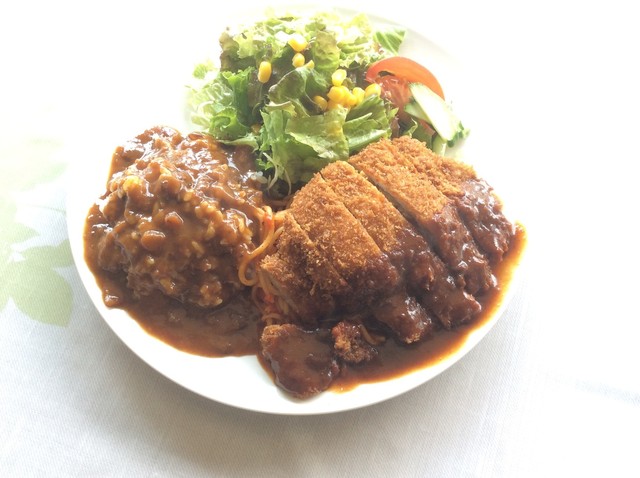
Hotels in Nagasaki
Browse all →
Wineries in Nagasaki
Browse all →
At a Glance
- Classic
- Iconic
- Solo
- Casual Hangout
- Family
- Standalone
- Street Scene
Traditional Japanese sweets shop atmosphere with a classic, understated interior focused on takeaway castella and tea, creating a calm, nostalgic feel rather than a full-service restaurant setting.