Our verdict
Xiaomingtang Dandantian Shuimian sits in Chengdu's Qingyang District at 1 Jiangjun Street, a address associated with the city's deep tradition of street-level noodle culture. The format centers on dan dan mian, the Sichuan sesame-and-chili noodle dish that functions as both breakfast ritual and afternoon reset for locals. It belongs to the affordable, high-frequency tier of Chengdu dining rather than the formal banquet circuit.

Pearl is the En Primeur Club membership app, where members save venues, book tables and use the concierge.
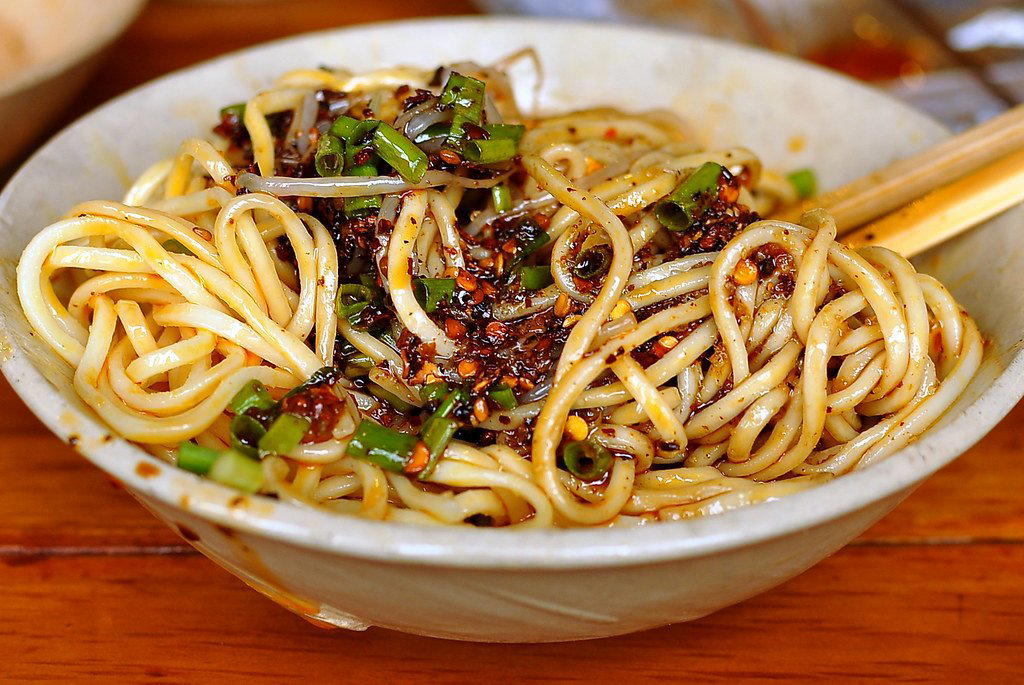
The menu
What to order
- Dan dan noodles
- Chili oil dumplings
- Halal fried rice
Where Chengdu Eats Before Noon
There is a particular rhythm to eating in Chengdu that has little to do with reservation windows or tasting menus. In the early morning and again around midday, the city's noodle houses fill with a mixture of office workers, retired residents, and the occasional tourist who has done enough research to know that the most instructive meal in any Sichuan city is often the cheapest. Xiaomingtang Dandantian Shuimian, at 1 Jiangjun Street in the Qingyang District, sits inside that tradition: a dedicated dan dan mian counter whose address places it in a part of the city defined by local commerce and daily foot traffic rather than the polished restaurant blocks near Taikoo Li or the upscale Jinjiang corridor.
Dan dan mian itself is one of Sichuan cuisine's foundational street dishes, and understanding the format before you arrive shapes the experience considerably. The name references the carrying poles (dan dan) that vendors once used to haul their equipment through Chengdu's lanes. The dish that emerged from that itinerant tradition involves wheat noodles in a sauce built from sesame paste, Sichuan chili oil, soy, vinegar, and Yibin yacai (a preserved vegetable), typically finished with minced pork and a careful pinch of Sichuan peppercorn. The peppercorn's role is not heat in the conventional sense; it produces the numbing, tingling sensation Sichuan cooks call ma, which acts alongside the chili's la (spice) to produce the flavor compound the cuisine describes as mala. A bowl of dan dan mian is, at its core, a delivery system for that duality.
The Ritual of the Bowl
Eating dan dan mian well is a question of pacing and method. The noodles are typically served in a small bowl, portioned for speed rather than satiety, and the expectation in most Chengdu noodle houses is that you mix the sauce vigorously from the bottom before the first bite. Delay compromises the emulsion and allows the oil to separate in ways that flatten the dish's layering. The meal tends to be brief: ten to fifteen minutes is standard. Regulars rarely linger. A second bowl, or a side order of wontons in red oil, extends the sitting without disrupting the format.
This kind of counter-service noodle eating occupies a distinct position in the broader Sichuan dining structure. It sits below the formal restaurant tier occupied by operations like Yu Zhi Lan or Xin Rong Ji, both of which represent Chengdu's fine-dining and high-craft banquet segment. It also differs from mid-range sit-down Sichuan houses like Fu Rong Huang or more regionally focused operations such as Fang Xiang Jing. Xiaomingtang belongs to the high-frequency, low-price tier whose value lies not in occasion dining but in daily repetition and neighborhood consistency. A meal here is calibrated for the person returning tomorrow, not the visitor seeking a set-piece experience.
Qingyang and the Noodle House Geography of Chengdu
Chengdu's noodle culture does not distribute evenly across the city. The Qingyang District, where Xiaomingtang sits, retains a character shaped by older residential patterns and commercial streets that predate the city's post-2000 development wave. Jiangjun Street connects into a neighborhood whose daily rhythm supports exactly the kind of quick-service, walk-in eating that defines this tier of Sichuan food culture. The contrast with destinations like Jinli or the heritage streets around Kuanzhai Alley is deliberate: those areas serve tourism infrastructure; this address serves a local population with specific and repeated tastes.
For travelers, the Qingyang address functions as a useful calibration point. Chengdu's eating scene divides roughly into the high-end creative tier (where Michelin recognition and lengthy tasting formats apply), the popular mid-range Sichuan restaurants that dominate most guidebook coverage, and the street-level noodle and snack counters that represent what the city's residents actually eat most days. Xiaomingtang sits in the third category alongside other Sichuan single-dish specialists. Understanding that tier matters more than understanding any single venue within it. A broader map of where Chengdu's different dining registers operate is available through our full Chengdu restaurants guide.
The Sichuan noodle tradition also connects outward across Chinese cuisine. Chengdu's approach to wheat noodles in chili-sesame sauces parallels distinct noodle cultures in other cities: the wheat-forward, lighter-broth traditions of Jiangnan cities like Hangzhou (where Ru Yuan represents a different dining register entirely) or the Fujian-inflected formats that appear in venues such as Hokkien Cuisine operating within Chengdu itself. Dan dan mian's flavor profile, built on fat emulsion and compound spice rather than stock depth, places it in a separate technical lineage from most northern Chinese noodle traditions.
Planning a Visit
Xiaomingtang Dandantian Shuimian is at 1 Jiangjun Street, Qingyang District, Chengdu, Sichuan 610015. The address places it within the 骡马市 (Luomashi) area, accessible by metro from the city center. Given the format, walk-in is the standard approach: noodle houses at this price tier rarely operate reservation systems, and peak hours (early morning and the late-morning lull before noon) move quickly. Arriving slightly off-peak reduces wait time if the space fills. Pricing at Chengdu's dedicated dan dan mian counters typically sits at the lower end of the city's food spectrum, well below the mid-range Sichuan sit-down tier and significantly below formal venues. Visitors planning a fuller day of Chengdu eating might use this stop as a morning anchor before afternoon and evening meals at higher-price-tier venues across the city.
Frequently asked questions
Where do I go for Xiaomingtang Dandantian Shuimian?
Xiaomingtang Dandantian Shuimian is located at 1 Jiangjun St, 骡马市 Qingyang District, Chengdu, Sichuan, China, 610015, Chengdu.
Is Xiaomingtang Dandantian Shuimian worth visiting specifically for Sichuan-style dan dan mian, as opposed to other Chengdu noodle styles?
The venue name translates directly as 'Xiaomingtang Dan Dan Noodle House', indicating a single-dish specialisation rather than a broad noodle menu. In Chengdu's Qingyang District, that kind of focused operation typically reflects a kitchen built around one preparation executed repeatedly. For travellers specifically tracing the dan dan mian tradition in its home city of Chengdu, the address at 1 Jiangjun Street places it within a historically dense part of the city's food culture.
What do people recommend at Xiaomingtang Dandantian Shuimian?
The venue name itself signals the focus: dan dan mian (担担面) is the core order here, prepared in the Sichuan tradition with sesame paste, chilli oil, and preserved vegetables. At a specialist noodle house in Qingyang District, the bowl is typically portioned small and eaten fast. Most regulars order multiple rounds rather than a single large serving.
What's the best way to book Xiaomingtang Dandantian Shuimian?
No reservation system is confirmed for this address at 1 Jiangjun Street, Qingyang District. Neighbourhood noodle houses in Chengdu's Luomashi area operate on a walk-in basis, with peak queues forming in the early morning and again around midday. Arriving at opening or slightly before is the standard tactic for faster seating.
What do critics highlight about Xiaomingtang Dandantian Shuimian?
No formal critical reviews or award citations are recorded in available documentation for Xiaomingtang. Its position in the Qingyang District, a part of Chengdu where noodle culture has deep roots in older commercial street geography, provides the relevant context. Venues in this area tend to earn local authority through consistency and repeat custom rather than press coverage.
Can Xiaomingtang Dandantian Shuimian accommodate dietary restrictions?
Traditional dan dan mian contains sesame paste, chilli oil, minced pork, and wheat noodles, which limits options for those avoiding gluten, pork, or sesame. No menu variations are documented for this Qingyang District address. Communicating restrictions directly at the counter in Mandarin will produce the clearest result in a setting where English menus are unlikely.
Cuisine and Awards Snapshot
| Venue | Cuisine | Price | Awards | Notes |
|---|---|---|---|---|
| Xiaomingtang Dandantian ShuimianThis venue (the venue you are viewing) | Traditional Sichuan Noodles | Not listed | Not listed | Not listed |
| Xin Rong Ji | Chinese | Not listed | 2 Michelin Stars · World's 50 Best #56 | Taizhou |
| Yu Zhi Lan | Modern Sichuan Fine Dining | $200–300 | 2 Michelin Stars · La Liste Top Restaurants | Sichuan |
| Mi Xun Teahouse | Modern Vegetarian Sichuan Chinese | $30–50 | 1 Michelin Star | Vegetarian |
| Chen Mapo Tofu (Qinghua Road) | Authentic Sichuan Mapo Tofu | $10–20 | Michelin Bib Gourmand | Sichuan |
| Co- | Modern French Tasting Menu | $150–200 | 1 Michelin Star · World's 50 Best #69 | Innovative |
Continue exploring
More in Chengdu
Restaurants in Chengdu
All restaurants in Chengdu →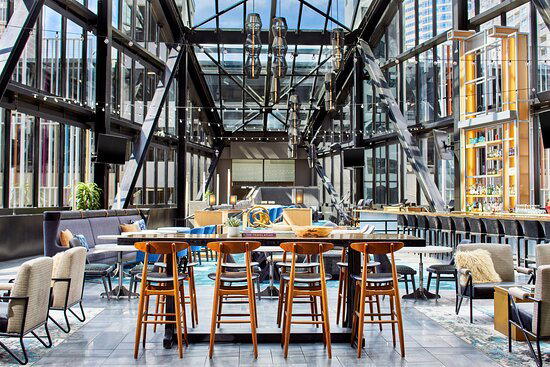
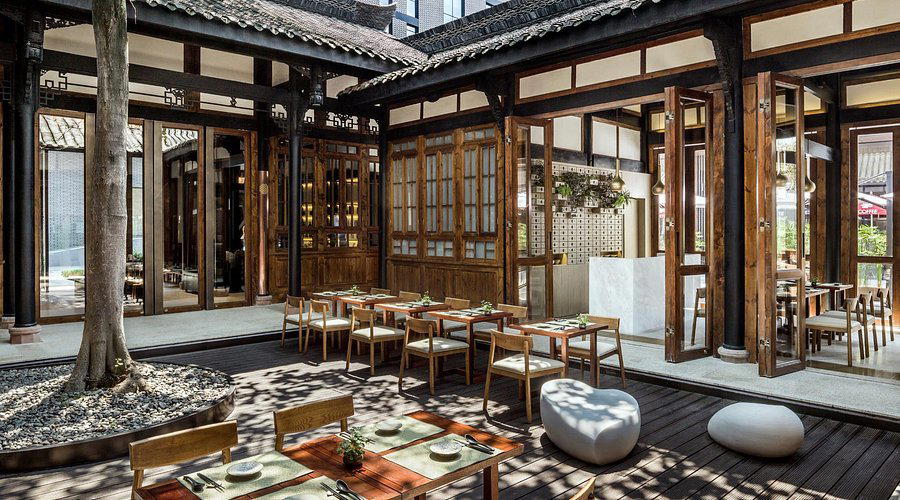
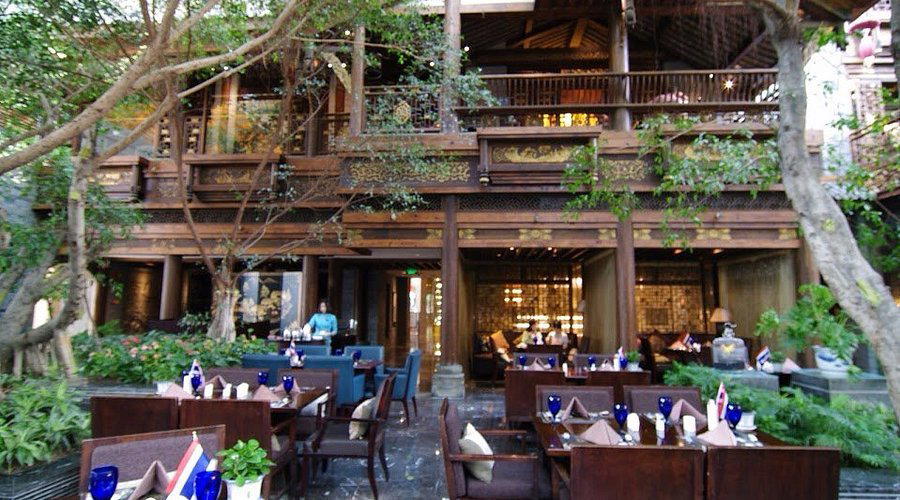
Bars in Chengdu
All bars in Chengdu →
Details
- Classic
- Casual Hangout
- Standalone
- A La Carte
- Halal
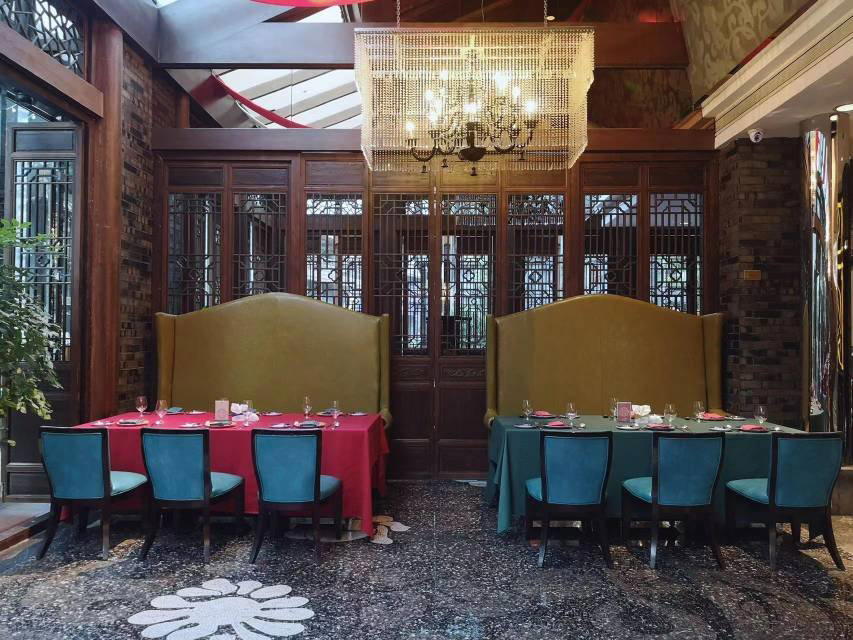
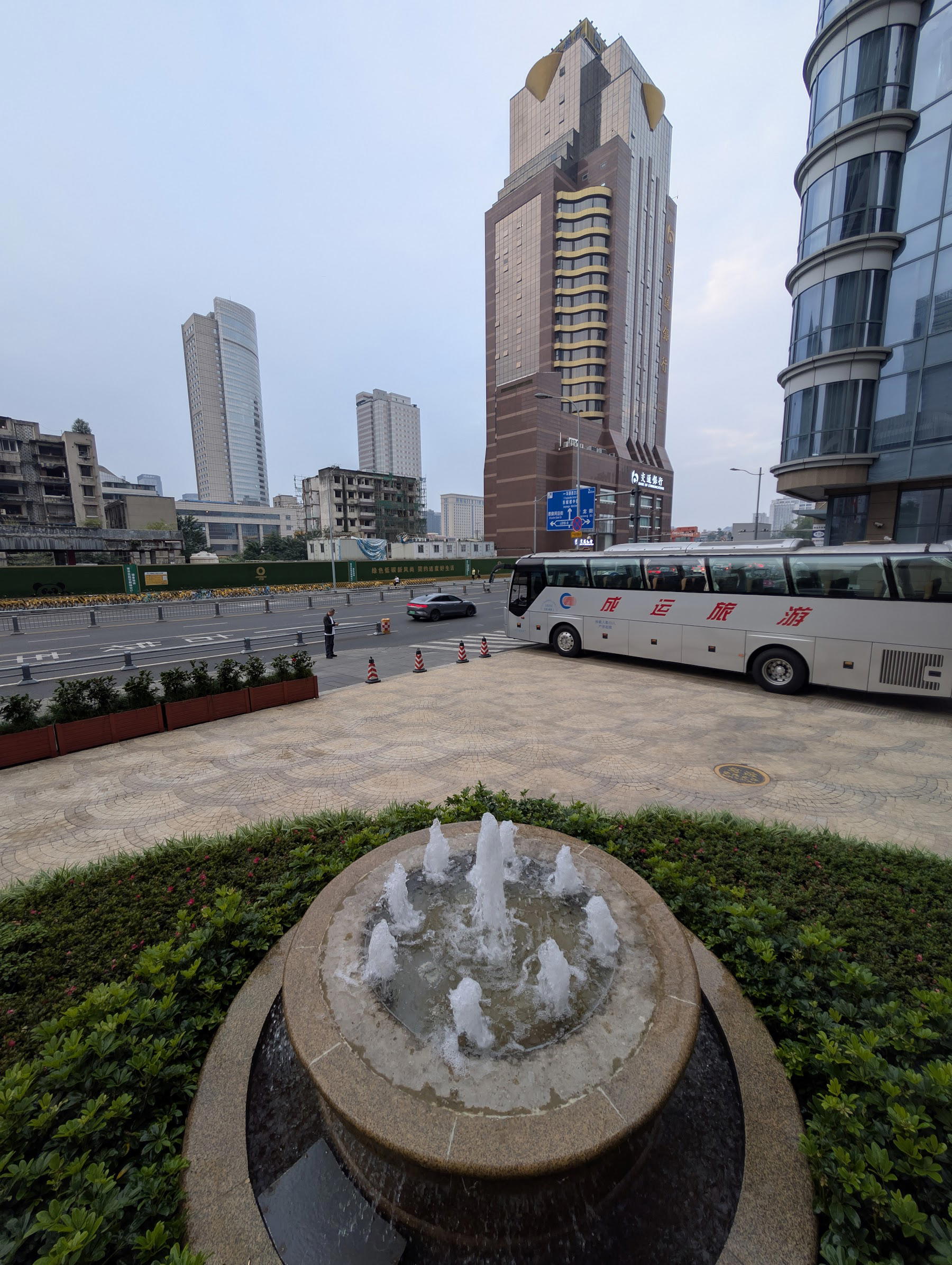
Casual local eatery with simple tables featuring traditional Chengdu noodle shop atmosphere.