


La Liste Top Restaurants · Tabelog Gold #15
Our verdict
Matsukawa has held the Tabelog Gold Award every year since 2017 and carries a La Liste score of 99 points, placing it among the most consistently recognised kaiseki addresses in Tokyo. Operating from Akasaka since March 2011, the restaurant runs on a referral-only reservation system across just 22 seats. Dinner runs from JPY 80,000 to JPY 99,999, with lunch somewhat lower, and cash is the only accepted payment.

Pearl is the En Primeur Club membership app — saves, bookings, and concierge access live there. Same editors, same standards.
- Address
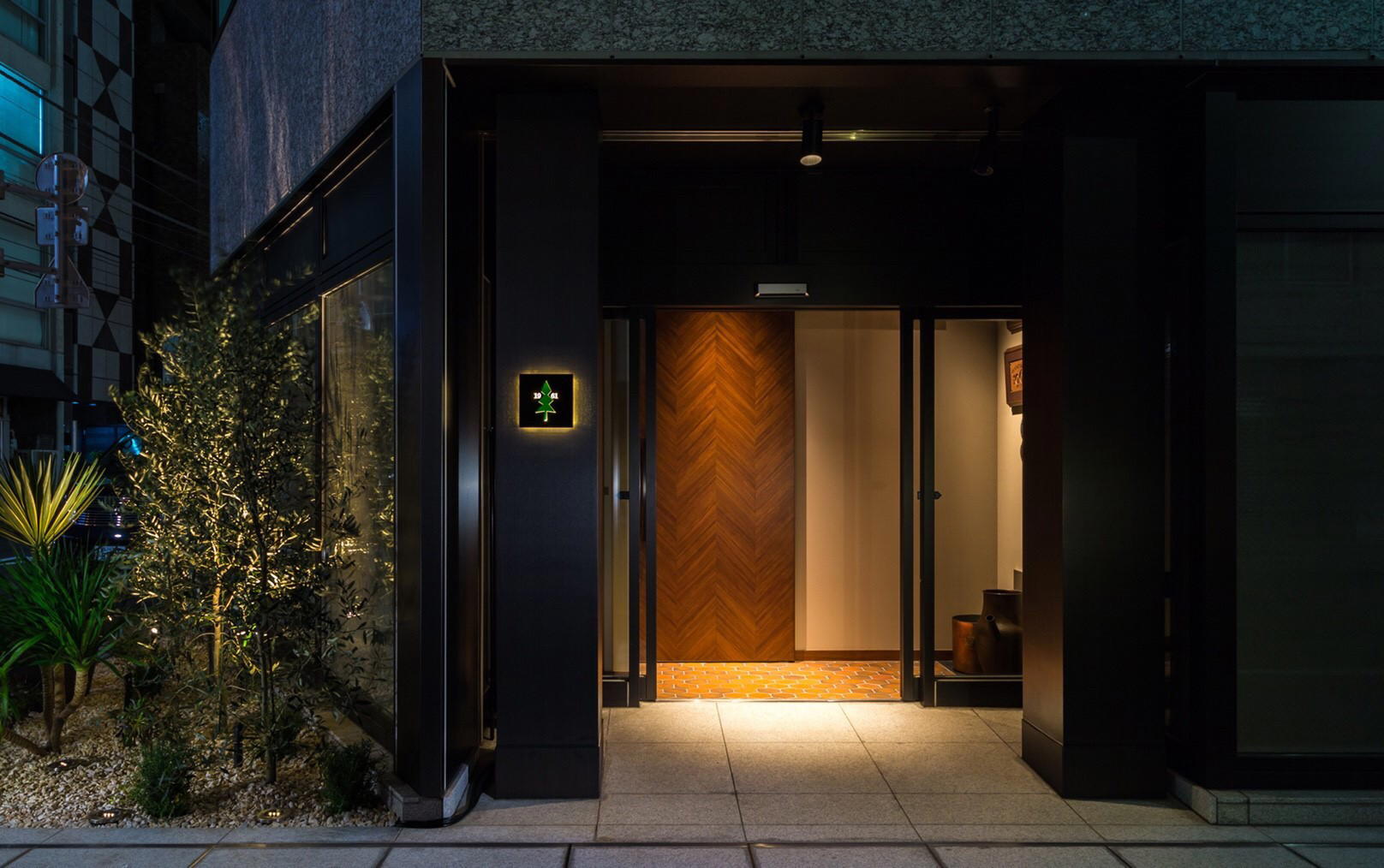
- Japan, 〒107-0052 Tokyo, Minato City, Akasaka, 1 Chome−11−6 Akasaka Terrace House, 1F
- Phone
- +81 3-6277-7371
- Hours
- Mon–Wed 6–8 PMThu 12–2 PM, 6–8 PMFri 6–8 PMSat 12–2 PM, 6–8 PMSun Closed
- Website
- t-matsukawa.com
- Directions
- Get directions
Kaiseki at the Referral Tier: Where Matsukawa Sits in Tokyo's Japanese Cuisine Hierarchy
Tokyo's kaiseki scene divides cleanly into tiers. There are the accessible multi-branch operations, the well-reviewed independents that take online reservations, and then a smaller, harder-to-reach group that operates almost entirely on referral, with no walk-ins, no public booking system, and no credit cards. Matsukawa restaurant Tokyo sits firmly in that last category. Open since March 2011 in Akasaka, Minato City, the restaurant has spent over a decade building a reputation that travels entirely by word of mouth, a deliberate position that shapes everything from the dining room configuration to the way a reservation is obtained.
The Tabelog Gold Award is the clearest benchmark for sustained peer recognition in Japan's dining culture. Matsukawa has held that designation every year from 2017 through 2026, a consecutive run that places it in a very small group of Tokyo Japanese cuisine restaurants. Its Tabelog score of 4.63 and its repeated selection for the Tabelog Japanese Cuisine Tokyo "100" list in 2021, 2023, and 2025 confirm that the recognition is not a single-year anomaly. For context, the kaiseki addresses most frequently mentioned alongside Matsukawa in Tokyo, such as RyuGin (Kaiseki, Japanese), operate at similar price points but with more accessible booking systems. Matsukawa's referral requirement adds a layer of friction that functions as a form of curation.
The Sourcing Logic Behind Kaiseki at This Level
Kaiseki as a format is inseparable from seasonal ingredient sourcing. The cuisine developed as a vehicle for expressing what a particular moment in the Japanese agricultural and fishing calendar makes available, and the most serious practitioners treat the menu as a direct document of that moment. At the price range Matsukawa occupies, dinner running from JPY 80,000 to JPY 99,999 and lunch from JPY 60,000 to JPY 79,999, the sourcing expectation is correspondingly high. These figures place Matsukawa in the same spending band as the most expensive omakase sushi counters in the city, venues like Harutaka (Sushi), where ingredient provenance is the primary argument for the price.
The head chef, Mr. Matsukawa, trained at Shoufukurou and Seisouka before opening under his own name. Both are kaiseki establishments with serious reputations, and the lineage signals a grounding in classical Japanese technique rather than the fusion-adjacent modernism that defines some of Tokyo's newer high-end Japanese restaurants. At this level, the sourcing conversation is less about whether ingredients are premium and more about the specificity of the relationships: which region's dashi kelp, which prefecture's river fish, which farm's seasonal vegetables.
For comparison, Aoyagi - 青柳 and 東麻布 天本 - Amamoto occupy adjacent positions in Tokyo's serious Japanese cuisine tier, each with their own ingredient-first philosophies.
The Room: 22 Seats, Multiple Formats
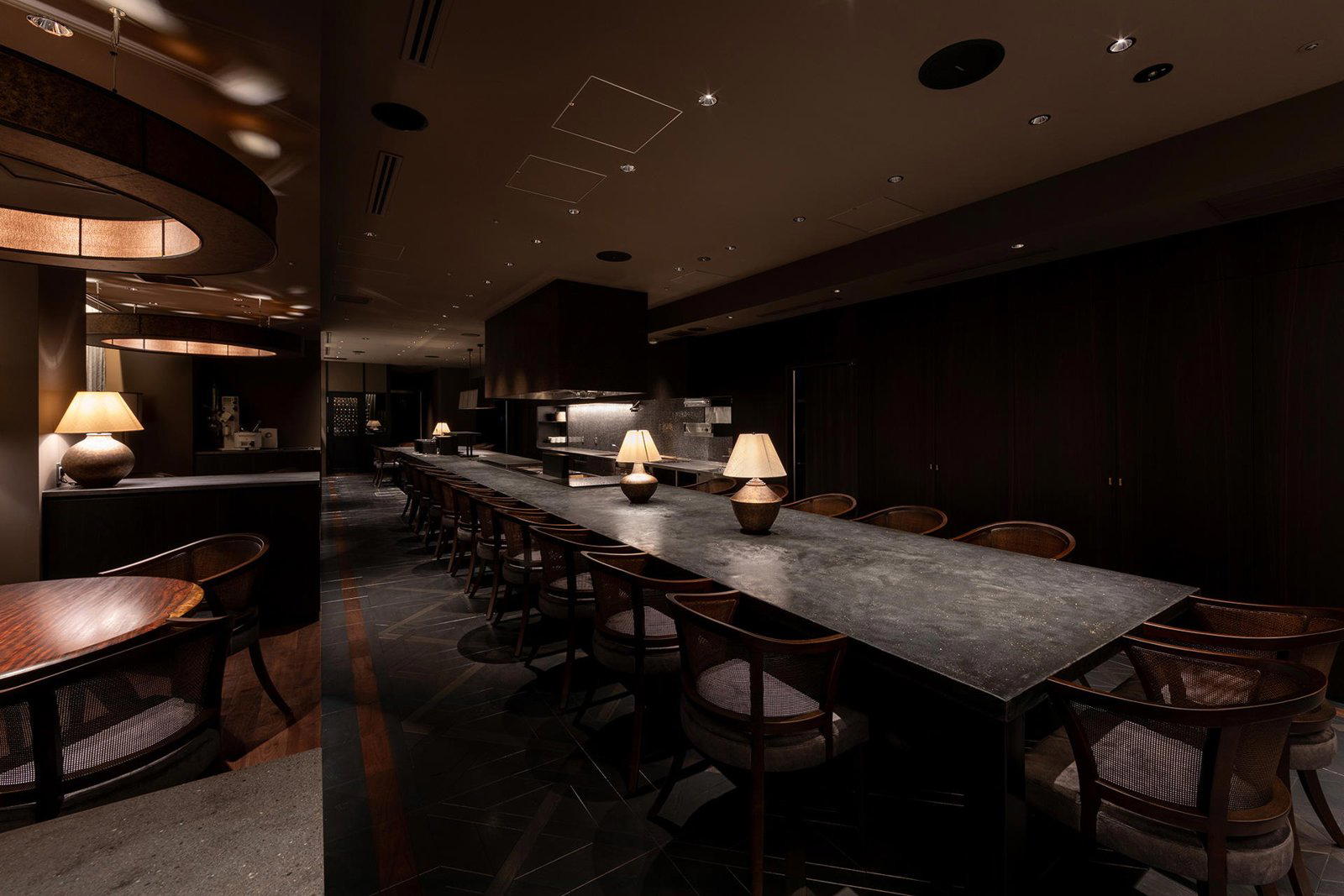
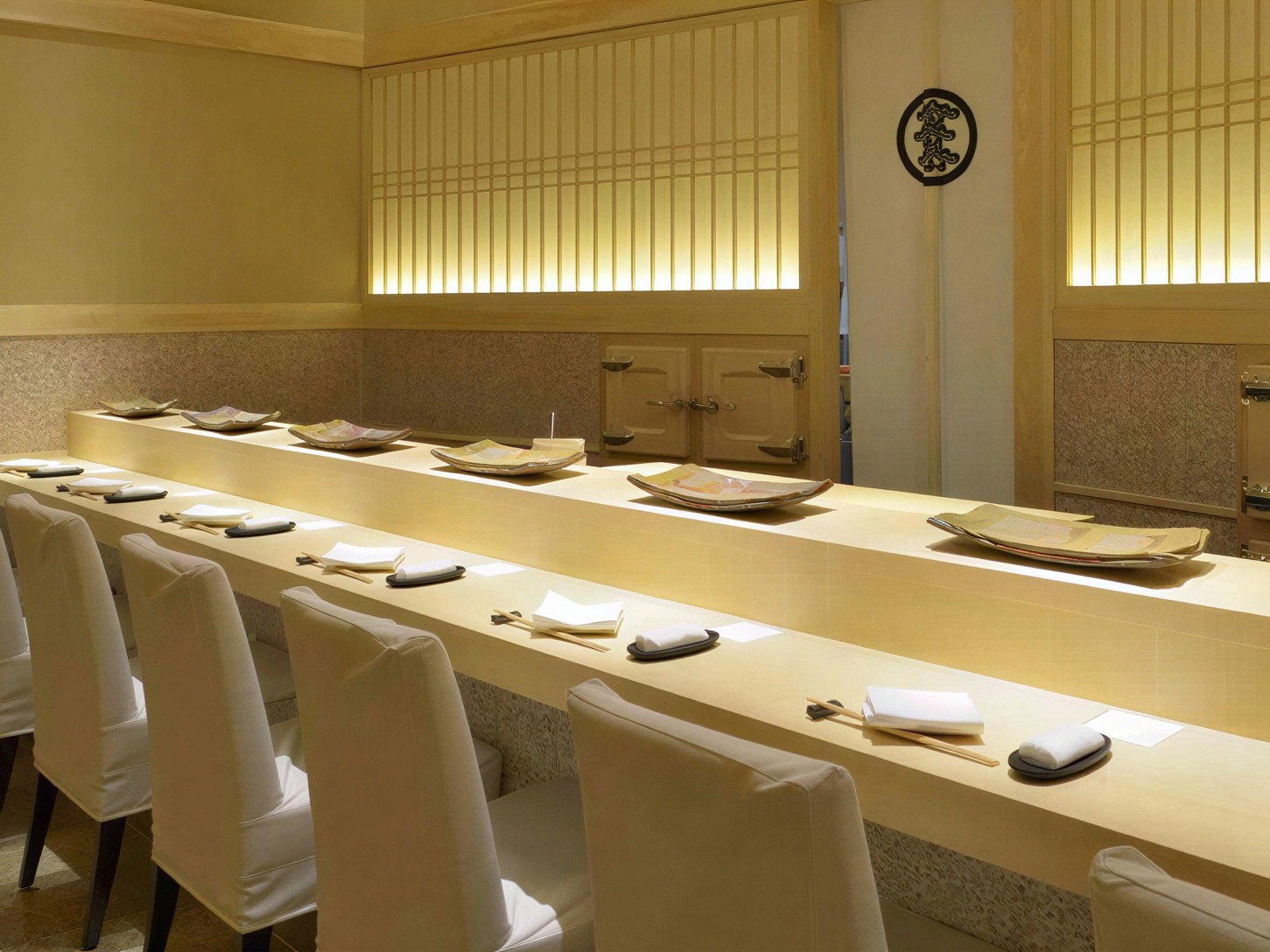
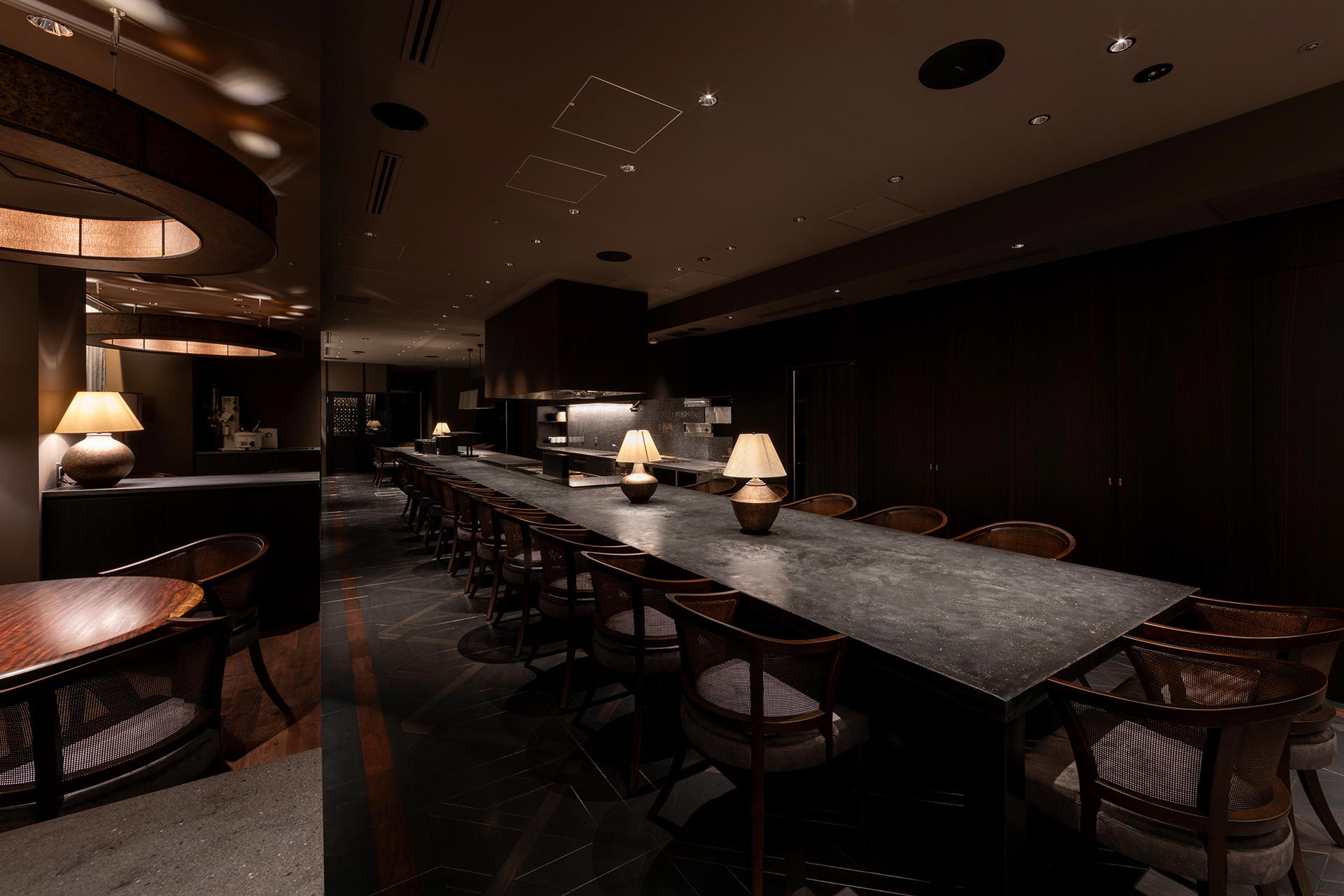
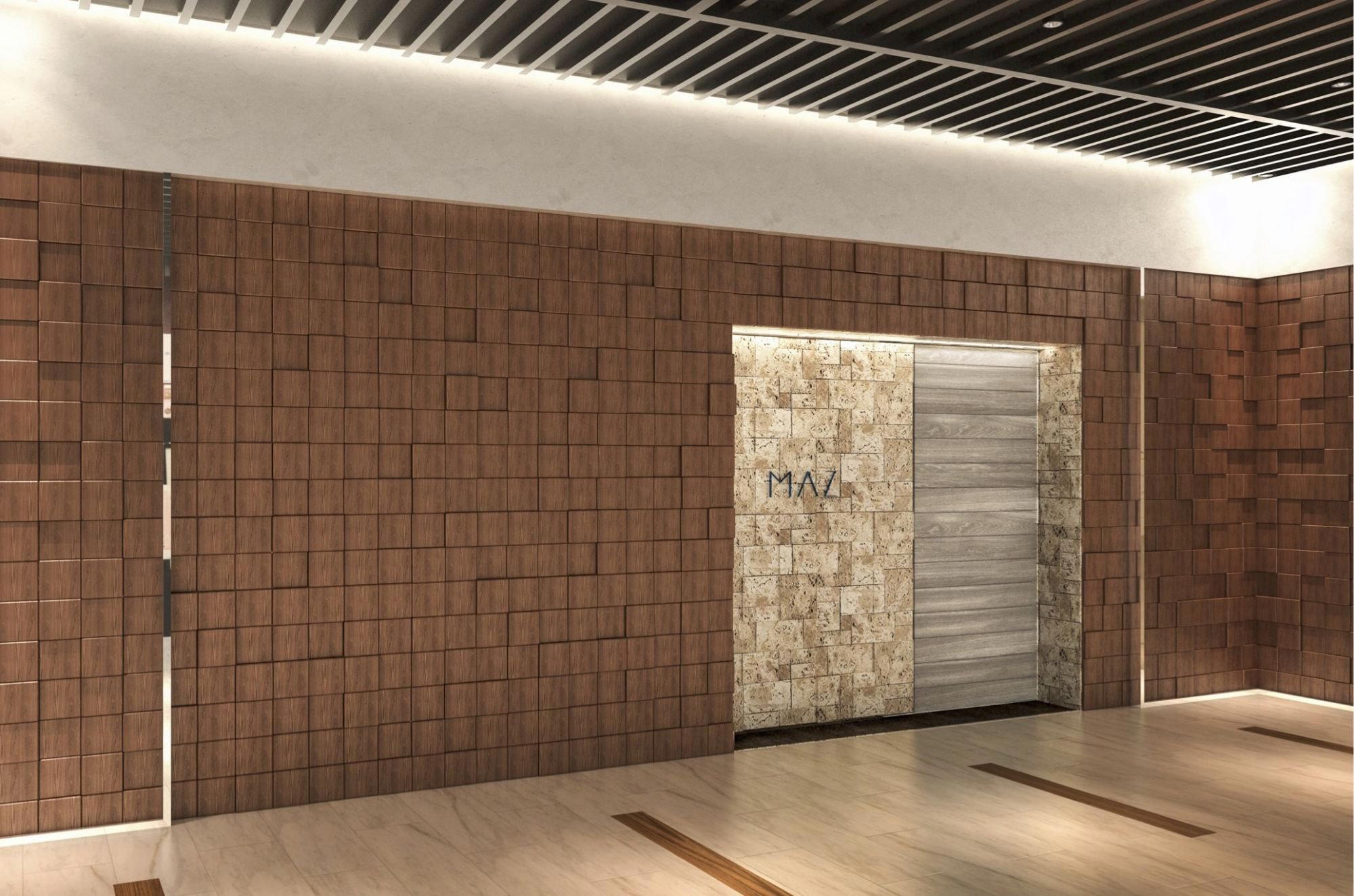
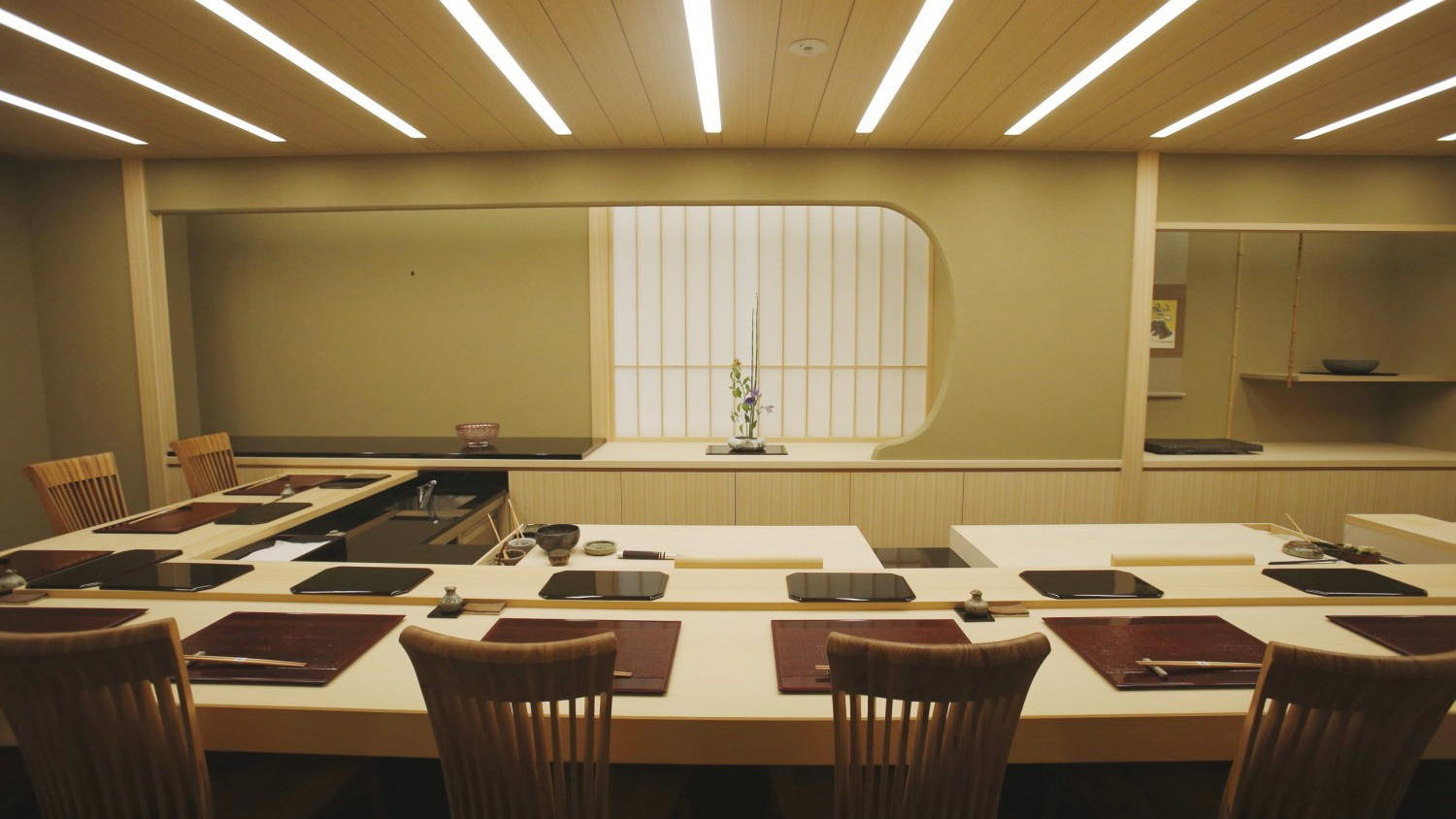
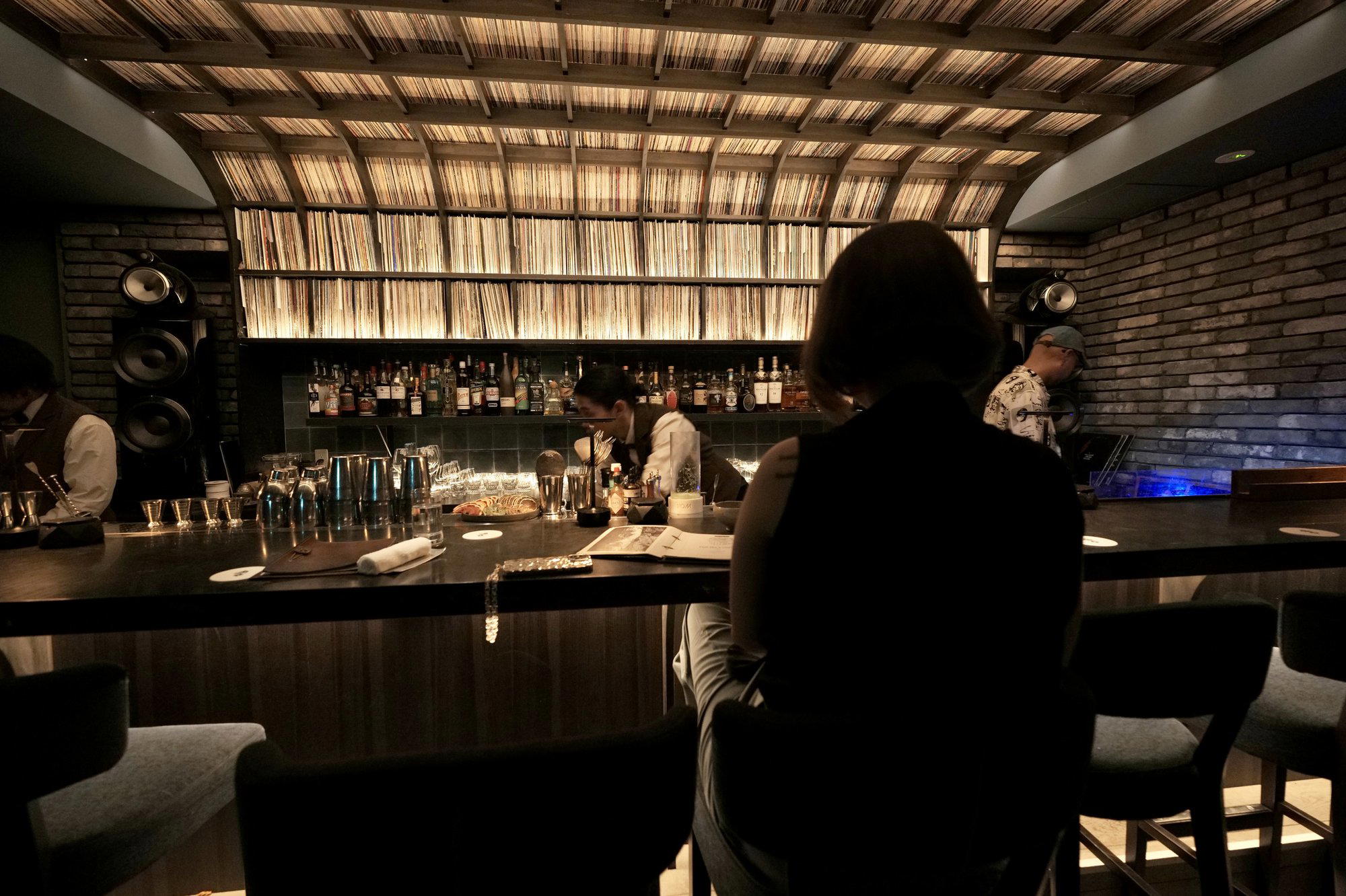
The physical configuration of Matsukawa in Akasaka Minato City tells its own story. Twenty-two total seats spread across a six-seat counter, a four-seat tatami room, and two private rooms (one for four, one for eight) represent a deliberate range of dining contexts under one roof. The counter is the classic kaiseki format: direct sight lines to the kitchen, a sequential rhythm of courses, the discipline of watching preparation as part of the experience. The tatami room and sunken-seating private rooms offer a more enclosed version of the same meal, appropriate for the business occasions and family celebrations that the venue explicitly names as primary use cases.
The private room for eight is notable. At a restaurant this size, dedicating more than a third of total seating to a single private format suggests that group bookings, particularly for occasions that warrant discretion, are a meaningful part of the restaurant's operating model. The family-friendly designation, which extends to children during daytime service only, is unusual for a restaurant in this price bracket and adds another dimension to how the space functions across different booking types.
Practical Considerations for Accessing Matsukawa
Logistics of dining at Matsukawa require more advance planning than most Tokyo restaurants in any category. The referral-only system means a first visit requires an introduction from an existing guest, a model common among the most exclusive Japanese restaurants but less frequently sustained at this scale over such a long period. The restaurant's website, t-matsukawa.com, is the appropriate first stop for calendar information, as hours and closed days vary and are not reliably captured by third-party platforms.
Service runs Monday, Tuesday, Wednesday, and Friday for dinner from 18:00 with a last order at 20:00. Thursday and Saturday add a lunch service from 12:00, with last order at 13:00, followed by the same dinner window. Sunday and public holidays are closed. The address is Akasaka Terrace House 1F, 1-11-6 Akasaka, Minato City, reachable on foot from Exit 13 of Tameike Sanno Station (approximately ten minutes) or from Exit 3 of Roppongi Itchome Station (also approximately ten minutes). No parking is available on site.
Payment is cash only. No credit cards, electronic money, or QR code payment systems are accepted. At a dinner check of JPY 80,000 to JPY 99,999 per person, this requires specific preparation. The drink program leans heavily on sake, with the venue explicitly noting a focus on nihonshu selection alongside shochu and wine. Private rooms accommodate groups of four, six, or eight. The venue is non-smoking throughout.
Matsukawa in the Wider Context of Tokyo and Japanese Dining
Placing Matsukawa against the broader architecture of serious dining in Tokyo and Japan clarifies its position. Among its immediate Tokyo peers, the combination of referral access, ten-plus years of consecutive Tabelog Gold recognition, and a La Liste score in the high 90s is a specific credential set. L'Effervescence (French) operates in the same city at comparable price levels with a different cuisine tradition, and the contrast illustrates how Tokyo's top-tier dining spans multiple culinary lineages without any single format dominating.
Outside Tokyo, the kaiseki tradition plays out differently across Japan's cities and regions. Gion Sasaki in Kyoto and Aca 1° in Kyoto operate within Kyoto's kaiseki identity, which carries its own historical weight distinct from the Tokyo version. HAJIME in Osaka and Goh in Fukuoka each demonstrate how the format adapts to regional ingredient cultures. Hikariya-Nishi in Matsumoto shows the form functioning outside major urban centres, grounded in the mountain ingredient culture of Nagano. Matsukawa's position within this national picture is specifically metropolitan: it belongs to a Tokyo version of kaiseki that processes ingredients from across Japan through the lens of the capital's most demanding dining culture.
Further reading across the EP Club Japan coverage, including 1000 in Yokohama, 6 in Okinawa, and akordu in Nara, maps out how serious dining is distributed across the country. The full Tokyo restaurants guide covers the broader range of options in the city, while the Tokyo hotels guide, Tokyo bars guide, Tokyo wineries guide, and Tokyo experiences guide cover the full range of the city's premium offer.
Frequently asked questions
Does Matsukawa work for a family meal?
What is the overall feel of Matsukawa?
What do people recommend at Matsukawa?
How It Stacks Up
Comparable venues nearby, for context on price, style, and recognition.
| Venue | Cuisine | Price | Awards | Notes |
|---|---|---|---|---|
| Matsukawa - 松川This venue — the venue you are viewing | Traditional Kaiseki | $300–500 | La Liste Top Restaurants · Tabelog Gold #15 | Not listed |
| Kyubey | Traditional Japanese Omakase Sushi | $150–200 | La Liste Top Restaurants | Chūō |
| Hakkoku | Edomae Omakase | $200–300 | Tabelog Bronze | Chūō |
| Ajihiro | Traditional Japanese Kaiseki | $200–300 | Tabelog Bronze #9 | Chūō |
| UDATSU SUSHI | Modern Omakase Sushi | $200–300 | Michelin Plate | Meguro |
| Kabuto Unagi | Charcoal-Grilled Unagi | $500+ | Tabelog Silver #50 | Toshima |
Recognition history
Dated appearances from independent guides and award organizations, with the underlying list record or original source where available.
La Liste Top Restaurants
La Liste
Opinionated About Dining Top Restaurants in Japan Ranked #13
Opinionated About Dining
Tabelog Gold #15
Tabelog
Full recognition history (7 entries)
La Liste Top Restaurants
La Liste
Tabelog Gold
Tabelog
Tabelog 100 #81 · No. 81
Tabelog · Tabelog 100 - Japanese cuisine - TOKYO - 2025
Tabelog Chef's Gold
Tabelog





Details
- Elegant
- Sophisticated
- Intimate
- Quiet
- Classic
- Special Occasion
- Business Dinner
- Chefs Counter
- Private Dining
- Sake Program
- Tasting Menu
- Omakase
Current opening hours
- Monday
- 6–8 PM
- Tuesday
- 6–8 PM
- Wednesday
- 6–8 PM
- Thursday
- 12–2 PM, 6–8 PM
- Friday
- 6–8 PM
- Saturday
- 12–2 PM, 6–8 PM
- Sunday
- Closed
Hours can change for holidays and private events. Last verified .
Subdued and relaxing with stylish, spacious counter and tatami seating, creating an intimate, low-key fine dining atmosphere.